
Tianjin Medical Journal ›› 2025, Vol. 53 ›› Issue (10): 1061-1065.doi: 10.11958/20251088
• Clinical Research • Previous Articles Next Articles
LIU Xin1( ), GU Jing1, YANG Jie2, CHEN Xinping1, CAI Chuanfeng1, ZHANG Xiumei1,△()
Received:2025-03-14
Revised:2025-08-01
Published:2025-10-15
Online:2025-10-12
Contact:
△E-mail:LIU Xin, GU Jing, YANG Jie, CHEN Xinping, CAI Chuanfeng, ZHANG Xiumei. The influencing factors of readmission within 90 days for weak patients with chronic obstructive pulmonary disease and construction of an early warning model[J]. Tianjin Medical Journal, 2025, 53(10): 1061-1065.
CLC Number:
| 组别 | n | 性别(男/女) | 年龄/岁 | BMI/(kg/m2) | 吸烟史 | 高血压 | 糖尿病 | 冠心病 | ||||||||||||||||
|---|---|---|---|---|---|---|---|---|---|---|---|---|---|---|---|---|---|---|---|---|---|---|---|---|
| 对照组 | 541 | 411/130 | 78.36±6.01 | 23.20±1.51 | 77(14.2) | 278(51.4) | 84(15.5) | 189(34.9) | ||||||||||||||||
| 再入院组 | 290 | 230/60 | 77.91±5.83 | 22.31±1.45 | 32(11.0) | 141(48.6) | 55(19.0) | 105(36.2) | ||||||||||||||||
| t或χ2 | 1.194 | 1.036 | 8.195** | 1.695 | 0.578 | 1.603 | 0.134 | |||||||||||||||||
| 组别 | 心力衰竭 | 脑卒中 | 低蛋白血症 | hs-CRP/(mg/L) | WBC/(×109/L) | LYM/(×109/L) | NEUT/(×109/L) | PLT/(×109/L) | ||||||||||||||||
| 对照组 | 173(32.0) | 127(23.5) | 48(8.9) | 3.70±1.19 | 7.80±1.47 | 1.36±0.50 | 5.75±1.62 | 186.09±29.79 | ||||||||||||||||
| 再入院组 | 95(32.8) | 70(24.1) | 30(10.3) | 3.58±1.18 | 7.90±1.53 | 1.34±0.34 | 5.82±1.61 | 184.85±26.13 | ||||||||||||||||
| t或χ2 | 0.053 | 0.046 | 0.481 | 1.337 | 0.916 | 0.602 | 0.602 | 0.595 | ||||||||||||||||
| 组别 | Scr/ (μmol/L) | BUN/ (mmol/L) | ALB/ (g/L) | 过去1年COPD急性 加重住院次数≥2次 | REFS 评分/分 | CCI 评分/分 | mMRC 评分/分 | CAT 评分/分 | ||||||||||||||||
| 对照组 | 74.90±14.58 | 7.15±1.60 | 38.16±8.18 | 73(13.49) | 10.34±1.27 | 2(1,3) | 3.22±0.67 | 15.20±1.30 | ||||||||||||||||
| 再入院组 | 75.11±9.58 | 7.00±1.46 | 37.50±6.21 | 95(32.76) | 11.22±1.24 | 3(2,4) | 3.25±0.52 | 15.10±1.59 | ||||||||||||||||
| Z、t或χ2 | 0.225 | 1.299 | 1.214 | 43.443** | 9.605** | 13.218** | 0.690 | 1.010 | ||||||||||||||||
Tab.1 Univariate analysis of readmission within 90 days in COPD frail patients
| 组别 | n | 性别(男/女) | 年龄/岁 | BMI/(kg/m2) | 吸烟史 | 高血压 | 糖尿病 | 冠心病 | ||||||||||||||||
|---|---|---|---|---|---|---|---|---|---|---|---|---|---|---|---|---|---|---|---|---|---|---|---|---|
| 对照组 | 541 | 411/130 | 78.36±6.01 | 23.20±1.51 | 77(14.2) | 278(51.4) | 84(15.5) | 189(34.9) | ||||||||||||||||
| 再入院组 | 290 | 230/60 | 77.91±5.83 | 22.31±1.45 | 32(11.0) | 141(48.6) | 55(19.0) | 105(36.2) | ||||||||||||||||
| t或χ2 | 1.194 | 1.036 | 8.195** | 1.695 | 0.578 | 1.603 | 0.134 | |||||||||||||||||
| 组别 | 心力衰竭 | 脑卒中 | 低蛋白血症 | hs-CRP/(mg/L) | WBC/(×109/L) | LYM/(×109/L) | NEUT/(×109/L) | PLT/(×109/L) | ||||||||||||||||
| 对照组 | 173(32.0) | 127(23.5) | 48(8.9) | 3.70±1.19 | 7.80±1.47 | 1.36±0.50 | 5.75±1.62 | 186.09±29.79 | ||||||||||||||||
| 再入院组 | 95(32.8) | 70(24.1) | 30(10.3) | 3.58±1.18 | 7.90±1.53 | 1.34±0.34 | 5.82±1.61 | 184.85±26.13 | ||||||||||||||||
| t或χ2 | 0.053 | 0.046 | 0.481 | 1.337 | 0.916 | 0.602 | 0.602 | 0.595 | ||||||||||||||||
| 组别 | Scr/ (μmol/L) | BUN/ (mmol/L) | ALB/ (g/L) | 过去1年COPD急性 加重住院次数≥2次 | REFS 评分/分 | CCI 评分/分 | mMRC 评分/分 | CAT 评分/分 | ||||||||||||||||
| 对照组 | 74.90±14.58 | 7.15±1.60 | 38.16±8.18 | 73(13.49) | 10.34±1.27 | 2(1,3) | 3.22±0.67 | 15.20±1.30 | ||||||||||||||||
| 再入院组 | 75.11±9.58 | 7.00±1.46 | 37.50±6.21 | 95(32.76) | 11.22±1.24 | 3(2,4) | 3.25±0.52 | 15.10±1.59 | ||||||||||||||||
| Z、t或χ2 | 0.225 | 1.299 | 1.214 | 43.443** | 9.605** | 13.218** | 0.690 | 1.010 | ||||||||||||||||
| 变量 | β | SE | Wald χ2 | P | OR | OR 95%CI |
|---|---|---|---|---|---|---|
| BMI | -0.327 | 0.064 | 26.029 | <0.001 | 0.721 | 0.636~0.818 |
| 过去1年COPD急性加重住院次数 | 1.112 | 0.228 | 23.777 | <0.001 | 3.040 | 1.944~4.753 |
| REFS评分 | 0.546 | 0.076 | 50.952 | <0.001 | 1.726 | 1.486~2.005 |
| CCI评分 | 1.365 | 0.123 | 123.497 | <0.001 | 3.917 | 3.079~4.983 |
| 常数项 | -2.703 | 1.695 | 2.543 | 0.111 | 0.067 |
Tab.2 Multifactorial Logistic regression analysis of readmission within 90 days in COPD frail patients
| 变量 | β | SE | Wald χ2 | P | OR | OR 95%CI |
|---|---|---|---|---|---|---|
| BMI | -0.327 | 0.064 | 26.029 | <0.001 | 0.721 | 0.636~0.818 |
| 过去1年COPD急性加重住院次数 | 1.112 | 0.228 | 23.777 | <0.001 | 3.040 | 1.944~4.753 |
| REFS评分 | 0.546 | 0.076 | 50.952 | <0.001 | 1.726 | 1.486~2.005 |
| CCI评分 | 1.365 | 0.123 | 123.497 | <0.001 | 3.917 | 3.079~4.983 |
| 常数项 | -2.703 | 1.695 | 2.543 | 0.111 | 0.067 |
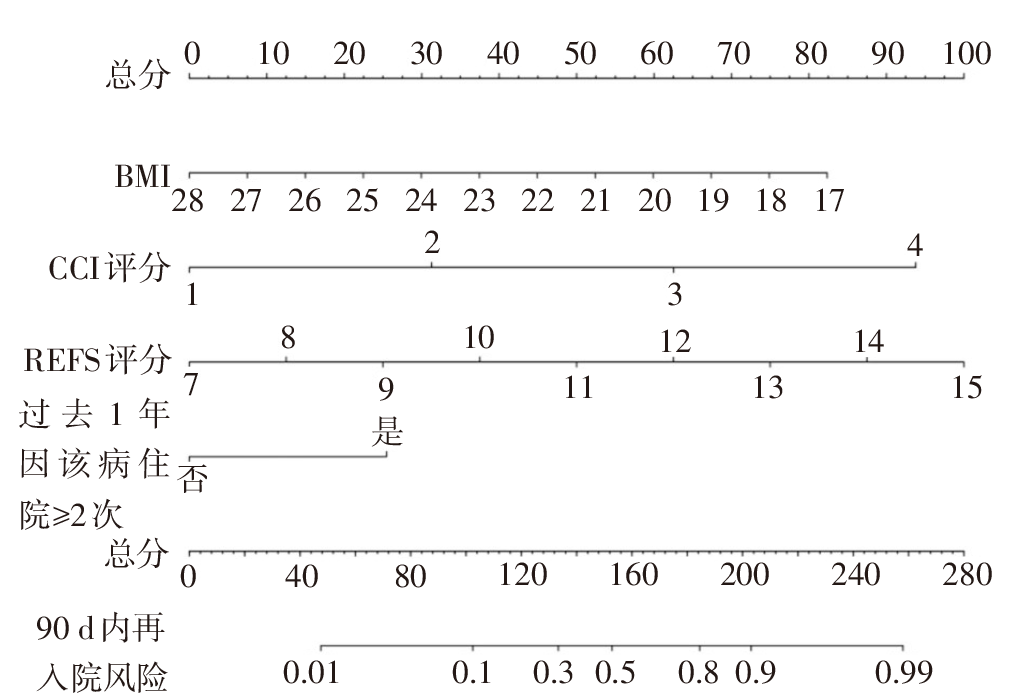
Fig.1 Columnar graph model of COPD frail patient readmission within 90 days
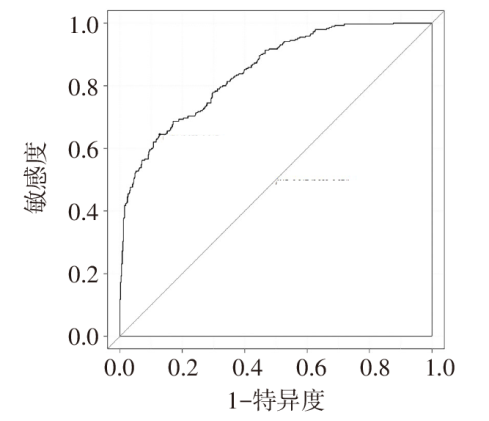
Fig.2 ROC curve of the predictive model for readmission within 90 days in COPD frail patients
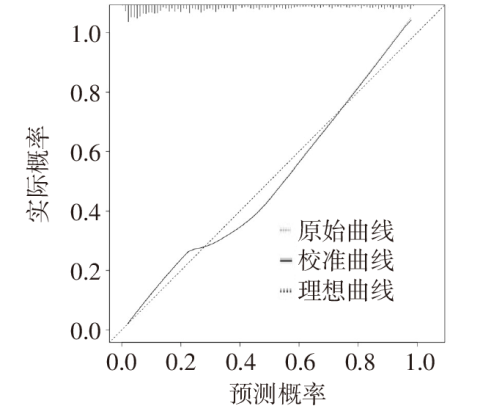
Fig.3 Calibration curve of the model for predicting readmission within 90 days in COPD frail patients
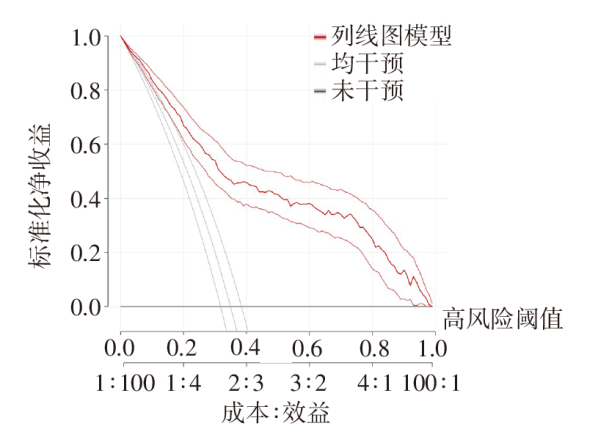
Fig.4 Decision curve of the predictive model for readmission within 90 days for COPD frail patients
| [1] | ALQAHTANI J S, AQUILINA J, BAFADHEL M, et al. Research priorities for exacerbations of COPD[J]. Lancet Respir Med, 2021, 9(8):824-826. doi:10.1016/S2213-2600(21)00227-7. |
| [2] | 唐雨萌, 张岚, 李茜, 等. 湖北省监测地区≥40岁居民2014年与2019年慢性阻塞性肺疾病流行病学特征比较[J]. 中国公共卫生, 2023, 39(5):594-599. |
| TANG Y M, ZHANG L, LI Q, et al. Variation in prevalence and impact factors of chronic obstructive pulmonary disease among residents aged over 40 years in disease surveillance sites of Hubei province between 2014 and 2019:a comparison analysis[J]. Chin J Publ Heal, 2023, 39(5):594-599. doi:10.11847/zgggws1138472. | |
| [3] | PAVORD I D, JONES P W, BURGEL P R, et al. Exacerbations of COPD[J]. Int J Chron Obstruct Pulmon Dis, 2016, 11 (Spec Iss):21-30. doi:10.2147/COPD.S85978. |
| [4] | KAGIALI S, INAL-INCE D, CAKMAK A, et al. Daily living activities,exercise capacity,cognition,and balance in COPD patients with and without frailty[J]. Ir J Med Sci, 2022, 191(2):817-824. doi:10.1007/s11845-021-02654-8. |
| [5] | MARENGONI A, VETRANO D L, MANES-GRAVINA E, et al. The relationship between COPD and frailty:a systematic review and meta-analysis of observational studies[J]. Chest, 2018, 154(1):21-40. doi:10.1016/j.chest.2018.02.014. |
| [6] | ALQAHTANI J S, ALDABAYAN Y S, ALDHAHIR A M, et al. Predictors of 30- and 90-day COPD exacerbation readmission:a prospective cohort study[J]. Int J Chron Obstruct Pulmon Dis, 2021, 16:2769-2781. doi:10.2147/COPD.S328030. |
| [7] | ALQAHTANI J S, NJOKU C M, BEREZNICKI B, et al. Risk factors for all-cause hospital readmission following exacerbation of COPD:a systematic review and meta-analysis[J]. Eur Respir Rev, 2020, 29(156):190166. doi:10.1183/16000617.0166-2019. |
| [8] | DIAS L S, FERREIRA A, DA SILVA JUNIOR J, et al. Prevalence of frailty and evaluation of associated variables among COPD patients[J]. Int J Chron Obstruct Pulmon Dis, 2020, 15:1349-1356. doi:10.2147/COPD.S250299. |
| [9] | 中华医学会呼吸病学分会慢性阻塞性肺疾病学组,中国医师协会呼吸医师分会慢性阻塞性肺疾病工作委员会. 慢性阻塞性肺疾病诊治指南(2021年修订版)[J]. 中华结核和呼吸杂志, 2021, 44(3):170-205. |
| Chronic Obstructive Pulmonary Disease(COPD) Group of the Respiratory Disease Division of the Chinese Medical Association (CMA),Working Committee on Chronic Obstructive Pulmonary Disease,Respiratory Physicians Branch,Chinese Medical Doctors' Association(CMA). Guidelines for the diagnosis and management of chronic obstructive pulmonary disease (revised version 2021)[J]. Chin J Tuberc Respir Dis, 2021, 44(3):170-205. doi:10.3760/cma.j.cn112147-20210109-00031. | |
| [10] | ROLFSON D B, MAJUMDAR S R, TSUYUKI R T, et al. Validity and reliability of the Edmonton Frail Scale[J]. Age Ageing, 2006, 35(5):526-529. doi:10.1093/ageing/afl041. |
| [11] | CHARLSON M E, POMPEI P, ALES K L, et al. A new method of classifying prognostic comorbidity in longitudinal studies:development and validation[J]. J Chronic Dis, 1987, 40(5):373-383. doi:10.1016/0021-9681(87)90171-8. |
| [12] | BESTALL J C, PAUL E A, GARROD R, et al. Usefulness of the Medical Research Council(MRC)dyspnoea scale as a measure of disability in patients with chronic obstructive pulmonary disease[J]. Thorax, 1999, 54(7):581-586. doi:10.1136/thx.54.7.581. |
| [13] | RUAN H, ZHANG H, WANG J, et al. Readmission rate for acute exacerbation of chronic obstructive pulmonary disease:A systematic review and meta-analysis[J]. Respir Med, 2023, 206:107090. doi:10.1016/j.rmed.2022.107090. |
| [14] | PUTCHA N, ANZUETO A R, CALVERLEY P, et al. Mortality and exacerbation risk by body mass index in patients with COPD in TIOSPIR and UPLIFT[J]. Ann Am Thorac Soc, 2022, 19(2):204-213. doi:10.1513/AnnalsATS.202006-722OC. |
| [15] | 张瑞, 吴珍珍, 常艳, 等. 老年慢性阻塞性肺疾病患者30天内急性加重再入院风险预测模型的构建与验证[J]. 中国呼吸与危重监护杂志, 2021, 20(7):457-464. |
| ZHANG R, WU Z Z, CHANG Y, et al. Construction and validation of a predictive model of acute exacerbation readmission risk within 30 days in elderly patients with chronic obstructive pulmonary disease[J]. Chinese Journal of Respiratory and Critical Care Medicine, 2021, 20(7):457-464. doi:10.7507/1671-6205.202011079. | |
| [16] | LI J, MA X, ZENG X, et al. Risk factors of readmission within 90 days for chronic obstructive pulmonary disease patients with frailty and construction of an early warning model[J]. Int J Chron Obstruct Pulmon Dis, 2023, 18:975-984. doi:10.2147/COPD.S400638. |
| [17] | 李加樱, 曾雪涛, 周晨, 等. 合并衰弱的COPD患者30 d内再入院预测模型的构建[J]. 国际呼吸杂志, 2022, 42(20):1550-1555. |
| LI J Y, ZENG X T, ZHOU C, et al. Construction of prediction model for readmission within 30 days of chronic obstructive pulmonary disease patients with frailty[J]. Int J Respir, 2022, 42(20):1550-1555. doi:10.3760/cma.j.cn131368-20220601-00442. | |
| [18] | DOĞAN MÜLAZIMOĞLU D, BILGIN B, AYÖZ S, et al. Reliability of comorbidity indices as predictive indicators for frequent severe chronic obstructive pulmonary disease exacerbations[J]. Tuberk Toraks, 2024, 72(1):16-24. doi:10.5578/tt.202401833. |
| [19] | 黄亚玲, 毛兵, 闵婕, 等. 慢性阻塞性肺疾病稳定期患者共患疾病与一年急性加重风险的关系研究[J]. 中华结核和呼吸杂志, 2018, 41(5):349-354. |
| HUANG Y L, MAO B, MIN J, et al. The associations between comorbidity and exacerbation risk in patients with chronic obstructive pulmonary disease[J]. Chinese Journal of Tuberculosis and Respiratory Diseases, 2018, 41(5):349-354. doi:10.3760/cma.j.issn.1001-0939.2018.05.009. |
| Viewed | ||||||
|
Full text |
|
|||||
|
Abstract |
|
|||||
