
Tianjin Medical Journal ›› 2025, Vol. 53 ›› Issue (11): 1138-1144.doi: 10.11958/20252085
• Experimental Research • Previous Articles Next Articles
SU Yi( ), ZHOU Jinliang, DING Qiang△()
Received:2025-05-27
Revised:2025-08-07
Published:2025-11-15
Online:2025-11-19
Contact:
△E-mail: SU Yi, ZHOU Jinliang, DING Qiang. The mechanism of total flavonoids of Rhizoma drynariae improving lipid metabolism disorders in steroid-induced avascular necrosis of femoral head in rabbits[J]. Tianjin Medical Journal, 2025, 53(11): 1138-1144.
CLC Number:
| 基因名称 | 引物序列(5'→3') | 产物大小/bp |
|---|---|---|
| Bax | 上游:CCCGAGAGGTCTTTTTCCGAG | 152 |
| 下游:CCAGCCCATGATGGTTCTGAT | ||
| Bcl-2 | 上游:GGTGGGGTCATGTGTGTGG | 197 |
| 下游:CGGTTCAGGTACTCAGTCATCC | ||
| β-actin | 上游:TCAGGTCATCACTATCGGCAAT | 134 |
| 下游:AAAGAAAGGGTGTAAAACGCA |
Tab.1 Primer sequences
| 基因名称 | 引物序列(5'→3') | 产物大小/bp |
|---|---|---|
| Bax | 上游:CCCGAGAGGTCTTTTTCCGAG | 152 |
| 下游:CCAGCCCATGATGGTTCTGAT | ||
| Bcl-2 | 上游:GGTGGGGTCATGTGTGTGG | 197 |
| 下游:CGGTTCAGGTACTCAGTCATCC | ||
| β-actin | 上游:TCAGGTCATCACTATCGGCAAT | 134 |
| 下游:AAAGAAAGGGTGTAAAACGCA |
| 组别 | HDL-C | 总胆固醇 | TG |
|---|---|---|---|
| 对照组 | 1.75±0.18 | 0.33±0.04 | 1.05±0.11 |
| SANFH组 | 0.58±0.06a | 1.11±0.12a | 2.65±0.26a |
| TFRD-低组 | 0.85±0.09b | 0.78±0.08b | 2.05±0.20b |
| TFRD-中组 | 1.22±0.13bc | 0.52±0.06bc | 1.42±0.14bc |
| TFRD-高组 | 1.71±0.18bcd | 0.35±0.04bcd | 1.08±0.11bcd |
| TFRD-高+抑制剂组 | 0.88±0.09e | 0.81±0.09e | 1.95±0.20e |
| F | 137.728* | 155.765* | 123.687* |
Tab.2 Comparison of serum HDL-C, total cholesterol and TG levels between six groups of rats
| 组别 | HDL-C | 总胆固醇 | TG |
|---|---|---|---|
| 对照组 | 1.75±0.18 | 0.33±0.04 | 1.05±0.11 |
| SANFH组 | 0.58±0.06a | 1.11±0.12a | 2.65±0.26a |
| TFRD-低组 | 0.85±0.09b | 0.78±0.08b | 2.05±0.20b |
| TFRD-中组 | 1.22±0.13bc | 0.52±0.06bc | 1.42±0.14bc |
| TFRD-高组 | 1.71±0.18bcd | 0.35±0.04bcd | 1.08±0.11bcd |
| TFRD-高+抑制剂组 | 0.88±0.09e | 0.81±0.09e | 1.95±0.20e |
| F | 137.728* | 155.765* | 123.687* |
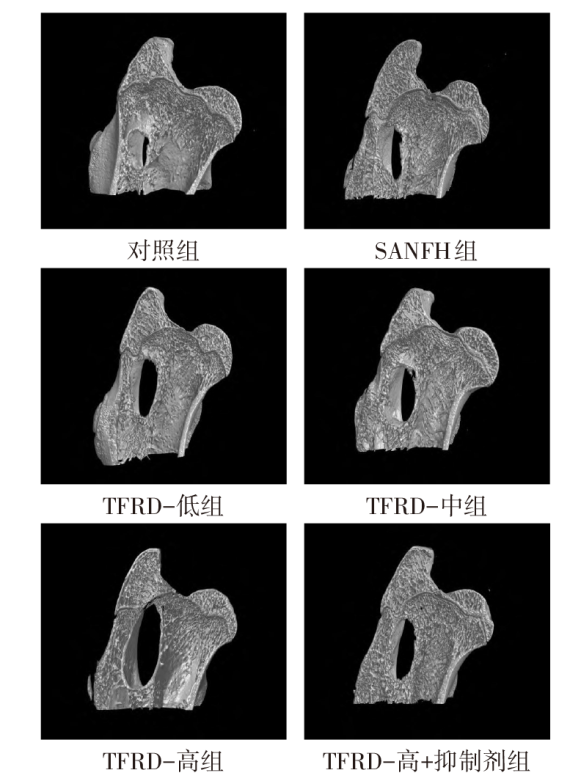
Fig.1 Micro-CT scan image of femoral head
| 组别 | BV/TV/% | Tb.N/mm-1 |
|---|---|---|
| 对照组 | 45.05±4.53 | 2.64±0.28 |
| SANFH组 | 17.22±1.79a | 0.98±0.10a |
| TFRD-低组 | 25.31±2.61b | 1.35±0.14b |
| TFRD-中组 | 33.62±3.42bc | 1.86±0.19bc |
| TFRD-高组 | 44.23±4.51bcd | 2.54±0.26bcd |
| TFRD-高+抑制剂组 | 25.44±2.61e | 1.41±0.15e |
| F | 108.701* | 117.015* |
Tab.3 Comparison of BV/TV and Tb.N in femurs between six groups of rats
| 组别 | BV/TV/% | Tb.N/mm-1 |
|---|---|---|
| 对照组 | 45.05±4.53 | 2.64±0.28 |
| SANFH组 | 17.22±1.79a | 0.98±0.10a |
| TFRD-低组 | 25.31±2.61b | 1.35±0.14b |
| TFRD-中组 | 33.62±3.42bc | 1.86±0.19bc |
| TFRD-高组 | 44.23±4.51bcd | 2.54±0.26bcd |
| TFRD-高+抑制剂组 | 25.44±2.61e | 1.41±0.15e |
| F | 108.701* | 117.015* |
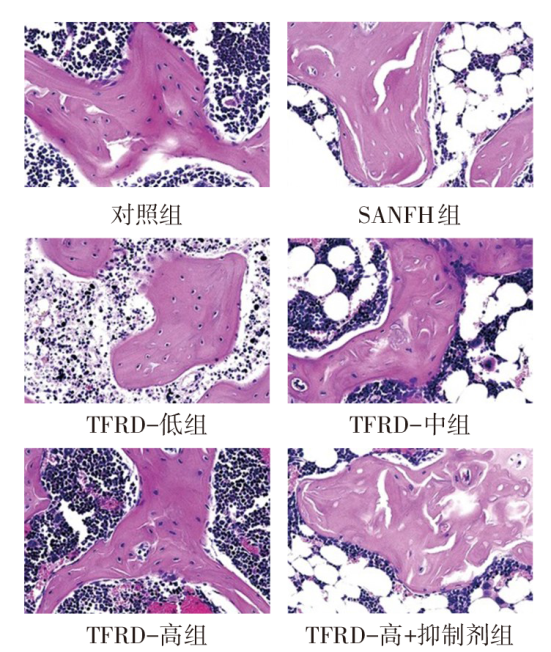
Fig.2 Histopathological changes of femur (HE, ×400))
| 组别 | 空骨陷窝率/% | 凋亡率/% |
|---|---|---|
| 对照组 | 13.26±1.40 | 4.22±0.48 |
| SANFH组 | 30.34±3.11a | 30.64±3.12a |
| TFRD-低组 | 22.84±2.31b | 20.64±2.10b |
| TFRD-中组 | 16.85±1.71bc | 14.25±1.51bc |
| TFRD-高组 | 13.55±1.42bcd | 8.52±0.91bcd |
| TFRD-高+抑制剂组 | 21.94±2.22e | 19.85±2.05e |
| F | 96.336* | 247.749* |
Tab.4 Comparison of empty bone lacunae rate and apoptosis rate in femoral tissue of rats between six groups
| 组别 | 空骨陷窝率/% | 凋亡率/% |
|---|---|---|
| 对照组 | 13.26±1.40 | 4.22±0.48 |
| SANFH组 | 30.34±3.11a | 30.64±3.12a |
| TFRD-低组 | 22.84±2.31b | 20.64±2.10b |
| TFRD-中组 | 16.85±1.71bc | 14.25±1.51bc |
| TFRD-高组 | 13.55±1.42bcd | 8.52±0.91bcd |
| TFRD-高+抑制剂组 | 21.94±2.22e | 19.85±2.05e |
| F | 96.336* | 247.749* |
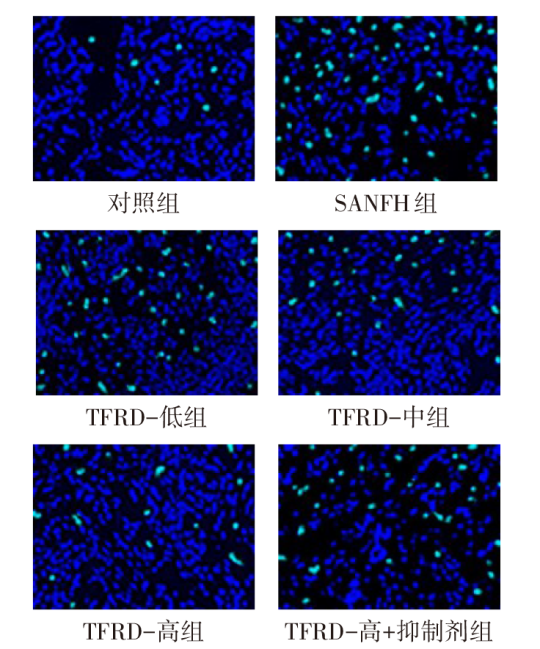
Fig.3 Apoptotic changes of femur tissue cells (TUNEL, ×200))
| 组别 | Bcl-2 | Bax |
|---|---|---|
| 对照组 | 0.92±0.10 | 1.03±0.11 |
| SANFH组 | 0.22±0.03a | 2.77±0.29a |
| TFRD-低组 | 0.44±0.05b | 2.11±0.23b |
| TFRD-中组 | 0.65±0.07bc | 1.55±0.16bc |
| TFRD-高组 | 0.89±0.09bcd | 1.08±0.12bcd |
| TFRD-高+抑制剂组 | 0.51±0.06e | 2.09±0.21e |
| F | 146.780* | 117.843* |
Tab.5 Comparison of Bax and Bcl-2 mRNA expression in femoral tissue between six groups of rats
| 组别 | Bcl-2 | Bax |
|---|---|---|
| 对照组 | 0.92±0.10 | 1.03±0.11 |
| SANFH组 | 0.22±0.03a | 2.77±0.29a |
| TFRD-低组 | 0.44±0.05b | 2.11±0.23b |
| TFRD-中组 | 0.65±0.07bc | 1.55±0.16bc |
| TFRD-高组 | 0.89±0.09bcd | 1.08±0.12bcd |
| TFRD-高+抑制剂组 | 0.51±0.06e | 2.09±0.21e |
| F | 146.780* | 117.843* |
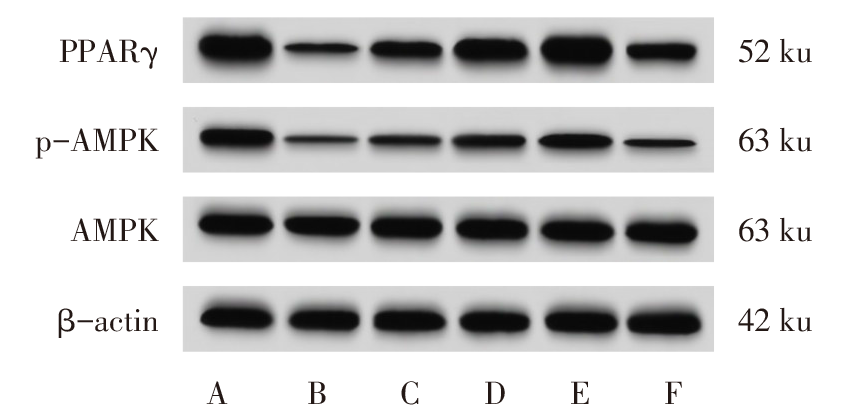
Fig.4 Expression levels of PPARγ and p-AMPK/AMPK proteins in femoral tissue detected by Western blot assay
| 组别 | p-AMPK/AMPK | PPARγ/β-actin |
|---|---|---|
| 对照组 | 0.88±0.09 | 1.51±0.16 |
| SANFH组 | 0.16±0.02a | 0.55±0.06a |
| TFRD-低组 | 0.35±0.04b | 0.78±0.09b |
| TFRD-中组 | 0.58±0.06bc | 1.02±0.11bc |
| TFRD-高组 | 0.82±0.09bcd | 1.48±0.15bcd |
| TFRD-高+抑制剂组 | 0.41±0.05e | 0.76±0.08e |
| F | 193.942* | 122.258* |
Tab.6 Comparison of PPARγ and p-AMPK/AMPK expression in femoral tissue between six groups of rats
| 组别 | p-AMPK/AMPK | PPARγ/β-actin |
|---|---|---|
| 对照组 | 0.88±0.09 | 1.51±0.16 |
| SANFH组 | 0.16±0.02a | 0.55±0.06a |
| TFRD-低组 | 0.35±0.04b | 0.78±0.09b |
| TFRD-中组 | 0.58±0.06bc | 1.02±0.11bc |
| TFRD-高组 | 0.82±0.09bcd | 1.48±0.15bcd |
| TFRD-高+抑制剂组 | 0.41±0.05e | 0.76±0.08e |
| F | 193.942* | 122.258* |
| [1] | 钱士达, 于雪峰. 骨髓间充质干细胞治疗激素性股骨头坏死的研究进展[J]. 天津医药, 2023, 51(5):553-556. |
| QIAN S D, YU X F. Research progress of bone marrow mesenchymal stem cell therapy for hypertrophic osteonecrosis of the femoral head[J]. Tianjin Med J, 2023, 51(5):553-556. doi:10.11958/20221802. | |
| [2] | WANG Q, YANG Z, LI Q, et al. Lithium prevents glucocorticoid-induced osteonecrosis of the femoral head by regulating autophagy[J]. J Cell Mol Med, 2024, 28(10):e18385. doi:10.1111/jcmm.18385. |
| [3] | 马万里, 杨红胜, 屈波, 等. 黄芩素预防大鼠激素性股骨头坏死的作用机制[J]. 中国组织工程研究, 2024, 28(23):3661-3668. |
| MA W L, YANG H S, QU B, et al. The mechanism of baicalin in preventing hormonal osteonecrosis of the femoral head in rats[J]. Chin J Tissu Engin Res, 2024, 28(23):3661-3668. doi:10.12307/2024.391. | |
| [4] | 侯文渊, 朱彩玉, 朱磊, 等. 骨痹通消颗粒治疗激素性股骨头坏死的分子机制[J]. 中医药临床杂志, 2023, 35(2):294-301. |
| HOU W Y, ZHU C Y, ZHU L, et al. Molecular mechanism of guibuzhongxiang granules in treating hormonal osteonecrosis of the femoral head[J]. Chin J Clin Trad Chine Med, 2023, 35(2):294-301. doi:10.16448/j.cjtcm.2023.0219. | |
| [5] | 孟东方, 李慧英, 杜晨阳. 基于OPG/RANKL/RANK信号通路探讨三补一活方治疗兔激素性股骨头坏死的机制[J]. 中医研究, 2022, 35(7):71-75. |
| MENG D F, LI H Y, DU C Y. Exploring the mechanism of san bu yi hui formula in treating hormone-induced femoral head necrosis in rabbits based on the OPG/RANKL/RANK signaling pathway[J]. Trad Chin Med Res, 2022, 35(7):71-75. doi:10.3969/j.issn.1001-6910.2022.07.18. | |
| [6] | LI W, ZHANG Z, LI Y, et al. Effects of total flavonoids of rhizoma drynariae on biochemical indicators of bone metabolism:a systematic review and meta-analysis[J]. Front Pharmacol, 2024, 15(1):1443235-1443244. doi:10.3389/fphar.2024.1443235. |
| [7] | LV W, YU M, YANG Q, et al. Total flavonoids of rhizoma drynariae ameliorate steroid-induced avascular necrosis of the femoral head via the PI3K/AKT pathway[J]. Mol Med Rep, 2021, 23(5):345-354. doi:10.3892/mmr.2021.11984. |
| [8] | 钟绍金, 韩珊颖, 何小爱, 等. 余甘子水提物对糖尿病模型大鼠脂质代谢紊乱和胰岛素抵抗的改善作用及机制研究[J]. 中国药房, 2023, 34(3):327-332. |
| ZHONG S J, HAN S Y, HE X A, et al. Study on the improvement effect and mechanism of mulberry fruit extract on lipid metabolism disorder and insulin resistance in diabetic model rats[J]. Chin Pharm J, 2023, 34(3):327-332. doi:10.6039/j.issn.1001-0408.2023.03.14. | |
| [9] | 史晓萍, 宗阿南, 陶钧, 等. 《关于善待实验动物的指导性意见》的研究[J]. 中国医科大学学报, 2007, 36(4):493. |
| SHI X P, ZONG A N, TAO J, et al. Research on the "guidelines for treating laboratory animals with respect"[J]. J Chin Med Univer, 2007, 36(4):493. doi:10.3969/j.issn.0258-4646.2007.04.051. | |
| [10] | 田心保, 马良辰, 田富宝, 等. 内热针抑制成骨细胞凋亡延缓兔激素性股骨头缺血性坏死[J]. 中国组织工程研究, 2025, 29(29):6161-6166. |
| TIAN X B, MA L C, TIAN F B, et al. Internal heat needles inhibit osteoblast apoptosis and delay ischemic necrosis of the femoral head in rabbits with steroid-induced osteonecrosis[J]. Chin J Tissu Engin Res, 2025, 29(29):6161-6166. doi:10.12307/2025.635. | |
| [11] | 李明, 李君, 付昆. 骨碎补总黄酮对膝骨关节炎模型兔HIF-1α和VEGF表达的影响[J]. 中国药房, 2018, 29(18):2484-2488. |
| LI M, LI J, FU K. Effects of total flavonoids from polygonum cuspidatum on the expression of HIF-1α and VEGF in rabbit models of knee osteoarthritis[J]. Chin Pharm J, 2018, 29(18):2484-2488. doi:10.6039/j.issn.1001-0408.2018.18.09. | |
| [12] | CHO B M, KIM W, YOO D Y, et al. Effects of adenosine monophosphate-activated kinase in the ventral horn of rabbit spinal cord after transient ischemia[J]. J Spinal Cord Med, 2015, 38(4):538-543. doi:10.1179/2045772314Y.0000000198. |
| [13] | LI W, LI W, ZHANG W, et al. Exogenous melatonin ameliorates steroid-induced osteonecrosis of the femoral head by modulating ferroptosis through GDF15-mediated signaling[J]. Stem Cell Res Ther, 2023, 14(1):171-180. doi:10.1186/s13287-023-03371-y. |
| [14] | 谢文博, 宋红梅, 林菲菲, 等. 基于Micro-CT评价温阳补肾方对兔激素性股骨头坏死模型股骨头微结构的影响[J]. 按摩与康复医学, 2024, 1(3):1-4. |
| XIE W B, SONG H M, LIN F F, et al. Evaluation of the effect of Wenyang Bu Shen Formula on the microstructure of the femoral head in a rabbit model of steroid-induced femoral head necrosis based on Micro-CT[J]. Mass Rehabilit Med, 2024, 1(3):1-4. doi:10.19787/j.issn.2097-3128.2024.03.001. | |
| [15] | 韩杰, 谢小中, 金万清, 等. 股骨头缺血性坏死保守治疗研究进展[J]. 辽宁中医药大学学报, 2022, 24(10):15-18. |
| HAN J, XIE X Z, JIN W Q, et al. Research progress on conservative treatment of avascular necrosis of the femoral head[J]. J Liaoning Univer Trad Chin Med, 2022, 24(10):15-18. doi:10.13194/j.issn.1673-842x.2022.10.004. | |
| [16] | 吴淮, 刘文刚, 许学猛, 等. 补肾活血祛痰方对兔激素性股骨头坏死脂代谢的影响[J]. 吉林医学, 2011, 32(19):3851-3853. |
| WU H, LIU W G, XU X M, et al. The effect of the formula for tonifying the kidney, activating blood circulation and eliminating phlegm on lipid metabolism in rabbits with steroid-induced femoral head necrosis[J]. Journal of Jilin Medicine, 2011, 32(19):3851-3853. doi:10.3969/j.issn.1004-0412.2011.19.004. | |
| [17] | FANG L, ZHANG G, WU Y, et al. SIRT6 prevents glucocorticoid-induced osteonecrosis of the femoral head in rats[J]. Oxid Med Cell Longev, 2022, 2022:6360133-6360142. doi:10.1155/2022/6360133. |
| [18] | LI G, LIU H, ZHANG X, et al. The protective effects of microRNA-26a in steroid-induced osteonecrosis of the femoral head by repressing EZH2[J]. Cell Cycle, 2020, 19(5):551-566. doi:10.1080/15384101.2022.2151241. |
| [19] | 闫玉珠, 于燕, 刘俊叶, 等. 酒精性和激素性股骨头坏死的外周血脂质组学分析[J]. 中南大学学报:医学版, 2022, 47(7):872-880. |
| YAN Y Z, YU Y, LIU J Y, et al. Peripheral lipidomics analysis of alcohol-induced and hormone-induced femoral head necrosis[J]. J Cent South Univer:Med Sci, 2022, 47(7):872-880. doi:10.11817/j.issn.1672-7347.2022.210567. | |
| [20] | LI X H, QIAN S D, CHEN D, et al. A new mechanism in steroid-induced osteonecrosis of the femoral head and the protective role of simvastatin[J]. Exp Cell Res, 2025, 446(1):114471-114480. doi:10.1016/j.yexcr.2025.114471. |
| [21] | ZHANG X, YANG Z, XU Q, et al. Dexamethasone induced osteocyte apoptosis in steroid-induced femoral head osteonecrosis through ROS-mediated oxidative stress[J]. Orthop Surg, 2024, 16(3):733-744. doi:10.1111/os.14010. |
| [22] | 李胜, 朱彩玉, 顾一帆, 等. 骨痹通消颗粒调控Wnt/PI3K-AKT信号通路干预兔激素性股骨头坏死[J]. 海南医学院学报, 2023, 29(7):523-529. |
| LI S, ZHU C Y, GU Y F, et al. Effects of Guibuzhongxiao granules on Wnt/PI3K-AKT signaling pathway in intervention of hormone-induced femoral head necrosis in rabbits[J]. J Hainan Med Univer, 2023, 29(7):523-529. doi:10.13210/j.cnki.jhmu.20230316.001. | |
| [23] | JIANG N, JIN H, YANG K, et al. The mechanism of metformin combined with total flavonoids of rhizoma drynariae on ovariectomy-induced osteoporotic rats[J]. Biomed Pharmacother, 2023, 165(1):115181-115190. doi:10.1016/j.biopha.2023.115181. |
| [24] | CHEN G Y, LIU X Y, YAN X E, et al. Total flavonoids of rhizoma drynariae treat osteoarthritis by inhibiting arachidonic acid metabolites through AMPK/NFκB pathway[J]. J Inflamm Res, 2023, 16(1):4123-4140. doi:10.2147/JIR.S418345. |
| [25] | YUE C, JIN H, ZHANG X, et al. Aucubin prevents steroid-induced osteoblast apoptosis by enhancing autophagy via AMPK activation[J]. J Cell Mol Med, 2021, 25(21):10175-10184. doi:10.1111/jcmm.16954. |
| [26] | LIU H, CHANG Z, LIU S, et al. MEDAG expression in vitro and paeoniflorin alleviates bone loss by regulating the MEDAG/AMPK/PPARγ signaling pathway in vivo[J]. Heliyon, 2024, 10(1):e24241. doi:10.1016/j.heliyon.2024.e24241. |
| [1] | GU Mengqing, LI Jialin, YU Yang. The effect and mechanism of salvianolic acid B on reproductive function in mice with ovarian aging [J]. Tianjin Medical Journal, 2026, 54(2): 117-121. |
| [2] | GAO Feng, CHEN Da, HUI Wenwen. The effect of koumine on cartilage injury in rats with knee osteoarthritis by regulating AMPK/NLRP3 pathway [J]. Tianjin Medical Journal, 2026, 54(2): 158-163. |
| [3] | HOU Weiling, QIAO Yunyang, WU Xiaoyun, SHI Huimin, QU Gaoting, ZHANG Aiqing. Zinc finger protein 281 inhibits high glucose-induced epithelial-mesenchymal transition and extracellular matrix synthesis in renal tubular epithelial cells [J]. Tianjin Medical Journal, 2024, 52(7): 720-726. |
| [4] | ZHONG Jiashuai, FENG Yumei. Comparative study on the directed differentiation ability of mouse bone marrow and adipose-derived mesenchymal stem cells [J]. Tianjin Medical Journal, 2024, 52(2): 129-135. |
| [5] | ZHANG Zhengang, LI Xiaona, WANG Wenjuan, ZHANG Yongtian, LI Binye. Effects of thyroid hormones and sex hormones on male fertility [J]. Tianjin Medical Journal, 2023, 51(5): 518-521. |
| [6] | QIAN Shida, YU Xuefeng. Research progress on bone marrow mesenchymal stem cells in the treatment of steroid-induced osteonecrosis of femoral head [J]. Tianjin Medical Journal, 2023, 51(5): 553-555. |
| [7] | TAN Chunlian, LI Xiaohong, XIA Guodong, ZHANG Zhihong, LI Xiaoming. Inhibitory effect and mechanism of metformin on diffuse large B-cell lymphoma cells [J]. Tianjin Medical Journal, 2023, 51(4): 355-359. |
| [8] | HU Bin, WANG Dabin, GUO Mao. Effects of tetramethylpyrazine on analgesia and neuronal damage in migraine rats by regulating SIRT1/AMPK/PGC1α signaling pathway [J]. Tianjin Medical Journal, 2023, 51(4): 382-386. |
| [9] | LIU Qing, ZHU Jun, TANG Guoying, JIANG Pingying. Serum levels of ET-1 and SDC-1 in children with nephrotic syndrome and their correlation with hormone therapy response [J]. Tianjin Medical Journal, 2023, 51(4): 413-417. |
| [10] | SUN Zhixia, WANG Lihui, SUO Hongliang, CHEN Qian. Effect of Jiawei Taoren Chengqi Decoction on autophagy in rats with mechanical ventilation-induced lung injury [J]. Tianjin Medical Journal, 2023, 51(12): 1349-1355. |
| [11] | ZHANG Yunyan, MA Liuheyi, CHEN Minyi, LI Youqiang, Liu Runmei, LUO Dongyuan. Ligand binding characteristics of signal molecule 3-O-C12-HSL and PPAR γ-LBD in pseudomonas aeruginosa [J]. Tianjin Medical Journal, 2022, 50(7): 673-677. |
| [12] | JI Fengxuan, LI Guopeng, BI Tong, ZHANG Weimin, JIA Qingyun, WEI Biaofang. Clinical significance of serum expression of progranulin in non-traumatic osteonecrosis of femoral head [J]. Tianjin Medical Journal, 2022, 50(12): 1302-1305. |
| [13] | ZHONG Juan, CHEN Jing, LEI Ren-guo, Li Hong-mian, QIN Ya-qin△. The therapeutic effect and mechanism of irbesartan on fatty liver in diabetes-hypertension rats [J]. Tianjin Medical Journal, 2021, 49(9): 944-948. |
| [14] | SHU Yuan-hui, MA Run, XIE Na, LI Yao, WANG Yu-ping. Cannabidiol reduces CCl4-induced acute liver injury in mice by activating PPAR-γ [J]. Tianjin Medical Journal, 2021, 49(7): 694-698. |
| [15] | HOU Li-ping, GENG Jian-lin, GU Wei, LIU Qing-qing. Effects of selenium yeast combined with vitamin D on thyroid related hormones and antibodies in experimental autoimmune thyroiditis rats #br# [J]. Tianjin Medical Journal, 2021, 49(2): 136-141. |
| Viewed | ||||||
|
Full text |
|
|||||
|
Abstract |
|
|||||
