
Tianjin Medical Journal ›› 2026, Vol. 54 ›› Issue (1): 30-34.doi: 10.11958/20252420
• Clinical Research • Previous Articles Next Articles
WANG Peng1,2( ), LIU Zhiguang1,△(), MA Zhengfei3
Received:2025-07-07
Revised:2025-09-15
Published:2026-01-15
Online:2026-01-19
Contact:
△ E-mail:WANG Peng, LIU Zhiguang, MA Zhengfei. The predictive value of cerebral oxygen saturation combined with brain natriuretic peptide for hemorrhagic transformation after mechanical thrombectomy in acute ischemic stroke[J]. Tianjin Medical Journal, 2026, 54(1): 30-34.
CLC Number:
| 组别 | n | 性别 | 年龄/岁 | 吸烟史 | 饮酒史 | 合并糖尿病 | 合并高血压 | ||||||||||||||||||||||||
|---|---|---|---|---|---|---|---|---|---|---|---|---|---|---|---|---|---|---|---|---|---|---|---|---|---|---|---|---|---|---|---|
| 男 | 女 | ||||||||||||||||||||||||||||||
| 未出血转化组 | 66 | 34(51.5) | 32(48.5) | 55.06±6.26 | 31(47.0) | 27(40.9) | 14(21.2) | 18(27.3) | |||||||||||||||||||||||
| 出血转化组 | 54 | 31(57.4) | 23(42.6) | 56.49±6.85 | 29(53.7) | 26(48.2) | 16(29.6) | 19(35.2) | |||||||||||||||||||||||
| χ2或t | 0.415 | 1.193 | 0.539 | 0.631 | 1.122 | 0.872 | |||||||||||||||||||||||||
| 组别 | 合并 冠心病 | 心房颤动 | 脑卒中分布 | 血脑屏障破坏程度 | 血管痉挛程度 | 侧支循环评分>2分 | |||||||||||||||||||||||||
| 前循环闭塞 | 后循环闭塞 | 轻中度 | 重度 | 轻中度 | 重度 | ||||||||||||||||||||||||||
| 未出血转化组 | 11(16.7) | 32(48.5) | 46(69.7) | 20(30.3) | 55(83.3) | 11(16.7) | 51(77.3) | 15(22.7) | 42(63.6) | ||||||||||||||||||||||
| 出血转化组 | 13(24.1) | 36(66.7) | 41(75.9) | 13(24.1) | 49(90.7) | 5(9.3) | 45(83.3) | 9(16.7) | 39(72.2) | ||||||||||||||||||||||
| χ2 | 1.019 | 3.998* | 0.578 | 1.410 | 0.682 | 0.998 | |||||||||||||||||||||||||
| 组别 | 梗死核心 体积/cm3 | 发病至血管 再通时间/h | 发病至入院 时间/h | 入院时NIHSS 评分/分 | WBC/ (×109/L) | TC/ (mmol/L) | TG/ (mmol/L) | ||||||||||||||||||||||||
| 未出血转化组 | 3.34±0.61 | 6.08±1.14 | 4.23±0.41 | 9.26±1.82 | 16.47±2.15 | 5.47±1.06 | 2.19±0.34 | ||||||||||||||||||||||||
| 出血转化组 | 3.45±0.67 | 6.25±1.36 | 4.79±0.67 | 10.55±2.06 | 16.93±2.29 | 5.68±1.15 | 2.24±0.37 | ||||||||||||||||||||||||
| t | 0.941 | 0.747 | 5.625** | 3.637** | 1.132 | 1.041 | 0.768 | ||||||||||||||||||||||||
| 组别 | CRP/(mg/L) | TNF-α/(ng/L) | Scr/(μmol/L) | 血尿酸/(μmol/L) | Hb/(g/L) | 脑氧饱和度/% | 脑钠肽/(ng/L) | ||||||||||||||||||||||||
| 未出血转化组 | 20.83±2.81 | 32.57±6.39 | 179.35±19.68 | 313.62±24.03 | 136.27±17.64 | 62.82±8.59 | 226.38±14.61 | ||||||||||||||||||||||||
| 出血转化组 | 21.35±3.12 | 33.17±6.76 | 184.56±22.35 | 318.25±27.61 | 131.44±15.43 | 53.57±6.46 | 247.95±17.22 | ||||||||||||||||||||||||
| t | 0.958 | 0.499 | 1.357 | 0.982 | 1.578 | 6.541** | 7.423** | ||||||||||||||||||||||||
Tab.1 Comparison of general information and laboratory indicators between the two groups of patients
| 组别 | n | 性别 | 年龄/岁 | 吸烟史 | 饮酒史 | 合并糖尿病 | 合并高血压 | ||||||||||||||||||||||||
|---|---|---|---|---|---|---|---|---|---|---|---|---|---|---|---|---|---|---|---|---|---|---|---|---|---|---|---|---|---|---|---|
| 男 | 女 | ||||||||||||||||||||||||||||||
| 未出血转化组 | 66 | 34(51.5) | 32(48.5) | 55.06±6.26 | 31(47.0) | 27(40.9) | 14(21.2) | 18(27.3) | |||||||||||||||||||||||
| 出血转化组 | 54 | 31(57.4) | 23(42.6) | 56.49±6.85 | 29(53.7) | 26(48.2) | 16(29.6) | 19(35.2) | |||||||||||||||||||||||
| χ2或t | 0.415 | 1.193 | 0.539 | 0.631 | 1.122 | 0.872 | |||||||||||||||||||||||||
| 组别 | 合并 冠心病 | 心房颤动 | 脑卒中分布 | 血脑屏障破坏程度 | 血管痉挛程度 | 侧支循环评分>2分 | |||||||||||||||||||||||||
| 前循环闭塞 | 后循环闭塞 | 轻中度 | 重度 | 轻中度 | 重度 | ||||||||||||||||||||||||||
| 未出血转化组 | 11(16.7) | 32(48.5) | 46(69.7) | 20(30.3) | 55(83.3) | 11(16.7) | 51(77.3) | 15(22.7) | 42(63.6) | ||||||||||||||||||||||
| 出血转化组 | 13(24.1) | 36(66.7) | 41(75.9) | 13(24.1) | 49(90.7) | 5(9.3) | 45(83.3) | 9(16.7) | 39(72.2) | ||||||||||||||||||||||
| χ2 | 1.019 | 3.998* | 0.578 | 1.410 | 0.682 | 0.998 | |||||||||||||||||||||||||
| 组别 | 梗死核心 体积/cm3 | 发病至血管 再通时间/h | 发病至入院 时间/h | 入院时NIHSS 评分/分 | WBC/ (×109/L) | TC/ (mmol/L) | TG/ (mmol/L) | ||||||||||||||||||||||||
| 未出血转化组 | 3.34±0.61 | 6.08±1.14 | 4.23±0.41 | 9.26±1.82 | 16.47±2.15 | 5.47±1.06 | 2.19±0.34 | ||||||||||||||||||||||||
| 出血转化组 | 3.45±0.67 | 6.25±1.36 | 4.79±0.67 | 10.55±2.06 | 16.93±2.29 | 5.68±1.15 | 2.24±0.37 | ||||||||||||||||||||||||
| t | 0.941 | 0.747 | 5.625** | 3.637** | 1.132 | 1.041 | 0.768 | ||||||||||||||||||||||||
| 组别 | CRP/(mg/L) | TNF-α/(ng/L) | Scr/(μmol/L) | 血尿酸/(μmol/L) | Hb/(g/L) | 脑氧饱和度/% | 脑钠肽/(ng/L) | ||||||||||||||||||||||||
| 未出血转化组 | 20.83±2.81 | 32.57±6.39 | 179.35±19.68 | 313.62±24.03 | 136.27±17.64 | 62.82±8.59 | 226.38±14.61 | ||||||||||||||||||||||||
| 出血转化组 | 21.35±3.12 | 33.17±6.76 | 184.56±22.35 | 318.25±27.61 | 131.44±15.43 | 53.57±6.46 | 247.95±17.22 | ||||||||||||||||||||||||
| t | 0.958 | 0.499 | 1.357 | 0.982 | 1.578 | 6.541** | 7.423** | ||||||||||||||||||||||||
| 指标 | 最佳截断点 | 敏感度/% | 特异度/% | AUC | 95%CI |
|---|---|---|---|---|---|
| 脑氧饱和度 | 55% | 66.67 | 87.88 | 0.800 | 0.718~0.868 |
| 脑钠肽 | 239.91 ng/L | 83.33 | 68.18 | 0.832 | 0.753~0.894 |
| 联合 | - | 88.89 | 78.79 | 0.882 | 0.810~0.934 |
Tab.2 Predictive value of cerebral oxygen saturation combined with serum brain natriuretic peptide for hemorrhagic transformation
| 指标 | 最佳截断点 | 敏感度/% | 特异度/% | AUC | 95%CI |
|---|---|---|---|---|---|
| 脑氧饱和度 | 55% | 66.67 | 87.88 | 0.800 | 0.718~0.868 |
| 脑钠肽 | 239.91 ng/L | 83.33 | 68.18 | 0.832 | 0.753~0.894 |
| 联合 | - | 88.89 | 78.79 | 0.882 | 0.810~0.934 |
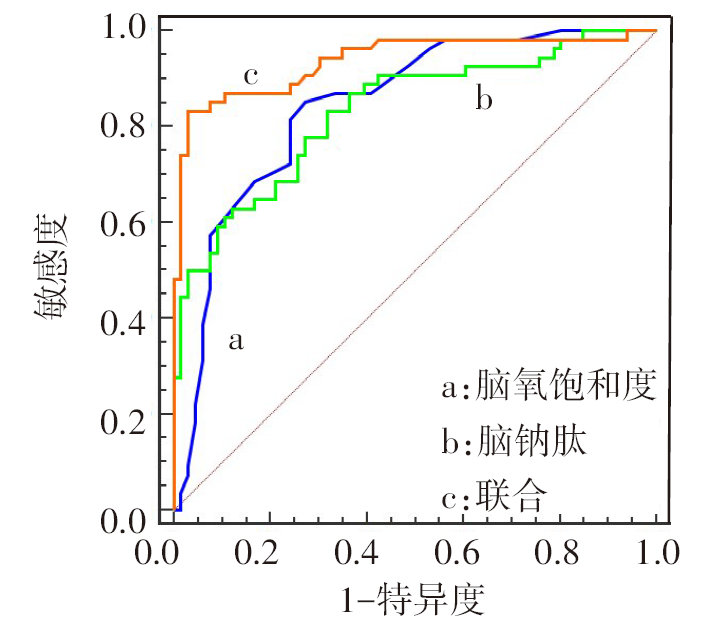
Fig.1 ROC curve of the joint prediction model
| 模型 | 脑氧饱和度 | 脑钠肽 | ||
|---|---|---|---|---|
| OR(95%CI) | P | OR(95%CI) | P | |
| 模型1 | 0.910(0.847~0.977) | 0.010 | 1.063(1.028~1.100) | <0.001 |
| 模型2 | 0.904(0.840~0.973) | 0.007 | 1.062(1.026~1.099) | <0.001 |
| 模型3 | 0.885(0.809~0.969) | 0.008 | 1.065(1.020~1.113) | 0.005 |
| 模型4 | 0.882(0.803~0.968) | 0.008 | 1.069(1.019~1.120) | 0.006 |
Tab.3 Influence of cerebral oxygen saturation and brain natriuretic peptide on hemorrhagic transformation in different models
| 模型 | 脑氧饱和度 | 脑钠肽 | ||
|---|---|---|---|---|
| OR(95%CI) | P | OR(95%CI) | P | |
| 模型1 | 0.910(0.847~0.977) | 0.010 | 1.063(1.028~1.100) | <0.001 |
| 模型2 | 0.904(0.840~0.973) | 0.007 | 1.062(1.026~1.099) | <0.001 |
| 模型3 | 0.885(0.809~0.969) | 0.008 | 1.065(1.020~1.113) | 0.005 |
| 模型4 | 0.882(0.803~0.968) | 0.008 | 1.069(1.019~1.120) | 0.006 |
| [1] | WU M, HE Z, YU K, et al. Global trends of mechanical thrombectomy in acute ischemic stroke over the past decade:a scientometric analysis based on WOSCC and GBD database[J]. World Neurosurg, 2025, 194(6):1246-1253. doi:10.1016/j.wneu.2024.11.045. |
| [2] | FAN H, WEI L, ZHAO X, et al. White matter hyperintensity burden and functional outcomes in acute ischemic stroke patients after mechanical thrombectomy:a systematic review and meta-analysis[J]. Neuroimage Clin, 2024, 41(2):1035-1042. doi:10.1016/j.nicl.2023.103549. |
| [3] | IANCU A, BULEU F, CHITA D S, et al. Early hemorrhagic transformation after reperfusion therapy in patients with acute ischemic stroke:analysis of risk factors and predictors[J]. Brain Sci, 2023, 13(5):840-849. doi:10.3390/brainsci13050840. |
| [4] | DONG S, YU C, WU Q, et al. Predictors of symptomatic intracranial hemorrhage after endovascular thrombectomy in acute ischemic stroke:a systematic review and meta-analysis[J]. Cerebrovasc Dis, 2023, 52(4):363-375. doi:10.1159/000527193. |
| [5] | CARNICERO L B, CARBONERO S C. Reference ranges for regional cerebral oxygen saturation with masimo O3 after birth and differences with other devices[J]. Am J Perinatol, 2024, 41(12):1736-1742. doi:10.1055/a-2253-8740. |
| [6] | ROSSI R, JABRAH D, DOUGLAS A, et al. Investigating the role of brain natriuretic peptide (BNP) and N-terminal-proBNP in thrombosis and acute ischemic stroke etiology[J]. Int J Mol Sci, 2024, 25(5):2999-3008. doi:10.3390/ijms25052999. |
| [7] | 中华医学会神经病学分会,中华医学会神经病学分会脑血管病学组. 中国急性脑梗死后出血转化诊治共识2019[J]. 中华神经科杂志, 2019, 52(4):252-265. |
| Neurology Branch of Chinese Medical Association,Cerebrovascular Disease Group of Neurology Branch of Chinese Medical Association. Consensus on the diagnosis and treatment of hemorrhagic transformation after acute cerebral infarction in China 2019[J]. Chinese Journal of Neurology, 2019, 52(4):252-265. doi:10.3760/cma.j.issn.1006-7876.2019.04.003. | |
| [8] | 中华医学会神经病学分会,中华医学会神经病学分会脑血管病学组. 中国急性缺血性卒中诊治指南2023[J]. 中华神经科杂志, 2024, 57(6):523-559. |
| Neurology Branch of Chinese Medical Association,Cerebrovascular Disease Group of Neurology Branch of Chinese Medical Association. Chinese guidelines for the diagnosis and treatment of acute ischemic stroke 2023[J]. Chinese Journal of Neurology, 2024, 57(6):523-559. doi:10.3760/cma.j.cn113694-20240410-00221. | |
| [9] | SUN F, ZHOU J, CHEN X, et al. No-reflow after recanalization in ischemic stroke:from pathomechanisms to therapeutic strategies[J]. J Cereb Blood Flow Metab, 2024, 44(6):857-880. doi:10.1177/0271678X241237159. |
| [10] | ZARRINTAN A, MUSMAR B, GHOZY S, et al. Outcomes of mechanical thrombectomy in octogenarians and nonagenarians patients with acute ischemic stroke:a systematic review and network meta-analysis[J]. Eur J Radiol, 2024, 176(5):1115-1124. doi:10.1016/j.ejrad.2024.111506. |
| [11] | 贾建波, 孙根, 顾媛媛. 持续气道正压通气对合并阻塞性睡眠呼吸暂停综合征的脑梗死患者平均气道压及神经功能的影响[J]. 天津医药, 2025, 53(6):639-643. |
| JIA J B, SUN G, GU Y Y. The effect of continuous positive airway pressure ventilation on mean airway pressure and neurological function in stroke patients with obstructive sleep apnea syndrome[J]. Tianjin Med J, 2025, 53(6):639-643. doi:10.11958/20250596. | |
| [12] | JAZAYERI S B, GHOZY S, HEMMEDA L, et al. Risk of hemorrhagic transformation after mechanical thrombectomy without versus with IV thrombolysis for acute ischemic stroke:a systematic review and meta-analysis of randomized clinical trials[J]. AJNR Am J Neuroradiol, 2024, 45(9):1246-1252. doi:10.3174/ajnr.A8307. |
| [13] | 李彦, 荆化汉, 白玉石, 等. 血清Nod样受体3和活性氧预测前循环大血管闭塞性急性缺血性卒中患者机械取栓术后出血转化的价值[J]. 中华实用诊断与治疗杂志, 2024, 38(5):469-473. |
| LI Y, JING H H, BAI Y S, et al. The value of serum NOD-like receptor 3 and reactive oxygen species in predicting hemorrhage transformation after mechanical thrombectomy in patients with anterior circulation large vessel occlusive acute ischemic stroke[J]. Chinese Journal of Practical Diagnosis and Treatment, 2024, 38(5):469-473. doi:10.13507/j.issn.1674-3474.2024.05.008. | |
| [14] | ANCELET C, NEVEÜ S, VENDITTI L, et al. Pre-treatment risk markers for hemorrhagic transformation in posterior circulation acute ischemic stroke treated with reperfusion therapy[J]. J Neurol, 2023, 270(11):5493-5501. doi:10.1007/s00415-023-11886-w. |
| [15] | LIANG P, HAN S, JIANG Y, et al. B-type natriuretic peptide can distinguish ischemic stroke subtypes better than other cardiac biomarkers[J]. Med Sci Monit, 2023, 29(3):939-947. doi:12659/MSM.939829. |
| [16] | CAO R, LU Y, QI P, et al. Collateral circulation and BNP in predicting outcome of acute ischemic stroke patients with atherosclerotic versus cardioembolic cerebral large-vessel occlusion who underwent endovascular treatment[J]. Brain Sci, 2023, 13(4):539-546. doi:10.3390/brainsci13040539. |
| [17] | 康鑫. 氨基末端B型脑钠肽前体对急性缺血性卒中患者出血转化的预测价值[D]. 重庆: 重庆医科大学, 2019. |
| KANG X. The predictive value of amino-terminal B-type brain natriuretic peptide precursor for hemorrhagic transformation in patients with acute ischemic stroke[D]. Chongqing: Chongqing Medical University, 2019. | |
| [18] | LIU Y, ZHAO L, WANG X, et al. Predictive value of TCCD and regional cerebral oxygen saturation for detecting early postoperative brain injury[J]. J Clin Monit Comput, 2024, 38(5):1079-1087. doi:10.1007/s10877-024-01165-y |
| [19] | LUO N, GAO X, YE C, et al. Establishment and validation of a risk prediction model for delayed neurocognitive recovery associated with cerebral oxygen saturation monitoring[J]. Perioper Med(Lond), 2024, 13(1):75-86. doi:10.1186/s13741-024-00432-5. |
| [20] | VON RENNENBERG R, HERM J, KRAUSE T, et al. Elevation of cardiac biomarkers in stroke is associated with pathological findings on cardiac MRI-results of the heart and brain interfaces in acute stroke study[J]. Int J Stroke, 2023, 18(2):180-186. doi:10.1177/17474930221095698. |
| [21] | ORAS J, GRIVANS C, DALLA K, et al. High-sensitive troponin t and N-terminal pro B-type natriuretic peptide for early detection of stress-induced cardiomyopathy in patients with subarachnoid hemorrhage[J]. Neurocrit Care, 2015, 23(2):233-242. doi:10.1007/s12028-015-0108-y. |
| [22] | YAMAMOTO M, HAYASHIDA M, KAKEMIZU-WATANABE M, et al. B-type natriuretic peptide and hemoglobin are two major factors significantly associated with baseline cerebral oxygen saturation measured using the INVOS oximeter in patients undergoing off-pump coronary artery bypass graft surgery[J]. J Cardiothorac Vasc Anesth, 2018, 32(1):187-196. doi:10.1053/j.jvca.2017.04.018. |
| Viewed | ||||||
|
Full text |
|
|||||
|
Abstract |
|
|||||
