
Tianjin Medical Journal ›› 2026, Vol. 54 ›› Issue (1): 69-73.doi: 10.11958/20252736
• Clinical Research • Previous Articles Next Articles
YANG Cuihong( ), QI Feifan, GUO Zhiyong, LIU Guangping△()
Received:2025-08-15
Revised:2025-10-10
Published:2026-01-15
Online:2026-01-19
Contact:
△ E-mail:YANG Cuihong, QI Feifan, GUO Zhiyong, LIU Guangping. Analysis of 15 cases of congenital first branchial cleft cysts and fistulas in children[J]. Tianjin Medical Journal, 2026, 54(1): 69-73.
CLC Number:
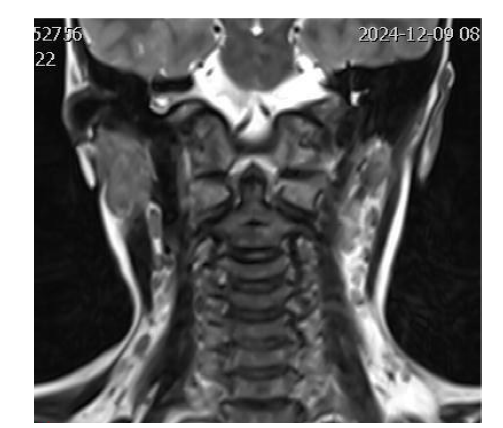
Fig.1 Cervical MRI images of child patient No.3
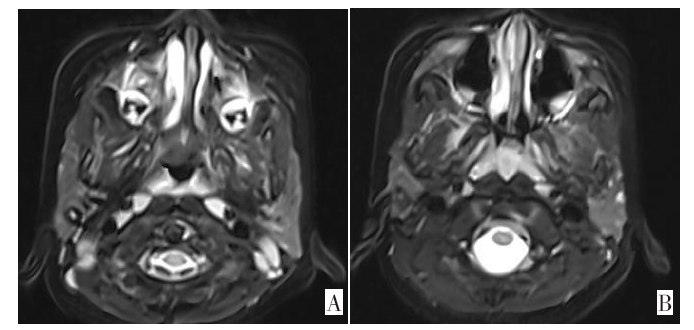
Fig.2 Cervical MRI images of child patient No.8
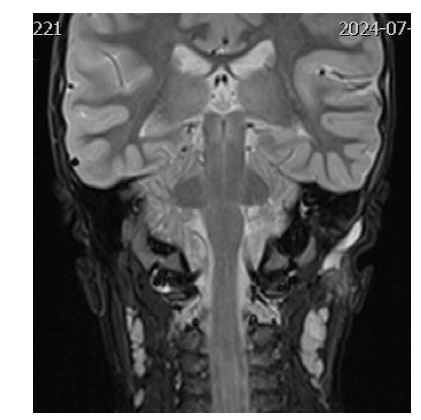
Fig.3 Cervical MRI images of child patient No.10
| 编号 | 年龄 | 疾病 | 病史 | 查体 | MRI报告 | B超报告 |
|---|---|---|---|---|---|---|
| 1 | 8岁 | 囊肿 | 发现右耳后肿物半月余 | 右下颌角后上与乳突前下间一质韧肿物 | 右腮腺后缘囊性病变边缘强化,上缘管状影像向外耳道延伸 | 右侧耳前囊性肿块(内部不透亮),与耳道关系密切。 |
| 2 | 8岁 | 囊肿 | 发现右耳后红肿化脓6年 | 右耳后见瘢痕,肿物约2 cm×2 cm | 右耳后皮下至腮腺区稍长T1、长T2信号影 | 右侧耳后患处低回声肿块 |
| 3 | 5岁 | 囊肿 | 发现右耳后肿物2月余 | 右下颌角后上方耳后沟直径约1 cm肿物 | 右腮腺外缘及耳后区条片状等T1、长T2信号强化,边缘为著 | 右侧腮腺内及右耳后低回声区,考虑炎性 |
| 4 | 2岁 | 瘘管 | 左耳后红肿化脓7个月 | 左耳垂前上一小孔,左耳后近耳垂处瘢痕 | 左耳周皮下腮腺区片状不规则稍长T1、长T2信号影边缘强化 | 未查 |
| 5 | 2岁 | 囊肿 | 右耳后反复红肿化脓1年余 | 右耳后皮肤稍红肿,局部有瘢痕 | 右耳后局部皮下组织内不规则条状长T2信号强化,其内侧缘向腮腺表面延伸 | 未查 |
| 6 | 6岁 | 囊肿 | 发现右耳后肿物伴反复感染2年 | 右耳后乳突偏下处有瘢痕 | 右耳部局部皮下软组织内不规则条片状长T2信号边缘轻度强化,其内侧缘向腮腺表面延伸 | 未查 |
| 7 | 6岁 | 瘘管 | 出生后发现右耳前、耳垂各一小孔,耳周红肿化脓3月余 | 右耳垂前及耳垂处各一小孔,周围少量陈旧性分泌物,干痂附着 | 右耳周局部皮下软组织及腮腺区片状长T2信号,病变伴不均匀轻度强化 | 鳃瘘感染引流术后 |
| 8 | 1岁 | 瘘管 | 出生后发现右颌下一小孔,伴红肿化脓2个月 | 右颌下红肿,有瘢痕 | 右颌下区片状等T1、长T2信号,病变不均匀强化,管状影向腮腺延伸,穿过腮腺达右侧外耳道区 | 右侧颌下瘘管伴感染?右侧皮下软组织增厚(炎性?) |
| 9 | 10岁 | 囊肿 | 发现左耳后肿物1个月 | 左下颌角后上方耳后沟约2 cm×1.5 cm肿物 | 左腮腺区多发不规则片状等T1、长T2信号影明显强化 | 考虑左侧腮腺内不均匀回声肿块,首先考虑炎性 |
| 10 | 6岁 | 瘘管 | 左耳后红肿流脓4月余,左耳道间断流脓3月余 | 左耳后稍红肿,有瘢痕,中心白色小突起 | 左腮腺形态饱满,左腮腺区不均匀稍长T2信号影,局部与表皮相通,不均匀强化 | 未查 |
| 11 | 1岁 | 瘘管 | 出生后发现左颈前一小凹,红肿化脓1个月 | 左颈前下颌角前下方皮肤红肿有瘢痕 | 左颌下区皮下软组织内及腮腺区不规则异常信号病变,局部边缘强化 | 未查 |
| 12 | 12岁 | 囊肿 | 发现右耳后肿物3个月 | 右耳后下颌角后上方及乳突前下方间,约 1.5 cm×1 cm质韧肿物 | 右耳后腮腺外侧局部皮下软组织内条片状等T1、长T2信号影明显强化 | 未查 |
| 13 | 5岁 | 囊肿 | 右耳前下方红肿化脓3年,加重1个月 | 右耳垂前下方可触及2 cm×1 cm类圆形、质韧肿物 | 右耳后腮腺外侧局部皮下软组织内条片状等T1、长T2信号影明显强化 | 未查 |
| 14 | 5岁 | 囊肿 | 左耳后红肿化脓半年 | 左耳后皮肤稍红肿,局部有瘢痕 | 左耳后腮腺后外侧小片状等T1、稍长T2信号影轻中度不均强化 | 未查 |
| 15 | 4岁 | 囊肿 | 发现左外道肿物1年,左耳后红肿2个月 | 左外耳道内可见黄豆肿物,左外耳道口一瘘口,左耳后有瘢痕 | 左耳周皮下不规则稍长T1、长T2信号病变边缘强化,下缘呈条索状强化,局部与腮腺分界不清 | 未查 |
Tab.1 Clinical features of 15 children with first branchial cleft cyst and fistula
| 编号 | 年龄 | 疾病 | 病史 | 查体 | MRI报告 | B超报告 |
|---|---|---|---|---|---|---|
| 1 | 8岁 | 囊肿 | 发现右耳后肿物半月余 | 右下颌角后上与乳突前下间一质韧肿物 | 右腮腺后缘囊性病变边缘强化,上缘管状影像向外耳道延伸 | 右侧耳前囊性肿块(内部不透亮),与耳道关系密切。 |
| 2 | 8岁 | 囊肿 | 发现右耳后红肿化脓6年 | 右耳后见瘢痕,肿物约2 cm×2 cm | 右耳后皮下至腮腺区稍长T1、长T2信号影 | 右侧耳后患处低回声肿块 |
| 3 | 5岁 | 囊肿 | 发现右耳后肿物2月余 | 右下颌角后上方耳后沟直径约1 cm肿物 | 右腮腺外缘及耳后区条片状等T1、长T2信号强化,边缘为著 | 右侧腮腺内及右耳后低回声区,考虑炎性 |
| 4 | 2岁 | 瘘管 | 左耳后红肿化脓7个月 | 左耳垂前上一小孔,左耳后近耳垂处瘢痕 | 左耳周皮下腮腺区片状不规则稍长T1、长T2信号影边缘强化 | 未查 |
| 5 | 2岁 | 囊肿 | 右耳后反复红肿化脓1年余 | 右耳后皮肤稍红肿,局部有瘢痕 | 右耳后局部皮下组织内不规则条状长T2信号强化,其内侧缘向腮腺表面延伸 | 未查 |
| 6 | 6岁 | 囊肿 | 发现右耳后肿物伴反复感染2年 | 右耳后乳突偏下处有瘢痕 | 右耳部局部皮下软组织内不规则条片状长T2信号边缘轻度强化,其内侧缘向腮腺表面延伸 | 未查 |
| 7 | 6岁 | 瘘管 | 出生后发现右耳前、耳垂各一小孔,耳周红肿化脓3月余 | 右耳垂前及耳垂处各一小孔,周围少量陈旧性分泌物,干痂附着 | 右耳周局部皮下软组织及腮腺区片状长T2信号,病变伴不均匀轻度强化 | 鳃瘘感染引流术后 |
| 8 | 1岁 | 瘘管 | 出生后发现右颌下一小孔,伴红肿化脓2个月 | 右颌下红肿,有瘢痕 | 右颌下区片状等T1、长T2信号,病变不均匀强化,管状影向腮腺延伸,穿过腮腺达右侧外耳道区 | 右侧颌下瘘管伴感染?右侧皮下软组织增厚(炎性?) |
| 9 | 10岁 | 囊肿 | 发现左耳后肿物1个月 | 左下颌角后上方耳后沟约2 cm×1.5 cm肿物 | 左腮腺区多发不规则片状等T1、长T2信号影明显强化 | 考虑左侧腮腺内不均匀回声肿块,首先考虑炎性 |
| 10 | 6岁 | 瘘管 | 左耳后红肿流脓4月余,左耳道间断流脓3月余 | 左耳后稍红肿,有瘢痕,中心白色小突起 | 左腮腺形态饱满,左腮腺区不均匀稍长T2信号影,局部与表皮相通,不均匀强化 | 未查 |
| 11 | 1岁 | 瘘管 | 出生后发现左颈前一小凹,红肿化脓1个月 | 左颈前下颌角前下方皮肤红肿有瘢痕 | 左颌下区皮下软组织内及腮腺区不规则异常信号病变,局部边缘强化 | 未查 |
| 12 | 12岁 | 囊肿 | 发现右耳后肿物3个月 | 右耳后下颌角后上方及乳突前下方间,约 1.5 cm×1 cm质韧肿物 | 右耳后腮腺外侧局部皮下软组织内条片状等T1、长T2信号影明显强化 | 未查 |
| 13 | 5岁 | 囊肿 | 右耳前下方红肿化脓3年,加重1个月 | 右耳垂前下方可触及2 cm×1 cm类圆形、质韧肿物 | 右耳后腮腺外侧局部皮下软组织内条片状等T1、长T2信号影明显强化 | 未查 |
| 14 | 5岁 | 囊肿 | 左耳后红肿化脓半年 | 左耳后皮肤稍红肿,局部有瘢痕 | 左耳后腮腺后外侧小片状等T1、稍长T2信号影轻中度不均强化 | 未查 |
| 15 | 4岁 | 囊肿 | 发现左外道肿物1年,左耳后红肿2个月 | 左外耳道内可见黄豆肿物,左外耳道口一瘘口,左耳后有瘢痕 | 左耳周皮下不规则稍长T1、长T2信号病变边缘强化,下缘呈条索状强化,局部与腮腺分界不清 | 未查 |
| [1] | 孔维佳, 周梁, 王斌全, 等. 耳鼻咽喉头颈外科学[M]. 3版. 北京: 人民卫生出版社,2016:587. |
| KONG W J, ZHOU L, WANG B Q, et al. Otolaryngology-Head and Neck Surgery[M]. 3rd ed. Beijing: People's Medical Publishing House,2016:587. | |
| [2] | EL OMRI M, NAOUAR M, BELLAKHDDHER M, et al. Clinical manifestations,diagnosis,and management of first branchial cleft fistula:case series and review of the literature[J]. Int J Surg Case Rep, 2024,116:109453. doi:10.1016/j.ijscr.2024.109453. |
| [3] | BROWN L A, JOHNSTON D R, RASTATTER J, et al. Differences in management outcome for first branchial cleft anomalies:a comparison of infants and toddlers to older children[J]. Int J Pediatr Otorhinolaryngol, 2019, 122:161-164. doi:10.1016/j.ijporl.2019.04.009. |
| [4] | ASH J, SANDERS O H, ABED T, et al. First branchial cleft anomalies:awareness is key[J]. Cureus, 2021, 13(12):e20655. doi:10.7759/cureus.20655. |
| [5] | 陈伟, 陈佳瑞, 陈淑梅, 等. 儿童先天性第一鳃裂畸形的临床分析[J]. 中国眼耳鼻喉科杂志, 2021, 21(6):425-430,434. |
| CHEN W, CHEN J R, CHEN S M, et al. Clinical analysis of pediatric congenital ffrst branchial cleft anomaly[J]. Chin J Ophthalmol and Otorhinolaryngol, 2021, 21(6):425-430,434. doi:10.14166/j.issn.1671-2420.2021.06.005. | |
| [6] | YANG R, DONG C, CHEN Y, et al. Analysis of the clinical features and surgical outcomes of first branchial cleft anomalies[J]. Laryngoscope, 2022, 132(5):1008-1014. doi:10.1002/lary.29896. |
| [7] | 于金超, 朱雅颖, 谢友舟. 第一鳃裂瘘管及囊肿临床诊治分析[J]. 中国眼耳鼻喉科杂志, 2019, 19(3):164-165,168. |
| YU J C, ZHU Y Y, XIE Y Z. Clinical diagnosis and therapeutic effect of first branchial fistula or cyst[J]. Chin J Ophthalmol Otorhinolaryngol, 2019, 19(3):164-165,168. doi:10.14166/j.issn.1671-2420.2019.03.005. | |
| [8] | 杨文, 成琦, 韩崑, 等. 小儿先天性第一鳃裂畸形的诊治及早中期疗效分析[J]. 中国耳鼻咽喉头颈外科, 2019, 26(1):17-20. |
| YANG W, CHENG Q, HAN K, et al. Immediate to middle-term outcome of operation for children with first branchial cleft anomalies[J]. Chin Arch Otolaryngol Head Neck Surg, 2019, 26(1):17-20. doi:10.16066/j.1672-7002.2019.01.005. | |
| [9] | 何星辰, 张昌明, 杨润琴, 等. 罕见双外瘘口型第一鳃裂畸形1例[J]. 中国临床案例成果数据库, 2022, 4(1):E02231-E02231. |
| HE X C, ZHANG C M, YANG R Q, et al. A case of rare first branchial cleft malformation with double external fistulas[J]. Chinese Clinical Case Repository, 2022, 4(1):E02231-E02231. doi:10.3760/cma.j.cmcr.2022.e02231. | |
| [10] | FANOUS A, MORCRETTE G, FABRE M, et al. Diagnostic approach to congenital cystic masses of the neck from a clinical and pathological perspective[J]. Dermatopathology(Basel), 2021, 8(3):342-358. doi:10.3390/dermatopathology8030039. |
| [11] | 李秋菊, 李汝婷, 肖旭平, 等. 87例鳃裂畸形临床特征分析[J]. 中国耳鼻咽喉颅底外科杂志, 2024, 30(3):86-90. |
| LI Q J, LI R T, XIAO X P, et al. Clinical characterstics of 87 cases of branchial cleft anomelies[J]. Chin J Otorhinolaryngol Skull Base Surg, 2024, 30(3):86-90. doi:10.11798/j.issn.1007-1520.202423194. | |
| [12] | LIU W, CHEN M, LIU B, et al. Clinical analysis of type II first branchial cleft anomalies in children[J]. Laryngoscope, 2021, 131(4):916-920. doi:10.1002/lary.29049. |
| [13] | WORK W P. Newer concepts of first branchial cleft defects[J]. Laryngoscope, 1972, 82(9):1581-1593. doi:10.1288/00005537-197209000-00001. |
| [14] | D'SOUZA A R, UPPAL H S, DE R, et al. Updating concepts of first branchial cleft defects:a literature review[J]. Int J Pediatr Otorhinolaryngol, 2002, 62(2):103-109. doi:10.1016/s0165-5876(01)00612-7. |
| [15] | LIU H, CHENG A, WARD B B, et al. Clinical manifestations,diagnosis,and management of first branchial cleft fistula/sinus:a case series and literature review[J]. J Oral Maxillofac Surg, 2020, 78(5):749-761. doi:10.1016/j.joms.2019.12.017. |
| [16] | 周良, 陈嘉, 蒋骅. 误诊为耳后脓肿的先天性第一鳃裂瘘管1例[J]. 浙江医学, 2021, 43(4):433-434,457. |
| ZHOU L, CHEN J, JIANG H. A case of congenital first branchial cleft fistula misdiagnosed as postauricular abscess[J]. Zhejiang Medical Journal, 2021, 43(4):433-434,457.doi:10.12056/j.issn.1006-2785.2021.43.4.2020-2444. | |
| [17] | 刘晓君, 范文焱, 徐宏鸣, 等. 先天性第一鳃裂畸形的临床分析[J]. 中国中西医结合耳鼻咽喉科杂志, 2020, 28(6):450-453,463. |
| LIU X J, FAN W Y, XU H M, et al. Clinical analysis of congenital first branchial cleft malformation[J]. Chin J Otorhinolaryngol Integr Med, 2020, 28(6):450-453,463. doi:10.16542/j.cnki.issn.1007-4856.2020.06.012. | |
| [18] | GUO Y X, GUO C B. Relation between a first branchial cleft anomaly and the facial nerve[J]. Br J Oral Maxillofac Surg, 2012, 50(3):259-263. doi:10.1016/j.bjoms.2011.03.002. |
| [19] | ERTAS B, GUNAYDIN R O, UNAL O F. The relationship between the fistula tract and the facial nerve in type II first branchial cleft anomalies[J]. Auris Nasus Larynx, 2015, 42(2):119-122. doi:10.1016/j.anl.2014.08.017. |
| Viewed | ||||||
|
Full text |
|
|||||
|
Abstract |
|
|||||
