
Tianjin Medical Journal ›› 2025, Vol. 53 ›› Issue (11): 1185-1190.doi: 10.11958/20252166
• Clinical Research • Previous Articles Next Articles
WANG Lyu( ), LU Hong△()
Received:2025-05-28
Revised:2025-07-07
Published:2025-11-15
Online:2025-11-19
Contact:
△E-mail:WANG Lyu, LU Hong. The evaluate value of combined plasma ET-1 and NO levels in maternal and infant outcomes of patients with hypertensive disorders in pregnancy[J]. Tianjin Medical Journal, 2025, 53(11): 1185-1190.
CLC Number:
| 产妇结局 | n | ET-1/(ng/L) | NO/(μmol/L) |
|---|---|---|---|
| 正常结局 | 177 | 76.84±8.36 | 35.81±5.30 |
| 不良结局 | 51 | 84.62±8.72 | 31.06±5.84 |
| t | 5.800** | 5.510** |
Tab.1 Comparison of plasma ET-1 and NO levels between two groups of HDP patients
| 产妇结局 | n | ET-1/(ng/L) | NO/(μmol/L) |
|---|---|---|---|
| 正常结局 | 177 | 76.84±8.36 | 35.81±5.30 |
| 不良结局 | 51 | 84.62±8.72 | 31.06±5.84 |
| t | 5.800** | 5.510** |
| 新生儿结局 | n | ET-1/(ng/L) | NO/(μmol/L) |
|---|---|---|---|
| 正常结局 | 159 | 75.58±9.06 | 36.72±6.28 |
| 不良结局 | 69 | 84.09±8.92 | 30.22±6.16 |
| t | 6.546** | 7.221** |
Tab.2 Comparison of plasma ET-1 and NO levels between two groups of neonates
| 新生儿结局 | n | ET-1/(ng/L) | NO/(μmol/L) |
|---|---|---|---|
| 正常结局 | 159 | 75.58±9.06 | 36.72±6.28 |
| 不良结局 | 69 | 84.09±8.92 | 30.22±6.16 |
| t | 6.546** | 7.221** |
| 指标 | AUC(95%CI) | P | 敏感度 | 特异度 | 约登指数 |
|---|---|---|---|---|---|
| ET-1 | 0.739(0.677~0.795) | <0.001 | 0.647 | 0.791 | 0.438 |
| NO | 0.757(0.696~0.811) | <0.001 | 0.706 | 0.735 | 0.440 |
| 联合 | 0.819(0.763~0.867) | <0.001 | 0.784 | 0.729 | 0.513 |
Tab.3 Predictive efficacy of ET-1 and NO for adverse maternal outcomes
| 指标 | AUC(95%CI) | P | 敏感度 | 特异度 | 约登指数 |
|---|---|---|---|---|---|
| ET-1 | 0.739(0.677~0.795) | <0.001 | 0.647 | 0.791 | 0.438 |
| NO | 0.757(0.696~0.811) | <0.001 | 0.706 | 0.735 | 0.440 |
| 联合 | 0.819(0.763~0.867) | <0.001 | 0.784 | 0.729 | 0.513 |
| 指标 | AUC(95%CI) | P | 敏感度 | 特异度 | 约登指数 |
|---|---|---|---|---|---|
| ET-1 | 0.754(0.693~0.808) | <0.001 | 0.638 | 0.805 | 0.443 |
| NO | 0.762(0.702~0.816) | <0.001 | 0.725 | 0.686 | 0.410 |
| 联合 | 0.855(0.803~0.898) | <0.001 | 0.681 | 0.893 | 0.574 |
Tab.4 Predictive efficacy of ET-1 and NO for adverse neonatal outcomes
| 指标 | AUC(95%CI) | P | 敏感度 | 特异度 | 约登指数 |
|---|---|---|---|---|---|
| ET-1 | 0.754(0.693~0.808) | <0.001 | 0.638 | 0.805 | 0.443 |
| NO | 0.762(0.702~0.816) | <0.001 | 0.725 | 0.686 | 0.410 |
| 联合 | 0.855(0.803~0.898) | <0.001 | 0.681 | 0.893 | 0.574 |
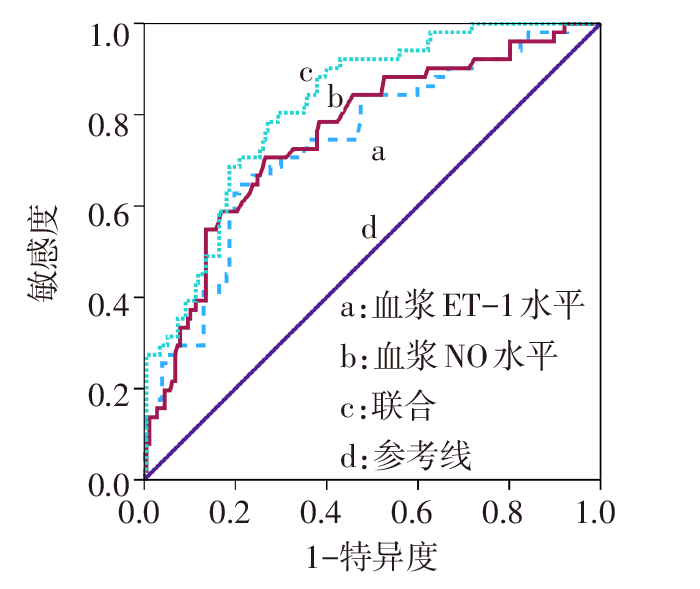
Fig.1 ROC curve for ET-1 and NO in predicting adverse maternal outcomes in patients with HDP
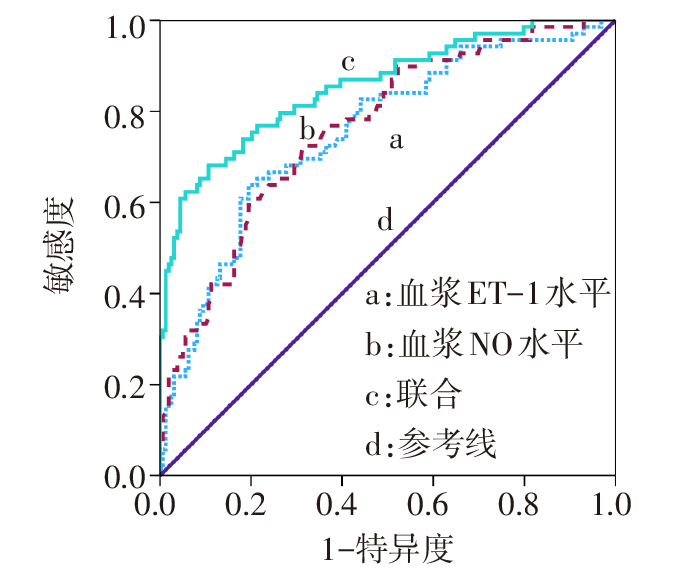
Fig.2 ROC curve for ET-1 and NO in predicting adverse neonatal outcomes in patients with HDP
| 组别 | n | 年龄/岁 | 孕前BMI/(kg/m2) | 疾病类型 | 高血压家族史 | 流产史 | |
|---|---|---|---|---|---|---|---|
| 妊娠期高血压 | 子痫前期 | ||||||
| 正常结局 | 177 | 32.01±4.31 | 24.22±2.08 | 152(85.88) | 25(14.12) | 51(28.81) | 48(27.12) |
| 不良结局 | 51 | 34.24±4.47 | 24.51±2.11 | 31(60.78) | 20(39.22) | 19(37.25) | 16(31.37) |
| t或χ2 | 3.229** | 0.875 | 15.735** | 1.326 | 0.355 | ||
| 组别 | 早产史 | 受孕方式 | 剖宫产史 | 产次 | |||
| 自然受孕 | 辅助生殖受孕 | 初产妇 | 经产妇 | ||||
| 正常结局 | 15(8.47) | 165(93.22) | 12(6.78) | 17(9.60) | 108(61.02) | 69(38.98) | |
| 不良结局 | 6(11.76) | 46(90.20) | 5(9.80) | 6(11.76) | 30(58.82) | 21(41.18) | |
| χ2 | 0.195 | 0.178 | 0.204 | 0.080 | |||
| 组别 | 蛋白尿程度 | 孕期增重在标准范围内 | |||||
| (-) | (+) | (++) | (+++) | ||||
| 正常结局 | 167(94.35) | 4(2.26) | 4(2.26) | 2(1.13) | 97(54.80) | ||
| 不良结局 | 33(64.71) | 9(17.65) | 6(11.76) | 3(5.88) | 25(49.02) | ||
| χ2或Z | 3.209* | 0.532 | |||||
Tab.5 Comparison of clinical characteristics between HDP patients with different pregnancy outcomes
| 组别 | n | 年龄/岁 | 孕前BMI/(kg/m2) | 疾病类型 | 高血压家族史 | 流产史 | |
|---|---|---|---|---|---|---|---|
| 妊娠期高血压 | 子痫前期 | ||||||
| 正常结局 | 177 | 32.01±4.31 | 24.22±2.08 | 152(85.88) | 25(14.12) | 51(28.81) | 48(27.12) |
| 不良结局 | 51 | 34.24±4.47 | 24.51±2.11 | 31(60.78) | 20(39.22) | 19(37.25) | 16(31.37) |
| t或χ2 | 3.229** | 0.875 | 15.735** | 1.326 | 0.355 | ||
| 组别 | 早产史 | 受孕方式 | 剖宫产史 | 产次 | |||
| 自然受孕 | 辅助生殖受孕 | 初产妇 | 经产妇 | ||||
| 正常结局 | 15(8.47) | 165(93.22) | 12(6.78) | 17(9.60) | 108(61.02) | 69(38.98) | |
| 不良结局 | 6(11.76) | 46(90.20) | 5(9.80) | 6(11.76) | 30(58.82) | 21(41.18) | |
| χ2 | 0.195 | 0.178 | 0.204 | 0.080 | |||
| 组别 | 蛋白尿程度 | 孕期增重在标准范围内 | |||||
| (-) | (+) | (++) | (+++) | ||||
| 正常结局 | 167(94.35) | 4(2.26) | 4(2.26) | 2(1.13) | 97(54.80) | ||
| 不良结局 | 33(64.71) | 9(17.65) | 6(11.76) | 3(5.88) | 25(49.02) | ||
| χ2或Z | 3.209* | 0.532 | |||||
| 组别 | n | 年龄/岁 | 孕前BMI/(kg/m2) | 疾病类型 | 高血压家族史 | 流产史 | ||
|---|---|---|---|---|---|---|---|---|
| 妊娠期高血压 | 子痫前期 | |||||||
| 正常结局 | 159 | 31.35±4.71 | 24.13±2.16 | 142(89.31) | 17(10.69) | 55(34.59) | 39(24.53) | |
| 不良结局 | 69 | 35.18±4.59 | 24.62±2.04 | 41(59.42) | 28(40.58) | 15(21.74) | 25(36.23) | |
| χ2或t | 5.684** | 1.600 | 27.134** | 3.736 | 3.264 | |||
| 组别 | 早产史 | 受孕方式 | 剖宫产史 | 产次 | ||||
| 自然受孕 | 辅助生殖受孕 | 初产妇 | 经产妇 | |||||
| 正常结局 | 14(8.81) | 148(93.08) | 11(6.92) | 15(9.43) | 97(61.01) | 62(38.99) | ||
| 不良结局 | 7(10.14) | 63(91.30) | 6(8.70) | 8(11.59) | 41(59.42) | 28(40.58) | ||
| χ2 | 0.103 | 0.220 | 0.248 | 0.051 | ||||
| 组别 | 蛋白尿程度 | 孕期增重在标准范围内 | ||||||
| (-) | (+) | (++) | (+++) | |||||
| 正常结局 | 153(96.23) | 3(1.89) | 2(1.26) | 1(0.63) | 96(60.38) | |||
| 不良结局 | 47(68.12) | 10(14.49) | 8(11.59) | 4(5.80) | 26(37.68) | |||
| χ2或Z | 3.384** | 9.964** | ||||||
Tab.6 Comparison of clinical characteristics between HDP patients with different neonatal outcome
| 组别 | n | 年龄/岁 | 孕前BMI/(kg/m2) | 疾病类型 | 高血压家族史 | 流产史 | ||
|---|---|---|---|---|---|---|---|---|
| 妊娠期高血压 | 子痫前期 | |||||||
| 正常结局 | 159 | 31.35±4.71 | 24.13±2.16 | 142(89.31) | 17(10.69) | 55(34.59) | 39(24.53) | |
| 不良结局 | 69 | 35.18±4.59 | 24.62±2.04 | 41(59.42) | 28(40.58) | 15(21.74) | 25(36.23) | |
| χ2或t | 5.684** | 1.600 | 27.134** | 3.736 | 3.264 | |||
| 组别 | 早产史 | 受孕方式 | 剖宫产史 | 产次 | ||||
| 自然受孕 | 辅助生殖受孕 | 初产妇 | 经产妇 | |||||
| 正常结局 | 14(8.81) | 148(93.08) | 11(6.92) | 15(9.43) | 97(61.01) | 62(38.99) | ||
| 不良结局 | 7(10.14) | 63(91.30) | 6(8.70) | 8(11.59) | 41(59.42) | 28(40.58) | ||
| χ2 | 0.103 | 0.220 | 0.248 | 0.051 | ||||
| 组别 | 蛋白尿程度 | 孕期增重在标准范围内 | ||||||
| (-) | (+) | (++) | (+++) | |||||
| 正常结局 | 153(96.23) | 3(1.89) | 2(1.26) | 1(0.63) | 96(60.38) | |||
| 不良结局 | 47(68.12) | 10(14.49) | 8(11.59) | 4(5.80) | 26(37.68) | |||
| χ2或Z | 3.384** | 9.964** | ||||||
| 母婴结局 | 因素 | β | SE | Wald χ2 | P | OR | OR 95%CI |
|---|---|---|---|---|---|---|---|
| 产妇结局 | 年龄 | 0.125 | 0.052 | 5.874 | 0.015 | 1.134 | 1.024~1.254 |
| 疾病类型 | 1.299 | 0.455 | 8.137 | 0.004 | 3.665 | 1.501~8.945 | |
| 蛋白尿程度 | 25.325 | 0.001 | |||||
| (+) | 0.568 | 0.181 | 9.818 | 0.002 | 1.764 | 1.237~2.516 | |
| (++) | 0.695 | 0.333 | 4.343 | 0.037 | 2.004 | 1.042~3.852 | |
| (+++) | 1.682 | 0.510 | 10.866 | <0.001 | 5.375 | 1.978~14.611 | |
| ET-1 | 0.094 | 0.025 | 14.146 | <0.001 | 1.098 | 1.046~1.153 | |
| NO | -1.282 | 0.282 | 20.676 | <0.001 | 0.278 | 0.160~0.482 | |
| 常数项 | -10.986 | 3.013 | 13.293 | <0.001 | 0.002 | ||
| 新生儿结局 | 年龄 | 0.256 | 0.059 | 18.705 | <0.001 | 1.292 | 1.150~1.451 |
| 疾病类型 | 2.195 | 0.597 | 13.509 | <0.001 | 8.982 | 2.786~28.955 | |
| 蛋白尿程度 | 18.426 | 0.001 | |||||
| (+) | 0.732 | 0.232 | 9.914 | 0.002 | 2.078 | 1.318~3.277 | |
| (++) | 0.741 | 0.347 | 4.563 | 0.033 | 2.097 | 1.063~4.137 | |
| (+++) | 0.890 | 0.357 | 6.194 | 0.013 | 2.434 | 1.208~4.904 | |
| 孕期增重在标准范围内 | -0.636 | 0.478 | 1.773 | 0.183 | 0.529 | 0.207~1.350 | |
| ET-1 | 0.145 | 0.031 | 21.915 | <0.001 | 1.155 | 1.088~1.228 | |
| NO | -1.726 | 0.330 | 27.333 | <0.001 | 0.178 | 0.093~0.340 | |
| 常数项 | -18.536 | 3.462 | 28.658 | <0.001 | 0.001 |
Tab.7 Influencing factors of maternal and neonatal outcomes in patients with HDP
| 母婴结局 | 因素 | β | SE | Wald χ2 | P | OR | OR 95%CI |
|---|---|---|---|---|---|---|---|
| 产妇结局 | 年龄 | 0.125 | 0.052 | 5.874 | 0.015 | 1.134 | 1.024~1.254 |
| 疾病类型 | 1.299 | 0.455 | 8.137 | 0.004 | 3.665 | 1.501~8.945 | |
| 蛋白尿程度 | 25.325 | 0.001 | |||||
| (+) | 0.568 | 0.181 | 9.818 | 0.002 | 1.764 | 1.237~2.516 | |
| (++) | 0.695 | 0.333 | 4.343 | 0.037 | 2.004 | 1.042~3.852 | |
| (+++) | 1.682 | 0.510 | 10.866 | <0.001 | 5.375 | 1.978~14.611 | |
| ET-1 | 0.094 | 0.025 | 14.146 | <0.001 | 1.098 | 1.046~1.153 | |
| NO | -1.282 | 0.282 | 20.676 | <0.001 | 0.278 | 0.160~0.482 | |
| 常数项 | -10.986 | 3.013 | 13.293 | <0.001 | 0.002 | ||
| 新生儿结局 | 年龄 | 0.256 | 0.059 | 18.705 | <0.001 | 1.292 | 1.150~1.451 |
| 疾病类型 | 2.195 | 0.597 | 13.509 | <0.001 | 8.982 | 2.786~28.955 | |
| 蛋白尿程度 | 18.426 | 0.001 | |||||
| (+) | 0.732 | 0.232 | 9.914 | 0.002 | 2.078 | 1.318~3.277 | |
| (++) | 0.741 | 0.347 | 4.563 | 0.033 | 2.097 | 1.063~4.137 | |
| (+++) | 0.890 | 0.357 | 6.194 | 0.013 | 2.434 | 1.208~4.904 | |
| 孕期增重在标准范围内 | -0.636 | 0.478 | 1.773 | 0.183 | 0.529 | 0.207~1.350 | |
| ET-1 | 0.145 | 0.031 | 21.915 | <0.001 | 1.155 | 1.088~1.228 | |
| NO | -1.726 | 0.330 | 27.333 | <0.001 | 0.178 | 0.093~0.340 | |
| 常数项 | -18.536 | 3.462 | 28.658 | <0.001 | 0.001 |
| [1] | FARAHI N, OLUYADI F, DOTSON A B. Hypertensive disorders of pregnancy[J]. Am Fam Physician, 2024, 109(3):251-260. |
| [2] | METOKI H, IWAMA N, HAMADA H, et al. Hypertensive disorders of pregnancy:definition,management,and out-of-office blood pressure measurement[J]. Hypertens Res, 2022, 45(8):1298-1309. doi:10.1038/s41440-022-00965-6. |
| [3] | PALATNIK A, KULINSKI J. Hypertensive disorders of pregnancy & vascular dysfunction[J]. Front Cardiovasc Med, 2024, 11:1411424. doi:10.3389/fcvm.2024.1411424. |
| [4] | VARGHESE B, JOY C A, JOSYULA J, et al. Machine learning-based protein signatures for differentiating hypertensive disorders of pregnancy[J]. Hypertens Res, 2023, 46(11):2513-2526. doi:10.1038/s41440-023-01348-1. |
| [5] | LI W, LIU S, LI Y, et al. Association between serum placental growth factor and vascular endothelial function in hyprtensive disorders complicating pregnancy[J]. Exp Biol Med(Maywood), 2022, 247(6):480-487. doi:10.1177/15353702211063833. |
| [6] | LIU Y, ZHOU M, CHENG H, et al. Effect of low-molecular-weight heparin calcium combined with magnesium sulfate and labetalol on coagulation,vascular endothelial function and pregnancy outcome in early-onset severe preeclampsia[J]. Eur J Clin Pharmacol, 2024, 80(10):1495-1501. doi:10.1007/s00228-024-03712-7. |
| [7] | KUMAR N R, GROBMAN W A, BARRY O, et al. Evaluating the maternal and perinatal sequelae of severe gestational hypertension[J]. Am J Obstet Gynecol MFM, 2021, 3(1):100280. doi:10.1016/j.ajogmf.2020.100280. |
| [8] | PANDA S, DAS R, SHARMA N, et al. Maternal and perinatal outcomes in hypertensive disorders of pregnancy and factors influencing it:a prospective hospital-based study in Northeast India[J]. Cureus, 2021, 13(3):e13982. doi:10.7759/cureus.13982. |
| [9] | 中华医学会妇产科学分会妊娠期高血压疾病学组. 妊娠期高血压疾病诊治指南(2020)[J]. 中华妇产科杂志, 2020, 55(4):227-238. |
| Chinese Medical Association Obstetrics and Gynecology Branch Gestational Hypertension Disease Group. Diagnosis and treatment of hypertension and pre-eclampsia in pregnancy:a clinical practice guideline in China(2020)[J]. Chinese Journal of Obstetrics and Gynecology, 2020, 55(4):227-238. doi:10.3760/cma.j.cn112141-20200114-00039. | |
| [10] | 谢幸, 孔北华, 段涛. 妇产科学[M]. 9版. 北京: 人民卫生出版社, 2018:133-141,204-223. |
| XIE X, KONG B H, DUAN T. Obstetrics and Gynecology[M]. 9th ed. Beijing: People's Medical Publishing House, 2018:133-141,204-223. | |
| [11] | ROSENBERG E A, SEELY E W. Update on preeclampsia and hypertensive disorders of pregnancy[J]. Endocrinol Metab Clin North Am, 2024, 53(3):377-389. doi:10.1016/j.ecl.2024.05.012. |
| [12] | YANG Y, XIE Y, LI M, et al. Characteristics and fetal outcomes of pregnant women with hypertensive disorders in China:a 9-year national hospital-based cohort study[J]. BMC Pregnancy Childbirth, 2022, 22(1):924. doi:10.1186/s12884-022-05260-3. |
| [13] | LI F, WANG T, CHEN L, et al. Adverse pregnancy outcomes among mothers with hypertensive disorders in pregnancy:a meta-analysis of cohort studies[J]. Pregnancy Hypertens, 2021, 24:107-117. doi:10.1016/j.preghy.2021.03.001. |
| [14] | 潘燕, 孙杨芳. logistic回归预测模型构建分析妊娠期高血压疾病患者不良分娩结局影响因素及判别模型的建立[J]. 中国妇幼保健, 2023, 38(1):85-89. |
| PAN Y, SUN Y F. Construction of logistic regression prediction model to analyze the influencing factors of adverse delivery outcomes in patients with hypertension in pregnancy and the establishment of discriminant model[J]. Chinese Journal of Maternal and Child Health, 2023, 38(1):85-89. doi:10.19829/j.zgfybj.issn.1001-4411.2023.01.023. | |
| [15] | 范秀青, 谭正良, 郭世山. 妊娠期高血压疾病患者血清β2-微球蛋白同型半胱氨酸及胎盘生长因子水平与妊娠结局的关系[J]. 中国妇幼保健, 2024, 39(18):3495-3498. |
| FAN X Q, TAN Z L, GUO S S. Relationship between serum levels of β2-microglobulin,homocysteine,and placental growth factor and pregnancy outcomes in patients with hypertensive disorders in pregnancy[J]. Chinese Journal of Maternal and Child Health, 2024, 39(18):3495-3498. doi:10.19829/j.zgfybj.issn.1001-4411.2024.18.010. | |
| [16] | LIU S, LI W, ZHANG J, et al. Clinical value of flow-mediated dilatation of brachial artery in hypertensive disorders complicating pregnancy[J]. Clin Hemorheol Microcirc, 2022, 82(3):265-274. doi:10.3233/CH-221533. |
| [17] | MISHIMA S, MITSUI T, TANI K, et al. Endothelin-1 production via placental (pro)renin receptor in a mouse model of preeclampsia[J]. Placenta, 2023, 138:44-50. doi:10.1016/j.placenta.2023.05.002. |
| [18] | 郝妍妍, 张宇, 白耀武, 等. 瑞马唑仑调控Nrf2/GPX4通路对脓毒性休克大鼠循环功能的影响[J]. 天津医药, 2025, 53(4):349-354. |
| HAO Y Y, ZHANG Y, BAI Y W, et al. Effects of remimazolam regulating the Nrf2/GPX4 pathway on circulatory function in septic shock rats[J]. Tianjin Med J, 2025, 53(4):349-354. doi:10.11958/20241809. | |
| [19] | 刘聪, 王贝贝, 高迪. 产后出血危险因素分析及NO、PLT、25(OH)D的预测价值[J]. 中国计划生育学杂志, 2024, 32(3):685-689. |
| LIU C, WANG B B, GAO D. Analysis of the risk factors of postpartum hemorrhage and the predictive values of the levels of nitric oxide,platelet count and 25 hydroxyvitamin D[J]. Chinese Journal of Family Planning, 2024, 32(3):685-689. doi:10.3969/j.issn.1004-8189.2024.03.042. | |
| [20] | LAN Q, LIU S, HE Q, et al. Changes of maternal carotid artery elasticity in patients with pregnancy concurred with hypertension[J]. Arch Gynecol Obstet, 2025, 311(3):731-740. doi:10.1007/s00404-025-07941-8. |
| [21] | SYLVAIN M H, NYABYENDA E C, UWASE M, et al. Prediction of adverse pregnancy outcomes using machine learning techniques:evidence from analysis of electronic medical records data in Rwanda[J]. BMC Med Inform Decis Mak, 2025, 25(1):76. doi:10.1186/s12911-025-02921-z. |
| [22] | FAHAD ALHASSON H, ELHAG N, SALEEM ALHARBI S, et al. Application of machine learning in identifying risk factors for low APGAR scores[J]. BMC Pregnancy Childbirth, 2025, 25(1):548. doi:10.1186/s12884-025-07677-y. |
| [23] | YAN M, WANG J, LI L. The correlation between uric acid,urinary protein and umbilical artery blood flow related parameters and maternal and infant prognosis in patients with gestational hypertension[J]. J Inflamm Res, 2024, 17:10651-10661. doi:10.2147/JIR.S476334. |
| Viewed | ||||||
|
Full text |
|
|||||
|
Abstract |
|
|||||
