
Tianjin Medical Journal ›› 2026, Vol. 54 ›› Issue (3): 225-231.doi: 10.11958/20252591
• Cell and Molecular Biology • Next Articles
JIANG Tianyou( ), LI Min, SUN Biwen, LI Yueyang, XING Lijing, TIAN Chen△()
Received:2025-07-25
Revised:2025-11-10
Published:2026-03-15
Online:2026-03-17
Contact:
E-mail:JIANG Tianyou, LI Min, SUN Biwen, LI Yueyang, XING Lijing, TIAN Chen. Let-7b inhibits the development of AML through inducing repolarization of leukemia-associated macrophages[J]. Tianjin Medical Journal, 2026, 54(3): 225-231.
CLC Number:
| 基因名称 | 引物序列(5'→3') | 产物大小/bp |
|---|---|---|
| let-7b | 上游:CTGAGTGAGGTAGTAGGTTGTAT | 127 |
| 下游:CCCTCTACACTCTTTCTCTCCAT | ||
| let-7e | 上游:CGGGCTGAGGTAGTAGGTTGT | 89 |
| 下游:GTGCAGGGTCCGAGGTATTC | ||
| let-7i | 上游:GCTGAGGTAGTAGTTTGTGCTG | 95 |
| 下游:TGCGCTGTGGAATGTAAGCTA | ||
| miR146 | 上游:TGCCTTCAGTGCGTTACCCAGA | 120 |
| 下游:GTGCAGGGTCCGAGGTATTC | ||
| miR105 | 上游:GCGCTGTGTCCTGGAGTTTGA | 98 |
| 下游:GTGCAGGGTCCGAGGTATT | ||
| miR223 | 上游:GCCCTGTGTTGGAGCTGG | 85 |
| 下游:TCCAGTTTTTCAACATATCCAC | ||
| miR147 | 上游:CTGTGCCCTGGTGCTGTCT | 121 |
| 下游:GGTCCGAGGTATTCGCACTG | ||
| TLR1 | 上游:TCTGCCGGACGGTTGTCTG | 100 |
| 下游:AGCTGTGCATCACGGAACCTC | ||
| TLR2 | 上游:GGTGCGGACTGTTTCCTTCT | 102 |
| 下游:CCGGTGATGCAATTCGGATG | ||
| TLR4 | 上游:ACTGTTCTTCTCCTGCCTGAC | 103 |
| 下游:AGGGACTTTGCTGAGTTTCTGAT | ||
| TLR5 | 上游:CCTGGAGCCGAGTGAGAAAT | 90 |
| 下游:TGACGATCCTGGGGTGTTTG | ||
| TLR6 | 上游:TCGGAGAAGGAAGTCTTGAGC | 145 |
| 下游:TATTAAGGCCAGGGCGCAAA | ||
| TLR10 | 上游:GCCAATTCTGACCGTGTCAAC | 83 |
| 下游:ATGAGCTCAAAACCCCCACG | ||
| TLR11 | 上游:CCAGGCTACGTGTGCTAGAG | 146 |
| 下游:GCTGGACACAGAGAGGTTCC | ||
| TLR12 | 上游:GCTCCGGCAGTATTGTTCCT | 131 |
| 下游:CCGCCGCTTATAGTCAAGGT | ||
| LR13 | 上游:GCGTTTGTCTCTTTCTCGGC | 124 |
| 下游:TGCCTGGTTCAAAATCCCGT | ||
| IKBKG | 上游:CAAGTCACCCAAGGGAGGTG | 83 |
| 下游:GTGGAGACCAGACTTGGACC | ||
| CARD9 | 上游:CGAGAACTACCGCAGGAAGC | 82 |
| 下游:TGTCGTATTCCCGCGATCC | ||
| CARD11 | 上游:CAAGGGGCACGAAGAGGATT | 96 |
| 下游:CTCCGATGGGGTTGCATCTT | ||
| CARD14 | 上游:CTGGTGTAGGAGTAAGCCCG | 81 |
| 下游:CTCAAAGTCCAGCGCCAAAG | ||
| IKBKA | 上游:GTTCTGCCCGCTCTCTTGTA | 111 |
| 下游:TCACACATGTCAGAGGATGTTCA | ||
| IKBKB | 上游:CTGTGCACGTCATTTGTGGG | 81 |
| 下游:GTCAACGGTCACGGTGTACT | ||
| caspase8 | 上游:TCTCACACGGAGAGAAGGGC | 83 |
| 下游:TCCGGCAAAAGGCAAAGTGA | ||
| RELA | 上游:CTTTACTTTAGCGCGCCGTG | 147 |
| 下游:TGCTTCGGCTGTTCGATGAT | ||
| RELB | 上游:CGGTCAACGTGTTCTTGCAG | 112 |
| 下游:CGCTTTCGCTTCTTGTCCAC | ||
| ICAM3 | 上游:CCAGAACCCTGTGCTCTCTG | 144 |
| 下游:CTGAGATTGAAGGCTGCCCA | ||
| EGLN3 | 上游:AAGGAGCGGTCCAAGGCAAT | 95 |
| 下游:ATACAGCGGCCATCACCATT | ||
| INHBA | 上游:AAATCAGAACGCCTCCGCTA | 92 |
| 下游:TCCCGAGTGTAGAGTTCGGT | ||
| MMP12 | 上游:AGGCACAGGACACCTATAAACT | 96 |
| 下游:GTCATTCATGGGAGCAGCCC | ||
| CLEC5A | 上游:GGCACATGATCATCTCGGGG | 114 |
| 下游:TGGGGACGAAGCCATCATTAC | ||
| TNF-α | 上游:GATCGGTCCCCAAAGGGATG | 92 |
| 下游:CCACTTGGTGGTTTGTGAGTG | ||
| IL6 | 上游:TGGTCTTCTGGAGTACCATAGC | 140 |
| 下游:TGTGACTCCAGTTATCTCTTGG | ||
| NOS2 | 上游:CAACAGGGAGAAAGCGCAAA | 125 |
| 下游:ATTCTGTGCTGTCCCAGTGAG | ||
| CCR7 | 上游:ATTCTGTGCTGTCCCAGTGAG | 135 |
| 下游:GGCAGGAACCAGGCCTTAAA | ||
| ALDH2 | 上游:TGGCACTGTGTGGTAAGAGC | 90 |
| 下游:TCTCCGGCATAGGAGAACCA | ||
| FRB | 上游:CCGCTACTGTGTCTTGGCAT | 118 |
| 下游:CAGCTCGCGGATCTCAAAGA | ||
| STAB1 | 上游:ACGTCATCGTGTGGGACATC | 131 |
| 下游:AACCCCCAAGCTTAATGCCA | ||
| CCL2 | 上游:TGACCCCAAGAAGGAATGGG | 104 |
| 下游:ACCTTAGGGCAGATGCAGTT | ||
| Arg1 | 上游:ACATTGGCTTGCGAGACGTA | 109 |
| 下游:ATCACCTTGCCAATCCCCAG | ||
| Mgl1 | 上游:ATCAGAGAGGATTTGGCCGC | 122 |
| 下游:AGGAAGATCGGTGTCGCTTG |
Tab.1 Primer sequence
| 基因名称 | 引物序列(5'→3') | 产物大小/bp |
|---|---|---|
| let-7b | 上游:CTGAGTGAGGTAGTAGGTTGTAT | 127 |
| 下游:CCCTCTACACTCTTTCTCTCCAT | ||
| let-7e | 上游:CGGGCTGAGGTAGTAGGTTGT | 89 |
| 下游:GTGCAGGGTCCGAGGTATTC | ||
| let-7i | 上游:GCTGAGGTAGTAGTTTGTGCTG | 95 |
| 下游:TGCGCTGTGGAATGTAAGCTA | ||
| miR146 | 上游:TGCCTTCAGTGCGTTACCCAGA | 120 |
| 下游:GTGCAGGGTCCGAGGTATTC | ||
| miR105 | 上游:GCGCTGTGTCCTGGAGTTTGA | 98 |
| 下游:GTGCAGGGTCCGAGGTATT | ||
| miR223 | 上游:GCCCTGTGTTGGAGCTGG | 85 |
| 下游:TCCAGTTTTTCAACATATCCAC | ||
| miR147 | 上游:CTGTGCCCTGGTGCTGTCT | 121 |
| 下游:GGTCCGAGGTATTCGCACTG | ||
| TLR1 | 上游:TCTGCCGGACGGTTGTCTG | 100 |
| 下游:AGCTGTGCATCACGGAACCTC | ||
| TLR2 | 上游:GGTGCGGACTGTTTCCTTCT | 102 |
| 下游:CCGGTGATGCAATTCGGATG | ||
| TLR4 | 上游:ACTGTTCTTCTCCTGCCTGAC | 103 |
| 下游:AGGGACTTTGCTGAGTTTCTGAT | ||
| TLR5 | 上游:CCTGGAGCCGAGTGAGAAAT | 90 |
| 下游:TGACGATCCTGGGGTGTTTG | ||
| TLR6 | 上游:TCGGAGAAGGAAGTCTTGAGC | 145 |
| 下游:TATTAAGGCCAGGGCGCAAA | ||
| TLR10 | 上游:GCCAATTCTGACCGTGTCAAC | 83 |
| 下游:ATGAGCTCAAAACCCCCACG | ||
| TLR11 | 上游:CCAGGCTACGTGTGCTAGAG | 146 |
| 下游:GCTGGACACAGAGAGGTTCC | ||
| TLR12 | 上游:GCTCCGGCAGTATTGTTCCT | 131 |
| 下游:CCGCCGCTTATAGTCAAGGT | ||
| LR13 | 上游:GCGTTTGTCTCTTTCTCGGC | 124 |
| 下游:TGCCTGGTTCAAAATCCCGT | ||
| IKBKG | 上游:CAAGTCACCCAAGGGAGGTG | 83 |
| 下游:GTGGAGACCAGACTTGGACC | ||
| CARD9 | 上游:CGAGAACTACCGCAGGAAGC | 82 |
| 下游:TGTCGTATTCCCGCGATCC | ||
| CARD11 | 上游:CAAGGGGCACGAAGAGGATT | 96 |
| 下游:CTCCGATGGGGTTGCATCTT | ||
| CARD14 | 上游:CTGGTGTAGGAGTAAGCCCG | 81 |
| 下游:CTCAAAGTCCAGCGCCAAAG | ||
| IKBKA | 上游:GTTCTGCCCGCTCTCTTGTA | 111 |
| 下游:TCACACATGTCAGAGGATGTTCA | ||
| IKBKB | 上游:CTGTGCACGTCATTTGTGGG | 81 |
| 下游:GTCAACGGTCACGGTGTACT | ||
| caspase8 | 上游:TCTCACACGGAGAGAAGGGC | 83 |
| 下游:TCCGGCAAAAGGCAAAGTGA | ||
| RELA | 上游:CTTTACTTTAGCGCGCCGTG | 147 |
| 下游:TGCTTCGGCTGTTCGATGAT | ||
| RELB | 上游:CGGTCAACGTGTTCTTGCAG | 112 |
| 下游:CGCTTTCGCTTCTTGTCCAC | ||
| ICAM3 | 上游:CCAGAACCCTGTGCTCTCTG | 144 |
| 下游:CTGAGATTGAAGGCTGCCCA | ||
| EGLN3 | 上游:AAGGAGCGGTCCAAGGCAAT | 95 |
| 下游:ATACAGCGGCCATCACCATT | ||
| INHBA | 上游:AAATCAGAACGCCTCCGCTA | 92 |
| 下游:TCCCGAGTGTAGAGTTCGGT | ||
| MMP12 | 上游:AGGCACAGGACACCTATAAACT | 96 |
| 下游:GTCATTCATGGGAGCAGCCC | ||
| CLEC5A | 上游:GGCACATGATCATCTCGGGG | 114 |
| 下游:TGGGGACGAAGCCATCATTAC | ||
| TNF-α | 上游:GATCGGTCCCCAAAGGGATG | 92 |
| 下游:CCACTTGGTGGTTTGTGAGTG | ||
| IL6 | 上游:TGGTCTTCTGGAGTACCATAGC | 140 |
| 下游:TGTGACTCCAGTTATCTCTTGG | ||
| NOS2 | 上游:CAACAGGGAGAAAGCGCAAA | 125 |
| 下游:ATTCTGTGCTGTCCCAGTGAG | ||
| CCR7 | 上游:ATTCTGTGCTGTCCCAGTGAG | 135 |
| 下游:GGCAGGAACCAGGCCTTAAA | ||
| ALDH2 | 上游:TGGCACTGTGTGGTAAGAGC | 90 |
| 下游:TCTCCGGCATAGGAGAACCA | ||
| FRB | 上游:CCGCTACTGTGTCTTGGCAT | 118 |
| 下游:CAGCTCGCGGATCTCAAAGA | ||
| STAB1 | 上游:ACGTCATCGTGTGGGACATC | 131 |
| 下游:AACCCCCAAGCTTAATGCCA | ||
| CCL2 | 上游:TGACCCCAAGAAGGAATGGG | 104 |
| 下游:ACCTTAGGGCAGATGCAGTT | ||
| Arg1 | 上游:ACATTGGCTTGCGAGACGTA | 109 |
| 下游:ATCACCTTGCCAATCCCCAG | ||
| Mgl1 | 上游:ATCAGAGAGGATTTGGCCGC | 122 |
| 下游:AGGAAGATCGGTGTCGCTTG |
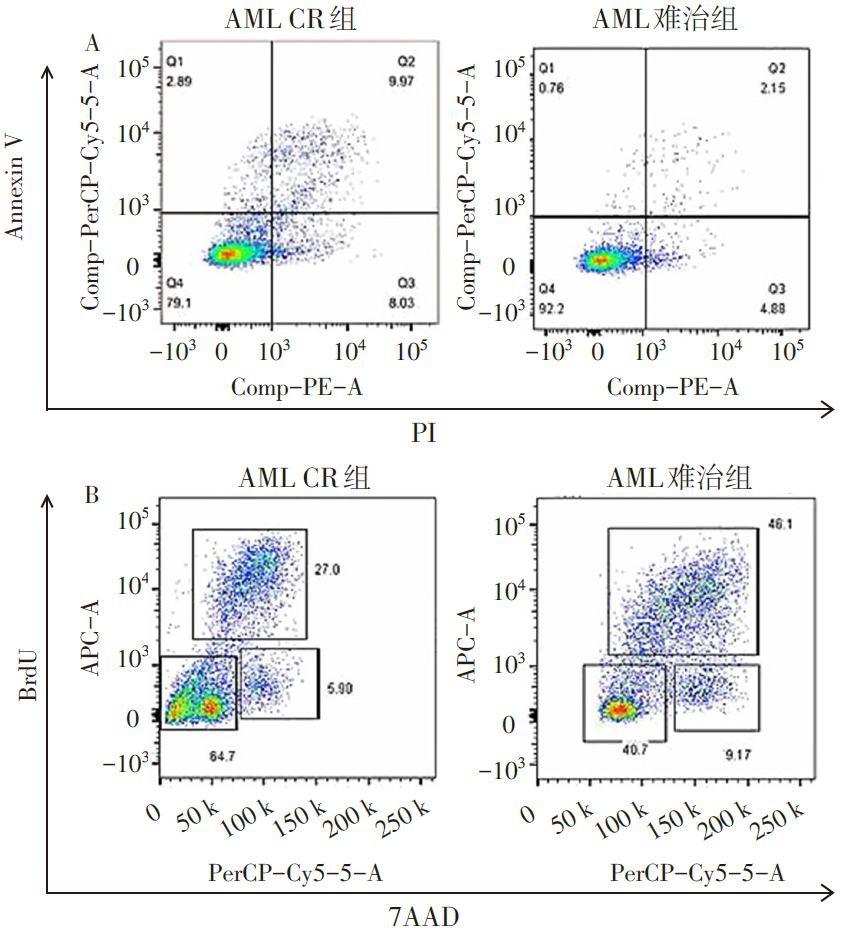
Fig.1 Comparison of apoptosis rates and S-phase proportion of LAM in AML mice between the CR group and the refractory group
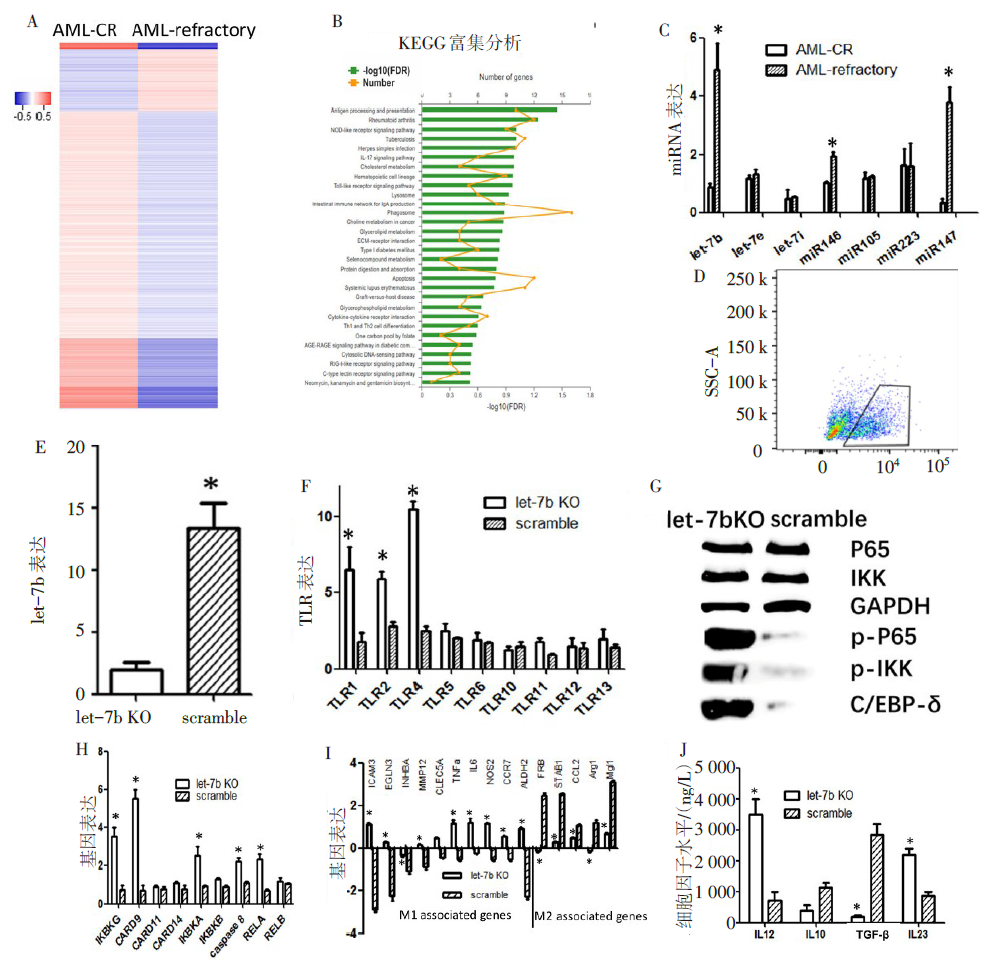
Fig.2 Let-7b knockdown promoted the transformation of LAMs into M1 subtype with activation of TLRs and NF-κB pathways
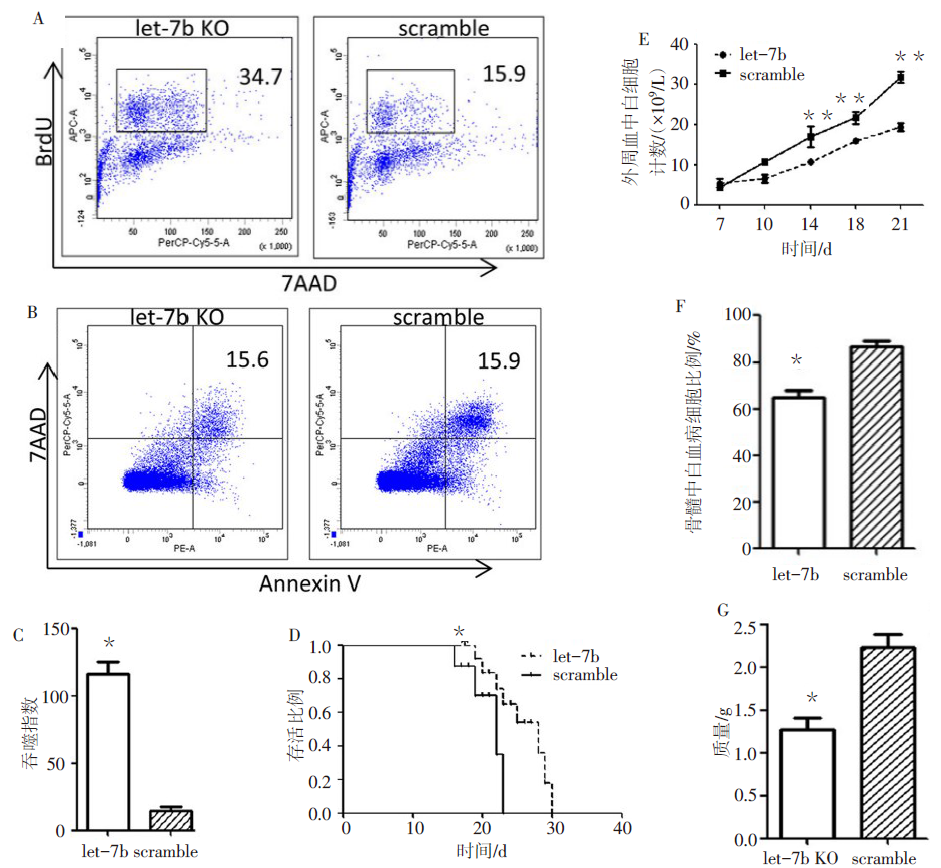
Fig.3 The effect of interference with let-7b in LAM on the survival of AML mice
| [1] | INDINO S, BORZI C, MOSCHENI C, et al. The educational program of macrophages toward a hyperprogressive disease-related phenotype is orchestrated by tumor-derived extracellular vesicles[J]. Int J Mol Sci, 2022, 23(24):15802. doi:10.3390/ijms232415802. |
| [2] | NASIR I, MCGUINNESS C, POH A R, et al. Tumor macrophage functional heterogeneity can inform the development of novel cancer therapies[J]. Trends Immunol, 2023, 44(12):971-985. doi:10.1016/j.it.2023.10.007. |
| [3] | LI M, YANG Y, XIONG L, et al. Metabolism,metabolites,and macrophages in cancer[J]. J Hematol Oncol, 2023, 16(1):80. doi:10.1186/s13045-023-01478-6. |
| [4] | LAZAROV T, JUAREZ-CARREÑO S, COX N, et al. Physiology and diseases of tissue-resident macrophages[J]. Nature, 2023, 618(7966):698-707. doi:10.1038/s41586-023-06002-x. |
| [5] | LI M, HUANG X, WEN J, et al. Comprehensive characterization of glucomannans from different sources to trigger moderate macrophages immune activation[J]. Carbohydr Polym, 2022, 296:119933. doi:10.1016/j.carbpol.2022.119933. |
| [6] | AO J Y, ZHU X D, CHAI Z T, et al. Colony-stimulating factor 1 receptor blockade inhibits tumor growth by altering the polarization of tumor-associated macrophages in hepatocellular carcinoma[J]. Mol Cancer Ther, 2017, 16(8):1544-1554. doi:10.1158/1535-7163.MCT-16-0866. |
| [7] | EDIN S, WIKBERG M L, DAHLIN A M, et al. The distribution of macrophages with a M1 or M2 phenotype in relation to prognosis and the molecular characteristics of colorectal cancer[J]. PLoS One, 2012, 7(10):e47045. doi:10.1371/journal.pone.0047045. |
| [8] | CHEN X, YANG Y, YE G, et al. Chiral ruthenium nanozymes with self-cascade reaction driven the NO generation induced macrophage M1 polarization realizing the lung cancer "cocktail therapy"[J]. Small, 2023, 19(28):e2207823. doi:10.1002/smll.202207823. |
| [9] | DONG T, CHEN X, XU H, et al. Mitochondrial metabolism mediated macrophage polarization in chronic lung diseases[J]. Pharmacol Ther, 2022, 239:108208. doi:10.1016/j.pharmthera.2022.108208. |
| [10] | MÜLLER A K, KÖHLER U A, TRZEBANSKI S, et al. Mouse modeling dissecting macrophage-breast cancer communication uncovered roles of PYK2 in macrophage recruitment and breast tumorigenesis[J]. Adv Sci (Weinh), 2022, 9(9):e2105696. doi:10.1002/advs.202105696. |
| [11] | 刘淑娟, 刘梦莹, 苏乌云, 等. 肿瘤相关巨噬细胞通过激活IGF-1R信号通路诱导三阴性乳腺癌细胞对白蛋白紫杉醇耐药的研究[J]. 天津医药, 2023, 51(11):1158-1163. |
| LIU S J, LIU M Y, SU W Y, et al. Investigation on the determination of tumor-associated macrophages inducing the drug resistance of albumin-bound paclitaxel in triple-negative breast cancer cells by activating IGF-1R signaling pathway[J]. Tianjin Med J, 2023, 51(11):1158-1163. doi:10.11958/20230438. | |
| [12] | KHAN F, PANG L, DUNTERMAN M, et al. Macrophages and microglia in glioblastoma:heterogeneity,plasticity,and therapy[J]. J Clin Invest, 2023, 133(1):e163446. doi:10.1172/JCI163446. |
| [13] | 郝成飞, 陈国杉, 张西波, 等. 肿瘤相关巨噬细胞的研究进展[J]. 天津医药, 2025, 53(1):108-112. |
| HAO C F, CHEN G S, ZHANG X B, et al. A review of the research progress on tumor-associated macrophages[J]. Tianjin Med J, 2025, 53(1):108-112. doi:10.11958/20241415. | |
| [14] | LI W, WANG F, GUO R, et al. Targeting macrophages in hematological malignancies:recent advances and future directions[J]. J Hematol Oncol, 2022, 15(1):110. doi:10.1186/s13045-022-01328-x. |
| [15] | BRAUNECK F, FISCHER B, WITT M, et al. TIGIT blockade repolarizes AML-associated TIGIT+ M2 macrophages to an M1 phenotype and increases CD47-mediated phagocytosis[J]. J Immunother Cancer, 2022, 10(12):e004794. doi:10.1136/jitc-2022-004794. |
| [16] | GAO J, LIANG Y, WANG L. Shaping polarization of tumor-associated macrophages in cancer immunotherapy[J]. Front Immunol, 2022, 13:888713. doi:10.3389/fimmu.2022.888713. |
| [17] | ZHANG H, LIU L, LIU J, et al. Roles of tumor-associated macrophages in anti-PD-1/PD-L1 immunotherapy for solid cancers[J]. Mol Cancer, 2023, 22(1):58. doi:10.1186/s12943-023-01725-x. |
| [18] | WEINHÄUSER I, PEREIRA-MARTINS D A, ALMEIDA L Y, et al. M2 macrophages drive leukemic transformation by imposing resistance to phagocytosis and improving mitochondrial metabolism[J]. Sci Adv, 2023, 9(15):eadf8522. doi:10.1126/sciadv.adf8522. |
| [19] | AL-MATARY Y S, BOTEZATU L, OPALKA B, et al. Acute myeloid leukemia cells polarize macrophages towards a leukemia supporting state in a growth factor independence 1 dependent manner[J]. Haematologica, 2016, 101(10):1216-1227. doi:10.3324/haematol.2016.143180. |
| [20] | WANG Z, XU L, HU Y, et al. miRNA let-7b modulates macrophage polarization and enhances tumor-associated macrophages to promote angiogenesis and mobility in prostate cancer[J]. Sci Rep, 2016,6:25602. doi:10.1038/srep25602. |
| Viewed | ||||||
|
Full text |
|
|||||
|
Abstract |
|
|||||
