
Tianjin Medical Journal ›› 2025, Vol. 53 ›› Issue (11): 1145-1151.doi: 10.11958/20251448
• Clinical Research • Previous Articles Next Articles
ZHENG Tongtong1( ), WANG Min2, SHAN Qi3, LI Minghang3, BAI Yazhen4, FU Qizhi3△()
Received:2025-04-18
Revised:2025-08-10
Published:2025-11-15
Online:2025-11-19
Contact:
△E-mail:ZHENG Tongtong, WANG Min, SHAN Qi, LI Minghang, BAI Yazhen, FU Qizhi. Analysis of microbial community composition of lower respiratory tract in patients with severe hospital-acquired pneumonia in critical care[J]. Tianjin Medical Journal, 2025, 53(11): 1145-1151.
CLC Number:
| 组别 | n | Shannon指数 | Simpson指数 | Richness指数 | Chao1指数 | |
|---|---|---|---|---|---|---|
| 青年组 | 7 | 1.57(1.52,1.71) | 0.70(0.68,0.73) | 14.00(12.00,14.50) | 14.00(12.50,14.75) | |
| 中年组 | 12 | 0.58(0.29,0.85)a | 0.29(0.10,0.51)a | 11.50(9.75,12.50) | 12.00(9.88,16.25) | |
| 老年组 | 65 | 1.21(0.71,1.74)b | 0.58(0.30,0.77) | 12.00(11.00,13.00) | 12.50(11.00,14.00) | |
| H | 6.791* | 5.208* | 2.113 | 0.687 | ||
| 非吸烟组 | 70 | 1.13(0.62,1.70) | 0.57(0.29,0.75) | 12.00(11.00,13.00) | 12.75(11.00,14.00) | |
| 吸烟组 | 14 | 1.19(0.56,1.71) | 0.61(0.25,0.72) | 12.00(9.25,14.75) | 12.50(9.25,15.00) | |
| U | 459.000 | 448.000 | 473.000 | 485.000 | ||
| 无脑卒中组 | 59 | 1.51(0.75,1.77) | 0.66(0.35,0.77) | 12.00(10.00,14.00) | 13.00(11.00,15.00) | |
| 合并脑卒中组 | 25 | 0.72(0.48,1.26) | 0.36(0.22.0.64) | 12.00(11.00,13.00) | 12.00(11.00,14.00) | |
| U | 518.000* | 509.000* | 701.000 | 645.000 | ||
| 无糖尿病组 | 47 | 1.53(0.58,1.77) | 0.69(0.29,0.78) | 12.00(11.00,13.00) | 12.33(11.00,15.00) | |
| 合并糖尿病组 | 37 | 1.04(0.60,1.54) | 0.43(0.28,0.72) | 12.00(10.00,14.00) | 13.00(11.00,14.00) | |
| U | 723.000 | 728.000 | 923.500 | 860.500 | ||
| 无慢性肺病组 | 62 | 1.23(0.58,1.77) | 0.61(0.29,0.77) | 12.00(10.25,13.75) | 12.00(11.00,14.00) | |
| 合并慢性肺病组 | 22 | 1.00(0.71,1.52) | 0.50(0.29,0.71) | 12.00(10.25,13.75) | 13.25(12.00,15.00) | |
| U | 584.000 | 595.000 | 678.000 | 822.000 | ||
| 未行人工气道治疗组 | 28 | 1.60(1.13,1.99) | 0.71(0.53,0.82) | 13.00(12.00,15.00) | 14.00(13.00,15.00) | |
| 人工气道治疗≤3 d组 | 34 | 1.16(0.44,1.70)c | 0.54(0.18,0.77)c | 11.00(9.00,12.00)c | 12.00(10.00,13.00)c | |
| 人工气道治疗>3 d组 | 22 | 0.72(0.25,1.03)cd | 0.37(0.10,0.55)cd | 12.00(10.25,12.75)cd | 12.00(10.25,14.75) | |
| H | 17.568** | 14.504** | 11.401** | 10.193** | ||
Tab.1 Comparison of lower respiratory tract microbial diversity between different groups of patients
| 组别 | n | Shannon指数 | Simpson指数 | Richness指数 | Chao1指数 | |
|---|---|---|---|---|---|---|
| 青年组 | 7 | 1.57(1.52,1.71) | 0.70(0.68,0.73) | 14.00(12.00,14.50) | 14.00(12.50,14.75) | |
| 中年组 | 12 | 0.58(0.29,0.85)a | 0.29(0.10,0.51)a | 11.50(9.75,12.50) | 12.00(9.88,16.25) | |
| 老年组 | 65 | 1.21(0.71,1.74)b | 0.58(0.30,0.77) | 12.00(11.00,13.00) | 12.50(11.00,14.00) | |
| H | 6.791* | 5.208* | 2.113 | 0.687 | ||
| 非吸烟组 | 70 | 1.13(0.62,1.70) | 0.57(0.29,0.75) | 12.00(11.00,13.00) | 12.75(11.00,14.00) | |
| 吸烟组 | 14 | 1.19(0.56,1.71) | 0.61(0.25,0.72) | 12.00(9.25,14.75) | 12.50(9.25,15.00) | |
| U | 459.000 | 448.000 | 473.000 | 485.000 | ||
| 无脑卒中组 | 59 | 1.51(0.75,1.77) | 0.66(0.35,0.77) | 12.00(10.00,14.00) | 13.00(11.00,15.00) | |
| 合并脑卒中组 | 25 | 0.72(0.48,1.26) | 0.36(0.22.0.64) | 12.00(11.00,13.00) | 12.00(11.00,14.00) | |
| U | 518.000* | 509.000* | 701.000 | 645.000 | ||
| 无糖尿病组 | 47 | 1.53(0.58,1.77) | 0.69(0.29,0.78) | 12.00(11.00,13.00) | 12.33(11.00,15.00) | |
| 合并糖尿病组 | 37 | 1.04(0.60,1.54) | 0.43(0.28,0.72) | 12.00(10.00,14.00) | 13.00(11.00,14.00) | |
| U | 723.000 | 728.000 | 923.500 | 860.500 | ||
| 无慢性肺病组 | 62 | 1.23(0.58,1.77) | 0.61(0.29,0.77) | 12.00(10.25,13.75) | 12.00(11.00,14.00) | |
| 合并慢性肺病组 | 22 | 1.00(0.71,1.52) | 0.50(0.29,0.71) | 12.00(10.25,13.75) | 13.25(12.00,15.00) | |
| U | 584.000 | 595.000 | 678.000 | 822.000 | ||
| 未行人工气道治疗组 | 28 | 1.60(1.13,1.99) | 0.71(0.53,0.82) | 13.00(12.00,15.00) | 14.00(13.00,15.00) | |
| 人工气道治疗≤3 d组 | 34 | 1.16(0.44,1.70)c | 0.54(0.18,0.77)c | 11.00(9.00,12.00)c | 12.00(10.00,13.00)c | |
| 人工气道治疗>3 d组 | 22 | 0.72(0.25,1.03)cd | 0.37(0.10,0.55)cd | 12.00(10.25,12.75)cd | 12.00(10.25,14.75) | |
| H | 17.568** | 14.504** | 11.401** | 10.193** | ||
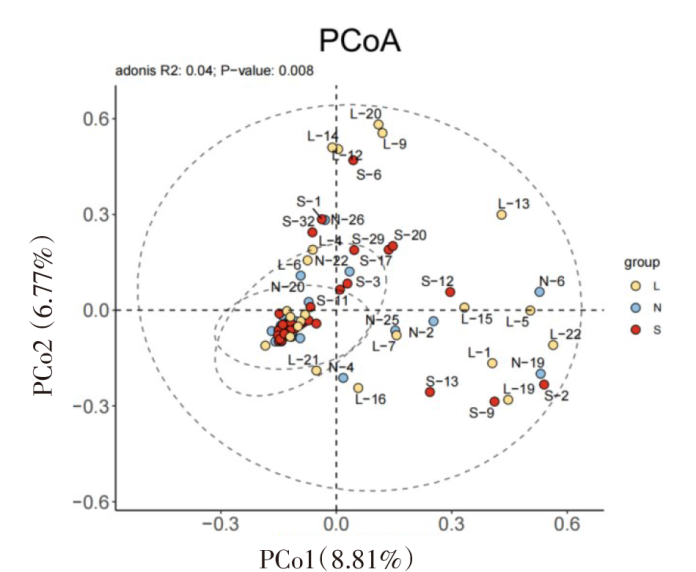
Fig.1 Principal coordinate analysis of artificial airway treatment groups

Fig.2 Hierarchical stacked bar chart of microbial composition in different groups of patients
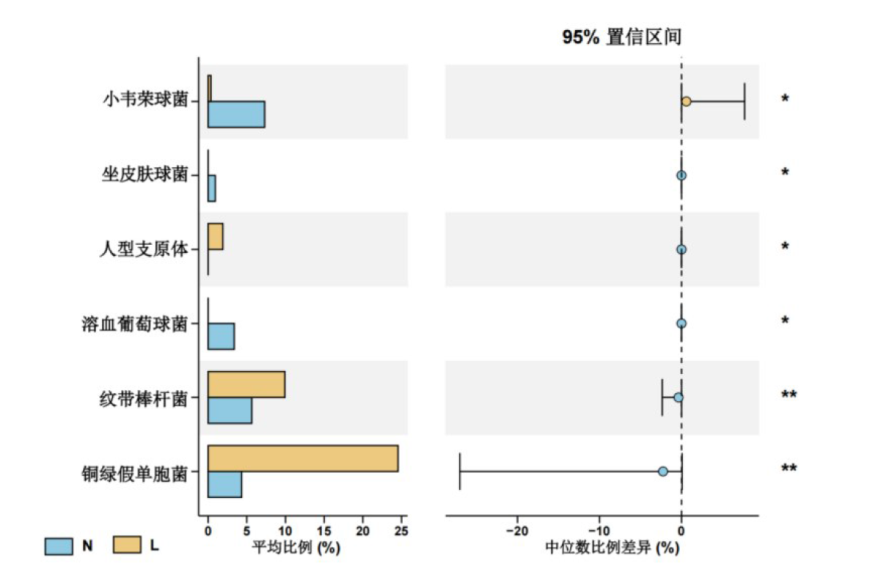
Fig.3 Microbial analysis of the differences between the group without artificial airway treatment and the group with artificial airway treatment for more than 3 days
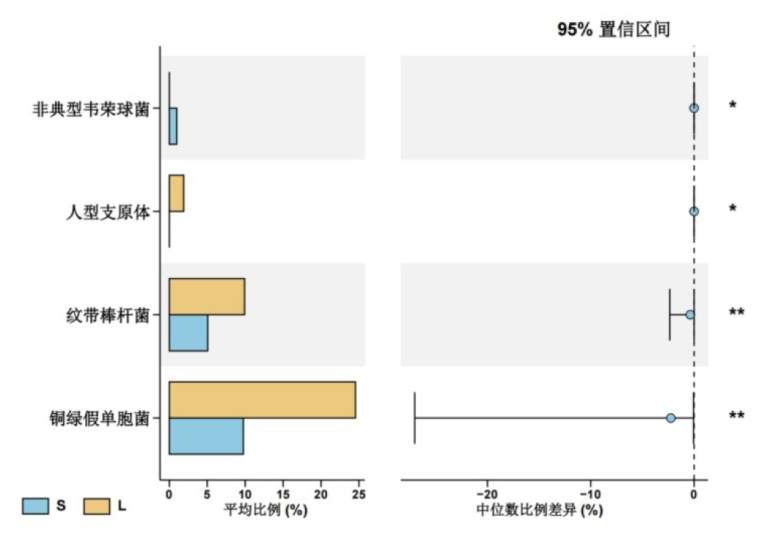
Fig.4 Microbial analysis of the differences between the group treated with artificial airway for ≤ 3 days and the group treated with artificial airway for > 3 days
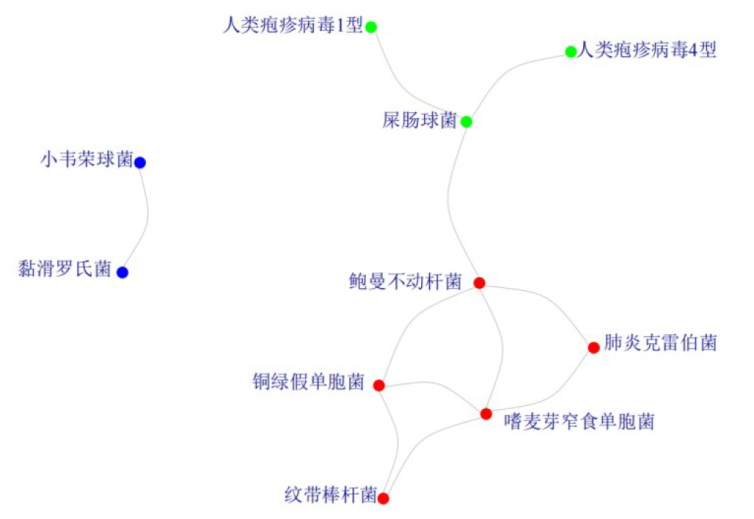
Fig.5 Microbial network co-occurrence graph
| [1] | GBD 2019 Diseases and Injuries Collaborators. Global burden of 369 diseases and injuries in 204 countries and territories,1990-2019:a systematic analysis for the Global Burden of Disease Study 2019[J]. Lancet, 2020, 396(10258):1204-1222. doi:10.1016/S0140-6736(20)30925-9. |
| [2] | KALIL A C, METERSKY M L, KLOMPAS M, et al. Management of adults with hospital-acquired and ventilator-associated pneumonia: 2016 clinical practice guidelines by the infectious diseases society of America and the American Thoracic Society[J]. Clin Infect Dis, 2016, 63(5):e61-e111. doi:10.1093/cid/ciw353. |
| [3] | TORRES A, NIEDERMAN M S, CHASTRE J, et al. International ERS/ESICM/ESCMID/ALAT guidelines for the management of hospital-acquired pneumonia and ventilator-associated pneumonia: Guidelines for the management of hospital-acquired pneumonia(HAP)/ventilator-associated pneumonia(VAP)of the European Respiratory Society (ERS),European Society of Intensive Care Medicine(ESICM),European Society of Clinical Microbiology and Infectious Diseases(ESCMID)and Asociación Latinoamericana del Tórax(ALAT)[J]. Eur Respir J, 2017, 50(3):1700582. doi:10.1183/13993003.00582-2017. |
| [4] | MEHTA A B, SYEDA S N, WIENER R S, et al. Epidemiological trends in invasive mechanical ventilation in the United States: A population-based study[J]. J Crit Care, 2015, 30(6):1217-1221. doi:10.1016/j.jcrc.2015.07.007. |
| [5] | IBN SAIED W, MOURVILLIER B, COHEN Y, et al. A Comparison of the mortality risk associated with ventilator-acquired bacterial pneumonia and nonventilator ICU-acquired bacterial pneumonia[J]. Crit Care Med, 2019, 47(3):345-352. doi:10.1097/CCM.0000000000003553. |
| [6] | 刘又宁, 曹彬, 王辉, 等. 中国九城市成人医院获得性肺炎微生物学与临床特点调查[J]. 中华结核和呼吸杂志, 2012, 35(10):739-746. |
| LIU Y N, CAO B, WANG H, et al. Microbiological and clinical features of hospital-acquired pneumonia in adults from nine cities of China[J]. Chinese Journal of Tuberculosis and Respiratory Diseases, 2012, 35(10):739-746. doi:10.3760/cma.j.issn.1001-0939.2012.10.009. | |
| [7] | METLAY J P, WATERER G W, LONG A C, et al. Diagnosis and treatment of adults with community-acquired pneumonia. an official clinical practice guideline of the American Thoracic Society and Infectious Diseases Society of America[J]. Am J Respir Crit Care Med, 2019, 200(7):e45-e67. doi:10.1164/rccm.201908-1581ST. |
| [8] | ZHOU Y, LIU M, YANG J. Recovering metagenome-assembled genomes from shotgun metagenomic sequencing data: Methods, applications, challenges, and opportunities[J]. Microbiol Res, 2022, 260:127023. doi:10.1016/j.micres.2022.127023. |
| [9] | JIN X, LI J, SHAO M, et al. Improving suspected pulmonary infection diagnosis by bronchoalveolar lavage fluid metagenomic next-generation sequencing:a multicenter retrospective study[J]. Microbiol Spectr, 2022, 10(4):e0247321. doi:10.1128/spectrum.02473-21. |
| [10] | XU J, ZHOU P, LIU J, et al. Utilizing metagenomic next-generation sequencing (mNGS) for rapid pathogen identification and to inform clinical decision-making:results from a large real-world cohort[J]. Infect Dis Ther, 2023, 12(4):1175-1187. doi:10.1007/s40121-023-00790-5. |
| [11] | 中华医学会呼吸病学分会感染学组. 中国成人医院获得性肺炎与呼吸机相关性肺炎诊断和治疗指南(2018年版)[J]. 中华结核和呼吸杂志, 2018, 41(4):255-280. |
| Chinese Medical Association,Respiratory Medicine Branch,Infection Group. Diagnosis and treatment guidelines for hospital-acquired pneumonia and ventilator-associated pneumonia in Chinese adults (2018 Edition)[J]. Chinese Journal of Tuberculosis and Respiratory Diseases, 2018, 41(4):255-280. doi:10.3760/cma.j.issn.1001-0939.2018.04.006. | |
| [12] | DICKSON R P, ERB-DOWNWARD J R, FREEMAN C M, et al. Bacterial topography of the healthy human lower respiratory tract[J]. mBio, 2017, 8(1):e02287-1. doi:10.1128/mBio.02287-16. |
| [13] | MORRIS A, BECK J M, SCHLOSS P D, et al. Comparison of the respiratory microbiome in healthy nonsmokers and smokers[J]. Am J Respir Crit Care Med, 2013, 187(10):1067-1075. doi:10.1164/rccm.201210-1913OC. |
| [14] | EINARSSON G G, COMER D M, MCILREAVEY L, et al. Community dynamics and the lower airway microbiota in stable chronic obstructive pulmonary disease, smokers and healthy non-smokers[J]. Thorax, 2016, 71(9):795-803. doi:10.1136/thoraxjnl-2015-207235. |
| [15] | DURACK J, HUANG Y J, NARIYA S, et al. Bacterial biogeography of adult airways in atopic asthma[J]. Microbiome, 2018, 6(1):104. doi:10.1186/s40168-018-0487-3. |
| [16] | ZHU S F, WU X X, GUO Y, et al. A 16S rDNA sequencing-based analysis of airway microecology in patients with an acute exacerbation of chronic obstructive pulmonary disease: A cross-sectional study in Inner Mongolia, China[J]. Front Med (Lausanne), 2022, 9:946238. doi:10.3389/fmed.2022.946238. |
| [17] | BYUN M K, CHANG J, KIM H J, et al. Differences of lung microbiome in patients with clinically stable and exacerbated bronchiectasis[J]. PLoS One, 2017, 12(8):e0183553. doi:10.1371/journal.pone.0183553. |
| [18] | GUAN W J, YUAN J J, LI H M, et al. Altered community compositions of Proteobacteria in adults with bronchiectasis[J]. Int J Chron Obstruct Pulmon Dis, 2018, 13:2173-2182. doi:10.2147/COPD.S159335. |
| [19] | HAN M K, ZHOU Y, MURRAY S, et al. Lung microbiome and disease progression in idiopathic pulmonary fibrosis: an analysis of the COMET study[J]. Lancet Respir Med, 2014, 2(7):548-556. doi:10.1016/S2213-2600(14)0069-4. |
| [20] | INVERNIZZI R, WU B G, BARNETT J, et al. The respiratory microbiome in chronic hypersensitivity pneumonitis is distinct from that of idiopathic pulmonary fibrosis[J]. Am J Respir Crit Care Med, 2021, 203(3):339-347. doi:10.1164/rccm.202002-0460OC. |
| [21] | HUANG D, SU X, YUAN M, et al. The characterization of lung microbiome in lung cancer patients with different clinicopathology[J]. Am J Cancer Res, 2019, 9(9):2047-2063. |
| [22] | CHEN Y, FENG W, YE K, et al. Application of metagenomic next-generation sequencing in the diagnosis of pulmonary infectious pathogens from bronchoalveolar lavage samples[J]. Front Cell Infect Microbiol, 2021, 11:541092. doi:10.3389/fcimb.2021.541092. |
| [23] | MAN W H, DE STEENHUIJSEN PITERS W A, BOGAERT D. The microbiota of the respiratory tract: gatekeeper to respiratory health[J]. Nat Rev Microbiol, 2017, 15(5):259-270. doi:10.1038/nrmicro.2017.14. |
| [24] | SOLE M L, YOOSEPH S, TALBERT S, et al. Pulmonary Microbiome of Patients Receiving Mechanical Ventilation: Changes Over Time[J]. Am J Crit Care, 2021, 30(2):128-132. doi:10.4037/ajcc2021194. |
| [25] | WOO S, PARK S Y, KIM Y, et al. The Dynamics of Respiratory Microbiota during Mechanical Ventilation in Patients with Pneumonia[J]. J Clin Med, 2020, 9(3):638. doi:10.3390/jcm9030638. |
| [26] | LIU C, WU K, SUN T, et al. Effect of invasive mechanical ventilation on the diversity of the pulmonary microbiota[J]. Crit Care, 2022, 26(1):252. doi:10.1186/s13054-022-04126-6. |
| [27] | DE CASTILHOS J, ZAMIR E, HIPPCHEN T, et al. Severe dysbiosis and specific haemophilus and neisseria signatures as hallmarks of the oropharyngeal microbiome in critically ill coronavirus disease 2019 (COVID-19) Patients[J]. Clin Infect Dis, 2022, 75(1):e1063-e1071. doi:10.1093/cid/ciab902. |
| [28] | LI W, GAO M, YU J. Rising prevalence and drug resistance of Corynebacterium striatum in lower respiratory tract infections[J]. Front Cell Infect Microbiol, 2024, 14:1526312. doi:10.3389/fcimb.2024.1526312. |
| [29] | HARDING C M, HENNON S W, FELDMAN M F. Uncovering the mechanisms of Acinetobacter baumannii virulence[J]. Nat Rev Microbiol, 2018, 16(2):91-102. doi:10.1038/nrmicro.2017.148. |
| [30] | ZHAO J, HUANG Y, LI J, et al. In vitro antibacterial activity and resistance prevention of antimicrobial combinations for dihydropteroate synthase-carrying stenotrophomonas maltophilia[J]. Infect Drug Resist, 2022, 15:3039-3046. doi:10.2147/IDR.S368338. |
| Viewed | ||||||
|
Full text |
|
|||||
|
Abstract |
|
|||||
