
Tianjin Medical Journal ›› 2026, Vol. 54 ›› Issue (2): 117-121.doi: 10.11958/20252197
• Monograph·Reproductive System Diseases • Previous Articles Next Articles
GU Mengqing( ), LI Jialin, YU Yang()
Received:2025-06-05
Revised:2025-09-03
Published:2026-02-15
Online:2026-02-12
Contact:
△E-mail:GU Mengqing, LI Jialin, YU Yang. The effect and mechanism of salvianolic acid B on reproductive function in mice with ovarian aging[J]. Tianjin Medical Journal, 2026, 54(2): 117-121.
CLC Number:
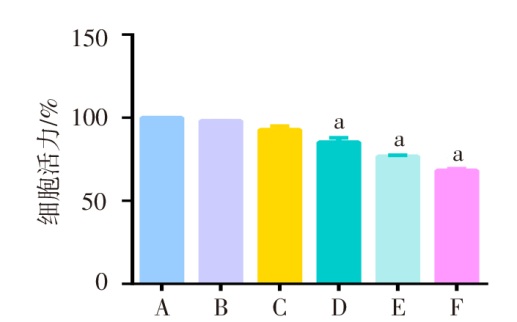
Fig. 1 Cell viability assay after H2O2 treatment
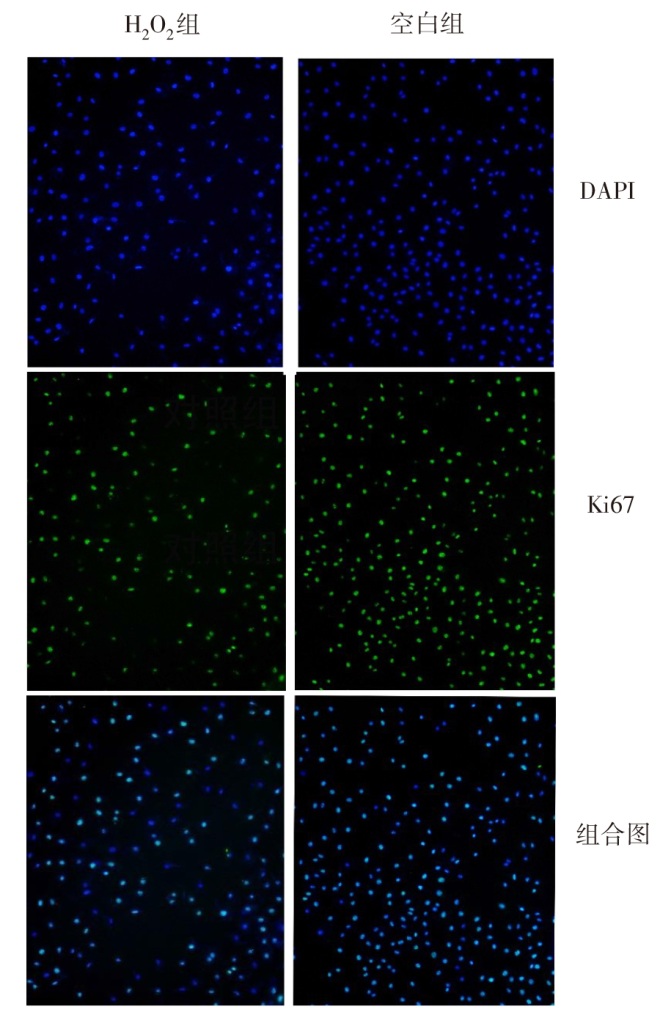
Fig.2 Cell proliferation assay after H2O2 treatment (×100)
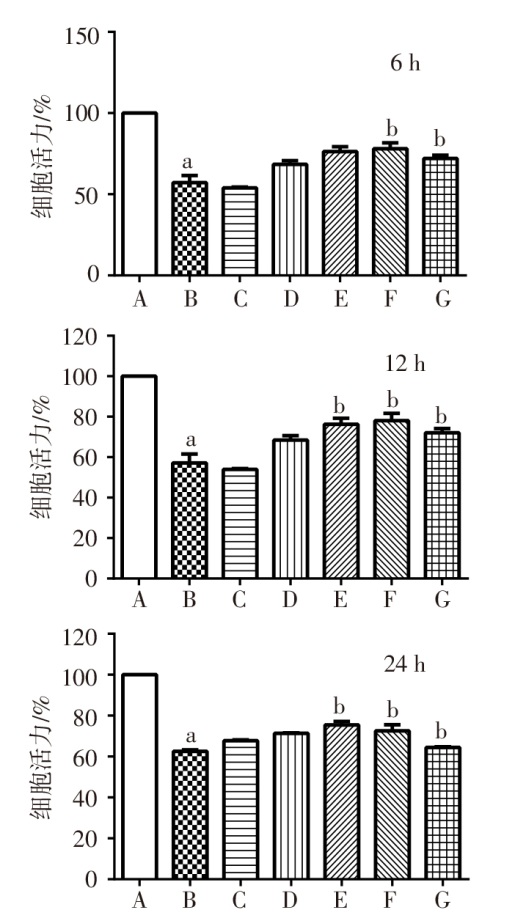
Fig. 3 Cell viability analysis of senescent KGN after SALB treatment for 6 h, 12 h and 24 h
| 组别 | MDA/(mmol/g) | ROS/(RU) |
|---|---|---|
| H2O2组 | 11.89±2.30 | 4 206±324 |
| H2O2+SALB组 | 4.83±1.20 | 2 107±186 |
| t | 3.760* | 3.972** |
Tab.1 Comparison of MDA and ROS levels between two groups of cells
| 组别 | MDA/(mmol/g) | ROS/(RU) |
|---|---|---|
| H2O2组 | 11.89±2.30 | 4 206±324 |
| H2O2+SALB组 | 4.83±1.20 | 2 107±186 |
| t | 3.760* | 3.972** |
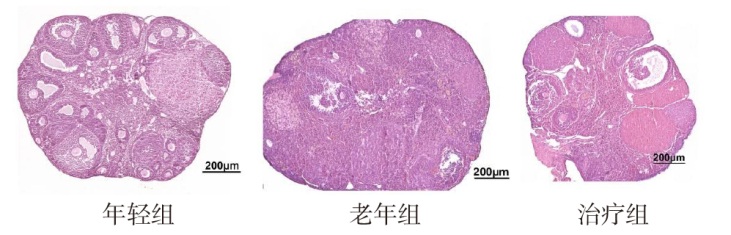
Fig.4 Performance of ovarian follicle numbers in each group of mice (HE,×50)
| 组别 | 窦状卵泡/个 | E2/(ng/L) | FSH/(ng/L) |
|---|---|---|---|
| 年轻组 | 9.40±1.14 | 101.95±6.36 | 5.35±0.69 |
| 老年组 | 2.80±1.48a | 56.13±6.29a | 13.63±1.56a |
| 治疗组 | 6.20±1.10b | 86.81±10.20b | 6.32±1.13b |
| F | 4.123** | 5.121** | 7.702** |
Tab.2 Comparison of serum hormone levels and antral follicle counts in ovaries between the three mouse groups
| 组别 | 窦状卵泡/个 | E2/(ng/L) | FSH/(ng/L) |
|---|---|---|---|
| 年轻组 | 9.40±1.14 | 101.95±6.36 | 5.35±0.69 |
| 老年组 | 2.80±1.48a | 56.13±6.29a | 13.63±1.56a |
| 治疗组 | 6.20±1.10b | 86.81±10.20b | 6.32±1.13b |
| F | 4.123** | 5.121** | 7.702** |
| 组别 | 发情间期 | 发情前期 | 发情期 | 发情后期 |
|---|---|---|---|---|
| 年轻组 | 25.24±1.04 | 24.78±2.36 | 25.22±4.39 | 24.76±3.61 |
| 老年组 | 31.94±3.48a | 16.13±4.39a | 36.36±1.16a | 15.57±1.16a |
| 治疗组 | 22.68±2.10b | 23.32±5.20b | 26.32±2.13b | 27.68±4.13b |
| F | 5.163* | 4.221* | 5.432* | 7.221* |
Tab.3 Percentage distribution of each stage in the estrous cycle across three groups of mice
| 组别 | 发情间期 | 发情前期 | 发情期 | 发情后期 |
|---|---|---|---|---|
| 年轻组 | 25.24±1.04 | 24.78±2.36 | 25.22±4.39 | 24.76±3.61 |
| 老年组 | 31.94±3.48a | 16.13±4.39a | 36.36±1.16a | 15.57±1.16a |
| 治疗组 | 22.68±2.10b | 23.32±5.20b | 26.32±2.13b | 27.68±4.13b |
| F | 5.163* | 4.221* | 5.432* | 7.221* |
| [1] | BROEKMANS F J, SOULES M R, FAUSER B C. Ovarian aging: mechanisms and clinical consequences[J]. Endocr Rev, 2009, 30(5):465-493. doi:10.1210/er.2009-0006. |
| [2] | SECOMANDI L, BORGHESAN M, VELARDE M, et al. The role of cellular senescence in female reproductive aging and the potential for senotherapeutic interventions[J]. Hum Reprod Update, 2022, 28(2):172-189. doi:10.1093/humupd/dmab038. |
| [3] | CHEN Y, ZHANG J, TIAN Y, et al. Iron accumulation in ovarian microenvironment damages the local redox balance and oocyte quality in aging mice[J]. Redox Biol, 2024, 73:103195. doi:10.1016/j.redox.2024.103195. |
| [4] | SUN J M, LIU Y X, LIU Y D, et al. Salvianolic acid B protects against UVB-induced skin aging via activation of NRF2[J]. Phytomedicine, 2024, 130:155676. doi:10.1016/j.phymed.2024.155676. |
| [5] | WANG Y, FAN N, WANG R, et al. Discovery of airway-administered ionophores for Mn2+ tomitigate lung metastasis by targeting disseminated tumor cell[J]. ACS Nano, 2025, 19(14):14330-14350. doi:10.1021/acsnano.5c01732. |
| [6] | YU J, CHEN R, TAN Y, et al. Salvianolic acid B alleviates heart failure by inactivating ERK1/2/GATA4 signaling pathway after pressure overload in mice[J]. PLoS One, 2016, 11(11):e0166560. doi:10.1371/journal.pone.0166560. |
| [7] | HE G, CHEN G, LIU W, et al. Salvianolic acid B:a review of pharmacological effects,safety,combination therapy,new dosage forms,and novel drug delivery routes[J]. Pharmaceutics, 2023, 15(9):2235. doi:10.3390/pharmaceutics15092235. |
| [8] | ZHANG Q, LIU J, DUAN H, et al. Activation of Nrf2/HO-1 signaling:an important molecular mechanism of herbal medicine in the treatment of atherosclerosis via the protection of vascular endothelial cells from oxidative stress[J]. J Adv Res, 2021, 34:43-63. doi:10.1016/j.jare.2021.06.023. |
| [9] | FU Y, ZHOU X, WANG L, et al. Salvianolic acid B attenuates liver fibrosis by targeting Ecm1 and inhibiting hepatocyte ferroptosis[J]. Redox Biol, 2024, 69:103029. doi:10.1016/j.redox.2024.103029. |
| [10] | MA J, CHEN S, LIU J, et al. Cryptochrome 1 regulates ovarian granulosa cell senescence through NCOA4-mediated ferritinophagy[J]. Free Radic Biol Med, 2024, 217:1-14. doi:10.1016/j.freeradbiomed.2024.03.015. |
| [11] | 刘志鹏, 张小文, 李佩贤, 等. 年轻血浆微环境对老年小鼠衰老卵巢的再生作用[J]. 天津医药, 2025, 53(8):808-813. |
| LIU Z P, ZHANG X W, LI P X, et al. The regenerative effect of young plasma microenvironment on aging ovaries of aged mice[J]. Tianjin Med J, 2025, 53(8):808-813. doi:10.11958/20250964. | |
| [12] | ISOLA J V V, HENSE J D, OSÓRIO C A P, et al. Reproductive ageing: Inflammation,immune cells,and cellular senescence in the aging ovary[J]. Reproduction, 2024, 168(2):e230499. doi:10.1530/REP-23-0499. |
| [13] | WEI X H, CHEN J, WU X F, et al. Salvianolic acid B alleviated myocardial ischemia-reperfusion injury via modulating SIRT3-mediated crosstalk between mitochondrial ROS and NLRP3[J]. Phytomedicine, 2024, 136:156260. doi:10.1016/j.phymed.2024.156260. |
| [14] | MU L, DONG R, LI C, et al. ROS responsive conductive microspheres loaded with salvianolic acid B as adipose derived stem cell carriers for acute myocardial infarction treatment[J]. Biomaterials, 2024, 314:122849. doi: 10.1016/j.biomaterials.2024.122849. |
| [15] | LI Y, WANG X, MIAO C, et al. Quaternized chitosan/Salvianolic acid B multifunctional hydrogel with ROS/glucose dual responsive properties for diabetic wound healing[J]. Carbohydr Polym, 2025, 367:123995. doi: 10.1016/j.carbpol.2025.123995. |
| [16] | SUN J M, LIU Y X, TSAI Y-T, et al. Salvianolic acid B protects against UVB-induced HaCaT cell senescence and skin aging through NRF2 activation and ROS scavenging[J]. J Photochem Photobiol B, 2025, 266:113139. doi:10.1016/j.jphotobiol.2025.113139. |
| [17] | TAN F H P, TING A C J, LEOW B G, et al. Alleviatory effects of Danshen,Salvianolic acid A and Salvianolic acid B on PC12 neuronal cells and Drosophila melanogaster model of Alzheimer's disease[J]. J Ethnopharmacol, 2021, 279:114389. doi:10.1016/j.jep.2021.114389. |
| [18] | 刘品月, 刘雨, 唐根云, 等. 丹酚酸B促进卵巢早衰小鼠卵泡发育的研究[J]. 华夏医学, 2023, 36(2):10-17. |
| LIU P Y, LIU Y, TANG G Y, et al. Salvianolic acid B promotes follicular development in mice with premature ovarian failure[J]. Acta Medicinae Sinica, 2023, 36(2):10-17. doi:10.19296/j.cnki.1008-2409.2023-02-002. | |
| [19] | XU G, LIU S, HUANG M, et al. Cadmium induces apoptosis of human granulosa cell line KGN via mitochondrial dysfunction-mediated pathways[J]. Ecotoxicol Environ Saf, 2021, 220:112341. doi: 10.1016/j.ecoenv.2021.112341. |
| [20] | 李江慧. 槲皮素通过调控PI3K/AKT/FOXO3a通路抑制环磷酰胺引起的始基卵泡损耗[D]. 上海交通大学, 2020. |
| LI J H. PI3K/AKT/FOXO3a pathway activation in the mouse ovary[D]. Shanghai Jiao Tong University, 2020. doi:10.27307/d.cnki.gsjtu.2020.000349. |
| Viewed | ||||||
|
Full text |
|
|||||
|
Abstract |
|
|||||
