
Tianjin Medical Journal ›› 2026, Vol. 54 ›› Issue (4): 407-411.doi: 10.11958/20252772
• Clinical Research • Previous Articles Next Articles
GOU Yuzhu( ), MA Jinyan, WANG Juan
Received:2025-08-22
Revised:2025-11-11
Published:2026-04-15
Online:2026-04-14
GOU Yuzhu, MA Jinyan, WANG Juan. Observation on efficacy of ultrasound-guided balloon dilatation in treating arteriovenous fistula stenosis[J]. Tianjin Medical Journal, 2026, 54(4): 407-411.
CLC Number:
| 组别 | n | 年龄/岁 | 性别(男/女) | 透析时间/周 | ||||||
|---|---|---|---|---|---|---|---|---|---|---|
| DSA组 | 38 | 57.89±4.51 | 18/20 | 18.20±6.69 | ||||||
| 超声引导组 | 40 | 57.48±3.98 | 22/18 | 17.80±5.28 | ||||||
| t或χ2 | 0.436 | 0.454 | 0.296 | |||||||
| 组别 | 病程/周 | 原发疾病 | ||||||||
| 高血压肾病 | 糖尿病肾病 | 慢性肾炎 | 其他 | |||||||
| DSA组 | 3.12±0.70 | 14 | 14 | 9 | 1 | |||||
| 超声引导组 | 3.31±0.54 | 13 | 17 | 8 | 2 | |||||
| t或χ2 | 1.343 | 1.033 | ||||||||
Tab.1 Comparison of baseline data of patients between the DSA group and the ultrasound-guided group
| 组别 | n | 年龄/岁 | 性别(男/女) | 透析时间/周 | ||||||
|---|---|---|---|---|---|---|---|---|---|---|
| DSA组 | 38 | 57.89±4.51 | 18/20 | 18.20±6.69 | ||||||
| 超声引导组 | 40 | 57.48±3.98 | 22/18 | 17.80±5.28 | ||||||
| t或χ2 | 0.436 | 0.454 | 0.296 | |||||||
| 组别 | 病程/周 | 原发疾病 | ||||||||
| 高血压肾病 | 糖尿病肾病 | 慢性肾炎 | 其他 | |||||||
| DSA组 | 3.12±0.70 | 14 | 14 | 9 | 1 | |||||
| 超声引导组 | 3.31±0.54 | 13 | 17 | 8 | 2 | |||||
| t或χ2 | 1.343 | 1.033 | ||||||||
| 组别 | n | 一次穿刺 成功 | 手术 用时/min | 术中 出血量/mL | 术后内瘘开始 使用时间/d |
|---|---|---|---|---|---|
| DSA组 | 38 | 32(84.21) | 68.47±13.91 | 15.03±2.08 | 1.84±0.19 |
| 超声引导组 | 40 | 39(97.50) | 62.10±13.06 | 14.18±2.08 | 1.79±0.15 |
| t或χ2 | 4.213* | 2.088* | 1.813 | 1.306 |
Tab.2 Comparison of surgical condition between the two groups of patients
| 组别 | n | 一次穿刺 成功 | 手术 用时/min | 术中 出血量/mL | 术后内瘘开始 使用时间/d |
|---|---|---|---|---|---|
| DSA组 | 38 | 32(84.21) | 68.47±13.91 | 15.03±2.08 | 1.84±0.19 |
| 超声引导组 | 40 | 39(97.50) | 62.10±13.06 | 14.18±2.08 | 1.79±0.15 |
| t或χ2 | 4.213* | 2.088* | 1.813 | 1.306 |
| 组别 | n | 内径大小/mm | |||||||||
|---|---|---|---|---|---|---|---|---|---|---|---|
| 术前 | 术后7 d | t | |||||||||
| DSA组 | 38 | 1.29±0.17 | 3.03±0.22 | 49.664* | |||||||
| 超声引导组 | 40 | 1.27±0.10 | 3.25±0.35 | 34.532* | |||||||
| t | 0.510 | 3.300* | |||||||||
| 组别 | 透析血流量/(mL/min) | ||||||||||
| 术前 | 术后7 d | t | |||||||||
| DSA组 | 160.38±7.57 | 251.06±10.02 | 44.617* | ||||||||
| 超声引导组 | 159.74±8.51 | 257.85±8.88 | 53.120* | ||||||||
| t | 0.348 | 3.170* | |||||||||
| 组别 | 内瘘自然血流量/(mL/min) | ||||||||||
| 术前 | 术后7 d | t | |||||||||
| DSA组 | 287.48±10.68 | 472.19±24.02 | 47.848* | ||||||||
| 超声引导组 | 284.51±12.81 | 489.73±30.69 | 45.059* | ||||||||
| t | 1.108 | 2.802* | |||||||||
| 组别 | 横截面积/mm2 | ||||||||||
| 术前 | 术后7 d | t | |||||||||
| DSA组 | 3.00±0.84 | 14.71±4.64 | 15.881* | ||||||||
| 超声引导组 | 3.10±0.54 | 14.68±4.72 | 15.483* | ||||||||
| t | 0.701 | 0.032 | |||||||||
Tab.3 Comparison of clinical indicators of patients between the DSA group and the ultrasound-guided group
| 组别 | n | 内径大小/mm | |||||||||
|---|---|---|---|---|---|---|---|---|---|---|---|
| 术前 | 术后7 d | t | |||||||||
| DSA组 | 38 | 1.29±0.17 | 3.03±0.22 | 49.664* | |||||||
| 超声引导组 | 40 | 1.27±0.10 | 3.25±0.35 | 34.532* | |||||||
| t | 0.510 | 3.300* | |||||||||
| 组别 | 透析血流量/(mL/min) | ||||||||||
| 术前 | 术后7 d | t | |||||||||
| DSA组 | 160.38±7.57 | 251.06±10.02 | 44.617* | ||||||||
| 超声引导组 | 159.74±8.51 | 257.85±8.88 | 53.120* | ||||||||
| t | 0.348 | 3.170* | |||||||||
| 组别 | 内瘘自然血流量/(mL/min) | ||||||||||
| 术前 | 术后7 d | t | |||||||||
| DSA组 | 287.48±10.68 | 472.19±24.02 | 47.848* | ||||||||
| 超声引导组 | 284.51±12.81 | 489.73±30.69 | 45.059* | ||||||||
| t | 1.108 | 2.802* | |||||||||
| 组别 | 横截面积/mm2 | ||||||||||
| 术前 | 术后7 d | t | |||||||||
| DSA组 | 3.00±0.84 | 14.71±4.64 | 15.881* | ||||||||
| 超声引导组 | 3.10±0.54 | 14.68±4.72 | 15.483* | ||||||||
| t | 0.701 | 0.032 | |||||||||
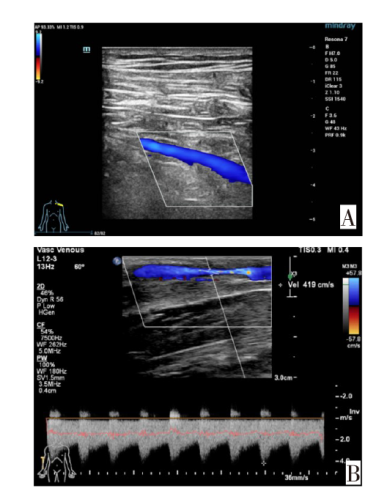
Fig.1 The typical case diagram of a patient in ultrasound-guided group
| 组别 | n | 术后3个月 | 术后6个月 | 术后9个月 |
|---|---|---|---|---|
| DSA组 | 38 | 3(7.89) | 8(21.05) | 12(31.58) |
| 超声引导组 | 40 | 1(2.50) | 2(5.00) | 5(12.50) |
| χ2 | 0.625 | 4.493* | 4.162* |
Tab.4 Comparison of postoperative restenosis rate of patients between the DSA group and the ultrasound-guided group
| 组别 | n | 术后3个月 | 术后6个月 | 术后9个月 |
|---|---|---|---|---|
| DSA组 | 38 | 3(7.89) | 8(21.05) | 12(31.58) |
| 超声引导组 | 40 | 1(2.50) | 2(5.00) | 5(12.50) |
| χ2 | 0.625 | 4.493* | 4.162* |
| 组别 | n | 穿刺点 出血 | 神经损伤 | 皮下气肿 | 血管或 球囊破裂 | 总并发症 |
|---|---|---|---|---|---|---|
| DSA组 | 38 | 2(5.26) | 2(5.26) | 1(2.63) | 1(2.63) | 6(15.78) |
| 超声引导组 | 40 | 1(2.50) | 1(2.50) | 1(2.50) | 0(0.00) | 3(7.50) |
| χ2 | 0.625 | |||||
Tab.5 Comparison of occurrence of postoperative complications of patients between the DSA group and the ultrasound-guided group
| 组别 | n | 穿刺点 出血 | 神经损伤 | 皮下气肿 | 血管或 球囊破裂 | 总并发症 |
|---|---|---|---|---|---|---|
| DSA组 | 38 | 2(5.26) | 2(5.26) | 1(2.63) | 1(2.63) | 6(15.78) |
| 超声引导组 | 40 | 1(2.50) | 1(2.50) | 1(2.50) | 0(0.00) | 3(7.50) |
| χ2 | 0.625 | |||||
| [1] | 李杰, 侯国存. 动静脉内瘘成形术相关新技术应用进展[J]. 中国血液净化, 2023, 22(4):287-291. |
| LI J, HOU G C. Recent progresses in the application of new techniques relating to arteriovenous fistuloplasty[J]. Chin J Blood Purif, 2023, 22(4):287-291. doi:10.3969/j.issn.1671-4091.2023.04.009. | |
| [2] | 李丽华, 王卫华, 李玫, 等. 锁边缝合在内瘘血管吻合中的应用对动静脉内瘘通畅性的影响[J]. 中国血液净化, 2024, 23(8):620-624. |
| LI L H, WANG W H, LI M, et al. Effect of overlock stitch for vascular anastomosis during internal fistula surgery on patency of the arteriovenous fistula[J]. Chin J Blood Purif, 2024, 23(8):620-624. doi:10.3969/j.issn.1671-4091.2024.08.011. | |
| [3] | 舒启沛, 张君, 尹娜, 等. 超声评估慢性肾衰竭患者自体动静脉内瘘成形术后并发症及预测其成熟的临床价值[J]. 临床超声医学杂志, 2024, 26(7):549-553. |
| SHU Q P, ZHANG J, YIN N, et al. Clinical value of ultrasound in evaluating complications after autologous arteriovenous fistula and predicting its maturity in patients with chronic renal failure[J]. J Clin Ultras Med, 2024, 26(7):549-553. doi:10.3969/j.issn.1008-6978.2024.07.004. | |
| [4] | 吕彦辉, 陈建华, 张丽, 等. 降钙素原与维持性血液透析患者自体动静脉内瘘并发症的关系研究[J]. 天津医药, 2022, 50(4):413-417. |
| LYU Y H, CHEN J H, ZHANG L, et al. The relationship between procalcitonin and complications of autogenous arteriovenous fistula in patients with maintenance hemodialysis[J]. Tianjin Med J, 2022, 50(4):413-417. doi:10.11958/20212097. | |
| [5] | 黄益彪, 吴俊男, 陆明晰. 超声引导下经皮紫杉醇涂层球囊腔内血管成形术治疗动静脉内瘘狭窄疗效初步探索[J]. 肾脏病与透析肾移植杂志, 2024, 33(4):333-338. |
| HUANG Y B, WU J N, LU M X. Preliminary study on the curative effect of ultrasound guided paclitaxel-coated balloon dilation in patients with hemodialysis arteriovenous fistula stenosis[J]. Chin J Nephrol Dialys Transplant, 2024, 33(4):333-338. doi:10.3969/j.issn.1006-298X.2024.04.006. | |
| [6] | 刘大鹏, 任补元, 张佳佑, 等. 动静脉内瘘重建术与经皮球囊扩张术在老年自体动静脉内瘘狭窄患者中的临床应用[J]. 中华老年多器官疾病杂志, 2021, 20(12):885-888. |
| LIU D P, REN B Y, ZHANG J Y, et al. Clinical application of arteriovenous fistula reconstruction and percutaneous transluminal angioplasty in elderly patients with stenosis of autogenous arteriovenous fistula[J]. Chin J Mult Organ Dis Elderly, 2021, 20(12):885-888. doi:10.11915/j.issn.1671-5403.2021.12.186. | |
| [7] | 陈立洲, 姚立正, 李文会, 等. 自体动静脉内瘘阻塞介入治疗疗效和术后通畅率影响因素分析[J]. 医学影像学杂志, 2022, 32(3):500-504. |
| CHEN L Z, YAO L Z, LI W H, et al. Analysis of therapeutic effect and influencing factors of postoperative patency rate in the patients with autologous arteriovenous fistula obstruction treated with interventional therapy[J]. J Med Imag, 2022, 32(3):500-504. doi:10.3969/j.issn.1006-9011.2022.3.yxyxxzz202203038. | |
| [8] | 甘茂, 赵霞, 王哲, 等. 自体动静脉内瘘狭窄病变经皮腔内球囊扩张血管成形术后初级通畅时间的影响因素[J]. 血管与腔内血管外科杂志, 2023, 9(5):531-535. |
| GAN M, ZHAO X, WANG Z, et al. Factors of primary patency time after percutaneous transluminal angioplasty in stenotic lesions of autogenous arteriovenous fistula[J]. J Vascul Endovascul Surg, 2023, 9(5):531-535. doi:10.19418/j.cnki.issn2096-0646.2023.05.04. | |
| [9] | 王志刚, 翟亚丽, 李玉倩, 等. 超声引导下球囊扩张术治疗自体动静脉内瘘狭窄的临床效果分析[J]. 生命科学仪器, 2022, 20(S1):41,43. |
| WANG Z G, ZHAI Y L, LI Y Q, et al. Clinical effect analysis of ultrasound-guided balloon dilatation in the treatment of arteriovenous fistula stenosis[J]. Life Science Instruments, 2022, 20(S1):41,43. doi:10.11967/202200641. | |
| [10] | GREGORY M, GUEST M, ABDEEN I, et al. Balloon assisted,ultrasound guided percutaneous thrombin injection of a large radial artery pseudoaneurysm using a trans-venous approach via an Ipsilateral Arteriovenous Fistula[J]. CVIR Endovasc, 2021, 4(1):67. doi:10.1186/s42155-021-00253-3. |
| [11] | 中国医院协会血液净化中心分会血管通路工作组. 中国血液透析用血管通路专家共识(第2版)[J]. 中国血液净化, 2019, 18(6):365-381. |
| Vascular Access Working Group of Blood Purification Center Branch of Chinese Hospital Association. Consensus among experts on blood access used for hemodialyis in China(The 2nd edition)[J]. Chin J Blood Purif, 2019, 18(6):365-381. doi:10.3969/j.issn.1671-4091.2019.06.001. | |
| [12] | 赵蕊, 张东亮, 贾建文, 等. 彩色多普勒超声评价血液透析患者自体动静脉内瘘的应用价值[J]. 中国超声医学杂志, 2017, 33(10):930-932. |
| ZHAO R, ZHANG D L, JIA J W, et al. Application of color Doppler ultrasound for arteriovenous fistula in hemodialysis[J]. Chin J Ultra Med, 2017, 33(10):930-932. doi:10.3969/j.issn.1002-0101.2017.10.022. | |
| [13] | 宿敬存, 夏化文, 王海洋, 等. 经静脉途径介入治疗自体动静脉内瘘狭窄的临床效果及并发症防治分析[J]. 中国综合临床, 2020, 36(5):431-434. |
| SU J C, XIA H W, WANG H Y, et al. Analysis of clinical effect and complication prevention and treatment of autogenous arteriovenous fistulas stenosis by intravenous intervention therapy[J]. Clin Med Chin, 2020, 36(5):431-434. doi:10.3760/cma.j.cn121361-20200509-00050. | |
| [14] | VAZQUEZ-PADRON R I, DUQUE J C, TABBARA M, et al. Intimal hyperplasia and arteriovenous fistula failure:looking beyond size differences[J]. Kidney, 360, 2021, 2(8):1360-1372. doi:10.34067/KID.0002022021. |
| [15] | 王蕊, 朱莉敏, 李静, 等. 超声引导下动静脉内瘘球囊扩张术在维持性血液透析动静脉内瘘血管狭窄中的应用[J]. 医学影像学杂志, 2020, 30(10):1898-1901. |
| WANG R, ZHU L M, LI J, et al. Application of ultrasound-guided arteriovenous balloon angioplasty in maintenance of hemorrhagic arteriovenous fistula stenosis[J]. J Med Imag, 2020, 30(10):1898-1901. | |
| [16] | 丁常春. 超声引导下经皮球囊扩张对动静脉内瘘狭窄患者血管狭窄程度、最大透析流量和术后舒适度的影响[J]. 临床误诊误治, 2023, 36(9):108-111. |
| DING C C. Effect of ultrasound-guided percutaneous balloon dilation on the degree of vascular stenosis,maximum dialysis flow and postoperative comfort in patients with arteriovenous fistula stenosis[J]. Clin Misdiagn Misther, 2023, 36(9):108-111. doi:10.3969/j.issn.1002-3429.2023.09.022. | |
| [17] | BURNETT C T, NICHOLLS G, SWINBANK A, et al. Cephalic arch stenosis in the arteriovenous fistula:a retrospective analysis of predisposing factors[J]. J Vasc Access, 2023, 24(5):1084-1090. doi:10.1177/11297298211067848. |
| [18] | 王清. 超声引导下经皮球囊扩张术应用于血管通路狭窄治疗的效果观察[J]. 中国血液净化, 2023, 22(9):698-700,714. |
| WANG Q. Ultrasound guided percutaneous balloon dilatation applied to the treatment of vascular access stenosis[J]. Chin J Blood Purif, 2023, 22(9):698-700,714. doi:10.3969/j.issn.1671-4091.2023.09.014. | |
| [19] | 卢松芳, 陈靖, 马鹏跃, 等. 超声引导下二次经皮腔内血管成形术治疗动静脉内瘘术后再狭窄效果观察[J]. 山东医药, 2020, 60(20):55-57. |
| LU S F, CHEN J, MA P Y, et al. Effect of ultrasound-guided secondary percutaneous transluminal angioplasty in the treatment of restenosis after arteriovenous fistula[J]. Shandong Med J, 2020, 60(20):55-57. doi:10.3969/j.issn.1002-266X.2020.20.014. |
| [1] | LI Chaoyuan, ZHAO Fuhao, CHEN Sha, LYU Ruiqian, WU Zixia. Comparison of the effect of different vascular access routes on elderly patients with maintenance hemodialysis [J]. Tianjin Medical Journal, 2024, 52(12): 1266-1269. |
| [2] | LYU Yanhui, CHEN Jianhua, ZHANG Li, WANG Chunjie, TIAN Tian, BO Fei. The relationship between procalcitonin and complications of autogenous arteriovenous fistula in patients with maintenance hemodialysis [J]. Tianjin Medical Journal, 2022, 50(4): 413-417. |
| [3] | TAN Xue-hui, LU Jing-jing, YANG Yi-nan, WEI Fang-ning, XIE Juan, XIONG Cheng-yan, WEI Juan, GU Xiao-hong. Effects of Guilong fistula protective coating on inflammatory factors and maturation of autologousarteriovenous fistula in patients with hemodialysis [J]. Tianjin Medical Journal, 2019, 47(12): 1244-1247. |
| [4] | . [J]. , 2013, (10): 0-0 . |
| [5] | . Effects of Platelet Factors on Haemodialysis Patients with Recurrent Native Arteriovenous Fistula Dysfunction [J]. , 2011, 39(9): 794-796 . |
| Viewed | ||||||
|
Full text |
|
|||||
|
Abstract |
|
|||||
