
Tianjin Medical Journal ›› 2026, Vol. 54 ›› Issue (9): 952-956.doi: 10.11958/20253593
• Clinical Research • Previous Articles Next Articles
YIN Huicong1( ), FAN Huili1, MA Wenjuan2
Received:2025-12-11
Revised:2026-03-18
Published:2026-09-15
Online:2026-09-14
YIN Huicong, FAN Huili, MA Wenjuan. The clinical predictive value of thrombelastography combined with the systemic immune-inflammation index for postpartum hemorrhage after vaginal delivery[J]. Tianjin Medical Journal, 2026, 54(9): 952-956.
CLC Number:
| 组别 | n | 年龄/岁 | 孕周/周 | BMI/(kg/m2) | 既往流产史 | ||||||||||||||||
|---|---|---|---|---|---|---|---|---|---|---|---|---|---|---|---|---|---|---|---|---|---|
| 非PPH组 | 151 | 28.56±3.82 | 39.01±1.05 | 24.56±2.18 | 12(7.95) | ||||||||||||||||
| PPH组 | 48 | 29.35±3.17 | 38.87±1.12 | 25.12±2.35 | 7(14.58) | ||||||||||||||||
| t或χ² | 1.429 | 0.813 | 1.526 | 1.857 | |||||||||||||||||
| 组别 | 既往 PPH史 | 妊娠期 高血压 | 妊娠期 糖尿病 | 产前 贫血 | 产程 时间/h | ||||||||||||||||
| 非PPH组 | 2(1.32) | 14(9.27) | 15(9.93) | 25(16.56) | 8.53±3.15 | ||||||||||||||||
| PPH组 | 5(10.42) | 13(27.08) | 11(22.92) | 17(29.17) | 9.24±3.52 | ||||||||||||||||
| t或χ² | 8.872* | 9.854** | 5.405* | 7.781* | 0.003 | ||||||||||||||||
| 组别 | 羊水异常 | 巨大儿 | 使用催产素 | 器械助产 | 胎盘剥离异常 | ||||||||||||||||
| 非PPH组 | 13(8.61) | 25(16.56) | 26(21.19) | 32(21.19) | 13(8.61) | ||||||||||||||||
| PPH组 | 9(18.75) | 7(14.58) | 19(39.58) | 21(43.75) | 11(22.92) | ||||||||||||||||
| χ² | 3.809 | 0.105 | 10.410* | 9.485* | 7.985* | ||||||||||||||||
| 组别 | 新生儿体质量/g | PT/s | APTT/s | WBC(×109/L) | |||||||||||||||||
| 非PPH组 | 3295.42±352.16 | 12.15±0.58 | 30.24±1.85 | 9.25±1.06 | |||||||||||||||||
| PPH组 | 3402.50±398.74 | 12.86±0.72 | 32.67±2.13 | 10.68±1.56 | |||||||||||||||||
| t | 1.776 | 6.938** | 7.637** | 5.929* | |||||||||||||||||
| 组别 | LYM(×109/L) | NEUT(×109L) | Hb(g/L) | PLT(×10⁹/L) | |||||||||||||||||
| 非PPH组 | 2.15±0.48 | 6.24±1.06 | 117.36±8.42 | 210.18±32.15 | |||||||||||||||||
| PPH组 | 1.62±0.42 | 7.19±1.13 | 108.65±9.17 | 169.42±28.67 | |||||||||||||||||
| t | 6.857** | 5.322** | 6.107** | 7.846** | |||||||||||||||||
Tab.1 Comparison of general clinical data between the two groups of parturients
| 组别 | n | 年龄/岁 | 孕周/周 | BMI/(kg/m2) | 既往流产史 | ||||||||||||||||
|---|---|---|---|---|---|---|---|---|---|---|---|---|---|---|---|---|---|---|---|---|---|
| 非PPH组 | 151 | 28.56±3.82 | 39.01±1.05 | 24.56±2.18 | 12(7.95) | ||||||||||||||||
| PPH组 | 48 | 29.35±3.17 | 38.87±1.12 | 25.12±2.35 | 7(14.58) | ||||||||||||||||
| t或χ² | 1.429 | 0.813 | 1.526 | 1.857 | |||||||||||||||||
| 组别 | 既往 PPH史 | 妊娠期 高血压 | 妊娠期 糖尿病 | 产前 贫血 | 产程 时间/h | ||||||||||||||||
| 非PPH组 | 2(1.32) | 14(9.27) | 15(9.93) | 25(16.56) | 8.53±3.15 | ||||||||||||||||
| PPH组 | 5(10.42) | 13(27.08) | 11(22.92) | 17(29.17) | 9.24±3.52 | ||||||||||||||||
| t或χ² | 8.872* | 9.854** | 5.405* | 7.781* | 0.003 | ||||||||||||||||
| 组别 | 羊水异常 | 巨大儿 | 使用催产素 | 器械助产 | 胎盘剥离异常 | ||||||||||||||||
| 非PPH组 | 13(8.61) | 25(16.56) | 26(21.19) | 32(21.19) | 13(8.61) | ||||||||||||||||
| PPH组 | 9(18.75) | 7(14.58) | 19(39.58) | 21(43.75) | 11(22.92) | ||||||||||||||||
| χ² | 3.809 | 0.105 | 10.410* | 9.485* | 7.985* | ||||||||||||||||
| 组别 | 新生儿体质量/g | PT/s | APTT/s | WBC(×109/L) | |||||||||||||||||
| 非PPH组 | 3295.42±352.16 | 12.15±0.58 | 30.24±1.85 | 9.25±1.06 | |||||||||||||||||
| PPH组 | 3402.50±398.74 | 12.86±0.72 | 32.67±2.13 | 10.68±1.56 | |||||||||||||||||
| t | 1.776 | 6.938** | 7.637** | 5.929* | |||||||||||||||||
| 组别 | LYM(×109/L) | NEUT(×109L) | Hb(g/L) | PLT(×10⁹/L) | |||||||||||||||||
| 非PPH组 | 2.15±0.48 | 6.24±1.06 | 117.36±8.42 | 210.18±32.15 | |||||||||||||||||
| PPH组 | 1.62±0.42 | 7.19±1.13 | 108.65±9.17 | 169.42±28.67 | |||||||||||||||||
| t | 6.857** | 5.322** | 6.107** | 7.846** | |||||||||||||||||
| 组别 | n | R值/min | K值/min | α角/° | |||
|---|---|---|---|---|---|---|---|
| 非PPH组 | 151 | 6.23±1.05 | 1.98±0.42 | 60.54±6.32 | |||
| PPH组 | 48 | 6.49±1.56 | 2.52±0.68 | 58.67±5.89 | |||
| t | 1.100 | 12.397** | 1.817 | ||||
| 组别 | MA值/mm | CI值 | SII | ||||
| 非PPH组 | 60.31±7.09 | 1.25±0.36 | 589.42±125.68 | ||||
| PPH组 | 53.76±6.73 | 0.89±0.45 | 723.76±189.35 | ||||
| t | 5.645** | 5.660** | 5.651** | ||||
Tab.2 Comparison of TEG parameters and SII levels between the two groups of parturients
| 组别 | n | R值/min | K值/min | α角/° | |||
|---|---|---|---|---|---|---|---|
| 非PPH组 | 151 | 6.23±1.05 | 1.98±0.42 | 60.54±6.32 | |||
| PPH组 | 48 | 6.49±1.56 | 2.52±0.68 | 58.67±5.89 | |||
| t | 1.100 | 12.397** | 1.817 | ||||
| 组别 | MA值/mm | CI值 | SII | ||||
| 非PPH组 | 60.31±7.09 | 1.25±0.36 | 589.42±125.68 | ||||
| PPH组 | 53.76±6.73 | 0.89±0.45 | 723.76±189.35 | ||||
| t | 5.645** | 5.660** | 5.651** | ||||
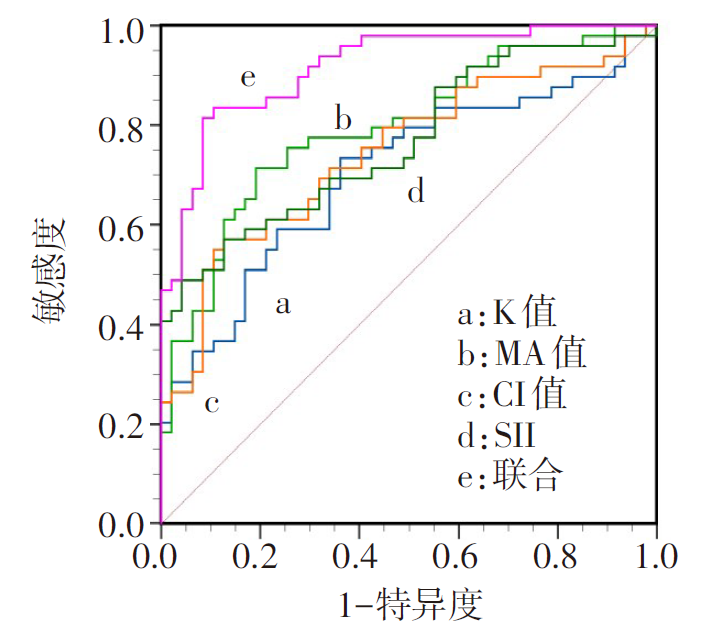
Fig.1 ROC curves of each indicator and combined detection for PPH
| 指标 | 截断值 | AUC | 95%CI | 约登 指数 | 特异 度/% | 敏感 度/% |
|---|---|---|---|---|---|---|
| K值 | 2.16 min | 0.706 | 0.604~0.795 | 0.373 | 63.83 | 73.47 |
| MA值 | 56.31 mm | 0.795 | 0.700~0.870 | 0.523 | 80.85 | 71.43 |
| CI值 | 0.81 | 0.746 | 0.646~0.829 | 0.445 | 89.36 | 55.10 |
| SII | 771.92 | 0.766 | 0.669~0.847 | 0.447 | 95.74 | 48.98 |
| 联合预测 | - | 0.917 | 0.843~0.964 | 0.731 | 91.49 | 81.63 |
Tab.3 Predictive value of individual and combined indicators for PPH
| 指标 | 截断值 | AUC | 95%CI | 约登 指数 | 特异 度/% | 敏感 度/% |
|---|---|---|---|---|---|---|
| K值 | 2.16 min | 0.706 | 0.604~0.795 | 0.373 | 63.83 | 73.47 |
| MA值 | 56.31 mm | 0.795 | 0.700~0.870 | 0.523 | 80.85 | 71.43 |
| CI值 | 0.81 | 0.746 | 0.646~0.829 | 0.445 | 89.36 | 55.10 |
| SII | 771.92 | 0.766 | 0.669~0.847 | 0.447 | 95.74 | 48.98 |
| 联合预测 | - | 0.917 | 0.843~0.964 | 0.731 | 91.49 | 81.63 |
| 变量 | β | SE | Wald χ2 | P | OR | OR(95%CI) |
|---|---|---|---|---|---|---|
| K值 | 0.956 | 0.319 | 8.981 | 0.003 | 2.601 | 1.392~4.861 |
| MA值 | -0.179 | 0.061 | 8.618 | 0.003 | 0.836 | 0.742~0.942 |
| CI值 | -2.406 | 0.859 | 7.846 | 0.005 | 0.090 | 0.017~0.486 |
| SII | 0.007 | 0.002 | 9.708 | 0.002 | 1.007 | 1.002~1.011 |
| 常数项 | 4.245 | 3.601 | 1.390 | 0.238 | 69.756 | - |
Tab.4 Multivariate Logistic regression analysis of factors influencing PPH in postpartum women
| 变量 | β | SE | Wald χ2 | P | OR | OR(95%CI) |
|---|---|---|---|---|---|---|
| K值 | 0.956 | 0.319 | 8.981 | 0.003 | 2.601 | 1.392~4.861 |
| MA值 | -0.179 | 0.061 | 8.618 | 0.003 | 0.836 | 0.742~0.942 |
| CI值 | -2.406 | 0.859 | 7.846 | 0.005 | 0.090 | 0.017~0.486 |
| SII | 0.007 | 0.002 | 9.708 | 0.002 | 1.007 | 1.002~1.011 |
| 常数项 | 4.245 | 3.601 | 1.390 | 0.238 | 69.756 | - |
| [1] | Patek K, Friedman P. Postpartum hemorrhage-epidemiology,risk factors,and causes[J]. Clin Obstet Gynecol, 2023, 66(2):344-356. doi:10.1097/GRF.0000000000000782. |
| [2] | Kou X, Li Q, Pan Z, et al. Coagulation indices for predicting hypertensive pregnancy disorders[J]. Am J Transl Res, 2025, 17(2):1106-1113. doi:10.62347/NBXU9802. |
| [3] | Kim S, Sohn C H, Kwon H, et al. Thromboelastography as an early prediction method for hypofibrinogenemia in emergency department patients with primary postpartum hemorrhage[J]. Scand J Trauma Resusc Emerg Med, 2024, 32(1):85. doi:10.1186/s13049-024-01263-5. |
| [4] | Perelman A D, Limaye M, Blakemore J, et al. Thromboelastography versus standard coagulation assays in patients with postpartum hemorrhage[J]. Am J Perinatol, 2024, 41(S01):e911-e916. doi:10.1055/a-1974-5055. |
| [5] | Zhao Y, Shao W, Zhu Q, et al. Association between systemic immune-inflammation index and metabolic syndrome and its components:results from the National Health and Nutrition Examination Survey 2011-2016[J]. J Transl Med, 2023, 21(1):691. doi:10.1186/s12967-023-04491-y. |
| [6] | Oben A G, Johnson B M, Tita A T N, et al. A systematic review of biomarkers associated with maternal infection in pregnant and postpartum women[J]. Int J Gynaecol Obstet, 2022, 157(1):42-50. doi:10.1002/ijgo.13747. |
| [7] | Liu C, Yu F, Xu Y, et al. Prevalence and risk factors of severe postpartum hemorrhage:a retrospective cohort study[J]. BMC Pregnancy Childbirth, 2021, 21(1):332. doi:10.1186/s12884-021-03818-1. |
| [8] | Yang C, Wu H. Establishment and validation of risk prediction model for postpartum hemorrhage for pregnant women ≥35 years of age in natural delivery[J]. Altern Ther Health Med, 2023, 29(8):876-881. |
| [9] | Ugwudike B, Kwok M. Update on gestational diabetes and adverse pregnancy outcomes[J]. Curr Opin Obstet Gynecol, 2023, 35(5):453-459. doi:10.1097/GCO.0000000000000901. |
| [10] | Collis R, Bell S. The role of thromboelastography during the management of postpartum hemorrhage:background,evidence,and practical application[J]. Semin Thromb Hemost, 2023, 49(2):145-161. doi:10.1055/s-0042-1757895. |
| [11] | Zhu X, Tang J, Huang X, et al. Diagnostic value of fibrinogen combined with thromboelastogram in postpartum hemorrhage after vaginal delivery[J]. Am J Transl Res, 2022, 14(3):1877-1883. |
| [12] | 曹馨元, 李善凤, 任新萍, 等. 妊娠高血压孕产妇产前血清TIMP-1、TGF-β1与血栓弹力图预测产后出血的价值分析[J]. 中国现代医学杂志, 2025, 35(13):18-23. |
| Cao X Y, Li S F, Ren X P. Predictive value of prenatal tissue inhibitor of matrix metalloproteinase 1,transforming growth factor-β1,and thromboelastography for postpartum hemorrhage in hypertensive pregnancies[J]. China Journal of Modern Medicine, 2025, 35(13):18-23. doi:10.3969/j.issn.1005-8982.2025.13.004. | |
| [13] | 李莉. 高龄剖宫产孕妇产前血浆纤维蛋白原及血栓弹力图参数对产后出血的预测价值[J]. 临床医学, 2024, 44(5):9-12. |
| Li L. Predictive value of prenatal plasma fibrinogen and thrombus elastogram parameters for postpartum hemorrhage in elderly women with cesarean section[J]. Clinical Medicine, 2024, 44(5):9-12. doi:10.19528/j.issn.1003-3548.2024.05.003. | |
| [14] | 蒋晓颖, 周密, 席岚, 等. 血栓弹力图技术指导产后出血大量输血治疗及对临床预后的影响[J]. 中国计划生育学杂志, 2020, 28(4):596-600. |
| Jiang X Y, Zhou M, Xi L, et al. The value of thrombelastography for guiding massive transfusion in postpartum hemorrhage treatment and its influence on the clinical prognosis[J]. Chin J Fam Plann, 2020, 28(4):596-600. doi:10.3969/j.issn.1004-8189.2020.04.034. | |
| [15] | 张蕾, 李智伟, 王福珍, 等. 外周血系统性免疫炎症指数在组织学绒毛膜羊膜炎中的诊断及不良妊娠结局的预测价值[J]. 实用妇产科杂志, 2023, 39(11):865-869. |
| Zhang L, Li Z W, Wang F Z, et al. Diagnostic value of peripheral blood systemic immune inflammatory index in histological chorioamnionitis and prediction of adverse pregnancy outcomes[J]. Journal of Practical Obstetrics and Gynecology,2023, 39(11):865-869. doi:10.3969/j.issn.1003-6946(2023)11-0865-05. | |
| [16] | Akay E, DonbalioğLu G Ş, Yeniocak A S, et al. Prognostic evaluation of systemic immune inflammatory index and hematological parameters in postpartum hemorrhage:a retrospective analysis[J]. Ginekol Pol, 2025, 96(4):287-293. doi:10.5603/gpl.100739. |
| [17] | Cao P, Ji L, Qiao C. Nomogram based on clinical characteristics and ultrasound indicators for predicting severe postpartum hemorrhage in patients with anterior placenta previa combined with previous cesarean section:a retrospective case-control study[J]. BMC Pregnancy Childbirth, 2024, 24(1):572. doi:10.1186/s12884-024-06706-6. |
| Viewed | ||||||
|
Full text |
|
|||||
|
Abstract |
|
|||||
