
Tianjin Medical Journal ›› 2026, Vol. 54 ›› Issue (7): 673-681.doi: 10.11958/20260112
• Cell and Molecular Biology • Next Articles
YAN Qi1( ), CHEN Chen2, XIE Weimin1,△()
Received:2026-01-07
Revised:2026-02-28
Published:2026-07-15
Online:2026-07-13
Contact:
△E-mail:312027454@qq.com
YAN Qi, CHEN Chen, XIE Weimin. Periplocymarin regulates STAT3 to inhibit proliferation and invasion of human pancreatic cancer cell lines[J]. Tianjin Medical Journal, 2026, 54(7): 673-681.
CLC Number:
| 组别 | STAT3 mRNA | p-STAT3(Tyr705)/STAT3 |
|---|---|---|
| 对照组 | 1.00±0.06 | 1.00±0.05 |
| 0.05 PPM组 | 0.70±0.06a | 0.65±0.08a |
| 0.1 PPM组 | 0.45±0.04ab | 0.43±0.02ab |
| 0.2 PPM组 | 0.24±0.02abc | 0.20±0.02abc |
| NC-oe+0.2 PPM组 | 0.23±0.02 | 0.19±0.02 |
| STAT3-oe+0.2 PPM组 | 2.25±0.13d | 1.66±0.16d |
| F | 762.529** | 342.966** |
Tab.1 Comparison of STAT3 mRNA and p-STAT3 (Tyr705) protein expression levels between six groups of SW1990 cells (n=6,$\stackrel{-}{x}\pm s$)
| 组别 | STAT3 mRNA | p-STAT3(Tyr705)/STAT3 |
|---|---|---|
| 对照组 | 1.00±0.06 | 1.00±0.05 |
| 0.05 PPM组 | 0.70±0.06a | 0.65±0.08a |
| 0.1 PPM组 | 0.45±0.04ab | 0.43±0.02ab |
| 0.2 PPM组 | 0.24±0.02abc | 0.20±0.02abc |
| NC-oe+0.2 PPM组 | 0.23±0.02 | 0.19±0.02 |
| STAT3-oe+0.2 PPM组 | 2.25±0.13d | 1.66±0.16d |
| F | 762.529** | 342.966** |
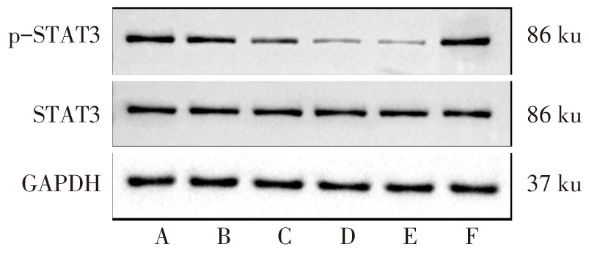
Fig.1 p-STAT3 expression levels in each group of SW1990 cells
| 组别 | 相对细胞活力/% | EdU阳性率/% | ||||
|---|---|---|---|---|---|---|
| 对照组 | 100.00±3.23 | 100.00±5.11 | ||||
| 0.05 PPM组 | 77.81±6.51a | 82.70±6.47a | ||||
| 0.1 PPM组 | 60.35±3.62ab | 64.46±4.11ab | ||||
| 0.2 PPM组 | 38.46±3.49abc | 43.12±3.57abc | ||||
| NC-oe+0.2 PPM组 | 39.22±2.96 | 39.93±2.77 | ||||
| STAT3-oe+0.2 PPM组 | 69.91±4.79d | 68.63±11.78d | ||||
| F | 183.597** | 78.132** | ||||
| 组别 | TUNEL阳性率/% | Bcl-2/GAPDH | Bax/GAPDH | |||
| 对照组 | 4.82±0.32 | 1.00±0.06 | 1.00±0.07 | |||
| 0.05 PPM组 | 15.35±1.26a | 0.81±0.06a | 2.79±0.36a | |||
| 0.1 PPM组 | 26.91±2.56ab | 0.65±0.04ab | 4.25±0.39ab | |||
| 0.2 PPM组 | 34.58±4.22abc | 0.41±0.03abc | 5.11±0.66abc | |||
| NC-oe+0.2 PPM组 | 35.41±3.76 | 0.40±0.02 | 5.28±0.70 | |||
| STAT3-oe+0.2 PPM组 | 18.92±2.33d | 0.62±0.05d | 3.53±0.24d | |||
| F | 111.874** | 152.983** | 73.371** | |||
Tab.2 Comparison of the relative cell viability, EdU positive rate, TUNEL positive rate, and protein expression levels of Bcl-2 and Bax between each group of SW1990 cells (n=6,$\stackrel{-}{x}\pm s$)
| 组别 | 相对细胞活力/% | EdU阳性率/% | ||||
|---|---|---|---|---|---|---|
| 对照组 | 100.00±3.23 | 100.00±5.11 | ||||
| 0.05 PPM组 | 77.81±6.51a | 82.70±6.47a | ||||
| 0.1 PPM组 | 60.35±3.62ab | 64.46±4.11ab | ||||
| 0.2 PPM组 | 38.46±3.49abc | 43.12±3.57abc | ||||
| NC-oe+0.2 PPM组 | 39.22±2.96 | 39.93±2.77 | ||||
| STAT3-oe+0.2 PPM组 | 69.91±4.79d | 68.63±11.78d | ||||
| F | 183.597** | 78.132** | ||||
| 组别 | TUNEL阳性率/% | Bcl-2/GAPDH | Bax/GAPDH | |||
| 对照组 | 4.82±0.32 | 1.00±0.06 | 1.00±0.07 | |||
| 0.05 PPM组 | 15.35±1.26a | 0.81±0.06a | 2.79±0.36a | |||
| 0.1 PPM组 | 26.91±2.56ab | 0.65±0.04ab | 4.25±0.39ab | |||
| 0.2 PPM组 | 34.58±4.22abc | 0.41±0.03abc | 5.11±0.66abc | |||
| NC-oe+0.2 PPM组 | 35.41±3.76 | 0.40±0.02 | 5.28±0.70 | |||
| STAT3-oe+0.2 PPM组 | 18.92±2.33d | 0.62±0.05d | 3.53±0.24d | |||
| F | 111.874** | 152.983** | 73.371** | |||
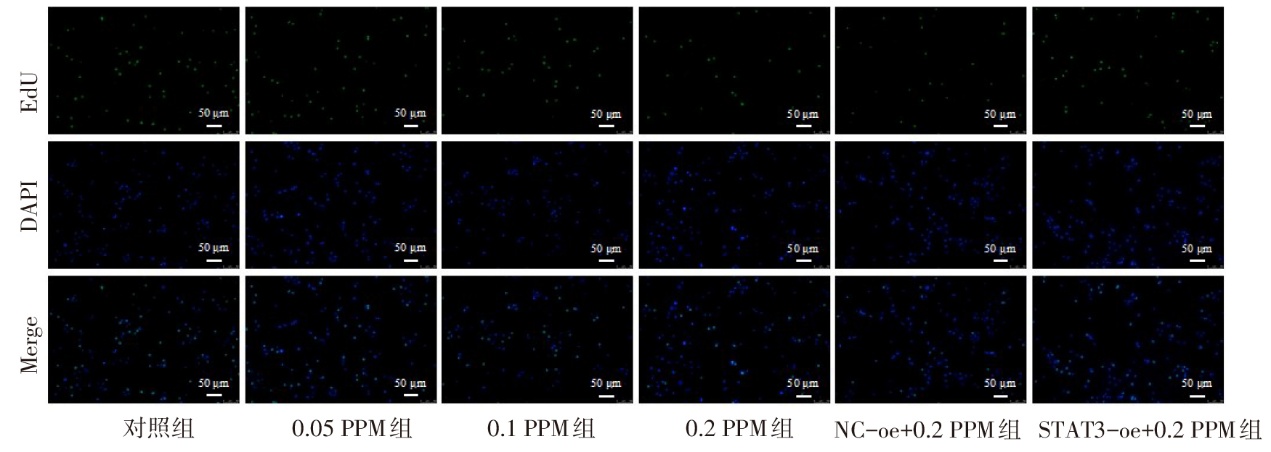
Fig.2 The proliferation levels of SW1990 cells in each group detected by EdU staining
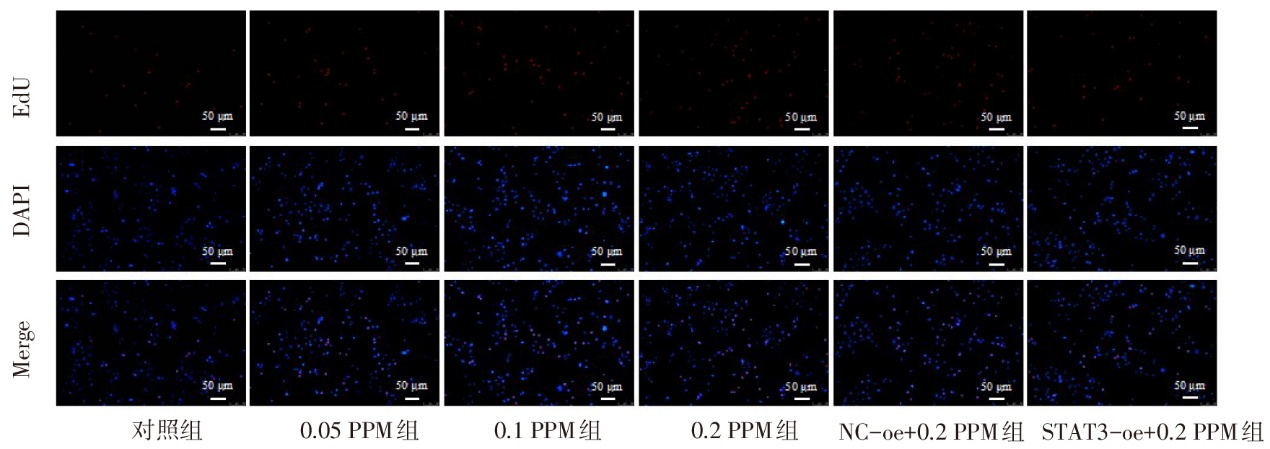
Fig.3 The apoptotic levels of SW1990 cells in each group detected by TUNEL staining
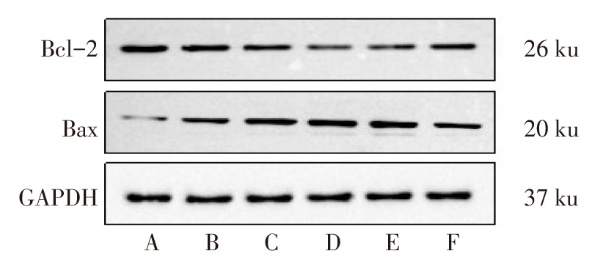
Fig. 4 Comparison of Bcl-2 and Bax protein expression levels between each group of SW1990 cells
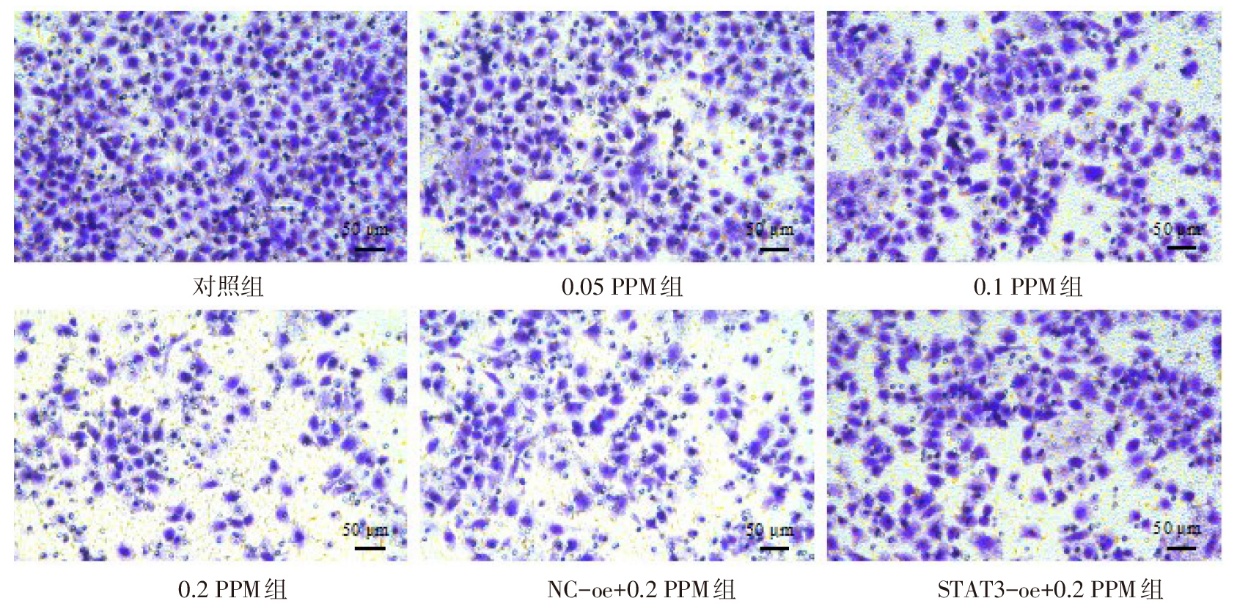
Fig.5 The invasion levels of SW1990 cells in each group detected by crystal violet staining in Transwell assay
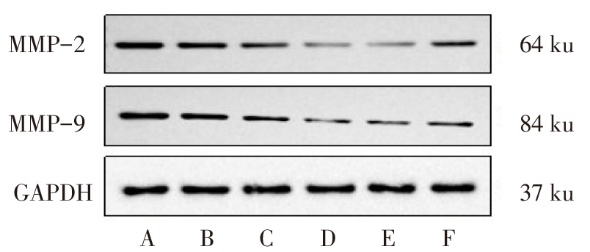
Fig. 6 Comparison of the expression levels of MMP-2 and MMP-9 proteins between each group of SW1990 cells
| 组别 | 侵袭细胞数/个 | MMP-2/GAPDH | MMP-9/GAPDH |
|---|---|---|---|
| 对照组 | 128.17±6.91 | 1.00±0.02 | 1.00±0.06 |
| 0.05 PPM组 | 107.17±12.02a | 0.79±0.06a | 0.69±0.05a |
| 0.1 PPM组 | 79.33±10.61ab | 0.52±0.03ab | 0.55±0.03ab |
| 0.2 PPM组 | 49.67±8.04abc | 0.25±0.02abc | 0.31±0.02abc |
| NC-oe+0.2 PPM组 | 53.50±3.02 | 0.24±0.02 | 0.29±0.02 |
| STAT3-oe+0.2 PPM组 | 88.67±3.14d | 0.62±0.03d | 0.59±0.04d |
| F | 85.943** | 487.081** | 243.020** |
Tab.3 The number of invasive cells and the relative levels of MMP-2 and MMP-9 proteins in SW1990 cells of each group (n=6,$\stackrel{-}{x}\pm s$)
| 组别 | 侵袭细胞数/个 | MMP-2/GAPDH | MMP-9/GAPDH |
|---|---|---|---|
| 对照组 | 128.17±6.91 | 1.00±0.02 | 1.00±0.06 |
| 0.05 PPM组 | 107.17±12.02a | 0.79±0.06a | 0.69±0.05a |
| 0.1 PPM组 | 79.33±10.61ab | 0.52±0.03ab | 0.55±0.03ab |
| 0.2 PPM组 | 49.67±8.04abc | 0.25±0.02abc | 0.31±0.02abc |
| NC-oe+0.2 PPM组 | 53.50±3.02 | 0.24±0.02 | 0.29±0.02 |
| STAT3-oe+0.2 PPM组 | 88.67±3.14d | 0.62±0.03d | 0.59±0.04d |
| F | 85.943** | 487.081** | 243.020** |
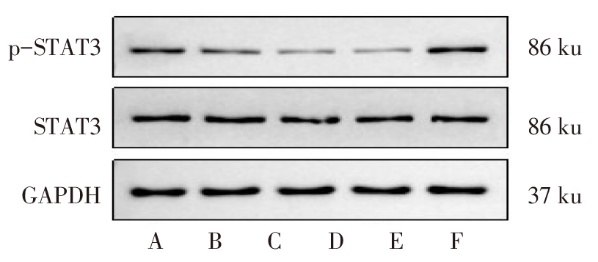
Fig.7 p-STAT3 expression levels in tumor tissue of each group of mice
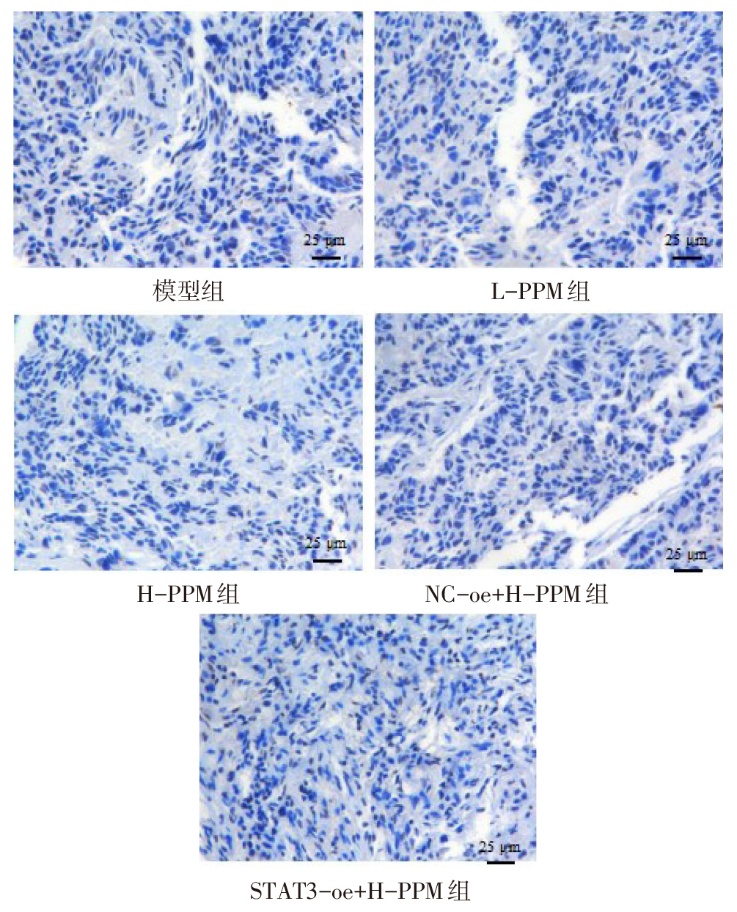
Fig.8 Immunohistochemical staining of p-STAT3 in tumor tissue of each group of mice
| 组别 | STAT3 mRNA | p-STAT3(Tyr705)/STAT3 | p-STAT3阳性率/% |
|---|---|---|---|
| 模型组 | 1.00±0.06 | 1.00±0.07 | 60.38±7.99 |
| L-PPM组 | 0.66±0.05a | 0.57±0.06a | 37.44±4.61a |
| H-PPM组 | 0.31±0.02ab | 0.26±0.02ab | 20.47±0.96ab |
| NC-oe+H-PPM组 | 0.30±0.03 | 0.25±0.02 | 20.42±0.85 |
| STAT3-oe+H-PPM组 | 2.61±0.19c | 2.17±0.24c | 78.08±5.90c |
| F | 622.450** | 290.289** | 159.239** |
Tab.4 Comparison of the relative levels of STAT3 mRNA, p-STAT3 (Tyr705) protein and the positive rate of p-STAT3 in tumor tissue between the six groups of mice (n=6,$\stackrel{-}{x}\pm s$)
| 组别 | STAT3 mRNA | p-STAT3(Tyr705)/STAT3 | p-STAT3阳性率/% |
|---|---|---|---|
| 模型组 | 1.00±0.06 | 1.00±0.07 | 60.38±7.99 |
| L-PPM组 | 0.66±0.05a | 0.57±0.06a | 37.44±4.61a |
| H-PPM组 | 0.31±0.02ab | 0.26±0.02ab | 20.47±0.96ab |
| NC-oe+H-PPM组 | 0.30±0.03 | 0.25±0.02 | 20.42±0.85 |
| STAT3-oe+H-PPM组 | 2.61±0.19c | 2.17±0.24c | 78.08±5.90c |
| F | 622.450** | 290.289** | 159.239** |
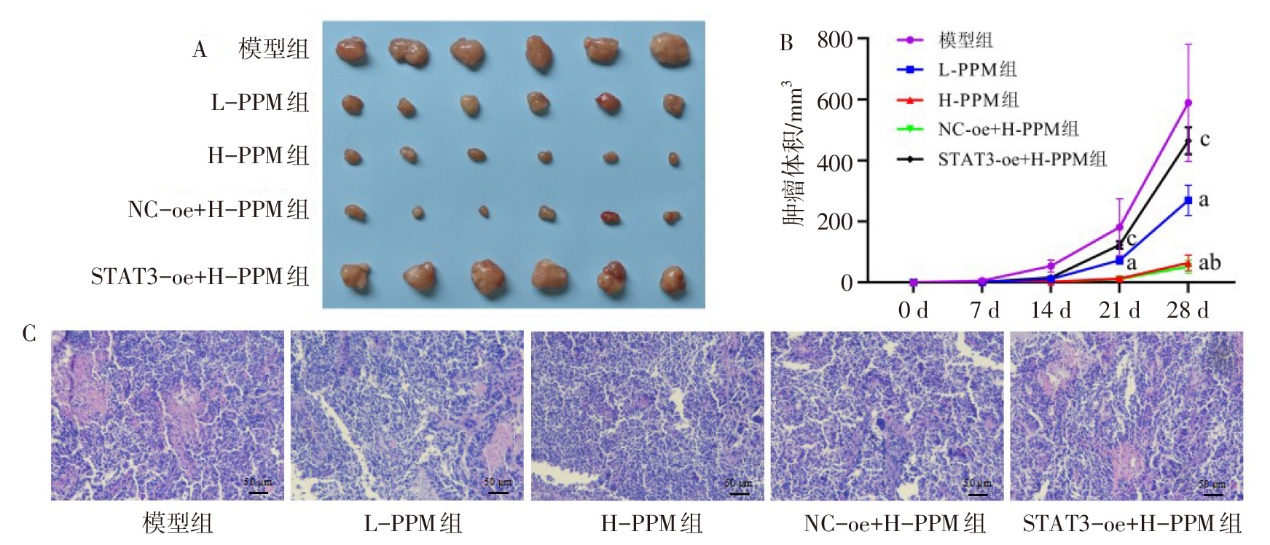
Fig. 9 Tumor volume and pathological examination of each group of mice
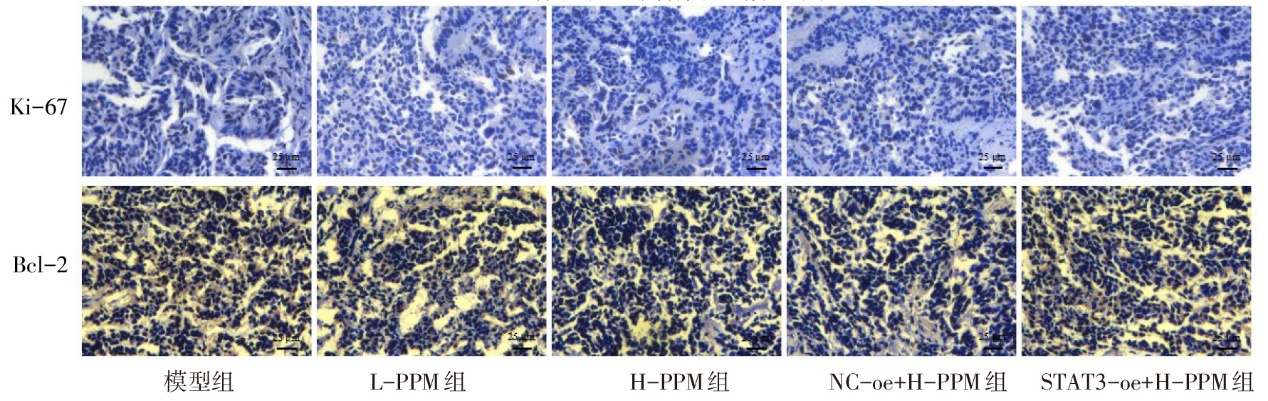
Fig.10 Analysis of the expression levels of Ki-67 and Bcl-2 in tumor tissue of each group of mice
| 组别 | Ki-67阳性率/% | Bcl-2阳性率/% |
|---|---|---|
| 模型组 | 51.15±8.14 | 67.84±6.57 |
| L-PPM组 | 36.98±3.93a | 52.98±4.33a |
| H-PPM组 | 19.18±0.86ab | 30.78±1.72ab |
| NC-oe+H-PPM组 | 18.94±1.68 | 29.49±2.73 |
| STAT3-oe+H-PPM组 | 44.80±5.50c | 58.47±2.68c |
| F | 56.125** | 110.005** |
Tab.5 Comparison of the positive rates of Ki-67 and Bcl-2 in mouse tumor tissue between different groups (n=6,$\stackrel{-}{x}\pm s$)
| 组别 | Ki-67阳性率/% | Bcl-2阳性率/% |
|---|---|---|
| 模型组 | 51.15±8.14 | 67.84±6.57 |
| L-PPM组 | 36.98±3.93a | 52.98±4.33a |
| H-PPM组 | 19.18±0.86ab | 30.78±1.72ab |
| NC-oe+H-PPM组 | 18.94±1.68 | 29.49±2.73 |
| STAT3-oe+H-PPM组 | 44.80±5.50c | 58.47±2.68c |
| F | 56.125** | 110.005** |
| [1] | 闫玲新, 李森, 郭改莉, 等. 异牡荆素通过miR-339-5p/HSPA8轴调节胰腺癌细胞的生物学行为[J]. 天津医药, 2025, 53(3):230-235. |
| Yan L X, Li S, Guo G L, et al. Isovitexin regulates proliferation,migration and invasion of pancreatic cancer cells via the miR-339-5p/HSPA8 axis[J]. Tianjin Med J, 2025, 53(3):230-235. doi:10.11958/20242056. | |
| [2] | Hamel Z, Sanchez S, Standing D, et al. Role of STAT3 in pancreatic cancer[J]. Explor Target Antitumor Ther, 2024, 5(5):20-34. doi:10.37349/etat.2024.00202. |
| [3] | Li X, Jiang W, Dong S, et al. STAT3 inhibitors:a novel insight for anticancer therapy of pancreatic cancer[J]. Biomolecules, 2022, 12(10):1450. doi:10.3390/biom12101450. |
| [4] | Petrocca F, Lieberman J. Promise and challenge of RNA interference-based therapy for cancer[J]. J Clin Oncol, 2011, 29(6):747-754. doi:10.1200/JCO.2009.27.6287. |
| [5] | Cheng Y, Wang G, Zhao L, et al. Periplocymarin induced colorectal cancer cells apoptosis via impairing PI3K/AKT pathway[J]. Front Oncol, 2021, 11:753598. doi:10.3389/fonc.2021.753598. |
| [6] | Hao Y, Song T, Wang M, et al. Dual targets of lethal apoptosis and protective autophagy in liver cancer with periplocymarin elicit a limited therapeutic effect[J]. Int J Oncol, 2023, 62(3):44. doi:10.3892/ijo.2023.5492. |
| [7] | Ke A, Yang W, Zhang W, et al. The cardiac glycoside periplocymarin sensitizes gastric cancer to ferroptosis via the ATP1A1-Src-YAP/TAZ-TFRC axis[J]. Phytomedicine, 2025, 142:156804. doi:10.1016/j.phymed.2025.156804. |
| [8] | Fan C, Liang S, Ye M, et al. Periplocymarin alleviates pathological cardiac hypertrophy via inhibiting the JAK2/STAT3 signalling pathway[J]. J Cell Mol Med, 2022, 26(9):2607-2619. doi:10.1111/jcmm.17267. |
| [9] | 邢雪, 郭晓, 任晓亮, 等. 杠柳毒苷、杠柳次苷及杠柳苷元生物药剂学分类研究[J]. 中草药, 2019, 50(5):1082-1087. |
| Xing X, Guo X, Ren X L, et al. Biopharmaceuticals classification system (BCS) of periplocin,periplocymarin and periplogenin[J]. Chinese Traditional and Herbal Drugs, 2019, 50(5):1082-1087. doi:10.7501/j.issn.0253-2670.2019.05.009. | |
| [10] | Martey O N K, He X, Xing H, et al. Periplocymarin is a potential natural compound for drug development:highly permeable with absence of P-glycoprotein efflux and cytochrome P450 inhibitions[J]. Biopharm Drug Dispos, 2014, 35(4):195-206. doi:10.1002/bdd.1884. |
| [11] | Chen H, Bian A, Yang L, et al. Targeting STAT3 by a small molecule suppresses pancreatic cancer progression[J]. Oncogene, 2021, 40(8):1440-1457. doi:10.1038/s41388-020-01626-z. |
| [12] | 董赟, 冯一中, 李峰. 应用组织芯片研究Pim-3、p-STAT3在胰腺癌中的表达及临床意义[J]. 临床与实验病理学杂志, 2008, 24(3):291-295. |
| Dong Y, Feng Y Z, Li F. Expression and clinical significance of pim-3 and p-STAT3 in pancreatic cancer with tissue microarray[J]. Chinese Journal of Clinical and Experimental Pathology, 2008, 24(3):291-295. doi:10.3969/j.issn.1001-7399.2008.03.010. | |
| [13] | Bai L, Zhou H, Xu R, et al. A potent and selective small-molecule degrader of STAT3 achieves complete tumor regression in vivo[J]. Cancer Cell, 2019, 36(5):498-511.e17. doi:10.1016/j.ccell.2019.10.002. |
| [14] | Qin A, Yu Q, Gao Y, et al. Inhibition of STAT3/cyclinD1 pathway promotes chemotherapeutic sensitivity of colorectal caner[J]. Biochem Biophys Res Commun, 2015, 457(4):681-687. doi:10.1016/j.bbrc.2015.01.048. |
| [15] | Zhang S, Li J, Xie P, et al. STAT3/c-Myc Axis-mediated metabolism alternations of inflammation-related glycolysis involve with colorectal carcinogenesis[J]. Rejuvenation Res, 2019, 22(2):138-145. doi:10.1089/rej.2018.2089. |
| [16] | Minus M B, Wang H, Munoz J O, et al. Targeting STAT3 anti-apoptosis pathways with organic and hybrid organic-inorganic inhibitors[J]. Org Biomol Chem, 2020, 18(17):3288-3296. doi:10.1039/c9ob02682g. |
| [17] | Xu Y, Feng S, Niu B. Silencing Stat3 inhibits viability and induces apoptosis in BGC-823 human gastric cancer cell line[J]. Biotech Histochem, 2021, 96(1):76-81. doi:10.1080/10520295.2020.1770332. |
| [18] | Bhattacharya S, Ray R M, Johnson L R. STAT3-mediated transcription of Bcl-2,Mcl-1 and c-IAP2 prevents apoptosis in polyamine-depleted cells[J]. Biochem J, 2005, 392(Pt 2):335-344. doi:10.1042/BJ20050465. |
| [19] | Guha P, Gardell J, Darpolor J, et al. STAT3 inhibition induces Bax-dependent apoptosis in liver tumor myeloid-derived suppressor cells[J]. Oncogene, 2019, 38(4):533-548. doi:10.1038/s41388-018-0449-z. |
| [20] | Xiang T, Xia X, Yan W. Expression of matrix metalloproteinases-2/-9 is associated with microvessel density in pancreatic cancer[J]. Am J Ther, 2017, 24(4):e431-e434. doi:10.1097/MJT.0000000000000424. |
| [21] | Zhang F, Wang Z, Fan Y, et al. Elevated STAT3 signaling-mediated upregulation of MMP-2/9 confers enhanced invasion ability in multidrug-resistant breast cancer cells[J]. Int J Mol Sci, 2015, 16(10):24772-24790. doi:10.3390/ijms161024772. |
| [1] | ZHAO Lanjun, LI Lianghui, MA Xin, GONG Jiaojiao, ZHENG Chenhui, SHI Lin. The effect of andrographolide regulating STAT3/GPX4 pathway on proliferation and apoptosis of myeloma cells [J]. Tianjin Medical Journal, 2026, 54(1): 8-13. |
| [2] | YAN Lingxin, LI Sen, GUO Gaili, MENG Wanqiu, XU Chao. Isovitexin regulates proliferation, migration and invasion of pancreatic cancer cells via the miR-339-5p/HSPA8 axis [J]. Tianjin Medical Journal, 2025, 53(3): 230-235. |
| [3] | XU Fang, LIANG Yi, HE Yong, XU Julong. Impact of sufentanil on liver injury in burn-induced sepsis rats by regulating JAK2/STAT3 signaling pathway [J]. Tianjin Medical Journal, 2024, 52(11): 1158-1163. |
| [4] | LI Hongjun, QIAN Liang, DENG Xinchao, YU Ting, WU Yan, WU Hongli. Mechanism of Shujin Huoxue Capsule in relieving knee osteoarthritis in rats through JAK2/STAT3 pathway [J]. Tianjin Medical Journal, 2023, 51(9): 961-967. |
| [5] | GAO Huijie, LI Qian, TIAN Bin, ZHU Riming, LIU Chao. Effects of taurine on proliferation, apoptosis and migration of human pancreatic cancer cell lines BxPC-3 and PANC-1 [J]. Tianjin Medical Journal, 2023, 51(7): 707-712. |
| [6] | LUO Na, NI Meng, DIAO Yunhui. The effect of Thioridazine on proliferation and apoptosis of pancreatic cancer cells [J]. Tianjin Medical Journal, 2023, 51(3): 230-234. |
| [7] | JIANG Hua, SHEN Yanmei, MA Xunkai. The effects of down-regulation of miR-106a-5p on hydrogen peroxide-induced cardiomyocyte damage and JAK1/STAT3 pathway [J]. Tianjin Medical Journal, 2023, 51(2): 113-117. |
| [8] | ZHAN Wenjing, LIANG Mingjie, LIU Yuan, HUANG Yuanfeng, WANG Weixuan. Effects and mechanism of STAT3 inhibitor and nicotinamide combination on the inhibiting proliferation of hepatocarcinoma HepG2 cells [J]. Tianjin Medical Journal, 2022, 50(7): 686-692. |
| [9] | ZHANG Ni, JIAN Jiu-ying, WANG Xiao-xiao, YU Ting, CHEN Si-yu, GUO Bing, LIU Li-rong . Study on the correlation between histone methyltransferase 2 and cisplatin-induced inflammation in chronic kidney disease [J]. Tianjin Medical Journal, 2021, 49(10): 1048-1052. |
| [10] | XIA Yu-mei, TANG Jing, LI Hui, XU Ci, QIN Qi-xiong, QUAN Xue-mei, CHEN Ya, LIANG Zhi-jian△. Clinical features and possible pathogenesis of pancreatic cancer-related cerebral infarction [J]. Tianjin Medical Journal, 2020, 48(8): 744-748. |
| [11] | ZHOU Xuan, REN Yu, QIAO Yu. Research progress of STAT3 in squamous cell carcinoma of head and neck #br# [J]. Tianjin Medical Journal, 2020, 48(6): 563-567. |
| [12] | XUE Li-li, WU Tie-long, DAI Yuan-yuan, WANG Wen-yuan, SHENG Ying-yue, XUE Yu-zheng. The effect of knockdown NEDD9 gene expression on functions of pancreatic cancer BxPC-3 cells in vitro and in vivo [J]. Tianjin Medical Journal, 2020, 48(2): 96-100. |
| [13] | LIU Xiao-zhu, LI Yin-feng. The molecular mechanism of inhibiting effect of miR-149 on the metastasis of human colonic carcinoma cells [J]. Tianjin Med J, 2020, 48(1): 19-24. |
| [14] | CHEN Xi-juan, HU Li-juan, QIU Shuai, YANG Jing, XIE Jun-mu-zi, WANG Feng. Effects of β-PGG on glycolysis and proliferation of pancreatic cancer cells [J]. Tianjin Medical Journal, 2019, 47(7): 696-699. |
| [15] | XIAO Di, ZHAO Tian-suo, YU Ming. The low expression of ESE3 under hypoxia and glucose deprived conditions promotes the invasion of PDAC cell line [J]. Tianjin Medical Journal, 2019, 47(3): 225-229. |
| Viewed | ||||||
|
Full text |
|
|||||
|
Abstract |
|
|||||
