
Tianjin Medical Journal ›› 2026, Vol. 54 ›› Issue (8): 886-890.doi: 10.11958/20253033
• Review • Previous Articles Next Articles
HU Nan1( ), WANG Jiefu2,△()
Received:2025-12-25
Revised:2026-04-10
Published:2026-08-15
Online:2026-08-07
Contact:
△E-mail: HU Nan, WANG Jiefu. Research advances of the effects of neoadjuvant chemotherapy on postoperative cognitive function in cancer patients[J]. Tianjin Medical Journal, 2026, 54(8): 886-890.
CLC Number:
| 药物 类别 | 代表 药物 | 神经毒性 表现 | 对认知功能的 影响 |
|---|---|---|---|
| 烷化剂 | 环磷酰胺 | 周围神经病变、可逆性认知障碍 | 短期记忆减退、注意力分散 |
| 抗代谢药 | 甲氨蝶呤 | 中枢神经系统毒性(脑膜炎、脑病) | 执行功能下降、语言流畅性降低 |
| 植物类生物碱 | 紫杉醇、长春新碱 | 周围神经病变(感觉异常、疼痛) | 精细动作协调障碍,影响认知任务执行 |
| 铂类 | 顺铂、奥沙利铂 | 周围神经病变(剂量依赖性)、耳鸣 | 信息处理速度减慢、视觉空间能力下降 |
| 蒽环类 | 阿霉素 | 较少直接神经毒性,但可通过氧化应激间接影响 | 可能与长期记忆损害相关 |
Tab.1 Various neoadjuvant chemotherapy drugs and their characteristics
| 药物 类别 | 代表 药物 | 神经毒性 表现 | 对认知功能的 影响 |
|---|---|---|---|
| 烷化剂 | 环磷酰胺 | 周围神经病变、可逆性认知障碍 | 短期记忆减退、注意力分散 |
| 抗代谢药 | 甲氨蝶呤 | 中枢神经系统毒性(脑膜炎、脑病) | 执行功能下降、语言流畅性降低 |
| 植物类生物碱 | 紫杉醇、长春新碱 | 周围神经病变(感觉异常、疼痛) | 精细动作协调障碍,影响认知任务执行 |
| 铂类 | 顺铂、奥沙利铂 | 周围神经病变(剂量依赖性)、耳鸣 | 信息处理速度减慢、视觉空间能力下降 |
| 蒽环类 | 阿霉素 | 较少直接神经毒性,但可通过氧化应激间接影响 | 可能与长期记忆损害相关 |
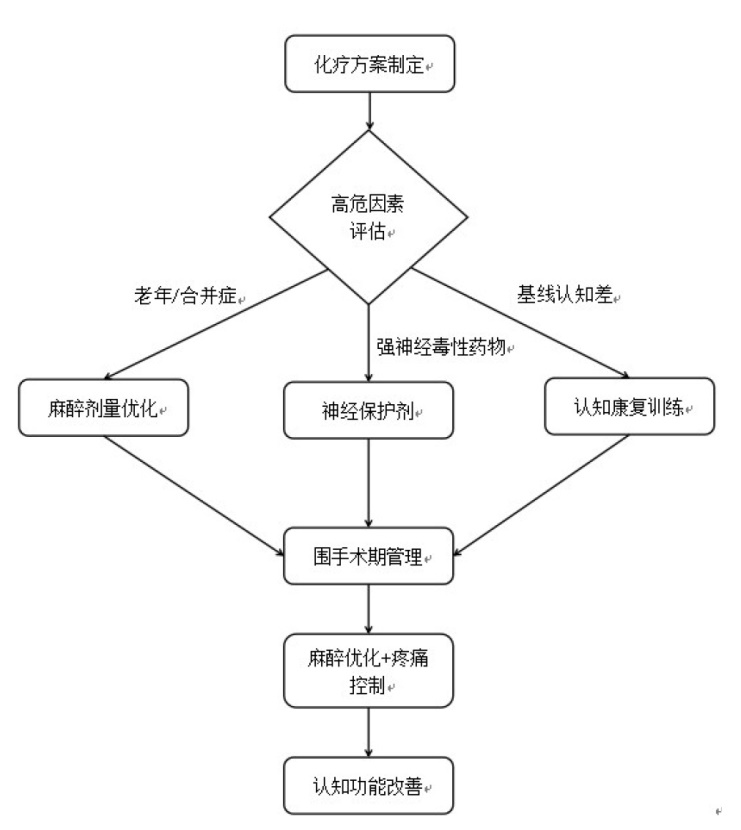
Fig.1 Decision-making path for cognitive impairment interventions
| 药物类型 | 代表药物 | 作用机制 | 临床证据等级 |
|---|---|---|---|
| 抗氧化剂 | 维生素E、硫辛酸 | 清除自由基,抑制氧化应激 | Ⅱ级(多项 RCT 显示可改善主观认知症状) |
| 神经营养因子 | 脑源性神经营养因子(BDNF) | 促进神经细胞存活与突触可塑性 | Ⅲ级(动物实验有效,临床Ⅱ期试验中) |
| 抗炎药物 | 米诺环素 | 抑制小胶质细胞过度激活 | Ⅱ级(可降低脑脊液IL-6水平,但对认知功能改善证据有限) |
| 胆碱酯酶抑制剂 | 多奈哌齐 | 提高脑内乙酰胆碱水平 | Ⅱ级(术后短期使用可改善记忆测试成绩) |
Tab.2 Neuroprotective drugs and their mechanisms of action
| 药物类型 | 代表药物 | 作用机制 | 临床证据等级 |
|---|---|---|---|
| 抗氧化剂 | 维生素E、硫辛酸 | 清除自由基,抑制氧化应激 | Ⅱ级(多项 RCT 显示可改善主观认知症状) |
| 神经营养因子 | 脑源性神经营养因子(BDNF) | 促进神经细胞存活与突触可塑性 | Ⅲ级(动物实验有效,临床Ⅱ期试验中) |
| 抗炎药物 | 米诺环素 | 抑制小胶质细胞过度激活 | Ⅱ级(可降低脑脊液IL-6水平,但对认知功能改善证据有限) |
| 胆碱酯酶抑制剂 | 多奈哌齐 | 提高脑内乙酰胆碱水平 | Ⅱ级(术后短期使用可改善记忆测试成绩) |
| [1] | Tang R, Xu J, Wang W, et al. Targeting neoadjuvant chemotherapy-induced metabolic reprogramming in pancreatic cancer promotes anti-tumor immunity and chemo-response[J]. Cell Rep Med, 2023, 4(10):101234. doi:10.1016/j.xcrm.2023.101234. |
| [2] | Larrabee K, Meeks N, Williams A M, et al. Cognitive function and postoperative outcomes in patients with head and neck cancer[J]. Laryngoscope, 2023, 133(11):2999-3005. doi:10.1002/lary.30677. |
| [3] | Bascoul-Mollevi C, Gourgou S, Borg C, et al. Neoadjuvant chemotherapy with FOLFIRINOX and preoperative chemoradiotherapy for patients with locally advanced rectal cancer(Unicancer Prodige 23):health-related quality of life longitudinal analysis[J]. Eur J Cancer, 2023, 186:151-165. doi:10.1016/j.ejca.2023.03.021. |
| [4] | Yang Y, Chen J, Wen Q, et al. Effects of preoperative neoadjuvant chemotherapy on postoperative delirium in patients with gynecological tumor surgery:an observational study[J]. J Cancer Res Clin Oncol, 2024, 150(11):497. doi:10.1007/s00432-024-06006-8. |
| [5] | Pecorella G, De Rosa F, Licchelli M, et al. Postoperative cognitive disorders and delirium in gynecologic surgery:which surgery and anesthetic techniques to use to reduce the risk?[J]. Int J Gynaecol Obstet, 2024, 166(3):954-968. doi:10.1002/ijgo.15464. |
| [6] | Bursi M, Rizzo C, Barberis M, et al. Oncological,cognitive,and employment outcomes in a series of patients with IDH-mutated glioma resected following neoadjuvant chemotherapy[J]. Acta Neurochir(Wien), 2023, 165(9):2461-2471. doi:10.1007/s00701-023-05711-6. |
| [7] | Yu S, Zhao J, Wang M, et al. The correlation between neutrophil-to-lymphocyte ratio,carcinoembryonic antigen,and carbohydrate antigen 153 levels with chemotherapy-related cognitive impairment in early-stage breast cancer patients[J]. Front Med (Lausanne), 2022, 9:945433. doi:10.3389/fmed.2022.945433. |
| [8] | Wang K, Er J, Zhang Y, et al. Increased opioid consumption in neoadjuvant immunotherapy plus chemotherapy for patients with non-small-cell lung cancer:a multicenter,prospective cohort study[J]. CNS Neurosci Ther, 2024, 30(8):e14893. doi:10.1111/cns.14893. |
| [9] | Habtie T E, Abate M D, Abebe G K, et al. Chemotherapy-induced peripheral neuropathy and its determinants among adult cancer patients on chemotherapy in northwest Ethiopia oncology centers,2022[J]. Front Oncol, 2024, 14:1420518. doi:10.3389/fonc.2024.1420518. |
| [10] | Bosc L, Pero M E, Balayssac D, et al. Preventing neuropathy and improving anti-cancer chemotherapy with a carbazole-based compound[J]. bioRxiv, 2025:2025.03.10.642317. doi:10.1101/2025.03.10.642317. |
| [11] | 彭嘉欣, 高怡瑾. 顺铂诱导耳毒性的发生机制及预防措施研究进展[J]. 国际儿科学杂志, 2023, 50(4):229-233. |
| Peng J X, Gao Y J. Progress in the mechanisms and preventive measures of cisplatin-induced ototoxicity[J]. International Journal of Pediatrics, 2023, 50(4):229-233. doi:10.3760/cma.j.issn.1673-4408.2023.04.003. | |
| [12] | 张倩, 李娜, 杨华, 等. 含白蛋白结合型紫杉醇化疗方案治疗时联合口服神效黄芪汤加减方和甲钴胺的乳腺癌患者周围神经毒性发生情况[J]. 山东医药, 2024, 64(15):59-62. |
| Zhang Q, Li N, Yang H, et al. Peripheral neurotoxicity from an albumin-bound paclitaxel chemotherapy regimen with adjunctive oral shenxiao huangqi decoction and mecobalamin in breast cancer[J]. Shandong Medical Journal, 2024, 64(15):59-62. doi:10.3969/j.issn.1002-266X.2024.15.013. | |
| [13] | 任力飒, 王鹤泉, 杨建平, 等. 恶性肿瘤患者放疗后胞质分裂阻断的淋巴细胞微核率的变化[J]. 中华放射肿瘤学杂志, 1994, 3(2):127-129. |
| Ren L S, Wang H Q, Yang J P, et al. Micronuclei in cytokinesis-blocked lymphocytes of cancer patients after radiotherapy[J]. Chinese Journal of Radiation Oncology, 1994, 3(2):127-129. doi:10.3760/cma.j.issn.1004-4221.1994.02.130. | |
| [14] | 仇静茹, 林志, 霍桂桃, 等. 新型抗肿瘤药物的神经毒性研究进展[J]. 药物评价研究, 2025, 48(1):243-249. |
| Qiu J R, Lin Z, Huo G T, et al. Research progress of neurotoxicity of new anti-tumor drugs[J]. Drug Evaluation Research, 2025, 48(1):243-249. doi:10.7501/j.issn.1674-6376.2025.01.023. | |
| [15] | 张永超, 陈子茵, 肖青娥, 等. 中医药治疗化疗所致周围神经毒性研究进展[J]. 河北中医, 2024, 46(12):2099-2103. |
| Zhang Y C, Chen Z Y, Xiao Q E, et al. Research advances in the treatment of chemotherapy-induced peripheral neuropathy with traditional Chinese medicine[J]. Hebei Journal of Traditional Chinese Medicine, 2024, 46(12):2099-2103. doi:10.3969/j.issn.1002-2619.2024.12.034. | |
| [16] | 王乾印, 田春兰, 付甜甜. 紫杉醇致外周神经毒性的预防和治疗的研究进展[J]. 当代医学, 2024, 30(3):184-187. |
| Wang Q Y, Tian C L, Fu T T, et al. Research progress in the prevention and treatment of peripheral neurotoxicity caused by paclitaxel[J]. Contemporary Medicine, 2024, 30(3):184-187. doi:10.3969/j.issn.1009-4393.2024.03.48. | |
| [17] | Dwek M R, Newman S P, Brini S, et al. The impact of chemotherapy on cognitive performance post-surgery in patients with colorectal cancer:a prospective cohort study[J]. Psychooncology, 2023, 32(7):1057-1066. doi:10.1002/pon.6147. |
| [18] | 王惠. 术前新辅助化疗对乳腺癌患者术后认知功能障碍的影响[D]. 南宁: 广西医科大学, 2022. |
| Wang H. The impact of preoperative neoadjuvant chemotherapy on postoperative cognitive dysfunction in breast cancer patients[D]. Nanning: Guangxi Medical University, 2022. doi:10.27038/d.cnki.ggxyu.2022.001180. | |
| [19] | 姜远旭, 程静, 张雪萍. 右美托咪定对新辅助化疗结肠癌手术患者术后认知功能障碍的影响[J]. 浙江医学, 2023, 45(12):1287-1291. |
| Jiang Y X, Cheng J, Zhang X P. Effects of dexmedetomidine on post operative cognitive dysfunction in colon cancer patients with neoadjuvant chemotherapy[J]. Zhejiang Medical Journal, 2023, 45(12):1287-1291. doi:10.12056/j.issn.1006-2785.2023.45.12.2022-2036. | |
| [20] | 王娇, 何玥, 杨淑丽, 等. 铂类为基础新辅助化疗联合手术治疗局部晚期宫颈癌的生存和生活质量研究[J]. 中国医刊, 2024, 59(11):1257-1260. |
| Wang J, He Y, Yang S L, et al. Study on survival and quality of life of platinum-based neoadjuvant chemotherapy combined with surgery in the treatment of locally advanced cervical cancer[J]. Chinese Journal of Medicine, 2024, 59(11):1257-1260. doi:10.3969/j.issn.1008-1070.2024.11.025. | |
| [21] | Mokshagundam S, Mcgree M E, Tapia A L, et al. Physical and psychological distress amongst patients undergoing neoadjuvant chemotherapy for advanced ovarian cancer[J]. Gynecol Oncol, 2024, 190:230-235. doi:10.1016/j.ygyno.2024.08.024. |
| [22] | 乔丽梅, 陈铖, 王忠慧, 等. 新辅助化疗对恶性肿瘤患者围手术期神经认知障碍的影响[J]. 现代肿瘤医学, 2024, 32(15):2820-2825. |
| Qiao L M, Chen C, Wang Z H, et al. Effect of neoadjuvant chemotherapy on perioperative neurocognitive disorders in patients with malignant tumors[J]. Journal of Modern Oncology, 2024, 32(15):2820-2825. doi:10.3969/j.issn.1672-4992.2024.15.020. | |
| [23] | Słonimska P, Sachadyn P, Zieliński J, et al. Chemotherapy-mediated complications of wound healing:an understudied side effect[J]. Adv Wound Care(New Rochelle), 2024, 13(4):187-199. doi:10.1089/wound.2023.0097. |
| [24] | Gruil N D, Liefers G, Schagen S, et al. DIRECT2:a randomized phase Ⅲ trial with a fasting mimicking diet program to improve chemotherapy in patients with hormone receptor positive,HER2-negative breast cancer-a Dutch breast cancer research group study(BOOG)[J]. J Clin Oncol, 2023, 41:16. doi:10.1200/jco.2023.41.16_suppl.tps630. |
| [25] | Das A K, Makhdoomi M J, Bhat Z H, et al. Neuro-oncology,surgical oncology,and chemotherapy:symptoms,causes,and therapy[M]//Upadhyay S K, Dan S, Ali S A. Evidence‐Based Neurol Disord. New York: Jenny Stanford Publishing, 2024:267-310. |
| [26] | Hwang S Y, Kim K, Ha B, et al. Neurocognitive effects of chemotherapy for colorectal cancer:a systematic review and a meta-analysis of 11 studies[J]. Cancer Res Treat, 2021, 53(4):1134-1147. doi:10.4143/crt.2020.1191. |
| [27] | Li G, An C, Ren G, et al. Association of anemia with postoperative cognitive decline and increased inflammatory markers in elderly gastrointestinal cancer patients[J]. Am J Transl Res, 2024, 16(9):4390-4402. doi:10.62347/LUAJ9063. |
| [28] | Pereira S, Araújo N, Fontes F, et al. Cancer-related neuropathic pain,chemotherapy-induced peripheral neuropathy and cognitive decline in a 5-year prospective study of patients with breast cancer-NEON-BC[J]. Healthcare (Basel), 2023, 11(24):3132. doi:10.3390/healthcare11243132. |
| [29] | 吴云皓, 陈洁. 乳腺癌术后辅助化疗对老年患者衰弱、认知功能及生活质量的影响[J]. 中国普外基础与临床杂志, 2020, 27(9):1175-1179. |
| Wu Y H, Chen J. The impact of postoperative adjuvant chemotherapy for breast cancer on frailty,cognitive function and quality of life in elderly patients[J]. Chinese Journal of General Surgery and Clinical Medicine, 2020, 27(9):1175-1179. doi:10.7507/1007-9424.202001071. | |
| [30] | Kiesl D, Kuzdas-Sallaberger M, Fuchs D, et al. Protocol for the exercise,cancer and cognition - the ECCO-Study:a randomized controlled trial of simultaneous exercise during neo-/adjuvant chemotherapy in breast cancer patients and its effects on neurocognition[J]. Front Neurol, 2022, 13:777808. doi:10.3389/fneur.2022.777808. |
| [31] | Országhová Z, Mego M, Chovanec M. Long-term cognitive dysfunction in cancer survivors[J]. Front Mol Biosci, 2021, 8:770413. doi:10.3389/fmolb.2021.770413. |
| [32] | Alhowail A H, Aldubayan M. Recent progress in the elucidation of the mechanisms of chemotherapy-induced cognitive impairment[J]. Eur Rev Med Pharmacol Sci, 2021, 25(18):5807-5817. doi:10.26355/eurrev_202109_26799. |
| [33] | 龙丹, 谈天, 陈赠思. 化疗后认知功能损伤乳腺癌患者大脑结构改变的研究进展[J]. 浙江医学, 2022, 44(1):98-102. |
| Long D, Tan T, Chen Z S. Research progress on brain structural changes in breast cancer patients with cognitive impairment after chemotherapy[J]. Zhejiang Medical Journal, 2022, 44(1):98-102. doi:10.12056/j.issn.1006-2785.2022.44.1.2020-3306. | |
| [34] | Bai X, Zheng J, Zhang B, et al. Cognitive dysfunction and neurophysiologic mechanism of breast cancer patients undergoing chemotherapy based on resting state functional magnetic resonance imaging[J]. World Neurosurg, 2021, 149:406-412. doi:10.1016/j.wneu.2020.10.066. |
| [35] | Durán-Gómez N, López-Jurado C F, Nadal-Delgado M, et al. Chemotherapy-related cognitive impairment in patients with breast cancer based on functional assessment and NIRS analysis[J]. J Clin Med, 2022, 11(9):2363. doi:10.3390/jcm11092363. |
| [36] | Bai L, Yu E. A narrative review of risk factors and interventions for cancer-related cognitive impairment[J]. Ann Transl Med, 2021, 9(1):72. doi:10.21037/atm-20-6443. |
| [37] | Braschi C, Capsoni S, Narducci R, et al. Intranasal delivery of BDNF rescues memory deficits in AD11 mice and reduces brain microgliosis[J]. Aging Clinical and Experimental Research, 2021, 33(5):1223-1238. doi:10.1007/s40520-020-01646-5. |
| Viewed | ||||||
|
Full text |
|
|||||
|
Abstract |
|
|||||
