
Tianjin Medical Journal ›› 2024, Vol. 52 ›› Issue (3): 285-289.doi: 10.11958/20231956
• Experimental Research • Previous Articles Next Articles
WU Xiaoxiao1( ), HU Yukun2, WU Jiang3,△()
Received:2023-12-10
Revised:2023-12-25
Published:2024-03-15
Online:2024-03-13
Contact:
△E-mail: WU Xiaoxiao, HU Yukun, WU Jiang. Protective effect of asiatic acid on brain injury after experimental subarachnoidhemorrhage in rats[J]. Tianjin Medical Journal, 2024, 52(3): 285-289.
CLC Number:
| 组别 | n | 造模前 | SAH后3 d | SAH后5 d | SAH后7 d | SAH后14 d |
|---|---|---|---|---|---|---|
| Sham1组 | 12 | 1.58±0.90 | 1.50±1.45 | 1.25±0.97 | 0.75±0.75 | 0.67±0.89 |
| SAH+Vehicle组 | 12 | 1.50±1.31 | 18.42±1.56a | 15.33±1.44a | 12.83±1.59a | 8.67±1.61a |
| SAH+AA组 | 12 | 1.67±0.98 | 8.75±1.91b | 6.25±1.42b | 4.91±1.88b | 3.00±0.85b |
| F | 0.071 | 316.300** | 365.900** | 204.800** | 147.900** |
Tab.1 Comparison of treadle proportion of rats between three groups
| 组别 | n | 造模前 | SAH后3 d | SAH后5 d | SAH后7 d | SAH后14 d |
|---|---|---|---|---|---|---|
| Sham1组 | 12 | 1.58±0.90 | 1.50±1.45 | 1.25±0.97 | 0.75±0.75 | 0.67±0.89 |
| SAH+Vehicle组 | 12 | 1.50±1.31 | 18.42±1.56a | 15.33±1.44a | 12.83±1.59a | 8.67±1.61a |
| SAH+AA组 | 12 | 1.67±0.98 | 8.75±1.91b | 6.25±1.42b | 4.91±1.88b | 3.00±0.85b |
| F | 0.071 | 316.300** | 365.900** | 204.800** | 147.900** |
| 组别 | n | 造模前 | SAH后3 d | SAH后5 d | SAH后7 d |
|---|---|---|---|---|---|
| Sham1组 | 12 | 17.8±0.5 | 17.5±0.5 | 17.6±0.5 | 17.6±0.5 |
| SAH+Vehicle组 | 12 | 17.5±0.5 | 12.3±1.4a | 13.3±1.6a | 14.1±1.6a |
| SAH+AA组 | 12 | 17.6±0.5 | 14.9±0.7b | 15.8±0.7b | 16.6±0.8b |
| F | 0.786 | 90.460** | 51.090** | 35.020** |
Tab.2 Comparison of improved Garcia scores between three groups of rats
| 组别 | n | 造模前 | SAH后3 d | SAH后5 d | SAH后7 d |
|---|---|---|---|---|---|
| Sham1组 | 12 | 17.8±0.5 | 17.5±0.5 | 17.6±0.5 | 17.6±0.5 |
| SAH+Vehicle组 | 12 | 17.5±0.5 | 12.3±1.4a | 13.3±1.6a | 14.1±1.6a |
| SAH+AA组 | 12 | 17.6±0.5 | 14.9±0.7b | 15.8±0.7b | 16.6±0.8b |
| F | 0.786 | 90.460** | 51.090** | 35.020** |
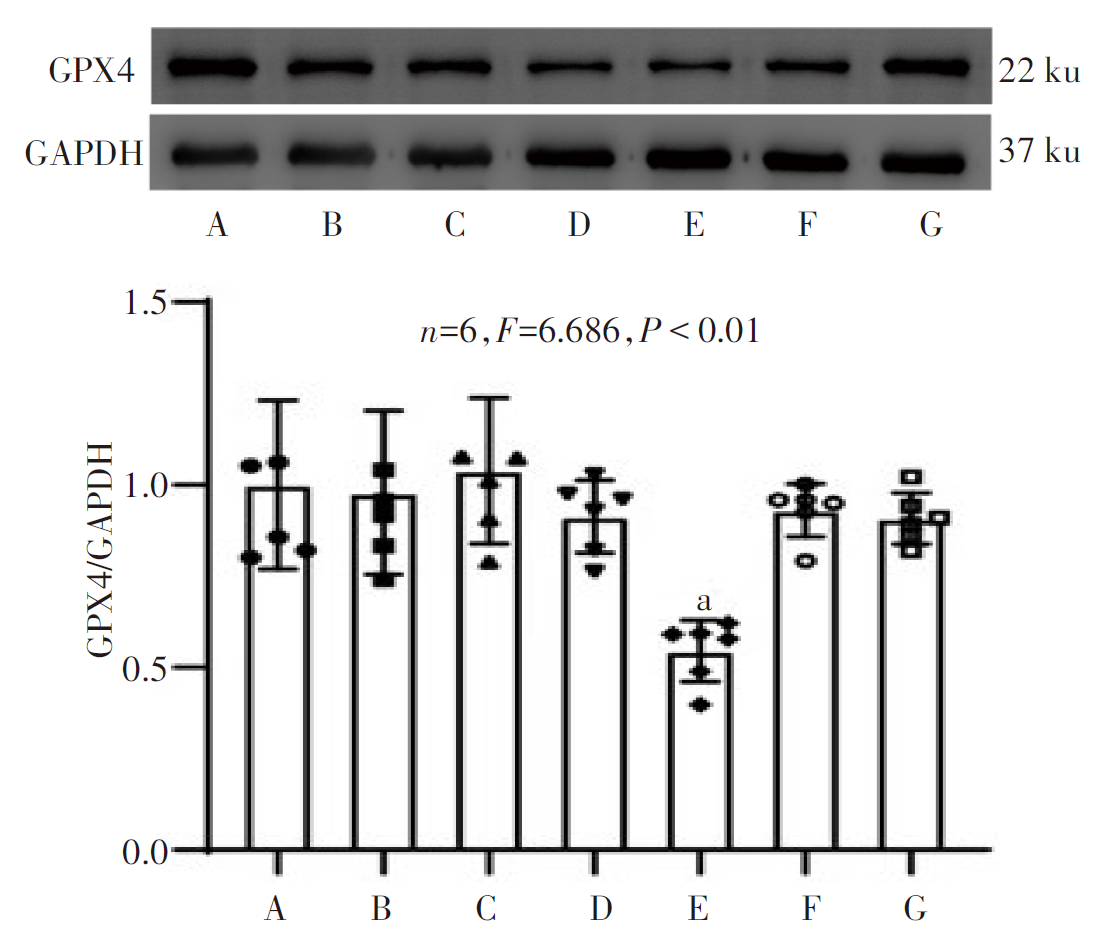
Fig.1 Changes of GPX4 protein expression in rat brain at different time points after SAH
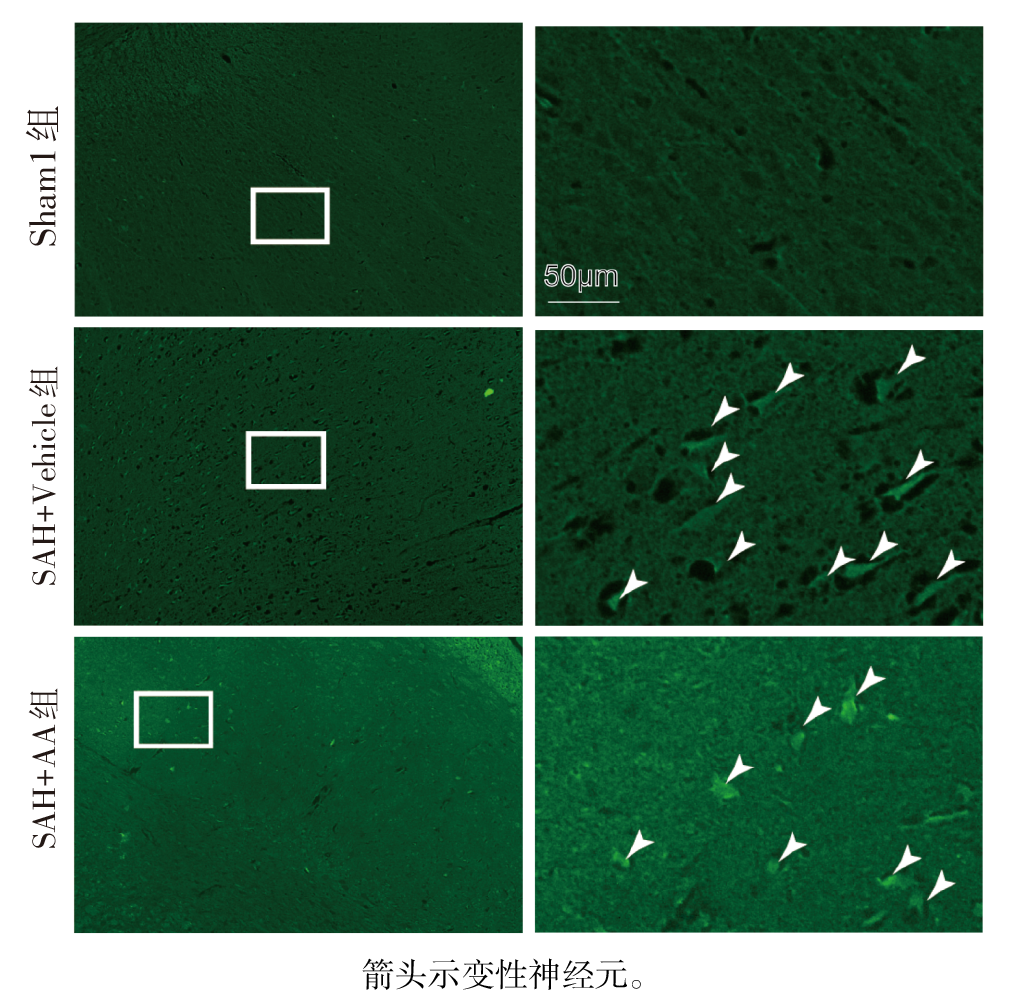
Fig.2 Results of FJB staining in brain tissue of rats in each group (400×)
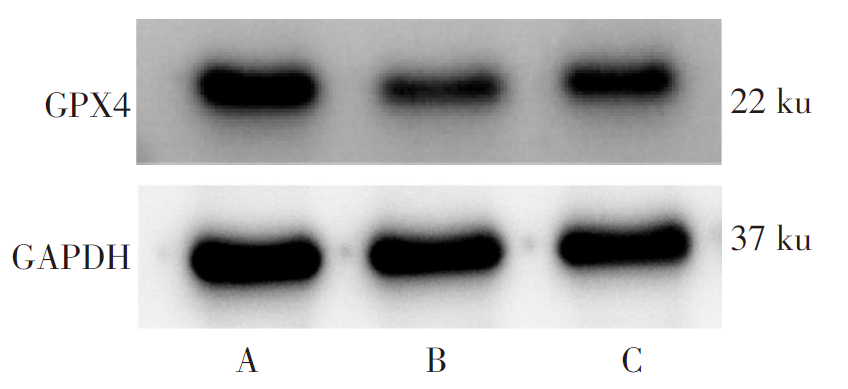
Fig.3 The expression level of lipid peroxidation marker in brain tissue after SAH
| 组别 | n | GPX4 | MDA/(μmol/g) | GSH/(mg/g) |
|---|---|---|---|---|
| Sham1组 | 6 | 1.00±0.11 | 5.34±0.51 | 9.27±0.92 |
| SAH+Vehicle组 | 6 | 0.57±0.06a | 10.77±1.53a | 6.93±1.06a |
| SAH+AA组 | 6 | 0.71±0.09b | 7.10±0.46b | 8.26±0.92b |
| F | 37.870** | 49.050** | 10.260** |
Tab.3 Comparison of the expression level of lipid peroxidase in brain tissue between three groups of rats
| 组别 | n | GPX4 | MDA/(μmol/g) | GSH/(mg/g) |
|---|---|---|---|---|
| Sham1组 | 6 | 1.00±0.11 | 5.34±0.51 | 9.27±0.92 |
| SAH+Vehicle组 | 6 | 0.57±0.06a | 10.77±1.53a | 6.93±1.06a |
| SAH+AA组 | 6 | 0.71±0.09b | 7.10±0.46b | 8.26±0.92b |
| F | 37.870** | 49.050** | 10.260** |
| [1] | SHAH R, WILKINS E, NICHOLS M, et al. Epidemiology report: trends in sex-specific cerebrovascular disease mortality in Europe based on WHO mortality data[J]. Eur Heart, 2019, 40(9):755-764. doi:10.1093/eurheartj/ehy378. |
| [2] | GBD 2019 Stroke Collaborators. Global,regional,and national burden of stroke and its risk factors,1990-2019:a systematic analysis for the Global Burden of Disease Study 2019[J]. Lancet Neurol,2021, 20(10):795-820. doi:10.1016/S1474-4422(21)00252-0. |
| [3] | LI H, WU J, SHEN H, et al. Autophagy in hemorrhagic stroke:Mechanisms and clinical implications[J]. Prog Neurobiol, 2018,163-164:79-97. doi:10.1016/j.pneurobio.2017.04.002. |
| [4] | XU P, TAO C, ZHU Y, et al. TAK1 mediates neuronal pyroptosis in early brain injury after subarachnoid hemorrhage[J]. Neuroinflammation, 2021, 18(1):188. doi:10.1186/s12974-021-02226-8. |
| [5] | KUSAKA G, ISHIKAWA M, NANDA A, et al. Signaling pathways for early brain injury after subarachnoid hemorrhage[J]. Cereb Blood Flow Metab, 2004, 24(8):916-925. doi:10.1097/01.WCB.0000125886.48838.7E. |
| [6] | NAGOOR MEERAN M F, GOYAL S N, SUCHAL K, et al. Pharmacological properties,molecular mechanisms,and pharmaceutical development of asiatic acid:a pentacyclic triterpenoid of therapeutic promise[J]. Front Pharmacol, 2018, 9:892. doi:10.3389/fphar.2018.00892. |
| [7] | ZHENG X C, WANG S H. Determination of asiatic acid in beagle dog plasma after oral administration of Centella asiatica extract by precolumn derivatization RP-HPLC[J]. Chromatogr B Analyt Technol Biomed Life Sci, 2009, 877(5/6):477-481. doi:10.1016/j.jchromb.2008.11.045. |
| [8] | LEE KY, BAE ON, SERFOZO K, et al. Asiatic acid attenuates infarct volume,mitochondrial dysfunction,and matrix metalloproteinase-9 induction after focal cerebral ischemia[J]. Stroke, 2012, 43(6):1632-1638. doi:10.1161/STROKEAHA.111.639427. |
| [9] | WANG X, WANG Z, WU J, et al. Thioredoxin 1 regulates the pentose phosphate pathway via ATM phosphorylation after experimental subarachnoid hemorrhage in rats[J]. Brain Res Bull, 2022, 185:162-173. doi:10.1016/j.brainresbull.2022.05.008. |
| [10] | WANG L, WANG Z, YOU W, et al. Enhancing S-nitrosoglutathione reductase decreases S-nitrosylation of Drp1 and reduces neuronal apoptosis in experimental subarachnoid hemorrhage both in vivo and in vitro[J]. Brain Res Bull, 2022, 183:184-200. doi:10.1016/j.brainresbull.2022.03.010. |
| [11] | WRÓBEL A, ZAPAŁA Ł, KLUZ T, et al. The potential of asiatic acid in the reversion of cyclophosphamide-induced hemorrhagic cystitis in rats[J]. Int J Mol Sci, 2021, 22(11):5853. doi:10.3390/ijms22115853. |
| [12] | YANG M F, SUN S Y, LV HG, et al. Ravoxertinib improves long-term neurologic deficits after experimental subarachnoid hemorrhage through early inhibition of ERK1/2[J]. ACS Omega, 2023, 8(22):19692-19704. doi:10.1021/acsomega.3c01296. |
| [13] | LUCKE-WOLD B, DODD W, MOTWANI K, et al. Investigation and modulation of interleukin-6 following subarachnoid hemorrhage: targeting inflammatory activation for cerebral vasospasm[J]. Neuroinflammation, 2022, 19(1):228. doi:10.1186/s12974-022-02592-x. |
| [14] | ZHANG J, YUAN G, LIANG T, et al. Nix plays a neuroprotective role in early brain injury after experimental subarachnoid hemorrhage in rats[J]. Front Neurosci, 2020, 14:245. doi:10.3389/fnins.2020.00245. |
| [15] | 刘胜, 李明昌. 蛛网膜下腔出血的脑损伤机制及相关生物标志物研究进展[J]. 国际神经病学神经外科学杂志, 2023, 50(3):51-59. |
| LIU S, LI M C. Research advances in the mechanism of brain injury and related biomarkers in spontaneous subarachnoid hemorrhage[J]. Journal of International Neurology and Neurosurgery, 2023, 50(3):51-59. doi:10.16636/j.cnki.jinn.1673-2642.2023.03.011. | |
| [16] | 曹兵, 丁奇, 刘春江, 等. 血清Nesfatin-1和MMP-9对动脉瘤性蛛网膜下腔出血预后的预测价值[J]. 天津医药, 2020, 48(2):119-123. |
| CAO B, DING Q, LIU C J, et al. The prognostic value of serum Nesfatin-1 and MMP-9 in aneurysmal subarachnoid hemorrhage[J]. Tianjin Med J, 2020, 48(2):119-123. doi:10.11958/20192121. | |
| [17] | 胡方园, 黄婉静, 吴继红, 等. 积雪草酸对原代大鼠视网膜神经节细胞低氧损伤的保护作用研究[J]. 中国眼耳鼻喉科杂志, 2018, 18(4):240-244. |
| HU F Y, HUANG W J, WU J H, et al. Neuroprotection of asiatic acid to the hypoxic injury in rat primary retinal ganglion cells[J]. Chin J Ophthalmol and Otorhinolaryngol, 2018, 18(4):240-244. doi:10.14166/j.issn.1671-2420.2018.04.007. | |
| [18] | 毛权西, 李作孝. 依达拉奉右莰醇通过铁死亡-脂质过氧化通路对脑出血大鼠神经保护的作用机制[J]. 天津医药, 2023, 51(11):1199-1205. |
| MAO Q X, LI Z X. Neuroprotective mechanism of edaravone dexborneol in rats with cerebral hemorrhage through ferroptosis-lipid peroxidation pathway[J]. Tianjin Med J, 2023, 51(11):1199-1205. doi:10.11958/20221777. | |
| [19] | 李秋畅, 闫顺昌, 蒙亚珍, 等. Nrf2-GPX4介导的铁死亡通路参与右美托咪定对脑出血大鼠神经保护作用的机制研究[J]. 天津医药, 2022, 50(8):817-821. |
| LI Q C, YAN S C, MENG Y Z, et al. Neuroprotective effects of dexmedetomidine on intracerebral hemorrhage of rats by Nrf2-GPX4 mediated iron death pathway[J]. Tianjin Med J, 2022, 50(8):817-821. doi:10.11958/20212825. | |
| [20] | 陈玉, 苏建军, 韩允, 等. 富马酸二甲酯调控Nrf2-GPX4介导的铁死亡途径对大鼠心肌缺血/再灌注损伤的保护作用研究[J]. 天津医药, 2022, 50(6):601-607. |
| CHEN Y, SU J J, HAN Y, et al. Study on the protective effect of dimethyl fumarate on myocardial ischemia/reperfusion injury by regulating the iron death pathway mediated by Nrf2-GPX4 in rats[J]. Tianjin Med J, 2022, 50(6):601-607. doi:10.11958/20212639. |
| Viewed | ||||||
|
Full text |
|
|||||
|
Abstract |
|
|||||
