
Tianjin Medical Journal ›› 2025, Vol. 53 ›› Issue (12): 1258-1262.doi: 10.11958/20252195
• Clinical Research • Previous Articles Next Articles
CHEN Lu1,2( ), ZHANG Ruijia1, CHEN Guoqing1,2,△()
Received:2025-06-05
Revised:2025-08-14
Published:2025-12-15
Online:2025-12-08
Contact:
△E-mail:CHEN Lu, ZHANG Ruijia, CHEN Guoqing. Related factors and predictive value of intrauterine infection during delivery in pregnant women with gestational diabetes mellitus[J]. Tianjin Medical Journal, 2025, 53(12): 1258-1262.
CLC Number:
| 组别 | n | 年龄/岁 | 孕次 | ||||||||||
|---|---|---|---|---|---|---|---|---|---|---|---|---|---|
| 1次 | 2~4次 | ≥4次 | |||||||||||
| 对照组 | 240 | 32.53±3.94 | 97(40.4) | 112(46.7) | 31(12.9) | ||||||||
| IAI组 | 120 | 30.98±3.35 | 81(67.5) | 33(27.5) | 6(5.0) | ||||||||
| t或χ2 | 3.517** | 24.043** | |||||||||||
| 组别 | 产次 | 胎膜早破 | 破膜时间/min | ||||||||||
| 初产妇 | 经产妇 | ||||||||||||
| 对照组 | 111(46.3) | 129(53.7) | 66(27.5) | 380(111,748) | |||||||||
| IAI组 | 110(91.7) | 10(8.3) | 30(25.0) | 788(602,1 143) | |||||||||
| Z或χ2 | 69.618** | 0.256 | 6.433** | ||||||||||
| 组别 | 破膜方式 | 使用催产素 | HbA1c/% | ||||||||||
| 人工破膜 | 自然破膜 | ||||||||||||
| 对照组 | 92(38.3) | 148(61.7) | 118(49.2) | 5.3(5.1,5.5) | |||||||||
| IAI组 | 72(60.0) | 48(40.0) | 89(74.2) | 5.4(5.1,5.6) | |||||||||
| Z或χ2 | 14.602** | 20.460** | 2.808** | ||||||||||
Tab.1 Comparison of general data between the IAI group and the control group $ \bar{x} \pm s$
| 组别 | n | 年龄/岁 | 孕次 | ||||||||||
|---|---|---|---|---|---|---|---|---|---|---|---|---|---|
| 1次 | 2~4次 | ≥4次 | |||||||||||
| 对照组 | 240 | 32.53±3.94 | 97(40.4) | 112(46.7) | 31(12.9) | ||||||||
| IAI组 | 120 | 30.98±3.35 | 81(67.5) | 33(27.5) | 6(5.0) | ||||||||
| t或χ2 | 3.517** | 24.043** | |||||||||||
| 组别 | 产次 | 胎膜早破 | 破膜时间/min | ||||||||||
| 初产妇 | 经产妇 | ||||||||||||
| 对照组 | 111(46.3) | 129(53.7) | 66(27.5) | 380(111,748) | |||||||||
| IAI组 | 110(91.7) | 10(8.3) | 30(25.0) | 788(602,1 143) | |||||||||
| Z或χ2 | 69.618** | 0.256 | 6.433** | ||||||||||
| 组别 | 破膜方式 | 使用催产素 | HbA1c/% | ||||||||||
| 人工破膜 | 自然破膜 | ||||||||||||
| 对照组 | 92(38.3) | 148(61.7) | 118(49.2) | 5.3(5.1,5.5) | |||||||||
| IAI组 | 72(60.0) | 48(40.0) | 89(74.2) | 5.4(5.1,5.6) | |||||||||
| Z或χ2 | 14.602** | 20.460** | 2.808** | ||||||||||
| 组别 | 胎心晚期减速 | 胎心监护类型 | 分娩方式 | 羊水情况 | |||||||||||||||||||
|---|---|---|---|---|---|---|---|---|---|---|---|---|---|---|---|---|---|---|---|---|---|---|---|
| 有 | 无 | Ⅰ类 | Ⅱ类 | 顺产 | 产钳助产 | 剖宫产 | 清 | Ⅰ度 | Ⅱ度 | Ⅲ度 | |||||||||||||
| 对照组 | 0 | 240(100) | 17(7.1) | 223(92.9) | 221(92.1) | 5(2.1) | 14(5.8) | 201(83.8) | 12(5.0) | 19(7.9) | 8(3.3) | ||||||||||||
| IAI组 | 5(4.2) | 115(95.8) | 19(15.8) | 101(84.2) | 22(18.4) | 19(15.8) | 79(65.8) | 88(73.3) | 10(8.3) | 8(6.7) | 14(11.7) | ||||||||||||
| χ2 | 10.141** | 6.806** | 198.634** | 11.793** | |||||||||||||||||||
| 组别 | n | 分娩孕周/周 | 基线胎心 | 胎心基线变异 | 胎心加速情况 | 胎心变异减速 | |||||||||||||||||
| 110~159次/min | 160~170次/min | ≥170次/min | 6~25次/min | ≤5次/min | 正常加速 | 加速缺乏 | 有 | 无 | |||||||||||||||
| 对照组 | 240 | 40.0(39.3,40.3) | 217(90.4) | 18(7.5) | 5(2.1) | 169(70.4) | 71(29.6) | 187(77.9) | 53(22.1) | 215(89.6) | 25(10.4) | ||||||||||||
| IAI组 | 120 | 39.4(38.7,40.1) | 42(35.0) | 47(39.2) | 31(25.8) | 96(80.0) | 24(20.0) | 87(72.5) | 33(27.5) | 87(72.5) | 33(27.5) | ||||||||||||
| Z或χ2 | 4.513** | 123.704** | 3.782 | 1.291 | 17.274** | ||||||||||||||||||
Tab.2 Comparison of delivery outcome between the IAI group and the control group
| 组别 | 胎心晚期减速 | 胎心监护类型 | 分娩方式 | 羊水情况 | |||||||||||||||||||
|---|---|---|---|---|---|---|---|---|---|---|---|---|---|---|---|---|---|---|---|---|---|---|---|
| 有 | 无 | Ⅰ类 | Ⅱ类 | 顺产 | 产钳助产 | 剖宫产 | 清 | Ⅰ度 | Ⅱ度 | Ⅲ度 | |||||||||||||
| 对照组 | 0 | 240(100) | 17(7.1) | 223(92.9) | 221(92.1) | 5(2.1) | 14(5.8) | 201(83.8) | 12(5.0) | 19(7.9) | 8(3.3) | ||||||||||||
| IAI组 | 5(4.2) | 115(95.8) | 19(15.8) | 101(84.2) | 22(18.4) | 19(15.8) | 79(65.8) | 88(73.3) | 10(8.3) | 8(6.7) | 14(11.7) | ||||||||||||
| χ2 | 10.141** | 6.806** | 198.634** | 11.793** | |||||||||||||||||||
| 组别 | n | 分娩孕周/周 | 基线胎心 | 胎心基线变异 | 胎心加速情况 | 胎心变异减速 | |||||||||||||||||
| 110~159次/min | 160~170次/min | ≥170次/min | 6~25次/min | ≤5次/min | 正常加速 | 加速缺乏 | 有 | 无 | |||||||||||||||
| 对照组 | 240 | 40.0(39.3,40.3) | 217(90.4) | 18(7.5) | 5(2.1) | 169(70.4) | 71(29.6) | 187(77.9) | 53(22.1) | 215(89.6) | 25(10.4) | ||||||||||||
| IAI组 | 120 | 39.4(38.7,40.1) | 42(35.0) | 47(39.2) | 31(25.8) | 96(80.0) | 24(20.0) | 87(72.5) | 33(27.5) | 87(72.5) | 33(27.5) | ||||||||||||
| Z或χ2 | 4.513** | 123.704** | 3.782 | 1.291 | 17.274** | ||||||||||||||||||
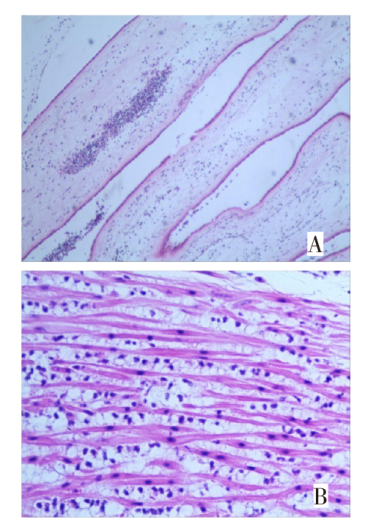
Fig.1 Pathological histology characteristics of placenta in the intrauterine infection group
| 组别 | n | 1 min Apgar评分 | 5 min Apgar评分 | 转新生儿科 | |||||
|---|---|---|---|---|---|---|---|---|---|
| 10分 | 8~9分 | ≤7分 | 10分 | 8~9分 | ≤7分 | 是 | 否 | ||
| 对照组 | 240 | 227(94.6) | 12(5.0) | 1(0.4) | 239(99.6) | 1(0.4) | 0 | 25(10.4) | 215(89.6) |
| IAI组 | 120 | 99(82.5) | 11(9.2) | 10(8.3) | 118(98.3) | 2(1.7) | 0 | 67(55.8) | 53(44.2) |
| χ2 | 19.873** | 0.378 | 89.150** | ||||||
Tab.3 Comparison of neonatal outcome between the IAI group and the control group [例(%)]
| 组别 | n | 1 min Apgar评分 | 5 min Apgar评分 | 转新生儿科 | |||||
|---|---|---|---|---|---|---|---|---|---|
| 10分 | 8~9分 | ≤7分 | 10分 | 8~9分 | ≤7分 | 是 | 否 | ||
| 对照组 | 240 | 227(94.6) | 12(5.0) | 1(0.4) | 239(99.6) | 1(0.4) | 0 | 25(10.4) | 215(89.6) |
| IAI组 | 120 | 99(82.5) | 11(9.2) | 10(8.3) | 118(98.3) | 2(1.7) | 0 | 67(55.8) | 53(44.2) |
| χ2 | 19.873** | 0.378 | 89.150** | ||||||
| 变量 | β | SE | Wald χ2 | P | OR | OR 95%CI |
|---|---|---|---|---|---|---|
| 产次 | -2.179 | 0.458 | 22.672 | <0.001 | 0.113 | 0.046~0.278 |
| 破膜时间 | 0.001 | <0.001 | 4.850 | 0.028 | 1.001 | 1.000~1.001 |
| HbA1c | 1.207 | 0.396 | 9.305 | 0.002 | 3.342 | 1.539~7.257 |
| 常数项 | -7.361 | 2.067 | 12.680 | <0.001 | 0.001 |
Tab.4 Multivariate Logistic regression analysis of factors affecting the occurrence of IAI in pregnant women with GDM
| 变量 | β | SE | Wald χ2 | P | OR | OR 95%CI |
|---|---|---|---|---|---|---|
| 产次 | -2.179 | 0.458 | 22.672 | <0.001 | 0.113 | 0.046~0.278 |
| 破膜时间 | 0.001 | <0.001 | 4.850 | 0.028 | 1.001 | 1.000~1.001 |
| HbA1c | 1.207 | 0.396 | 9.305 | 0.002 | 3.342 | 1.539~7.257 |
| 常数项 | -7.361 | 2.067 | 12.680 | <0.001 | 0.001 |
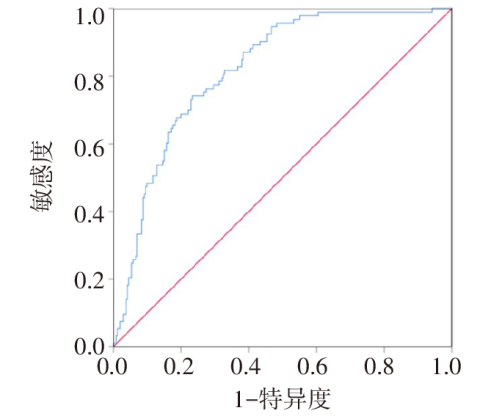
Fig.2 ROC curves of combined parity, rupture of membranes and HbA1c for predicting IAI
| [1] | SWEETING A, HANNAH W, BACKMAN H, et al. Epidemiology and management of gestational diabetes[J]. Lancet, 2024, 404(10448):175-192. doi:10.1016/S0140-6736(24)00825-0. |
| [2] | ZEINER S, WOHLRAB P, ROSICKY I, et al. Circulating cell-free mitochondrial dna as a novel biomarker for intra-amniotic infection in obstetrics:a pilot trial[J]. J Clin Med, 2024, 13(16):4616. doi:10.3390/jcm13164616. |
| [3] | ZHANG W, WU L, QU R, et al. Hesperidin activates the GLP-1R/cAMP-CREB/IRS2/PDX1 pathway to promote transdifferentiation of islet α cells into β cells Across the spectrum[J]. Heliyon, 2024, 10(16):e35424. doi:10.1016/j.heliyon.2024.e35424. |
| [4] | MIZERA J, POMIERNY B, SADAKIERSKA-CHUDY A, et al. Disruption of glutamate homeostasis in the brain of rat offspring induced by prenatal and early postnatal exposure to maternal high-sugar diet[J]. Nutrients, 2022, 14(11):2184. doi:10.3390/nu14112184. |
| [5] | 李柳青, 张敏, 黄翰武, 等. 新生儿发生宫内感染性肺炎的危险因素[J]. 广西医学, 2020, 42(15):1970-1972. |
| LI L Q, ZHANG M, HUANG H W, et al. Risk factors for intrauterine infectious pneumonia in neonates[J]. Guangxi Medical Journal, 2020, 42(15):1970-1972. doi:10.11675/j.issn.0253-4304.2020.15.15. | |
| [6] | 谷敏, 刘丹. 基于反应范围模型探讨妊娠期糖尿病并发宫内感染的风险因子[J]. 东南大学学报(医学版), 2025, 44(3):479-486. |
| GU M, LIU D. Exploring the risk factors for intrauterine infection in gestational diabetes mellitus based on the reaction range model[J]. J Southeast Univ(Med Sci Edi), 2025, 44(3):479-486. doi:10.3969/j.issn.1671-6264.2025.03.019. | |
| [7] | KAMIŃSKA K, STENCLIK D, BŁAŻEJEWSKA W, et al. Probiotics in the prevention and treatment of gestational diabetes mellitus(GDM):a review[J]. Nutrients, 2022, 14(20):4303. doi:10.3390/nu14204303. |
| [8] | HOLT R, COCKRAM C S, MA R, et al. Diabetes and infection:review of the epidemiology, mechanisms and principles of treatment[J]. Diabetologia, 2024, 67(7):1168-1180. doi:10.1007/ s00125-024-06102-x. |
| [9] | 沈丽霞, 孔令怡, 林晓虹, 等. 早孕期糖化血红蛋白升高及其早至中孕期变化趋势对妊娠结局的影响[J]. 中华围产医学杂志, 2025, 28(1):28-35. |
| SHEN L X, KONG L Y, LIN X H, et al. Impact of elevated glycated hemoglobin in early pregnancy and its changing trend from early to mid-pregnancy on pregnancy outcomes[J]. Chin J Perinat Med, 2025, 28(1):28-35. doi:10.3760/cma.j.cn113903-20241025-00708. | |
| [10] | 常鸿, 张科伟, 徐静, 等. 血清 HbA1c、Alarin及Ficolin-3水平对妊娠期糖尿病患者妊娠结局的预测价值[J]. 天津医药, 2024, 52(6):625-629. |
| CHANG H, ZHANG K W, XU J, et al. Clinical value of serum HbA1c,Alarin and Ficolin-3 levels in predicting pregnancy outcome in patients with gestational diabetes mellitus[J]. Tianjin Med J, 2024, 52(6):625-629. doi:10.11958/20231789. | |
| [11] | 常闪闪. 妊娠期糖尿病孕妇糖化血红蛋白与母亲体质量指数、新生儿体重及妊娠结局的关系分析[J]. 临床研究, 2023, 31(2):20-23. |
| CHANG S S. Analysis of the relationship between glycosylated hemoglobin and maternal body mass index,neonatal weight and pregnancy outcomes in pregnant women with gestational diabetes mellitus[J]. Clin Res,2023, 31(2):20-23. doi:10.12385/j.issn.2096-1278(2023)02-0020-04. | |
| [12] | 金彩凤, 吴玮, 吴轲. B族链球菌感染及阴道微生态变化与不良妊娠结局的关系[J]. 天津医药, 2024, 52(8):858-862. |
| JIN C F, WU W, WU K. Relationship between group b streptococcus infection,vaginal microecological changes and adverse pregnancy outcomes[J]. Tianjin Med J, 2024, 52(8):858-862. doi:10.11958/20231696. | |
| [13] | AURITI C, DE ROSE D U, SANTISI A, et al. Pregnancy and viral infections:mechanisms of fetal damage,diagnosis and prevention of neonatal adverse outcomes from cytomegalovirus to SARS-CoV-2 and Zika virus[J]. Biochim Biophys Acta Mol Basis Dis, 2021, 1867(10): 166198. doi:10.1016/j.bbadis.2021.166198. |
| [14] | AVERBACH S, KULLY G, HINZ E, et al. Early vs interval postpartum intrauterine device placement:a randomized clinical trial[J]. JAMA, 2023, 329(11):910-917. doi:10.1001/jama.2023.1936. |
| [15] | AL-ANEZI A, SOTIROVA-KOULLI V, SHALABY O, et al. Biotin-thiamine responsive basal ganglia disease in the era of COVID-19 outbreak diagnosis not to be missed:A case report[J]. Brain Dev, 2022, 44(4):303-307. doi:10.1016/j.braindev.2021.12.003. |
| [16] | 蒲雪梅, 王娇. 妊娠晚期孕妇宫内感染B族链球菌状况及危险因素分析[J]. 中国计划生育学杂志, 2025, 33(1):190-194. |
| PU X M, WANG J. Status and the risk factors of the intrauterine infection of group B streptococcus of pregnant women during the third trimester of pregnancy[J]. Chin J Fam Plann, 2025, 33(1):190-194. doi:10.3969/j.issn.1004-8189.2025.01.037. | |
| [17] | HELMO F R, ALVES E, MOREIRA R, et al. Intrauterine infection,immune system and premature birth[J]. J Matern Fetal Neonatal Med, 2018, 31(9):1227-1233. doi:10.1080/14767058.2017.1311318. |
| [18] | PRESICCE P, ROLAND C, SENTHAMARAIKANNAN P, et al. IL-1 and TNF mediates IL-6 signaling at the maternal-fetal interface during intrauterine inflammation[J]. Front Immunol, 2024,15:1416162. doi:10.3389/fimmu.2024.1416162. |
| [19] | WARNER J D, BLAKE G M, GARRETT J W, et al. Correlation of HbA1c levels with CT-based body composition biomarkers in diabetes mellitus and metabolic syndrome[J]. Sci Rep, 2024, 14(1):21875. doi:10.1038/s41598-024-72702-7. |
| [20] | HIVERT M F, BACKMAN H, BENHALIMA K, et al. Pathophysiology from preconception,during pregnancy,and beyond[J]. Lancet, 2024, 404(10448):158-174. doi:10.1016/S0140-6736(24)00827-4. |
| [21] | ROSSELLO X, RAPOSEIRAS-ROUBIN S, OLIVA B, et al. Glycated hemoglobin and subclinical atherosclerosis in people without diabetes[J]. J Am Coll Cardiol, 2021, 77(22):2777-2791. doi:10.1016/j.jacc.2021.03.335. |
| Viewed | ||||||
|
Full text |
|
|||||
|
Abstract |
|
|||||
