
Tianjin Medical Journal ›› 2026, Vol. 54 ›› Issue (6): 577-584.doi: 10.11958/20260039
• Experimental Research • Previous Articles Next Articles
ZHANG Jing1( ), ZHANG Ming2, WEI Wei3, NING Haihong3, WEI Hongmei1, LI Haiyan3, WU Bin4,△()
Received:2026-01-05
Revised:2026-02-13
Published:2026-06-15
Online:2026-06-15
Contact:
△E-mail:xjwubin9210@163.com
ZHANG Jing, ZHANG Ming, WEI Wei, NING Haihong, WEI Hongmei, LI Haiyan, WU Bin. Protective effect and mechanism of miR-194-5p inhibitor on myocardial injury in mice with type 2 diabetic cardiomyopathy[J]. Tianjin Medical Journal, 2026, 54(6): 577-584.
CLC Number:
| 基因名称 | 引物序列(5'→3') | 产物大小/bp |
|---|---|---|
| miR-194-5p | 上游:CGCTGTAACAGCAACTCCAT | 75 |
| 下游:GTGCAGGGTCCGAGGT | ||
| U6 | 上游:AGCCGAAACAACCAGAGCAC | 95 |
| 下游:CAGGTAGGCGATGGTGAAGG | ||
| DUSP9 | 上游:GTGTGAGGTGCCTACTTGCTC | 201 |
| 下游:GCTCAGTCTTCTGTCCTTGGA | ||
| β-actin | 上游:CATGTACGTTGCTATCCAGGC | 181 |
| 下游:CTCCTTAATGTCACGCACGAT |
Tab.1 Primers sequence
| 基因名称 | 引物序列(5'→3') | 产物大小/bp |
|---|---|---|
| miR-194-5p | 上游:CGCTGTAACAGCAACTCCAT | 75 |
| 下游:GTGCAGGGTCCGAGGT | ||
| U6 | 上游:AGCCGAAACAACCAGAGCAC | 95 |
| 下游:CAGGTAGGCGATGGTGAAGG | ||
| DUSP9 | 上游:GTGTGAGGTGCCTACTTGCTC | 201 |
| 下游:GCTCAGTCTTCTGTCCTTGGA | ||
| β-actin | 上游:CATGTACGTTGCTATCCAGGC | 181 |
| 下游:CTCCTTAATGTCACGCACGAT |
| 组别 | LVEF/% | LVFS/% | ||
|---|---|---|---|---|
| NC组 | 73.20±4.34 | 37.93±2.98 | ||
| DCM组 | 56.33±1.97a | 22.67±2.16a | ||
| DCM+antagomir control组 | 55.79±3.27a | 23.56±3.02a | ||
| DCM+miR-194-5p antagomir组 | 61.80±2.12bc | 31.29±1.89bc | ||
| F | 103.400** | 113.500** | ||
| 组别 | LVEDD/mm | LVESD/mm | ||
| NC组 | 3.45±0.09 | 2.51±0.12 | ||
| DCM组 | 4.47±0.15a | 3.41±0.09a | ||
| DCM+antagomir control组 | 4.52±0.24a | 3.49±0.13a | ||
| DCM+miR-194-5p antagomir组 | 3.98±0.13bc | 3.01±0.11bc | ||
| F | 142.700** | 234.700** | ||
Tab.2 Comparison of cardiac function indicators between the four groups of mice
| 组别 | LVEF/% | LVFS/% | ||
|---|---|---|---|---|
| NC组 | 73.20±4.34 | 37.93±2.98 | ||
| DCM组 | 56.33±1.97a | 22.67±2.16a | ||
| DCM+antagomir control组 | 55.79±3.27a | 23.56±3.02a | ||
| DCM+miR-194-5p antagomir组 | 61.80±2.12bc | 31.29±1.89bc | ||
| F | 103.400** | 113.500** | ||
| 组别 | LVEDD/mm | LVESD/mm | ||
| NC组 | 3.45±0.09 | 2.51±0.12 | ||
| DCM组 | 4.47±0.15a | 3.41±0.09a | ||
| DCM+antagomir control组 | 4.52±0.24a | 3.49±0.13a | ||
| DCM+miR-194-5p antagomir组 | 3.98±0.13bc | 3.01±0.11bc | ||
| F | 142.700** | 234.700** | ||
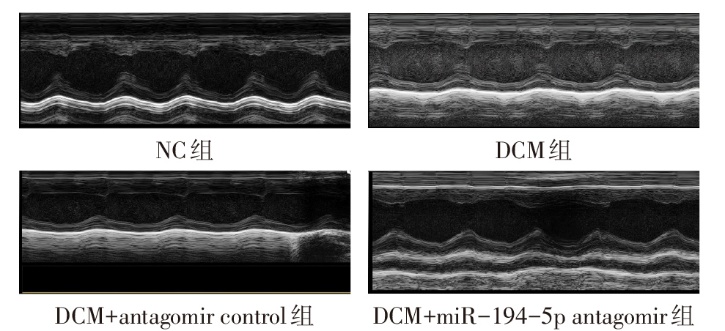
Fig.1 Echocardiographic imaging results of experimental mice
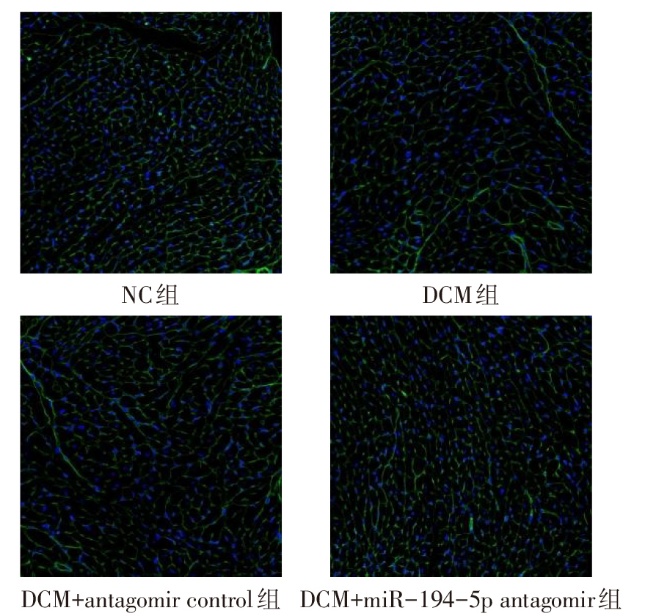
Fig.2 Myocardial cross-sectional area detected by WGA staining in each group of mice (×400)
| 组别 | IL-6 | TNF-α |
|---|---|---|
| NC组 | 20.47±1.98 | 9.10±1.21 |
| DCM组 | 41.38±4.82a | 30.14±3.99a |
| DCM+antagomir control组 | 43.89±3.97a | 29.41±4.02a |
| DCM+miR-194-5p antagomir组 | 28.42±3.41bc | 18.12±2.43bc |
| F | 134.100** | 153.200** |
Tab.3 Comparison of myocardial inflammatory cytokine levels between the four groups of mice
| 组别 | IL-6 | TNF-α |
|---|---|---|
| NC组 | 20.47±1.98 | 9.10±1.21 |
| DCM组 | 41.38±4.82a | 30.14±3.99a |
| DCM+antagomir control组 | 43.89±3.97a | 29.41±4.02a |
| DCM+miR-194-5p antagomir组 | 28.42±3.41bc | 18.12±2.43bc |
| F | 134.100** | 153.200** |
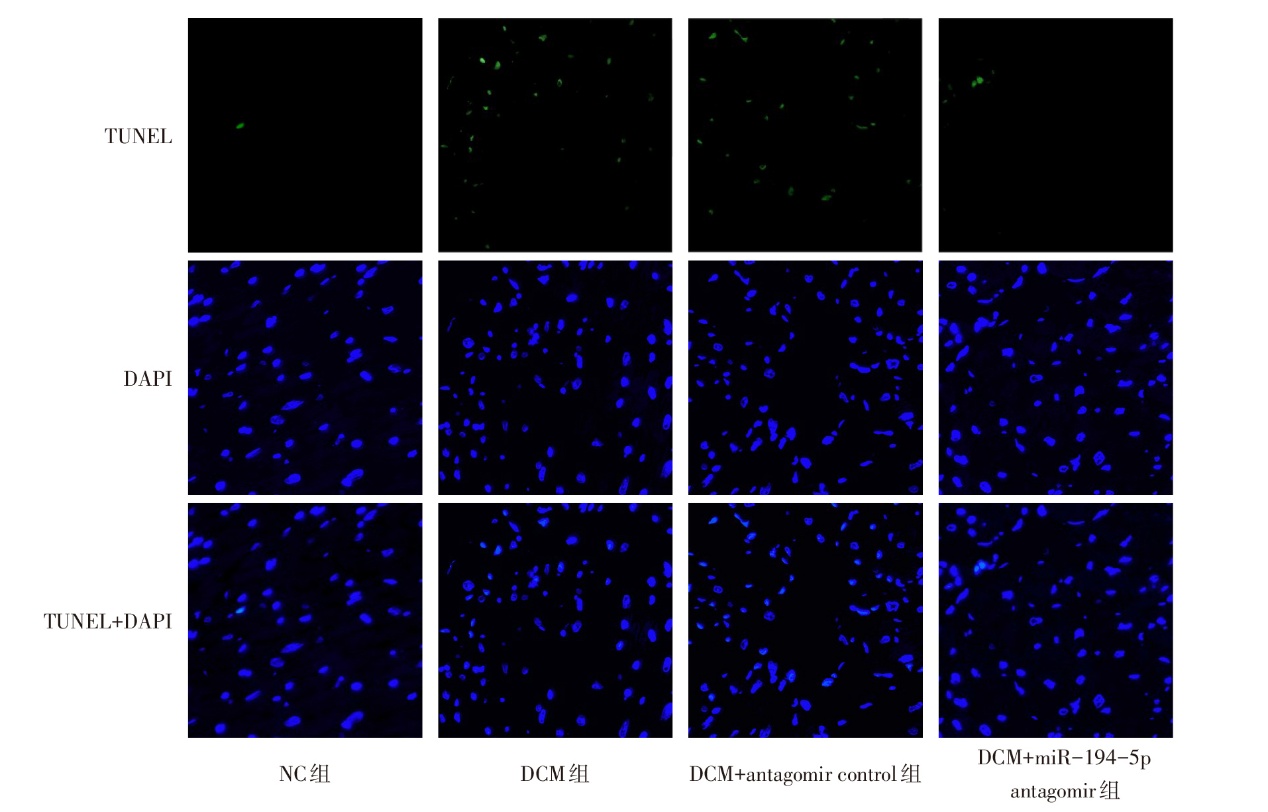
Fig.3 Comparison of apoptosis of myocardial tissue between four groups (TUNEL staining, ×400)
| 组别 | miR-194-5p | DUSP9 mRNA |
|---|---|---|
| NC组 | 1.02±0.09 | 1.00±0.05 |
| DCM组 | 3.29±0.33a | 0.35±0.03a |
| DCM+antagomir control组 | 3.10±0.21a | 0.41±0.04a |
| DCM+miR-194-5p antagomir组 | 1.42±0.19bc | 0.82±0.07bc |
| F | 182.200** | 241.500** |
Tab.4 Comparison of miR-194-5p and DUSP9 mRNA expression between the four groups of mice
| 组别 | miR-194-5p | DUSP9 mRNA |
|---|---|---|
| NC组 | 1.02±0.09 | 1.00±0.05 |
| DCM组 | 3.29±0.33a | 0.35±0.03a |
| DCM+antagomir control组 | 3.10±0.21a | 0.41±0.04a |
| DCM+miR-194-5p antagomir组 | 1.42±0.19bc | 0.82±0.07bc |
| F | 182.200** | 241.500** |
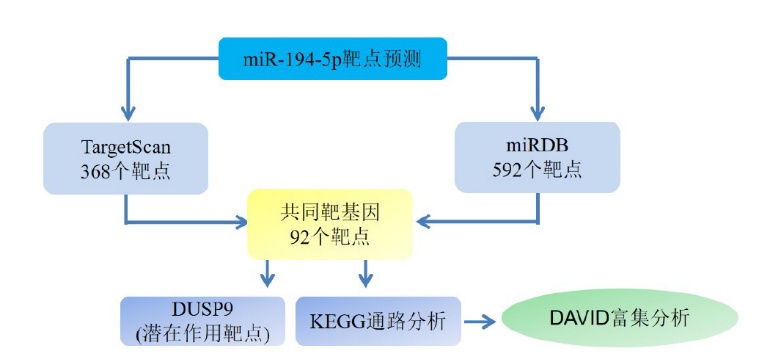
Fig.4 Flow chart of miR-194-5p target analysis and KEGG analysis
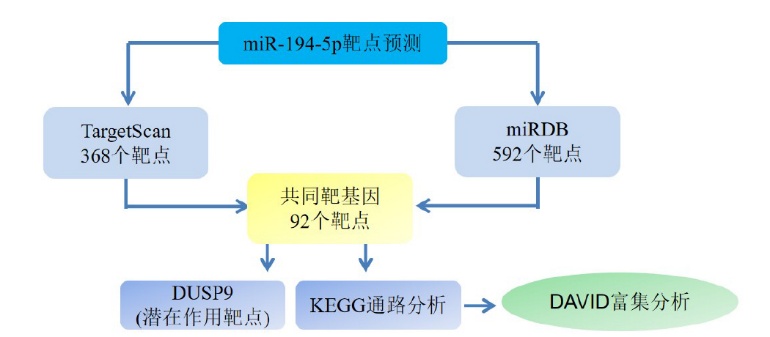
Fig.5 DAVID online results of KEGG enrichment pathway analysis
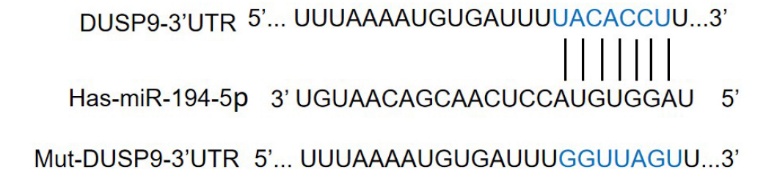
Fig. 6 Binding site of miR-194-5p to DUSP9 3′-UTR
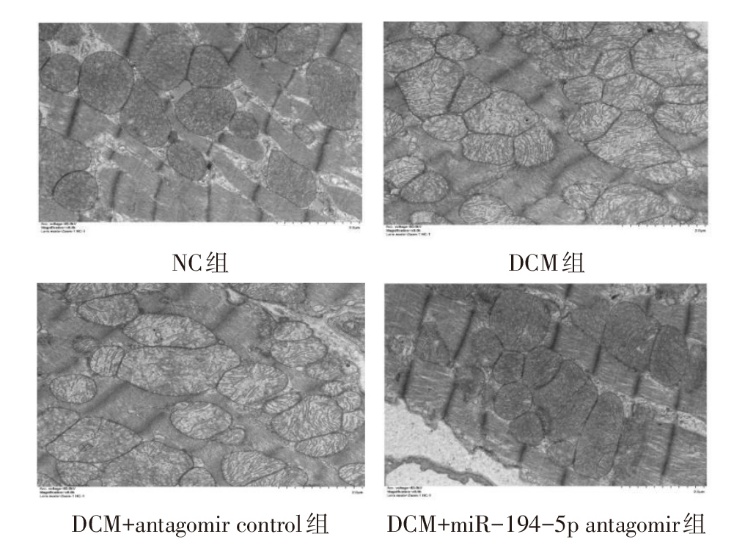
Fig.7 Mitochondrial damage in myocardial tissue of mice observed by electron microscopy (×8 000)
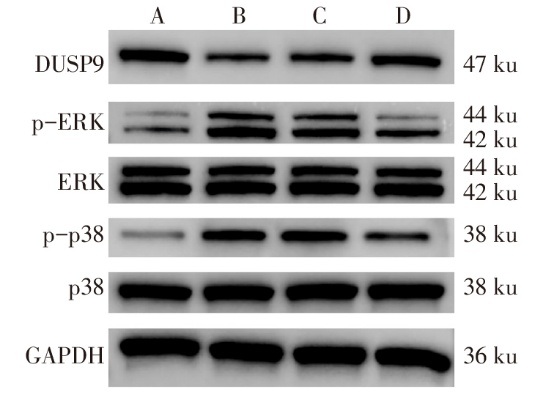
Fig.8 Western blot analysis of DUSP9, ERK and p38 protein expression levels in myocardial tissue of the four groups of mice
| 组别 | DUSP9/GAPDH | p-ERK/ ERK | p-p38/ p38 |
|---|---|---|---|
| NC组 | 1.00±0.08 | 0.29±0.03 | 0.31±0.02 |
| DCM组 | 0.38±0.04a | 0.78±0.10a | 0.81±0.05a |
| DCM+antagomir control组 | 0.42±0.06a | 0.82±0.09a | 0.78±0.09a |
| DCM+miR-194-5p antagomir组 | 0.85±0.07abc | 0.42±0.05abc | 0.41±0.04abc |
| F | 139.500** | 77.130** | 123.600** |
Tab.5 Comparison of DUSP9, p-ERK and p-p38 protein expression in myocardial tissue between the four groups of mice
| 组别 | DUSP9/GAPDH | p-ERK/ ERK | p-p38/ p38 |
|---|---|---|---|
| NC组 | 1.00±0.08 | 0.29±0.03 | 0.31±0.02 |
| DCM组 | 0.38±0.04a | 0.78±0.10a | 0.81±0.05a |
| DCM+antagomir control组 | 0.42±0.06a | 0.82±0.09a | 0.78±0.09a |
| DCM+miR-194-5p antagomir组 | 0.85±0.07abc | 0.42±0.05abc | 0.41±0.04abc |
| F | 139.500** | 77.130** | 123.600** |
| [1] | GUAN X, ZHOU C, ZHUO X, et al. The heart of diabetes:unraveling metabolic drivers of cardiomyopathy[J]. Cardiovasc Diabetol Endocrinol Rep, 2025, 11(1):18. doi:10.1186/s40842-025-00231-x. |
| [2] | KTENOPOULOS N, ANAGNOSTOPOULOU L, APOSTOLOS A, et al. Cellular and molecular pathways in diabetes-associated heart failure:Emerging mechanistic insights and therapeutic opportunities[J]. Curr Issues Mol Biol, 2025, 47(11):886. doi:10.3390/cimb47110886. |
| [3] | 庞志华, 刘丽美, 姚朱华. miR-101-3p的生物学功能及其在心血管疾病中的研究进展[J]. 天津医药, 2025, 53(11):1223-1228. |
| PANG Z H, LIU L M, YAO Z H. Research progress of biological functions of miR-101-3p in cardiovascular diseases[J]. Tianjin Med J, 2025, 53(11):1223-1228. doi:10.11958/20252447. | |
| [4] | 吴长勇, 孙钺, 保苏丽, 等. 非编码RNAs与心脏纤维化的研究进展[J]. 中国药理学通报, 2023, 39(4):605-609. |
| WU C Y, SUN Y, BAO S L, et al. Research progress of non-coding RNAs and cardiac fibrosis[J]. Chinese Pharmacological Bulletin, 2023, 39(4):605-609. doi:10.12360/CPB202205069. | |
| [5] | 张婧, 魏玉英, 宁海虹, 等. DUSP9在2型糖尿病心肌病小鼠心肌损伤中的保护作用及其机制[J]. 天津医药, 2026, 54(3):238-244. |
| ZHANG J, WEI Y Y, NING H H, et al. Protective effect and mechanism of dual-specificity phosphatase 9 on myocardial injury in mice with type 2 diabetic cardiomyopathy[J]. Tianjin Med J, 2026, 54(3):238-244. doi:10.11958/20253111. | |
| [6] | WANG M, LIANG Y, QIN Y, et al. Active ingredients and mechanism of Gegen Qinlian Decoction in the treatment of diabetic cardiomyopathy:A network pharmacology study[J]. Curr Pharm Des, 2024, 30(36):2896-2910. doi:10.2174/0113816128312242240722080551. |
| [7] | ZUO G, REN X, QIAN X, et al. Inhibition of JNK and p38 MAPK-mediated inflammation and apoptosis by ivabradine improves cardiac function in streptozotocin-induced diabetic cardiomyopathy[J]. J Cell Physiol, 2019, 234(2):1925-1936. doi:10.1002/jcp.27070. |
| [8] | 张吟, 黄丹丹, 张淑芬, 等. C57BL/6J糖尿病小鼠模型的优化研究[J]. 中国现代应用药学, 2019, 36(6):655-660. |
| ZHANG Y, HUANG D D, ZHANG S F, et al. Optimization study on the establishment of diabetic model in C57BL/6J mice[J]. Chinese Modern Applied Pharmacy, 2019, 36(6):655-660. doi:10.13748/j.cnki.issn1007-7693.2019.06.003. | |
| [9] | RABOT S, MEMBREZ M, BRUNEAU A, et al. Germ-free C57BL/6J mice are resistant to high-fat-diet-induced insulin resistance and have altered cholesterol metabolism[J]. FASEB J, 2010, 24(12):4948-4959. doi:10.1096/fj.10-164921. |
| [10] | ATTRILL E H, SCHARAPOW O, PERERA S, et al. Controlled induction of type 2 diabetes in mice using high fat diet and osmotic-mini pump infused streptozotocin[J]. Sci Rep, 2025, 15(1):8812. doi:10.1038/s41598-025-89162-2. |
| [11] | BELLEMARE M, BOURCIER L, IGLESIES-GRAU J, et al. Mechanisms of diabetic cardiomyopathy:Focus on inflammation[J]. Diabetes Obes Metab, 2025, 27(5):2326-2338. doi:10.1111/dom.16242. |
| [12] | 张倩, 刘学霖, 张月梅, 等. miRNA在糖尿病心肌病中的靶向调控机制研究进展[J]. 临床心血管病杂志, 2025, 41(2):150-155. |
| ZHANG Q, LIU X L, ZHANG Y M, et al. Research progress on the targeted regulatory mechanism of miRNA in diabetic cardiomyopathy[J]. Journal of Clinical Cardiology, 2025, 41(2):150-155. doi:10.13201/j.issn.1001-1439.2025.02.013. | |
| [13] | LIU Y, YUAN J, ZHANG Y, et al. Non-coding RNA as a key regulator and novel target of apoptosis in diabetic cardiomyopathy:Current status and future prospects[J]. Cell Signal, 2025, 128:111632. doi:10.1016/j.cellsig.2025.111632. |
| [14] | LIU B, WEI Y, HE J, et al. Human umbilical cord-derived mesenchymal stromal cells improve myocardial fibrosis and restore miRNA-133a expression in diabetic cardiomyopathy[J]. Stem Cell Res Ther, 2024, 15(1):120. doi:10.1186/s13287-024-03715-2. |
| [15] | CAI W, CHONG K, HUANG Y, et al. Empagliflozin improves mitochondrial dysfunction in diabetic cardiomyopathy by modulating ketone body metabolism and oxidative stress[J]. Redox Biol, 2024, 69:103010. doi:10.1016/j.redox.2023.103010. |
| [16] | PENG C, ZHANG Y, LANG X, et al. Role of mitochondrial metabolic disorder and immune infiltration in diabetic cardiomyopathy: new insights from bioinformatics analysis[J]. J Transl Med, 2023, 21(1):66. doi:10.1186/s12967-023-03928-8. |
| [17] | MA T, HUANG X, ZHENG H, et al. SFRP2 improves mitochondrial dynamics and mitochondrial biogenesis,oxidative stress,and apoptosis in diabetic cardiomyopathy[J]. Oxid Med Cell Longev, 2021, 2021:9265016. doi:10.1155/2021/9265016. |
| [18] | WANG J, WEI T, ZHANG W, et al. Inhibition of miR-194-5p avoids DUSP9 downregulation thus limiting sepsis-induced cardiomyopathy[J]. Sci Rep, 2024, 14(1):20313. doi:10.1038/s41598-024-71166-z. |
| [19] | ZHANG X, JIN Y. DUSP9-mediated inhibition of IRS1/PI3K/AKT pathway contributes to insulin resistance and metabolic dysfunction in gestational diabetes mellitus[J]. Hum Immunol, 2025, 86(3):111263. doi:10.1016/j.humimm.2025.111263. |
| [20] | LI Z, HUANG Z, LUO Y, et al. DUSP9 alleviates hepatic ischemia/reperfusion injury by restraining both mitogen-activated protein kinase and IKK in an apoptosis signal-regulating kinase 1-dependent manner[J]. Acta Biochim Biophys Sin(Shanghai), 2022, 54(12):1811-1821. doi:10.3724/abbs.2022183. |
| Viewed | ||||||
|
Full text |
|
|||||
|
Abstract |
|
|||||
