
Tianjin Medical Journal ›› 2026, Vol. 54 ›› Issue (10): 1050-1054.doi: 10.11958/20260219
• Clinical Research • Previous Articles Next Articles
YANG Xuan( ), LI Yanhui, ZHANG Liying, SUN Yalin
Received:2026-01-16
Revised:2026-05-06
Published:2026-10-15
Online:2026-10-10
YANG Xuan, LI Yanhui, ZHANG Liying, SUN Yalin. Evaluation of the efficacy and ulcer recurrence risk of endovenous radiofrequency ablation in elderly patients with lower extremity varicose veins[J]. Tianjin Medical Journal, 2026, 54(10): 1050-1054.
CLC Number:
| 组别 | n | 年龄/岁 | 性别(男/女) | BMI/(kg/m2) | 病程/年 | ||||||||
|---|---|---|---|---|---|---|---|---|---|---|---|---|---|
| 未复发组 | 132 | 68.61±4.99 | 58/74 | 24.61±2.82 | 7.93±2.21 | ||||||||
| 复发组 | 79 | 71.81±4.89 | 45/34 | 26.69±3.06 | 8.56±2.85 | ||||||||
| t或χ2 | 4.543** | 3.354 | 5.019** | 1.793 | |||||||||
| 组别 | 吸烟 | 饮酒 | 高血压 | 糖尿病史 | 冠心病史 | ||||||||
| 未复发组 | 37(28.03) | 24(18.18) | 49(37.12) | 41(31.06) | 33(25.00) | ||||||||
| 复发组 | 29(36.71) | 22(27.85) | 36(45.57) | 38(48.10) | 29(36.71) | ||||||||
| t或χ2 | 1.732 | 2.709 | 1.466 | 6.127* | 3.265 | ||||||||
| 组别 | 溃疡 面积/cm2 | 术后弹力袜 使用依从性差 | 深静脉反流 | ||||||||||
| 未复发组 | 5.29±2.52 | 28(21.21) | 67(50.76) | ||||||||||
| 复发组 | 8.75±3.13 | 36(45.57) | 57(72.15) | ||||||||||
| t或χ2 | 8.792** | 13.876** | 9.336** | ||||||||||
Tab.1 Comparison of clinical data between patients in the non-recurrence group and the recurrence group
| 组别 | n | 年龄/岁 | 性别(男/女) | BMI/(kg/m2) | 病程/年 | ||||||||
|---|---|---|---|---|---|---|---|---|---|---|---|---|---|
| 未复发组 | 132 | 68.61±4.99 | 58/74 | 24.61±2.82 | 7.93±2.21 | ||||||||
| 复发组 | 79 | 71.81±4.89 | 45/34 | 26.69±3.06 | 8.56±2.85 | ||||||||
| t或χ2 | 4.543** | 3.354 | 5.019** | 1.793 | |||||||||
| 组别 | 吸烟 | 饮酒 | 高血压 | 糖尿病史 | 冠心病史 | ||||||||
| 未复发组 | 37(28.03) | 24(18.18) | 49(37.12) | 41(31.06) | 33(25.00) | ||||||||
| 复发组 | 29(36.71) | 22(27.85) | 36(45.57) | 38(48.10) | 29(36.71) | ||||||||
| t或χ2 | 1.732 | 2.709 | 1.466 | 6.127* | 3.265 | ||||||||
| 组别 | 溃疡 面积/cm2 | 术后弹力袜 使用依从性差 | 深静脉反流 | ||||||||||
| 未复发组 | 5.29±2.52 | 28(21.21) | 67(50.76) | ||||||||||
| 复发组 | 8.75±3.13 | 36(45.57) | 57(72.15) | ||||||||||
| t或χ2 | 8.792** | 13.876** | 9.336** | ||||||||||
| 因素 | β | SE | Wald χ2 | P | OR(95%CI) |
|---|---|---|---|---|---|
| 年龄 | 0.140 | 0.045 | 9.679 | 0.002 | 1.150(1.053~1.256) |
| 深静脉反流 | 0.215 | 0.071 | 9.170 | 0.002 | 1.240(1.079~1.425) |
| 糖尿病史 | 0.293 | 0.091 | 10.367 | 0.001 | 1.340(1.121~1.602) |
| BMI | 0.341 | 0.075 | 10.326 | 0.001 | 1.273(1.099~1.474) |
| 溃疡面积 | 0.118 | 0.057 | 4.286 | 0.038 | 1.125(1.006~1.258) |
| 术后弹力袜 使用依从性 | 0.137 | 0.069 | 3.942 | 0.047 | 1.147(1.002~1.313) |
| 常数项 | -3.852 | 0.521 | 54.470 | <0.001 | <0.001 |
Tab.2 Multivariate Logistic regression analysis of factors affecting VLU recurrence in elderly patients
| 因素 | β | SE | Wald χ2 | P | OR(95%CI) |
|---|---|---|---|---|---|
| 年龄 | 0.140 | 0.045 | 9.679 | 0.002 | 1.150(1.053~1.256) |
| 深静脉反流 | 0.215 | 0.071 | 9.170 | 0.002 | 1.240(1.079~1.425) |
| 糖尿病史 | 0.293 | 0.091 | 10.367 | 0.001 | 1.340(1.121~1.602) |
| BMI | 0.341 | 0.075 | 10.326 | 0.001 | 1.273(1.099~1.474) |
| 溃疡面积 | 0.118 | 0.057 | 4.286 | 0.038 | 1.125(1.006~1.258) |
| 术后弹力袜 使用依从性 | 0.137 | 0.069 | 3.942 | 0.047 | 1.147(1.002~1.313) |
| 常数项 | -3.852 | 0.521 | 54.470 | <0.001 | <0.001 |
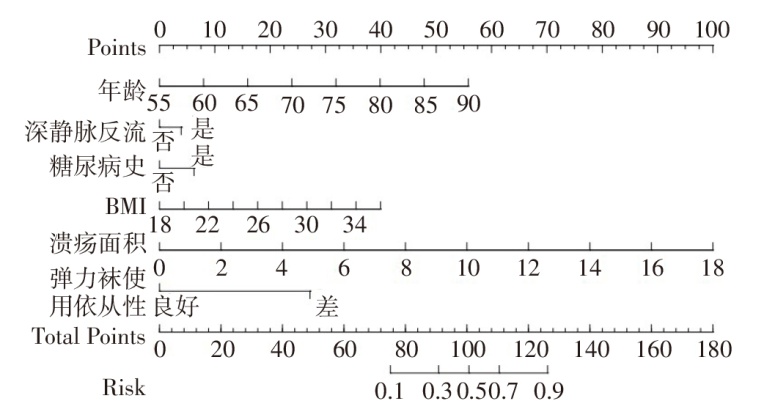
Fig.1 Nomogram predicting VLU recurrence in elderly patients with lower limb varicose veins after RFA surgery
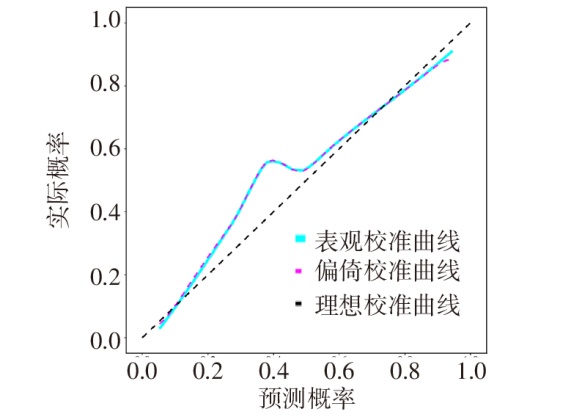
Fig.2 Calibration curve of nomogram prediction model
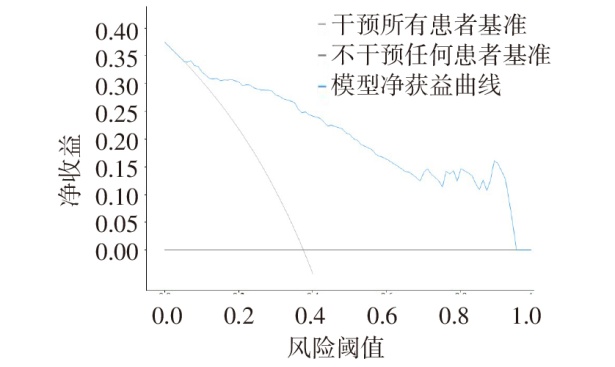
Fig.3 Decision curve of nomogram prediction model
| [1] | Gloviczki P, Lawrence P F, Wasan S M, et al. The 2023 Society for Vascular Surgery,American Venous Forum,and American Vein and Lymphatic Society clinical practice guidelines for the management of varicose veins of the lower extremities. Part Ⅱ:endorsed by the society of interventional radiology and the society for vascular medicine[J]. J Vasc Surg Venous Lymphat Disord,2024, 12(1):101670. doi:10.1016/j.jvsv.2023.08.011. |
| [2] | Mayrovitz H N, Aoki K C, Colon J. Chronic venous insufficiency with emphasis on the geriatric population[J]. Cureus, 2023, 15(6):e40687. doi:10.7759/cureus.40687. |
| [3] | Horiuchi K, Fogel J, Sarmiento J. Endovenous radiofrequency ablation of great saphenous vein complicated by pulmonary embolism in an elderly patient[J]. BMJ Case Rep, 2023, 16(7):e255543. doi:10.1136/bcr-2023-255543. |
| [4] | Nyamekye I K, Pullen B J, Kelly N, et al. Six year extension study of patients from a randomised clinical trial comparing venefit,radiofrequency induced thermal therapy,and endovenous radiofrequency ablation for treatment of incompetent great saphenous veins[J]. Eur J Vasc Endovasc Surg, 2023, 66(1):94-101. doi:10.1016/j.ejvs.2023.03.021. |
| [5] | Puggina J, Sincos I R, Campos W, et al. A randomized clinical trial of the effects of saphenous and perforating veins radiofrequency ablation on venous ulcer healing (VUERT trial)[J]. Phlebology, 2021, 36(3):194-202. doi:10.1177/0268355520951697. |
| [6] | Korepta L, Ward M, Blecha M, et al. A contemporary comparison of cyanoacrylate, radiofrequency, and endovenous laser ablation on healing of active venous ulceration[J]. Ann Vasc Surg, 2022, 87:237-244. doi:10.1016/j.avsg.2022.04.031. |
| [7] | Lurie F, Passman M, Meisner M, et al. The 2020 update of the CEAP classification system and reporting standards[J]. J Vasc Surg Venous Lymphat Disord, 2020, 8(3):342-352. doi:10.1016/j.jvsv.2019.12.075. |
| [8] | Kusagawa H. Clinical results 5 years after radiofrequency ablation of saphenous veins[J]. Ann Vasc Dis, 2025, 18(1):25-00097. doi:10.3400/avd.oa.25-00097. |
| [9] | Cong L, Sun J, Wang L, et al. Hybrid endovenous laser ablation reduces the recurrence of varicose veins below the knee compared with radiofrequency ablation:a real-world study[J]. Arch Med Sci, 2023, 19(6):1739-1746. doi:10.5114/aoms/163449. |
| [10] | Vlachovský R, Novotný T, Staffa R, et al. Endovenous ablation of varicose veins current status and overview of methods[J]. Rozhl Chir, 2022, 101(5):200-210. doi:10.33699/PIS.2022.101.5.200-210. |
| [11] | El Kilic H, Bektas N, Bitargil M, et al. Long-term outcomes of endovenous laser ablation, n-butyl cyanoacrylate,and radiofrequency ablation for treatment of chronic venous insufficiency[J]. J Vasc Surg Venous Lymphat Disord, 2022, 10(4):865-871. doi:10.1016/j.jvsv.2021.10.009. |
| [12] | Baccellieri D, Ardita V, Pannone A, et al. Factors influencing recurrent varicose vein formation after radiofrequency thermal ablation for truncal reflux performed in two high-volume venous centers[J]. J Vasc Surg Venous Lymphat Disord, 2024, 12(2):101675. doi:10.1016/j.jvsv.2023.08.014. |
| [13] | Mo H, Jung I M. Long-term results of radiofrequency ablation for unilateral great saphenous vein insufficiency and hemodynamic changes in the contralateral leg[J]. Ann Vasc Surg, 2025, 120:103-107. doi:10.1016/j.avsg.2025.05.003. |
| [14] | Jiang W, Liang Y, Long Z, et al. Endovenous radiofrequency ablation vs laser ablation in patients with lower extremity varicose veins:A meta-analysis[J]. J Vasc Surg Venous Lymphat Disord, 2024, 12(5):101842. doi:10.1016/j.jvsv.2024.101842. |
| [15] | 张妍, 李威, 满文玲, 等. 对比腔内微波消融与大隐静脉高位结扎及剥脱术治疗下肢静脉曲张效果[J]. 中国介入影像与治疗学, 2023, 20(1):48-52. |
| Zhang Y, Li W, Man W L, et al. Comparison on efficacy of endovenous microwave ablation and high ligation plus stripping of great saphenous vein for lower extremity varicose veins[J]. Chin J Interv Imaging Ther, 2023, 20(1):48-52. doi:10.13929/j.issn.1672-8475.2023.01.012. | |
| [16] | Hong K P. Midterm results of radiofrequency ablation with multiple heat cycles for incompetent saphenous veins[J]. J Vasc Surg Venous Lymphat Disord, 2023, 11(3):483-487. doi:10.1016/j.jvsv.2022.12.004. |
| [17] | Andercou O, Stancu B, Coman H F, et al. Radiofrequency thermal ablation for the treatment of chronic insufficiency of the saphenous vein-A comparative retrospective study[J]. Int J Environ Res Public Health, 2023, 20(4):3308. doi:10.3390/ijerph20043308. |
| [18] | 张晶, 于立娜, 孙思翘, 等. 对比分析不同手术方式对老年原发性大隐静脉曲张的疗效[J]. 中国老年学杂志, 2024, 44(15):3643-3646. |
| Zhang J, Yu L N, Sun S Q, et al. Comparative analysis of the efficacy of different surgical approaches for primary great saphenous varicose veins in the elderly[J]. Chinese Journal of Gerontology, 2024, 44(15):3643-3646. doi:10.3969/j.issn.1005-9202.2024.15.016. | |
| [19] | Rocha M, Serna Gonzalez C V, Borges E L, et al. Incidence of recurrent venous ulcer in patients treated at an outpatient clinic:historical cohort[J]. Int J Low Extrem Wounds, 2024, 23(3):455-463. doi:10.1177/15347346211065929. |
| [20] | O'banion L A, Reynolds K B, Kochubey M, et al. A comparison of cyanoacrylate glue and radiofrequency ablation techniques in the treatment of superficial venous reflux in CEAP 6 patients[J]. J Vasc Surg Venous Lymphat Disord, 2021, 9(5):1215-1221. doi:10.1016/j.jvsv.2020.12.082. |
| [21] | Pihlaja T, Vanttila L M, Ohtonen P, et al. Factors associated with delayed venous ulcer healing after endovenous intervention for superficial venous insufficiency[J]. J Vasc Surg Venous Lymphat Disord, 2022, 10(6):1238-1244. doi:10.1016/j.jvsv.2022.07.008. |
| Viewed | ||||||
|
Full text |
|
|||||
|
Abstract |
|
|||||
