
Tianjin Medical Journal ›› 2026, Vol. 54 ›› Issue (1): 52-57.doi: 10.11958/20252008
• Clinical Research • Previous Articles Next Articles
CHENG Yun1( ), XIA Mingnong1, ZHANG Fan1, LI Feng2,△()
Received:2025-05-19
Revised:2025-08-12
Published:2026-01-15
Online:2026-01-19
Contact:
△ E-mail:CHENG Yun, XIA Mingnong, ZHANG Fan, LI Feng. Risk factors for the development of febrile convulsions in children into epilepsy and the construction of the predictive model[J]. Tianjin Medical Journal, 2026, 54(1): 52-57.
CLC Number:
| 组别 | n | 男性 | 发病年龄 <1岁 | 出生体质量 2 500~4 000 g | 母亲生育时 年龄<30岁 | |||||||||
|---|---|---|---|---|---|---|---|---|---|---|---|---|---|---|
| 非癫痫组 | 160 | 91(56.88) | 86(53.75) | 93(58.13) | 119(74.38) | |||||||||
| 癫痫组 | 36 | 21(58.33) | 19(52.78) | 24(66.67) | 28(77.78) | |||||||||
| χ2 | 0.026 | 0.011 | 0.891 | 0.181 | ||||||||||
| 组别 | 剖宫产 | 贫血 | 首次惊厥 性质复杂性 | 惊厥发生 次数≥2次 | 首次发作 状态清醒 | |||||||||
| 非癫痫组 | 46(28.75) | 11(6.88) | 56(35.00) | 12(7.50) | 141(88.13) | |||||||||
| 癫痫组 | 12(33.33) | 4(11.11) | 23(63.89) | 11(30.56) | 29(80.56) | |||||||||
| χ2 | 0.296 | 0.746 | 10.194** | 15.082** | 1.463 | |||||||||
| 组别 | 首次惊厥距 发热时间<24 h | 惊厥持续 时间≥15 min | 癫痫家族 病史 | 脑电图 异常 | ||||||||||
| 非癫痫组 | 43(26.88) | 44(27.50) | 10(6.25) | 62(38.75) | ||||||||||
| 癫痫组 | 21(58.33) | 20(55.56) | 2(5.56) | 26(72.22) | ||||||||||
| χ2 | 13.225** | 10.519** | 0.050 | 13.309** | ||||||||||
Tab.1 Comparison of clinical data between the two groups [例(%)]
| 组别 | n | 男性 | 发病年龄 <1岁 | 出生体质量 2 500~4 000 g | 母亲生育时 年龄<30岁 | |||||||||
|---|---|---|---|---|---|---|---|---|---|---|---|---|---|---|
| 非癫痫组 | 160 | 91(56.88) | 86(53.75) | 93(58.13) | 119(74.38) | |||||||||
| 癫痫组 | 36 | 21(58.33) | 19(52.78) | 24(66.67) | 28(77.78) | |||||||||
| χ2 | 0.026 | 0.011 | 0.891 | 0.181 | ||||||||||
| 组别 | 剖宫产 | 贫血 | 首次惊厥 性质复杂性 | 惊厥发生 次数≥2次 | 首次发作 状态清醒 | |||||||||
| 非癫痫组 | 46(28.75) | 11(6.88) | 56(35.00) | 12(7.50) | 141(88.13) | |||||||||
| 癫痫组 | 12(33.33) | 4(11.11) | 23(63.89) | 11(30.56) | 29(80.56) | |||||||||
| χ2 | 0.296 | 0.746 | 10.194** | 15.082** | 1.463 | |||||||||
| 组别 | 首次惊厥距 发热时间<24 h | 惊厥持续 时间≥15 min | 癫痫家族 病史 | 脑电图 异常 | ||||||||||
| 非癫痫组 | 43(26.88) | 44(27.50) | 10(6.25) | 62(38.75) | ||||||||||
| 癫痫组 | 21(58.33) | 20(55.56) | 2(5.56) | 26(72.22) | ||||||||||
| χ2 | 13.225** | 10.519** | 0.050 | 13.309** | ||||||||||
| 变量 | β | SE | Wald χ2 | P | OR 95%CI |
|---|---|---|---|---|---|
| 首次惊厥性质 | 1.367 | 0.453 | 9.106 | 0.003 | 3.924(1.61~59.535) |
| 惊厥发生次数 | 1.387 | 0.555 | 6.250 | 0.012 | 4.001(1.349~11.867) |
| 首次惊厥距 发热时间 | 1.092 | 0.438 | 6.201 | 0.013 | 2.979(1.262~7.035) |
| 惊厥持续时间 | 0.988 | 0.444 | 4.960 | 0.026 | 2.687(1.126~6.411) |
| 脑电图 | 1.556 | 0.472 | 10.885 | 0.001 | 4.742(1.881~11.955) |
| 常数项 | -4.121 | 0.581 | 50.318 | <0.001 | 0.016 |
Tab.2 Multivariate Logistic regression analysis of risk factors for epilepsy in children with febrile convulsions
| 变量 | β | SE | Wald χ2 | P | OR 95%CI |
|---|---|---|---|---|---|
| 首次惊厥性质 | 1.367 | 0.453 | 9.106 | 0.003 | 3.924(1.61~59.535) |
| 惊厥发生次数 | 1.387 | 0.555 | 6.250 | 0.012 | 4.001(1.349~11.867) |
| 首次惊厥距 发热时间 | 1.092 | 0.438 | 6.201 | 0.013 | 2.979(1.262~7.035) |
| 惊厥持续时间 | 0.988 | 0.444 | 4.960 | 0.026 | 2.687(1.126~6.411) |
| 脑电图 | 1.556 | 0.472 | 10.885 | 0.001 | 4.742(1.881~11.955) |
| 常数项 | -4.121 | 0.581 | 50.318 | <0.001 | 0.016 |
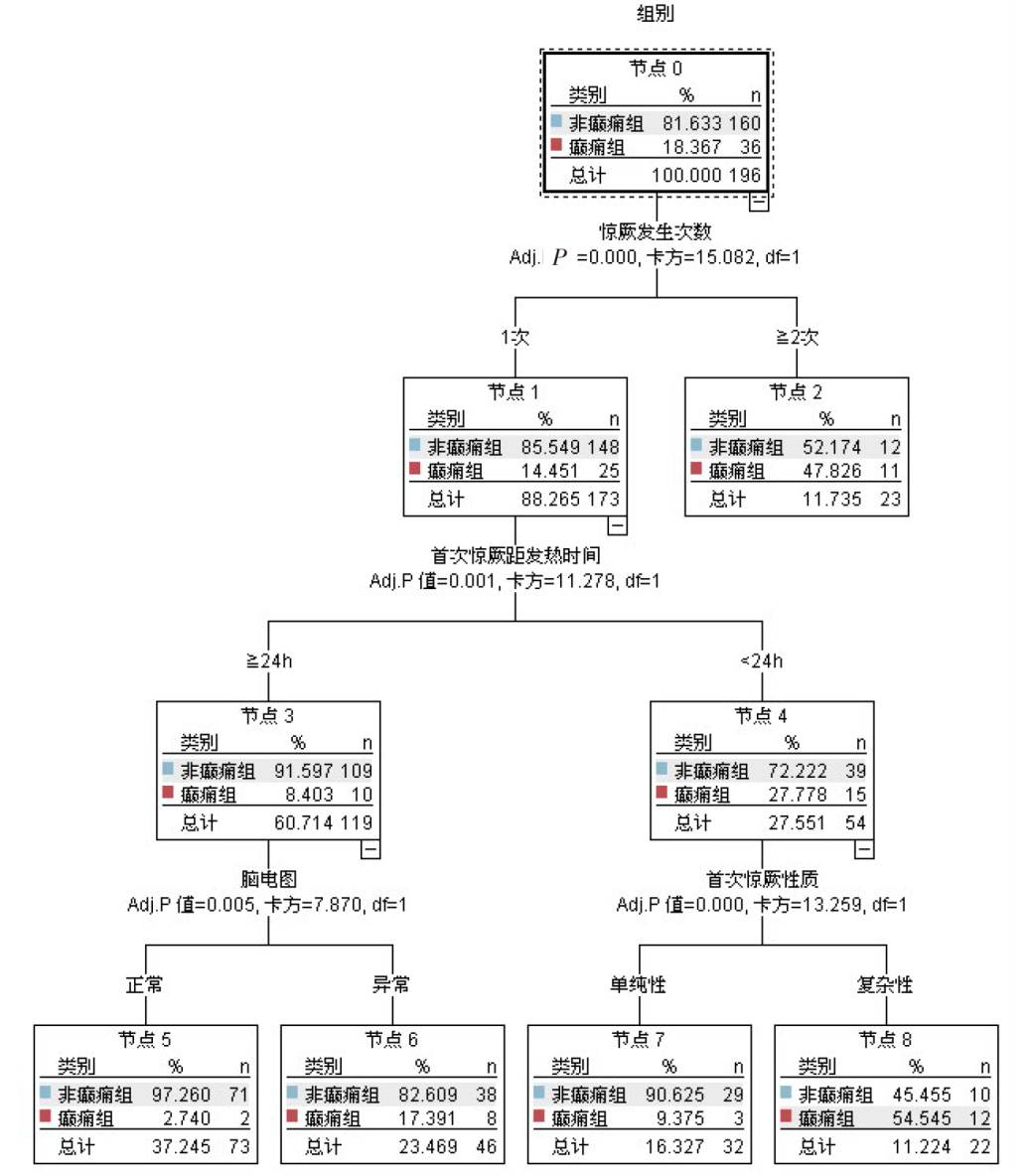
Fig.1 Decision tree model for the development of epilepsy in children with febrile convulsions
| 模型 | AUC | 95%CI | 敏感度/% | 特异度/% | 约登指数 |
|---|---|---|---|---|---|
| Logistic模型 | 0.838 | 0.764~0.911 | 65.89 | 90.00 | 0.539 |
| 决策树模型 | 0.849 | 0.780~0.916 | 79.64 | 88.75 | 0.554 |
Tab.3 The predictive effectiveness of the two models
| 模型 | AUC | 95%CI | 敏感度/% | 特异度/% | 约登指数 |
|---|---|---|---|---|---|
| Logistic模型 | 0.838 | 0.764~0.911 | 65.89 | 90.00 | 0.539 |
| 决策树模型 | 0.849 | 0.780~0.916 | 79.64 | 88.75 | 0.554 |
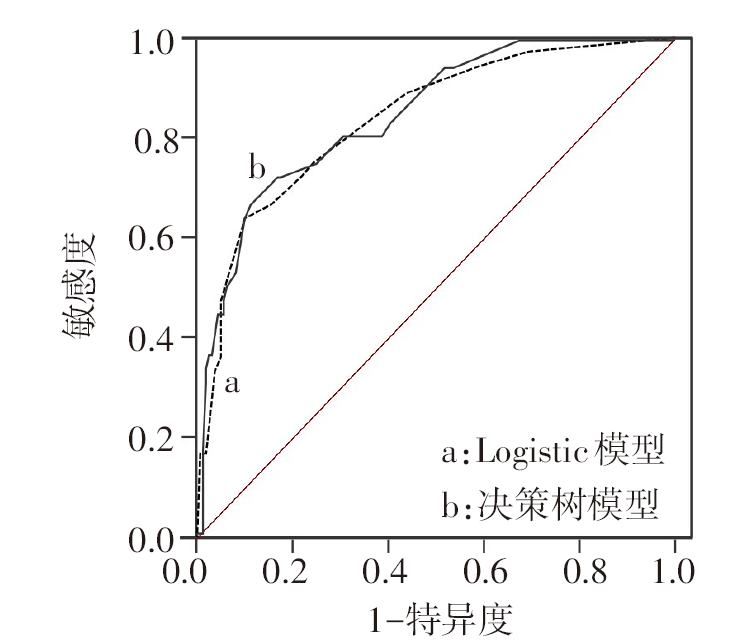
Fig.2 The ROC curve of two predictive models for children with febrile convulsions developing into epilepsy
| [1] | CORSELLO A, MARANGONI M B, MACCHI M, et al. Febrile seizures:a systematic review of different guidelines[J]. Pediatr Neurol, 2024, 155:141-148. doi:10.1016/j.pediatrneurol.2024.03.024. |
| [2] | ŞAHIN S, ŞIMŞEK E, ÖZER YAMAN S, et al. Vascular cell adhesion molecule-1 and complement c3 involvement in febrile seizures in children[J]. J Mol Neurosci, 2025, 75(3):86. doi:10.1007/s12031-025-02385-w. |
| [3] | OFFRINGA M, NEWTON R, NEVITT S J, et al. Prophylactic drug management for febrile seizures in children[J]. Cochrane Database Syst Rev, 2021, 6(6):CD003031. doi:10.1002/14651858.CD003031.pub4. |
| [4] | HABIB M A, POVEY M, CASABONA G, et al. Clinical trials show similar safety outcomes including febrile convulsion rates for GSK's and Merck's measles-mumps-rubella(MMR)vaccines[J]. Hum Vaccin Immunother, 2023, 19(1):2188852. doi:10.1080/21645515.2023.2188852. |
| [5] | SHEIKH Z, HIRSCH L J. A practical approach to in-hospital management of new-onset refractory status epilepticus/febrile infection related epilepsy syndrome[J]. Front Neurol, 2023,14:1150496. doi:10.3389/fneur.2023.1150496. |
| [6] | JUNG J Y, YANG C M, KIM J J. Decision tree-based foot orthosis prescription for patients with pes planus[J]. Int J Environ Res Public Health, 2022, 19(19):12484. doi:10.3390/ijerph191912484. |
| [7] | 中华医学会儿科学分会神经学组. 热性惊厥诊断治疗与管理专家共识(2017实用版)[J]. 中华实用儿科临床杂志, 2017, 32(18):1379-1382. |
| The Subspecialty Group of Neurology Diseases,the Society of Pediatrics,Chinese Medical Association. Expert consensus on diagnosis,treatment and management of febrile convulsions(2017 practical edition)[J]. Chin J Appl Clin Pediat, 2017, 32(18):1379-1382. doi:10.3760/cma.j.issn.2095-428X.2017.18.005. | |
| [8] | 黄秋月. 复杂型小儿高热惊厥转化为癫痫的影响因素分析[J]. 中国实用医药, 2016, 11(5):105-106. |
| HUANG Q Y. Analysis of influencing factors of complex febrile convulsions in children transforming into epilepsy[J]. China Prac Med, 2016, 11(5):105-106. doi:10.14163/j.cnki.11-5547/r.2016.05.077. | |
| [9] | 唐迪莹. 热性惊厥患儿视频脑电图改变与临床特点的分析[D]. 沈阳医学院, 2021. |
| TANG D Y. Analysis of video electroencephalogram changes and clinical characteristics in children with febrile convulsions[D]. Shenyang: Shenyang Medical College, 2021. doi:10.27900/d.cnki.gsyyx.2021.000058. | |
| [10] | EILBERT W, CHAN C. Febrile seizures:a review[J]. J Am Coll Emerg Physicians Open, 2022, 3(4):e12769. doi:10.1002/emp2.12769. |
| [11] | 王雪宁, 孙媛. 儿童初次发热惊厥的危险因素分析[J]. 中西医结合心脑血管病杂志, 2022, 20(8):1527-1529. |
| WANG X N, SUN Y. Analysis of risk factors for primary febrile convulsions in children[J]. Chinese Journal of Integrative Medicine on Cardio-Cerebrovascular Disease, 2022, 20(8):1527-1529. doi:10.12102/j.issn.1672-1349.2022.08.044. | |
| [12] | FERRETTI A, RIVA A, FABRIZIO A, et al. Best practices for the management of febrile seizures in children[J]. Ital J Pediatr, 2024, 50(1):95. doi:10.1186/s13052-024-01666-1. |
| [13] | 杨慧, 吴莹, 朱航. 小儿热性惊厥转为癫痫高危因素分析[J]. 临床医学研究与实践, 2016, 1(25):16-17. |
| YANG H, WU Y, ZHU H. Analysis of high risk factors in children with febrile convulsion converting to epilepsy[J]. Clinical Research and Practice, 2016, 1(25):16-17. doi:10.3969/j.issn.2096-1413.2016.25.007. | |
| [14] | 孔德庆, 孔祥英, 何念海. 复杂型小儿高热惊厥转化为癫痫的影响因素分析[J]. 第三军医大学学报, 2005, 27(8):767-769. |
| KONG D Q, KONG X Y, HE N H. Factor analysis of complex febrile seizures of childhood developing to epilepsy[J]. Acta Academiae Medicinae Militaris Teriae, 2005, 27(8):767-769. doi:10.3321/j.issn:1000-5404.2005.08.024. | |
| [15] | 庞高峰, 范桂红, 朱迪卿. 常州市小儿热性惊厥流行病学特点及继发癫痫的危险因素分析[J]. 临床心身疾病杂志, 2019, 25(1):106-109. |
| PANG G F, FAN G H, ZHU D Q. Epidemiological characteristics of febrile seizures in children in Changzhou and analysis of risk factors for epilepsy[J]. J Clin Psychosom Dis, 2019, 25(1):106-109. doi:10.3969/j.issn.1672-187X.2019.01.031. | |
| [16] | 肖冠华, 吴娜. 不同部位脑电图异常的热性惊厥患儿对后期癫痫发生的影响[J]. 河北医学, 2020, 26(5):833-836. |
| XIAO G H, WU N. Effect of febrile convulsion with abnormal electroencephalogram at different sites on the occurrence of post-epilepsy[J]. Hebei Medicine, 2020, 26(5):833-836. doi:10.3969/j.issn.1006-6233.2020.05.032. | |
| [17] | 娄冬, 高妙. 热性惊厥儿童脑电图特点及异常部位对后期癫痫发生的影响[J]. 深圳中西医结合杂志, 2023, 33(7):1-4,137-138. |
| LOU D, GAO M. The inffuence of electroencephalogram characteristics and abnormal sites on the occurrence of late epilepsy in children with febrile convulsion[J]. Shenzhen Journal of Integrated Traditional Chinese and Western Medicine, 2023, 33(7):1-4,137-138. doi:10.16458/j.cnki.1007-0893.2023.07.001. | |
| [18] | XU Z, LI F, XIN Y, et al. Prognostic risk prediction model for patients with acute exacerbation of chronic obstructive pulmonary disease(AECOPD):a systematic review and meta-analysis[J]. Respir Res, 2024, 25(1):410. doi:10.1186/s12931-024-03033-4. |
| Viewed | ||||||
|
Full text |
|
|||||
|
Abstract |
|
|||||
