
Tianjin Medical Journal ›› 2025, Vol. 53 ›› Issue (11): 1180-1185.doi: 10.11958/20252150
• Clinical Research • Previous Articles Next Articles
ZHANG Yi( ), YU Hehua△(), XU Tianpeng
Received:2025-05-27
Revised:2025-08-12
Published:2025-11-15
Online:2025-11-19
Contact:
△E-mail:ZHANG Yi, YU Hehua, XU Tianpeng. Analysis of influencing factors of secondary coagulopathy in patients with severe acute pancreatitis and establishment of prediction model[J]. Tianjin Medical Journal, 2025, 53(11): 1180-1185.
CLC Number:
| 组别 | n | APTT/s | PT/s | FIB/(g/L) | TT/s | PLT/(×109/L) |
|---|---|---|---|---|---|---|
| 对照组 | 202 | 33.95±11.69 | 15.28±4.69 | 4.60±1.45 | 14.81±1.79 | 258.31±60.05 |
| 观察组 | 96 | 45.22±13.27 | 20.34±5.02 | 6.38±1.61 | 15.04±2.02 | 265.64±67.94 |
| t | 7.440** | 8.507** | 9.552** | 0.994 | 0.943 |
Tab.1 Comparison of coagulation parameters between two groups
| 组别 | n | APTT/s | PT/s | FIB/(g/L) | TT/s | PLT/(×109/L) |
|---|---|---|---|---|---|---|
| 对照组 | 202 | 33.95±11.69 | 15.28±4.69 | 4.60±1.45 | 14.81±1.79 | 258.31±60.05 |
| 观察组 | 96 | 45.22±13.27 | 20.34±5.02 | 6.38±1.61 | 15.04±2.02 | 265.64±67.94 |
| t | 7.440** | 8.507** | 9.552** | 0.994 | 0.943 |
| 组别 | n | 性别(男/女) | 年龄/岁 | 体质量指数/(kg/m2) | 吸烟史 | 饮酒史 | |||||
|---|---|---|---|---|---|---|---|---|---|---|---|
| 对照组 | 202 | 119/83 | 67.24±5.38 | 24.05±2.14 | 81(40.10) | 85(42.08) | |||||
| 观察组 | 96 | 46/50 | 68.97±5.18 | 24.98±2.07 | 30(31.25) | 34(35.42) | |||||
| χ2或t | 3.183 | 2.661* | 3.543* | 2.180 | 1.204 | ||||||
| 组别 | 发病原因 | 基础疾病 | |||||||||
| 胆源性 | 脂源性 | 酒精性 | 特发性 | 高血压 | 糖尿病 | 冠心病 | 高脂血症 | ||||
| 对照组 | 122(60.40) | 51(25.25) | 21(10.10) | 8(3.96) | 89(44.06) | 37(18.32) | 20(9.90) | 29(14.36) | |||
| 观察组 | 50(52.08) | 30(31.25) | 12(12.50) | 4(4.17) | 45(46.88) | 20(20.83) | 11(11.46) | 38(39.58) | |||
| χ2 | 1.909 | 0.209 | 0.266 | 0.169 | 23.762** | ||||||
| 组别 | 胰腺炎病史 | 使用血管 活性药物 | 机械通气 | 腔静脉置管 | 腹腔内高压 | 肺部感染 | 胰腺坏死 | ||||
| 对照组 | 17(8.42) | 194(96.04) | 83(41.09) | 78(38.61) | 23(11.39) | 59(29.21) | 71(35.15) | ||||
| 观察组 | 10(10.42) | 87(90.63) | 50(52.08) | 42(43.75) | 47(48.96) | 30(31.25) | 64(66.67) | ||||
| χ2 | 0.316 | 3.547 | 3.183 | 0.714 | 51.114** | 0.130 | 26.088** | ||||
| 组别 | APACHEⅡ 评分/分 | SOFA评分/ 分 | 白细胞计数/ (×109/L) | 血红蛋白/ (g/L) | 白蛋白/ (g/L) | D-二聚体/ (mg/L) | |||||
| 对照组 | 19.68±3.02 | 4.95±1.13 | 13.98±7.91 | 120.24±23.29 | 37.07±4.68 | 1.21±0.40 | |||||
| 观察组 | 21.81±3.15 | 6.43±1.02 | 14.76±7.35 | 116.67±21.32 | 33.54±4.20 | 1.59±0.38 | |||||
| t | 5.611** | 10.894** | 0.814 | 1.270 | 6.284** | 7.786** | |||||
| 组别 | 血淀粉酶/(U/L) | 血尿素氮/(mmol/L) | 血肌酐/(μmol/L) | C反应蛋白/(mg/L) | 假性囊肿 | ||||||
| 对照组 | 1 429.64±355.02 | 9.91±2.05 | 193.84±45.21 | 165.75±80.27 | 20(9.90) | ||||||
| 观察组 | 1 503.16±342.41 | 10.30±1.95 | 204.35±48.95 | 242.95±75.34 | 11(11.46) | ||||||
| χ2或t | 1.690 | 1.559 | 1.826 | 7.911** | 0.169 | ||||||
Tab.2 Comparison of clinical relevant indicators between the two groups
| 组别 | n | 性别(男/女) | 年龄/岁 | 体质量指数/(kg/m2) | 吸烟史 | 饮酒史 | |||||
|---|---|---|---|---|---|---|---|---|---|---|---|
| 对照组 | 202 | 119/83 | 67.24±5.38 | 24.05±2.14 | 81(40.10) | 85(42.08) | |||||
| 观察组 | 96 | 46/50 | 68.97±5.18 | 24.98±2.07 | 30(31.25) | 34(35.42) | |||||
| χ2或t | 3.183 | 2.661* | 3.543* | 2.180 | 1.204 | ||||||
| 组别 | 发病原因 | 基础疾病 | |||||||||
| 胆源性 | 脂源性 | 酒精性 | 特发性 | 高血压 | 糖尿病 | 冠心病 | 高脂血症 | ||||
| 对照组 | 122(60.40) | 51(25.25) | 21(10.10) | 8(3.96) | 89(44.06) | 37(18.32) | 20(9.90) | 29(14.36) | |||
| 观察组 | 50(52.08) | 30(31.25) | 12(12.50) | 4(4.17) | 45(46.88) | 20(20.83) | 11(11.46) | 38(39.58) | |||
| χ2 | 1.909 | 0.209 | 0.266 | 0.169 | 23.762** | ||||||
| 组别 | 胰腺炎病史 | 使用血管 活性药物 | 机械通气 | 腔静脉置管 | 腹腔内高压 | 肺部感染 | 胰腺坏死 | ||||
| 对照组 | 17(8.42) | 194(96.04) | 83(41.09) | 78(38.61) | 23(11.39) | 59(29.21) | 71(35.15) | ||||
| 观察组 | 10(10.42) | 87(90.63) | 50(52.08) | 42(43.75) | 47(48.96) | 30(31.25) | 64(66.67) | ||||
| χ2 | 0.316 | 3.547 | 3.183 | 0.714 | 51.114** | 0.130 | 26.088** | ||||
| 组别 | APACHEⅡ 评分/分 | SOFA评分/ 分 | 白细胞计数/ (×109/L) | 血红蛋白/ (g/L) | 白蛋白/ (g/L) | D-二聚体/ (mg/L) | |||||
| 对照组 | 19.68±3.02 | 4.95±1.13 | 13.98±7.91 | 120.24±23.29 | 37.07±4.68 | 1.21±0.40 | |||||
| 观察组 | 21.81±3.15 | 6.43±1.02 | 14.76±7.35 | 116.67±21.32 | 33.54±4.20 | 1.59±0.38 | |||||
| t | 5.611** | 10.894** | 0.814 | 1.270 | 6.284** | 7.786** | |||||
| 组别 | 血淀粉酶/(U/L) | 血尿素氮/(mmol/L) | 血肌酐/(μmol/L) | C反应蛋白/(mg/L) | 假性囊肿 | ||||||
| 对照组 | 1 429.64±355.02 | 9.91±2.05 | 193.84±45.21 | 165.75±80.27 | 20(9.90) | ||||||
| 观察组 | 1 503.16±342.41 | 10.30±1.95 | 204.35±48.95 | 242.95±75.34 | 11(11.46) | ||||||
| χ2或t | 1.690 | 1.559 | 1.826 | 7.911** | 0.169 | ||||||
| 因素 | β | SE | Wald χ2 | P | OR | OR 95%CI |
|---|---|---|---|---|---|---|
| 年龄 | 0.755 | 0.385 | 3.726 | 0.053 | 2.127 | 0.986~4.589 |
| 体质量指数 | 0.183 | 0.114 | 2.565 | 0.109 | 1.201 | 0.960~1.502 |
| 高脂血症 | 0.333 | 0.548 | 0.370 | 0.543 | 1.396 | 0.477~4.087 |
| 腹腔内高压 | 0.981 | 0.562 | 3.050 | 0.081 | 2.668 | 0.887~8.024 |
| 胰腺坏死 | 0.259 | 0.494 | 0.276 | 0.599 | 1.296 | 0.493~3.410 |
| APACHEⅡ评分 | 0.363 | 0.081 | 20.226 | <0.001 | 1.438 | 1.227~1.684 |
| SOFA评分 | 0.952 | 0.218 | 19.072 | <0.001 | 2.592 | 1.690~3.975 |
| 白蛋白 | -0.449 | 0.154 | 8.507 | 0.003 | 0.638 | 0.478~0.852 |
| D-二聚体 | 1.768 | 0.421 | 17.635 | <0.001 | 5.859 | 3.980~8.625 |
| C反应蛋白 | 1.004 | 0.318 | 9.967 | 0.001 | 2.729 | 1.103~6.752 |
| 常数项 | -24.747 | 5.130 | 23.272 | <0.001 | 0.002 |
Tab.3 Multivariate analysis of secondary coagulation dysfunction in SAP patients
| 因素 | β | SE | Wald χ2 | P | OR | OR 95%CI |
|---|---|---|---|---|---|---|
| 年龄 | 0.755 | 0.385 | 3.726 | 0.053 | 2.127 | 0.986~4.589 |
| 体质量指数 | 0.183 | 0.114 | 2.565 | 0.109 | 1.201 | 0.960~1.502 |
| 高脂血症 | 0.333 | 0.548 | 0.370 | 0.543 | 1.396 | 0.477~4.087 |
| 腹腔内高压 | 0.981 | 0.562 | 3.050 | 0.081 | 2.668 | 0.887~8.024 |
| 胰腺坏死 | 0.259 | 0.494 | 0.276 | 0.599 | 1.296 | 0.493~3.410 |
| APACHEⅡ评分 | 0.363 | 0.081 | 20.226 | <0.001 | 1.438 | 1.227~1.684 |
| SOFA评分 | 0.952 | 0.218 | 19.072 | <0.001 | 2.592 | 1.690~3.975 |
| 白蛋白 | -0.449 | 0.154 | 8.507 | 0.003 | 0.638 | 0.478~0.852 |
| D-二聚体 | 1.768 | 0.421 | 17.635 | <0.001 | 5.859 | 3.980~8.625 |
| C反应蛋白 | 1.004 | 0.318 | 9.967 | 0.001 | 2.729 | 1.103~6.752 |
| 常数项 | -24.747 | 5.130 | 23.272 | <0.001 | 0.002 |
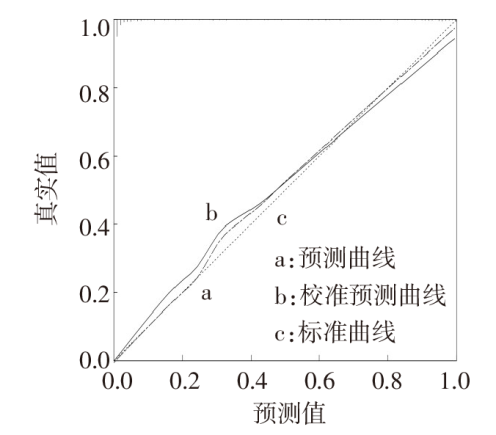
Fig.1 Calibration curve of the Logistic regression model
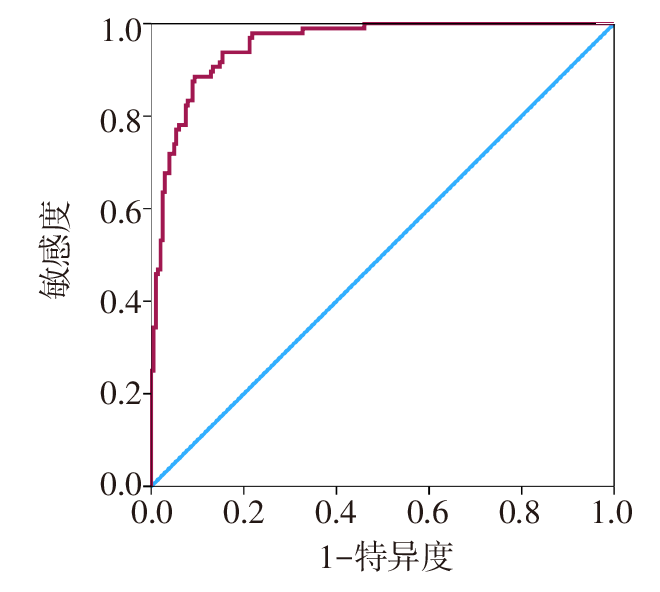
Fig.2 ROC curve of Logistic regression model for predicting secondary coagulation dysfunction in SAP patients
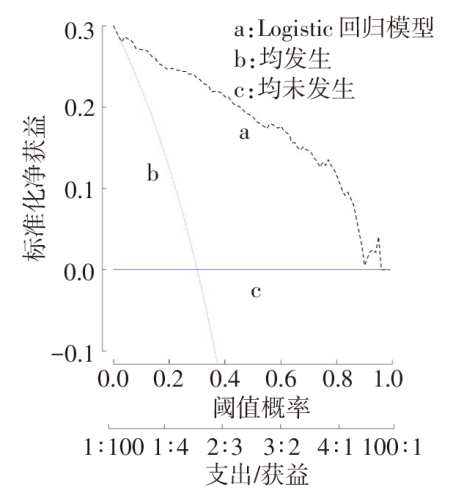
Fig.3 Decision curve of the Logistic regression model
| [1] | MEDEROS M A, REBER H A, GIRGIS M D. Acute pancreatitis:a review[J]. JAMA, 2021, 325(4):382-390. doi:10.1001/jama.2020.20317. |
| [2] | MOYANO J, ABONDANO D, ECHAVARRIA V. A review of acute pancreatitis[J]. JAMA, 2021, 325(23):2402-2403. doi:10.1001/jama.2021.6009. |
| [3] | GARDNER T B. Acute pancreatitis[J]. Ann Intern Med, 2021, 174(2):ITC17-ITC32. doi:10.7326/AITC202102160. |
| [4] | RAO P, NIEMANN B, SZELIGO B, et al. Acute pancreatitis induces a transient hypercoagulable state in murine models[J]. Pancreatology, 2023, 23(3):306-313. doi:10.1016/j.pan.2023.02.007. |
| [5] | SISSINGH N J, GROEN J V, TIMMERHUIS H C, et al. Therapeutic anticoagulation for splanchnic vein thrombosis in acute pancreatitis:a national survey and case-vignette study[J]. World J Gastroenterol, 2023, 29(21):3328-3340. doi:10.3748/wjg.v29.i21.3328. |
| [6] | 中华医学会外科学分会胰腺外科学组. 中国急性胰腺炎诊治指南(2021)[J]. 中华外科杂志, 2021, 59(7):578-587. |
| Pancreatic Surgery Group,Society of Surgery,Chinese Medical Association. Chinese guidelines for diagnosis and treatment of acute pancreatitis (2021)[J]. Chinese Journal of Digestive Surgery, 2021, 59(7):578-587. doi:10.3760/cma.j.cn112139-20210416-00172. | |
| [7] | 刘靓懿, 宿冬远, 张忠文, 等. 重症急性胰腺炎患者LEDVT发生情况和相关因素探讨[J]. 现代消化及介入诊疗, 2022, 27(11):1460-1462. |
| LIU L Y, SU D Y, ZHANG Z W, et al. Investigation on the incidence and related factors of LEDVT in patients with severe acute pancreatitis[J]. Modern Digestion & Intervention, 2022, 27(11):1460-1462. doi:10.3969/j.issn.1672-2159.2022.11.019. | |
| [8] | PANDEY R, PATHAK R, JHA A, et al. Comparison of acute physiology and chronic health evaluation II,bedside index for severity in acute pancreatitis and modified computed tomography severity index scores in predicting the outcome in acute pancreatitis in a tertiary care centre in Nepal[J]. J Nepal Health Res Counc, 2023, 21(2):203-206. doi:10.33314/jnhrc.v21i02.4379. |
| [9] | MORENO R, RHODES A, PIQUILLOUD L, et al. The sequential organ failure assessment (SOFA) score:has the time come for an update?[J]. Crit Care, 2023, 27(1):15. doi:10.1186/s13054-022-04290-9. |
| [10] | 宋景春, 张伟, 张磊, 等. 重症患者凝血功能障碍标准化评估中国专家共识[J]. 解放军医学杂志, 2022, 47(2):107-117. |
| SONG J C, ZHANG W, ZHANG L, et al. Consensus of Chinese experts on standardized evaluation of coagulation dysfunction in severe patients[J]. Med J Chin People's Liberation Army, 2022, 47(2):107-117. doi:10.11855/j.issn.0577-7402.2022.02.0107. | |
| [11] | WILSON T M, DANESHMAND A, PARYS S, et al. Splanchnic vein thrombosis in acute pancreatitis:a review of treatment indications,methods,and outcomes in a single institution[J]. ANZ J Surg, 2023, 93(10):2487-2491. doi:10.1111/ans.18442. |
| [12] | SISSINGH N J, GROEN J V, KOOLE D, et al. Therapeutic anticoagulation for splanchnic vein thrombosis in acute pancreatitis:a systematic review and meta-analysis[J]. Pancreatology, 2022, 22(2):235-243. doi:10.1016/j.pan.2021.12.008. |
| [13] | ZHENG J, HAN M, CHEN J, et al. Predictive value of D-dimer and fibrinogen degradation product for splanchnic vein thrombosis in patients with severe acute pancreatitis:a single-center retrospective study[J]. Scand J Gastroenterol, 2023, 58(10):1166-1172. doi:10.1080/00365521.2023.2215367. |
| [14] | 刁志宏, 雷力民, 唐联顺, 等. 急性胰腺炎患者凝血功能和炎症反应指标检测的临床价值[J]. 检验医学与临床, 2023, 20(20):3088-3090. |
| DIAO Z H, LEI L M, TANG L S, et al. Clinical value of detecting coagulation function and inflammatory response indicators in patients with acute pancreatitis[J]. Laboratory Medicine and Clinical, 2023, 20(20):3088-3090. doi:10.3969/j.issn.1672-9455.2023.20.035. | |
| [15] | 李军, 魏国峰, 蔡兆辉, 等. 急性胰腺炎继发器官功能衰竭患者凝血功能及外周血TIM-3 TAT ACE2水平变化分析[J]. 河北医学, 2024, 30(3):436-441. |
| LI J, WEI G F, CAI Z H, et al. Analysis of coagulation function and peripheral blood TIM-3 TAT ACE2 levels in patients with acute pancreatitis and secondary organ failure[J]. Hebei Med, 2024, 30(3):436-441. doi:10.3969/j.issn.1006-6233.2024.03.015. | |
| [16] | 付路, 孙昀, 曹利军, 等. 重症急性胰腺炎并发腹腔出血危险因素分析[J]. 中华普通外科杂志, 2022, 37(5):376-378. |
| FU L, SUN Y, CAO L J, et al. Analysis of risk factors for abdominal hemorrhage in patients with severe acute pancreatitis[J]. Chin J Gen Surg, 2022, 37(5):376-378. doi:10.3760/cma.j.cn113855-20210128-00066. | |
| [17] | 程家浩, 刘正东. 重症急性胰腺炎患者ICU期间下肢深静脉血栓形成的发生率和危险因素分析[J]. 临床急诊杂志, 2021, 22(9):597-602. |
| CHENG J H, LIU Z D. Incidence and risk factors of lower extremity deep venous thrombosis in severe acute pancreatitis patients during intensive care unit period[J]. Journal of Clinical Emergency, 2021, 22(9):597-602. doi:10.13201/j.issn.1009-5918.2021.09.006. | |
| [18] | 贾倩, 张玉虹, 左路广, 等. 上消化道出血患者RDW、D-二聚体与出血量、病情程度的关系及联合检测的临床指导价值[J]. 中国急救复苏与灾害医学杂志, 2022, 17(3):378-382,386. |
| JIA Q, ZHANG Y H, ZUO L G, et al. The relationship between RDW,D-dimer,bleeding volume and disease degree in patients with upper gastrointestinal bleeding and the clinical guiding value of combined detection[J]. Chin J Emerg Resusc Disaster Med, 2022, 17(3):378-382,386. doi:10.3969/j.issn.1673-6966.2022.03.025. | |
| [19] | 尹彦芬, 容维娜, 张霞, 等. 脓毒症患者血清降钙素原、C-反应蛋白与凝血功能、病情评分的关系及预后的影响因素分析[J]. 现代生物医学进展, 2021, 21(7):1333-1337. |
| YIN Y F, RONG W N, ZHANG X, et al. Analysis of the relationship between serum procalcitonin,C-reactive protein,coagulation function,disease score and prognostic factors in patients with sepsis[J]. Progress in Modern Biomedicine, 2021, 21(7):1333-1337. doi:10.13241/j.cnki.pmb.2021.07.029. | |
| [20] | 彭清, 刘佳君, 刘焱, 等. Padua预测评分和血清白蛋白水平在评估风湿病住院患者静脉血栓栓塞中的应用[J]. 北京大学学报(医学版), 2023, 55(4):625-630. |
| PENG Q, LIU J J, LIU Y, et al. Application of Padua prediction score and serum albumin level in evaluating venous thromboembolism in rheumatic inpatients[J]. Journal of Peking University (Health Sciences), 2023, 55(4):625-630. doi:10.19723/j.issn.1671-167X.2023.04.009. | |
| [21] | 董丹, 陈立娟, 俞荷花. 急性胰腺炎并发低血压的危险因素分析及预测模型建立[J]. 天津医药, 2025, 53(5):509-513. |
| DONG D, CHEN L J, YU H H. Analysis of risk factors and establishment of prediction model of acute pancreatitis complicated with hypotension[J]. Tianjin Med J, 2025, 53(5):509-513. doi:10.11958/20250456. | |
| [22] | 代国洋, 郭凤宝, 杨鹏, 等. 创伤患者继发急性创伤性凝血功能障碍的相关危险因素分析[J]. 中国临床研究, 2023, 36(4):586-590,595. |
| DAI G Y, GUO F B, YANG P, et al. Related risk factors for secondary acute traumatic coagulopathy in trauma patients[J]. Chin J Clin Res, 2023, 36(4):586-590,595. doi:10.13429/j.cnki.cjcr.2023.04.021. |
| Viewed | ||||||
|
Full text |
|
|||||
|
Abstract |
|
|||||
