
Tianjin Medical Journal ›› 2025, Vol. 53 ›› Issue (10): 1037-1042.doi: 10.11958/20250625
• Clinical Research • Previous Articles Next Articles
WANG Haixia( ), HE Fei△(), ZHU Congmei, WANG Jing
Received:2025-02-20
Revised:2025-07-21
Published:2025-10-15
Online:2025-10-12
Contact:
△E-mail:WANG Haixia, HE Fei, ZHU Congmei, WANG Jing. Establishment and validation of a column chart risk prediction model for aspiration in early enteral nutrition therapy of ICU patients[J]. Tianjin Medical Journal, 2025, 53(10): 1037-1042.
CLC Number:
| 组别 | n | 年龄(≥60岁) | 男性 | BMI/(kg/m2) | 糖尿病史 | ||||||||||||||||
|---|---|---|---|---|---|---|---|---|---|---|---|---|---|---|---|---|---|---|---|---|---|
| 非误吸组 | 274 | 55(20.1) | 160(58.4) | 23.4±2.5 | 41(15.0) | ||||||||||||||||
| 误吸组 | 74 | 29(39.2) | 47(63.5) | 23.6±2.7 | 12(16.2) | ||||||||||||||||
| t或χ2 | 11.627** | 0.634 | 0.600 | 0.071 | |||||||||||||||||
| 组别 | 气管插管或 机械通气 | 首次血浆 ALB/(g/L) | 鼻饲管 插入深度/cm | 输注量/ mL | |||||||||||||||||
| 非误吸组 | 47(17.2) | 32.9±5.5 | 84.0±10.5 | 2 078.2±272.3 | |||||||||||||||||
| 误吸组 | 23(31.1) | 33.3±4.8 | 95.5±12.6 | 2 162.5±282.5 | |||||||||||||||||
| t或χ2 | 7.034** | 0.584 | 8.005** | 2.356* | |||||||||||||||||
| 组别 | 疾病类型 | 意识水平 | |||||||||||||||||||
| 重症肺炎 | 脑卒中 | 感染性休克 | 意识清楚 | 意识不清 | |||||||||||||||||
| 非误吸组 | 129(47.1) | 117(42.7) | 28(10.2) | 181(66.1) | 93(33.9) | ||||||||||||||||
| 误吸组 | 31(41.9) | 29(39.2) | 14(18.9) | 31(41.9) | 43(58.1) | ||||||||||||||||
| χ2 | 4.166 | 14.293** | |||||||||||||||||||
| 组别 | APACHEⅡ评分 | 营养风险 | 营养方式 | ||||||||||||||||||
| <15分 | ≥15分 | 低风险 | 高风险 | 持续泵入 | 分次鼻饲 | ||||||||||||||||
| 非误吸组 | 221(80.7) | 53(19.3) | 208(75.9) | 66(24.1) | 206(75.2) | 68(24.8) | |||||||||||||||
| 误吸组 | 45(60.8) | 29(39.2) | 32(43.2) | 42(56.8) | 48(64.9) | 26(35.1) | |||||||||||||||
| χ2 | 12.741** | 29.054** | 3.146 | ||||||||||||||||||
Tab.1 Comparison of general information and EN treatment condition between the two groups of patients
| 组别 | n | 年龄(≥60岁) | 男性 | BMI/(kg/m2) | 糖尿病史 | ||||||||||||||||
|---|---|---|---|---|---|---|---|---|---|---|---|---|---|---|---|---|---|---|---|---|---|
| 非误吸组 | 274 | 55(20.1) | 160(58.4) | 23.4±2.5 | 41(15.0) | ||||||||||||||||
| 误吸组 | 74 | 29(39.2) | 47(63.5) | 23.6±2.7 | 12(16.2) | ||||||||||||||||
| t或χ2 | 11.627** | 0.634 | 0.600 | 0.071 | |||||||||||||||||
| 组别 | 气管插管或 机械通气 | 首次血浆 ALB/(g/L) | 鼻饲管 插入深度/cm | 输注量/ mL | |||||||||||||||||
| 非误吸组 | 47(17.2) | 32.9±5.5 | 84.0±10.5 | 2 078.2±272.3 | |||||||||||||||||
| 误吸组 | 23(31.1) | 33.3±4.8 | 95.5±12.6 | 2 162.5±282.5 | |||||||||||||||||
| t或χ2 | 7.034** | 0.584 | 8.005** | 2.356* | |||||||||||||||||
| 组别 | 疾病类型 | 意识水平 | |||||||||||||||||||
| 重症肺炎 | 脑卒中 | 感染性休克 | 意识清楚 | 意识不清 | |||||||||||||||||
| 非误吸组 | 129(47.1) | 117(42.7) | 28(10.2) | 181(66.1) | 93(33.9) | ||||||||||||||||
| 误吸组 | 31(41.9) | 29(39.2) | 14(18.9) | 31(41.9) | 43(58.1) | ||||||||||||||||
| χ2 | 4.166 | 14.293** | |||||||||||||||||||
| 组别 | APACHEⅡ评分 | 营养风险 | 营养方式 | ||||||||||||||||||
| <15分 | ≥15分 | 低风险 | 高风险 | 持续泵入 | 分次鼻饲 | ||||||||||||||||
| 非误吸组 | 221(80.7) | 53(19.3) | 208(75.9) | 66(24.1) | 206(75.2) | 68(24.8) | |||||||||||||||
| 误吸组 | 45(60.8) | 29(39.2) | 32(43.2) | 42(56.8) | 48(64.9) | 26(35.1) | |||||||||||||||
| χ2 | 12.741** | 29.054** | 3.146 | ||||||||||||||||||
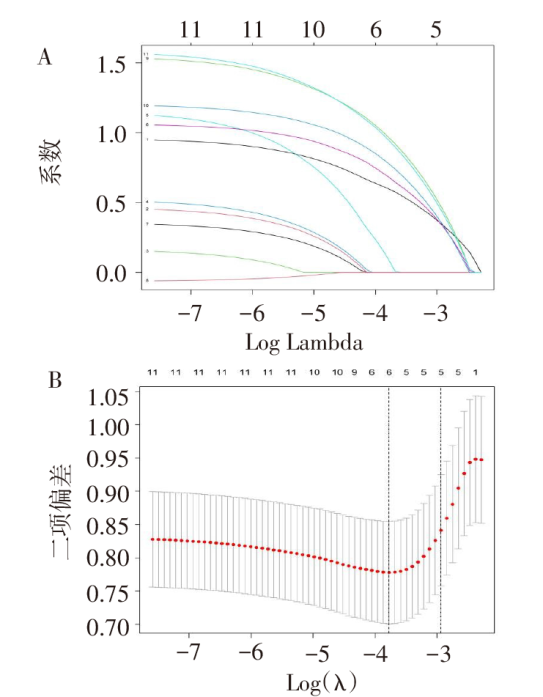
Fig.1 Variable selection process for aspiration risk prediction based on LASSO regression
| 自变量 | 赋值方法 |
|---|---|
| 年龄 | <60岁=0,≥60岁=1 |
| 气管插管或机械通气 | 无=0,使用=1 |
| APACHEⅡ评分 | <15分=0,≥15分=1 |
| 意识水平 | 意识清晰=0,意识不清=1 |
| 鼻饲管插入深度 | 实测值 |
| 输注量 | 实测值 |
| 营养风险 | 低风险=0,高风险=1 |
Tab.2 Independent variable assignment methods in Logistic regression analysis
| 自变量 | 赋值方法 |
|---|---|
| 年龄 | <60岁=0,≥60岁=1 |
| 气管插管或机械通气 | 无=0,使用=1 |
| APACHEⅡ评分 | <15分=0,≥15分=1 |
| 意识水平 | 意识清晰=0,意识不清=1 |
| 鼻饲管插入深度 | 实测值 |
| 输注量 | 实测值 |
| 营养风险 | 低风险=0,高风险=1 |
| 变量 | β | SE | Wald χ2 | P | OR | OR 95%CI |
|---|---|---|---|---|---|---|
| 年龄 | 0.994 | 0.257 | 14.983 | <0.001 | 2.701 | 1.633~4.467 |
| APACHEⅡ评分 | 0.754 | 0.321 | 5.517 | 0.019 | 2.125 | 1.133~3.987 |
| 意识水平 | 1.039 | 0.285 | 13.291 | <0.001 | 2.826 | 1.617~4.940 |
| 鼻饲管插入深度 | 0.096 | 0.016 | 34.741 | <0.001 | 1.101 | 1.006~1.136 |
| 营养风险 | 2.197 | 0.298 | 54.426 | <0.001 | 8.996 | 5.017~16.132 |
| 常数项 | -16.868 | 2.763 | 37.271 | <0.001 | 0.000 |
Tab.3 Analysis of influencing factors of aspiration in patients treated with EN
| 变量 | β | SE | Wald χ2 | P | OR | OR 95%CI |
|---|---|---|---|---|---|---|
| 年龄 | 0.994 | 0.257 | 14.983 | <0.001 | 2.701 | 1.633~4.467 |
| APACHEⅡ评分 | 0.754 | 0.321 | 5.517 | 0.019 | 2.125 | 1.133~3.987 |
| 意识水平 | 1.039 | 0.285 | 13.291 | <0.001 | 2.826 | 1.617~4.940 |
| 鼻饲管插入深度 | 0.096 | 0.016 | 34.741 | <0.001 | 1.101 | 1.006~1.136 |
| 营养风险 | 2.197 | 0.298 | 54.426 | <0.001 | 8.996 | 5.017~16.132 |
| 常数项 | -16.868 | 2.763 | 37.271 | <0.001 | 0.000 |
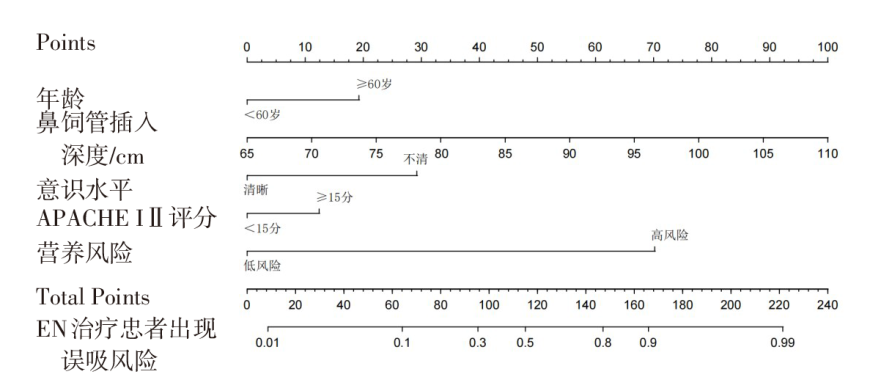
Fig.2 Nomogram risk prediction model for aspiration in ICU patients treated with EN
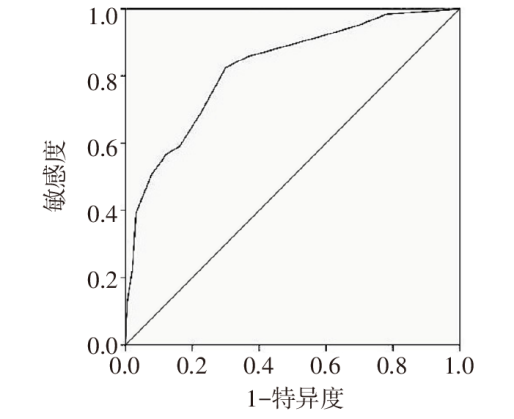
Fig.3 Diagnostic efficacy of the nomogram risk prediction model for the training set
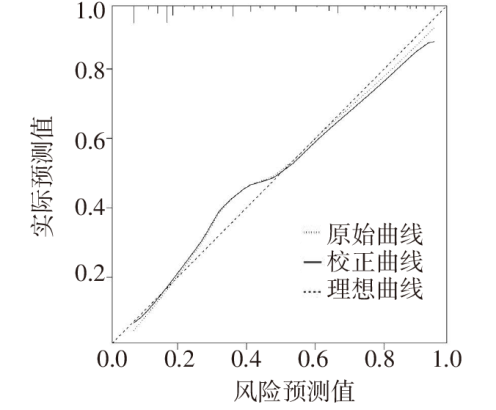
Fig.4 Calibration curve for internal validation of nomogram risk prediction model
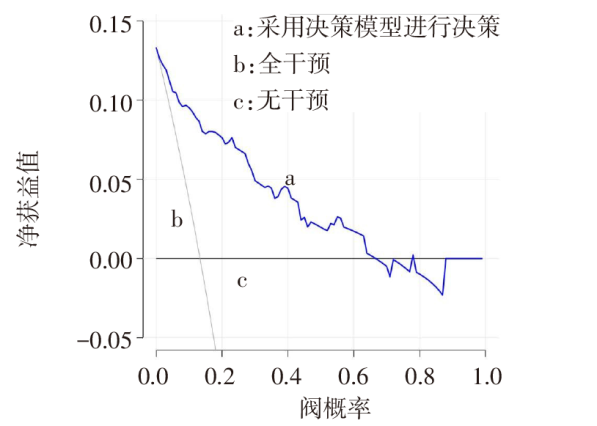
Fig.5 Decision curve for nomogram prediction model
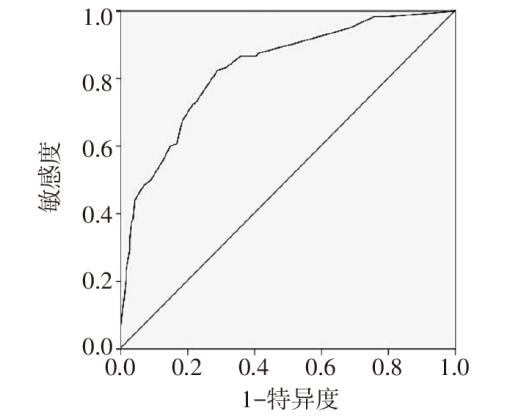
Fig.6 Diagnostic efficacy of nomogram risk prediction model for the validation set
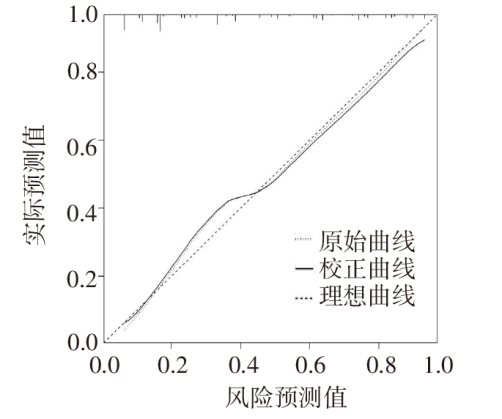
Fig.7 Calibration curve for external validation of nomoram risk prediction model
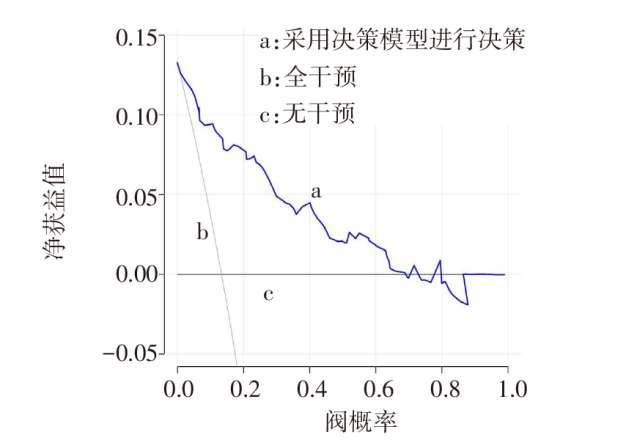
Fig.8 The nomogram predicting the decision curve for external validation of the model
| [1] | 杨刚华, 孟凡迪, 徐勤鸿, 等. 胰十二指肠切除术后早期肠内生态免疫营养对患者的影响[J]. 重庆医科大学学报, 2023, 48(11):1375-1380. |
| YANG G H, MENG F D, XU Q H, et al. Effect of early enteral eco-immunonutrition therapy on patients after pancreaticoduodenectomy[J]. Journal of Chongqing Medical University, 2023, 48(11):1375-1380. doi:10.13406/j.cnki.cyxb.003354. | |
| [2] | 夏小茜, 张炜, 畅雪丽, 等. 肌萎缩侧索硬化患者隐性误吸的危险因素及ALSFRS-R对其预测价值[J]. 天津医药, 2023, 51(7):677-681. |
| XIA X Q, ZHANG W, CHANG X L, et al. Risk factors of silent aspiration in patients with amyotrophic lateral sclerosis and the predictive value of ALSFRS-R scale[J]. Tianjin Med J, 2023, 51(7):677-681. doi:10.11958/20230473. | |
| [3] | 孙文静, 谢莉玲, 陈丽梅, 等. 经鼻胃管营养支持病人并发误吸的影响因素分析[J]. 肠外与肠内营养, 2020, 27(6):363-367. |
| SUN W J, XIE L L, CHEN L M, et al. Analysis of risk factors of aspiration in patients with nasogastric feeding[J]. Parenteral and Enteral Nutrition, 2020, 27(6):363-367. doi:10.16151/j.1007-810x.2020.06.010. | |
| [4] | 郝丹, 和青森. 老年颅脑损伤肠内营养病人并发误吸的危险因素分析[J]. 中国临床神经外科杂志, 2023, 28(3):170-172. |
| HAO D, HE Q S. Risk factors for aspiration in elderly patients with traumatic brain injury undergoing enteral nutrition[J]. Chin J Clin Neurosurg, 2023, 28(3):170-172. doi:10.13798/j.issn.1009-153X.2023.03.008. | |
| [5] | 彭宇, 沙丽艳, 刘子龙, 等. 重症脑出血患者肠内营养支持发生误吸风险预测模型的构建及验证[J]. 中国护理管理, 2022, 22(9):1391-1397. |
| PENG Y, SHA L Y, LIU Z L, et al. Construction and validation of risk prediction model for aspiration in patients with severe intracerebral hemorrhage receiving enteral nutrition support[J]. Chinese Journal of Nursing Management, 2022, 22(9):1391-1397. | |
| [6] | DEHGHAN M, FATEHI POOR A, MEHDIPOUR-RABORI R, et al. Effect of abdominal massage on prevention of aspiration in intubated and enterally fed patients:a randomized controlled trial[J]. J Complement Integr Med, 2020, 17(3):20170124. doi:10.1515/jcim-2017-0124. |
| [7] | 黄迎春, 张晶, 俞萍. 机械通气患者肠内营养误吸检测方法及预防的研究进展[J]. 中华临床营养杂志, 2021, 29(6):368-372. |
| HUANG Y C, ZHANG J, YU P. Research progress on detection and prevention of aspiration complicated by enteral nutrition in patients on mechanical ventilation[J]. Chin J Clin Nutr, 2021, 29(6):368-372. doi:10.3760/cma.j.cn115822-20210605-00126. | |
| [8] | SUNGONO V, HARIYANTO H, SOESILO T E B, et al. Cohort study of the APACHE II score and mortality for different types of intensive care unit patients[J]. Postgrad Med J, 2022, 98(1166):914-918. doi:10.1136/postgradmedj-2021-140376. |
| [9] | TIAN Y, YAO Y, ZHOU J, et al. Dynamic APACHE II score to predict the outcome of intensive care unit patients[J]. Front Med(Lausanne), 2022, 8:744907. doi:10.3389/fmed.2021.744907. |
| [10] | 王慧君, 叶向红, 张锐, 等. 外科重症患者早期肠内营养误吸状况及影响因素研究[J]. 护理学杂志, 2021, 36(7):63-65. |
| WANG H J, YE X H, ZHANG R, et al. Early enteral nutrition aspiration in critically ill surgical patients:the influencing factors[J]. Journal of Nursing Science, 2021, 36(7):63-65. doi:10.3870/j.issn.1001-4152.2021.07.063. | |
| [11] | KISA N G, KISA E, CEVIK B E. Prediction of mortality in patients after oncologic gastrointestinal surgery:comparison of the ASA,APACHE II,and POSSUM scoring systems[J]. Cureus, 2021, 13(3):e13684. doi:10.7759/cureus.13684. |
| [12] | MIR M J, CHILDERS J T, WHEELER-HEGLAND K. Cough correlates of functional swallow outcomes in atypical Parkinsonism[J]. Mov Disord Clin Pract, 2024, 11(3):265-275. doi:10.1002/mdc3.13965. |
| [13] | MIZUMA A, NETSU S, SAKAMOTO M, et al. Effect of early enteral nutrition on critical care outcomes in patients with acute ischemic stroke[J]. J Int Med Res, 2021, 49(11):3000605211055829. doi:10.1177/03000605211055829. |
| [14] | 余灵芝, 林兴, 朱秀梅, 等. 基于列线图构建重症颅脑损伤患者肠内营养误吸风险预测模型研究[J]. 创伤与急危重病医学, 2022, 10(6):467-470. |
| YU L Z, LIN X, ZHU X M, et al. Development and validation of a nomogram for predicting enteral nutrition aspiration risk in patients with severe traumatic brain injury[J]. Trauma and Critical Care Medicine, 2022, 10(6):467-470. doi:10.16048/j.issn.2095-5561.2022.06.22. | |
| [15] | SINGER P, BLASER A R, BERGER M M, et al. ESPEN guideline on clinical nutrition in the intensive care unit[J]. Clin Nutr, 2019, 38(1):48-79. doi:10.1016/j.clnu.2018.08.037. |
| Viewed | ||||||
|
Full text |
|
|||||
|
Abstract |
|
|||||
