
Tianjin Medical Journal ›› 2026, Vol. 54 ›› Issue (9): 967-972.doi: 10.11958/20253733
• Clinical Research • Previous Articles Next Articles
SONG Xiaolei1( ), ZHANG Wenlu1,△(), LI Yongben1, LI Na1, LUO Yingying1, LIU Zhen2, ZHANG Qing1
Received:2025-12-25
Revised:2026-03-06
Published:2026-09-15
Online:2026-09-14
Contact:
△E-mail:zhangwenluzwlmax@163.com
SONG Xiaolei, ZHANG Wenlu, LI Yongben, LI Na, LUO Yingying, LIU Zhen, ZHANG Qing. Influencing factors and construction of a predictive model for postoperative complications of Craig type I clavicle fractures in adolescents[J]. Tianjin Medical Journal, 2026, 54(9): 967-972.
CLC Number:
| 组别 | n | 年龄/ 岁 | 男性 | BMI/ (kg/m2) | 受伤至 手术的时间/d | 手术时间/ min | 术中 出血量/mL | 螺钉 数量/个 | 住院 时间/d | Constant-Murley肩关节评分/分 | ||||||||||||||||||
|---|---|---|---|---|---|---|---|---|---|---|---|---|---|---|---|---|---|---|---|---|---|---|---|---|---|---|---|---|
| 非并发症组 | 124 | 14.58±1.76 | 64(51.61) | 19.36±1.36 | 5.59±2.18 | 83.10±14.82 | 103.49±22.11 | 8.23±2.00 | 10.02±3.24 | 71.31±10.05 | ||||||||||||||||||
| 并发症组 | 56 | 14.52±1.80 | 26(46.43) | 19.27±1.36 | 5.32±2.28 | 84.57±15.61 | 125.27±22.52 | 8.50±2.07 | 10.16±3.45 | 63.07±10.38 | ||||||||||||||||||
| t或χ2 | 0.220 | 0.415 | 0.418 | 0.752 | 0.605 | 6.084** | 0.842 | 0.272 | 5.039** | |||||||||||||||||||
| 组别 | PⅠNP/ (μg/L) | NTX/ (μg/L) | 家族 骨折病史 | 术后 抗生素 | 术后 抗凝药 | 术后 镇痛药 | 骨折位置 | |||||||||||||||||||||
| 中段 | 远端 | |||||||||||||||||||||||||||
| 非并发症组 | 55.98±8.24 | 70.30±14.04 | 30(24.19) | 18(14.25) | 56(45.16) | 70(56.45) | 88(70.97) | 36(29.03) | ||||||||||||||||||||
| 并发症组 | 45.32±8.60 | 89.45±14.33 | 12(21.43) | 6(10.71) | 26(46.43) | 33(58.93) | 38(67.86) | 18(32.14) | ||||||||||||||||||||
| t或χ2 | 7.928** | 8.417** | 0.165 | 0.483 | 0.025 | 0.097 | 0.178 | |||||||||||||||||||||
| 组别 | 手术方式 | 受伤原因 | AO分型 | |||||||||||||||||||||||||
| 逆行弹性钉内固定 | 传统内固定 | 跌倒 | 撞击 | 交通事故 | 其他 | A型 | 15-B型 | 15-C型 | ||||||||||||||||||||
| 非并发症组 | 76(61.29) | 48(38.71) | 44(35.48) | 33(26.61) | 28(22.58) | 19(15.32) | 48(38.71) | 46(37.10) | 30(24.19) | |||||||||||||||||||
| 并发症组 | 15(26.79) | 41(73.21) | 28(50.00) | 12(21.43) | 8(14.29) | 8(14.29) | 20(35.71) | 18(32.14) | 18(32.14) | |||||||||||||||||||
| χ2 | 18.374** | 3.802 | 1.272 | |||||||||||||||||||||||||
Tab.1 Comparison of clinical data between the two groups
| 组别 | n | 年龄/ 岁 | 男性 | BMI/ (kg/m2) | 受伤至 手术的时间/d | 手术时间/ min | 术中 出血量/mL | 螺钉 数量/个 | 住院 时间/d | Constant-Murley肩关节评分/分 | ||||||||||||||||||
|---|---|---|---|---|---|---|---|---|---|---|---|---|---|---|---|---|---|---|---|---|---|---|---|---|---|---|---|---|
| 非并发症组 | 124 | 14.58±1.76 | 64(51.61) | 19.36±1.36 | 5.59±2.18 | 83.10±14.82 | 103.49±22.11 | 8.23±2.00 | 10.02±3.24 | 71.31±10.05 | ||||||||||||||||||
| 并发症组 | 56 | 14.52±1.80 | 26(46.43) | 19.27±1.36 | 5.32±2.28 | 84.57±15.61 | 125.27±22.52 | 8.50±2.07 | 10.16±3.45 | 63.07±10.38 | ||||||||||||||||||
| t或χ2 | 0.220 | 0.415 | 0.418 | 0.752 | 0.605 | 6.084** | 0.842 | 0.272 | 5.039** | |||||||||||||||||||
| 组别 | PⅠNP/ (μg/L) | NTX/ (μg/L) | 家族 骨折病史 | 术后 抗生素 | 术后 抗凝药 | 术后 镇痛药 | 骨折位置 | |||||||||||||||||||||
| 中段 | 远端 | |||||||||||||||||||||||||||
| 非并发症组 | 55.98±8.24 | 70.30±14.04 | 30(24.19) | 18(14.25) | 56(45.16) | 70(56.45) | 88(70.97) | 36(29.03) | ||||||||||||||||||||
| 并发症组 | 45.32±8.60 | 89.45±14.33 | 12(21.43) | 6(10.71) | 26(46.43) | 33(58.93) | 38(67.86) | 18(32.14) | ||||||||||||||||||||
| t或χ2 | 7.928** | 8.417** | 0.165 | 0.483 | 0.025 | 0.097 | 0.178 | |||||||||||||||||||||
| 组别 | 手术方式 | 受伤原因 | AO分型 | |||||||||||||||||||||||||
| 逆行弹性钉内固定 | 传统内固定 | 跌倒 | 撞击 | 交通事故 | 其他 | A型 | 15-B型 | 15-C型 | ||||||||||||||||||||
| 非并发症组 | 76(61.29) | 48(38.71) | 44(35.48) | 33(26.61) | 28(22.58) | 19(15.32) | 48(38.71) | 46(37.10) | 30(24.19) | |||||||||||||||||||
| 并发症组 | 15(26.79) | 41(73.21) | 28(50.00) | 12(21.43) | 8(14.29) | 8(14.29) | 20(35.71) | 18(32.14) | 18(32.14) | |||||||||||||||||||
| χ2 | 18.374** | 3.802 | 1.272 | |||||||||||||||||||||||||
| 变量 | β | SE | Wald χ2 | P | OR(95%CI) |
|---|---|---|---|---|---|
| 手术方式 | 1.924 | 0.587 | 10.752 | 0.001 | 6.848(2.168~21.628) |
| 术中出血量 | 0.046 | 0.014 | 11.436 | 0.001 | 1.047(1.020~1.076) |
| Constant-Murley 肩关节评分 | -0.090 | 0.032 | 7.755 | 0.005 | 0.914(0.858~0.974) |
| PⅠNP | -0.130 | 0.034 | 14.292 | <0.001 | 0.878(0.821~0.939) |
| NTX | 0.087 | 0.021 | 16.257 | <0.001 | 1.090(1.045~1.137) |
| 常数项 | -1.448 | 3.350 | 0.187 | 0.666 | 0.235 |
Tab.2 Binary Logistic regression analysis of factors affecting the occurrence of postoperative complications in adolescents with Craig type Ⅰ clavicle fracture suffering from craig surgery
| 变量 | β | SE | Wald χ2 | P | OR(95%CI) |
|---|---|---|---|---|---|
| 手术方式 | 1.924 | 0.587 | 10.752 | 0.001 | 6.848(2.168~21.628) |
| 术中出血量 | 0.046 | 0.014 | 11.436 | 0.001 | 1.047(1.020~1.076) |
| Constant-Murley 肩关节评分 | -0.090 | 0.032 | 7.755 | 0.005 | 0.914(0.858~0.974) |
| PⅠNP | -0.130 | 0.034 | 14.292 | <0.001 | 0.878(0.821~0.939) |
| NTX | 0.087 | 0.021 | 16.257 | <0.001 | 1.090(1.045~1.137) |
| 常数项 | -1.448 | 3.350 | 0.187 | 0.666 | 0.235 |
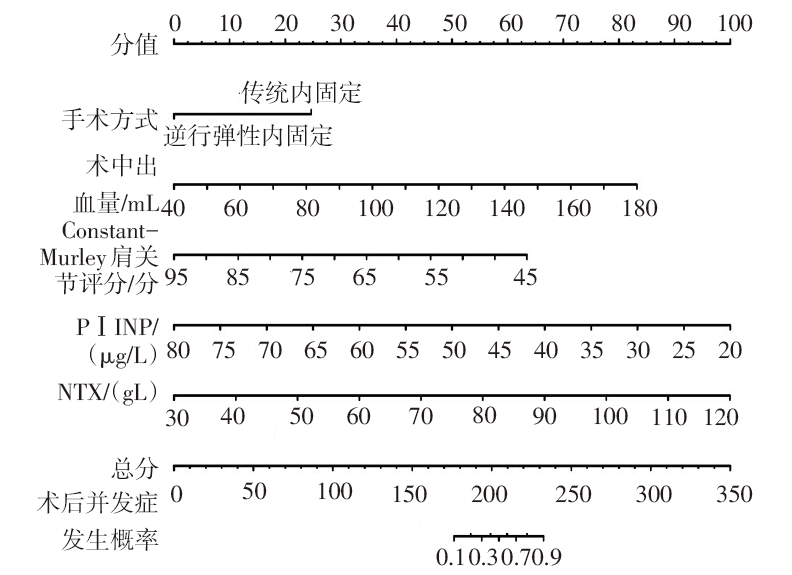
Fig.1 A nomogram for predicting postoperative complications in adolescents with Craig type Ⅰ clavicle fractures
| 变量 | AUC | 95%CI | 截断值 | 敏感 度/% | 特异 度/% | 约登 指数 |
|---|---|---|---|---|---|---|
| 手术方式 | 0.673 | 0.588~0.757 | - | 61.3 | 73.2 | 0.345 |
| 术中出血量 | 0.749 | 0.673~0.825 | 112.7 mL | 76.8 | 67.7 | 0.445 |
| Constant- Murley 肩关节评分 | 0.714 | 0.634~0.793 | 70分 | 61.3 | 76.8 | 0.381 |
| PⅠNP | 0.818 | 0.752~0.884 | 50.70 μg/L | 76.6 | 76.8 | 0.534 |
| NTX | 0.820 | 0.754~0.885 | 79.55 μg/L | 69.6 | 76.6 | 0.462 |
| 联合预测 | 0.949 | 0.914~0.984 | - | 91.1 | 87.9 | 0.790 |
Tab.3 The predictive efficay of each variable in predicting postoperative complications in adolescents with Craig typeⅠ clavicle fractures
| 变量 | AUC | 95%CI | 截断值 | 敏感 度/% | 特异 度/% | 约登 指数 |
|---|---|---|---|---|---|---|
| 手术方式 | 0.673 | 0.588~0.757 | - | 61.3 | 73.2 | 0.345 |
| 术中出血量 | 0.749 | 0.673~0.825 | 112.7 mL | 76.8 | 67.7 | 0.445 |
| Constant- Murley 肩关节评分 | 0.714 | 0.634~0.793 | 70分 | 61.3 | 76.8 | 0.381 |
| PⅠNP | 0.818 | 0.752~0.884 | 50.70 μg/L | 76.6 | 76.8 | 0.534 |
| NTX | 0.820 | 0.754~0.885 | 79.55 μg/L | 69.6 | 76.6 | 0.462 |
| 联合预测 | 0.949 | 0.914~0.984 | - | 91.1 | 87.9 | 0.790 |
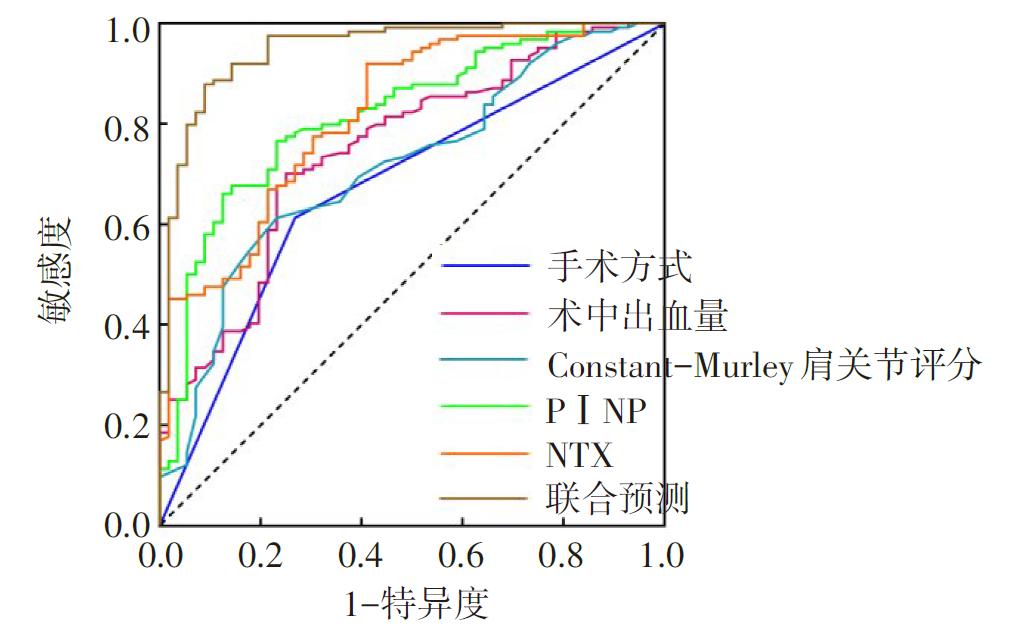
Fig.2 ROC curve for predicting the occurrence of postoperative complications in adolescents with Craig type Ⅰ clavicle fractures
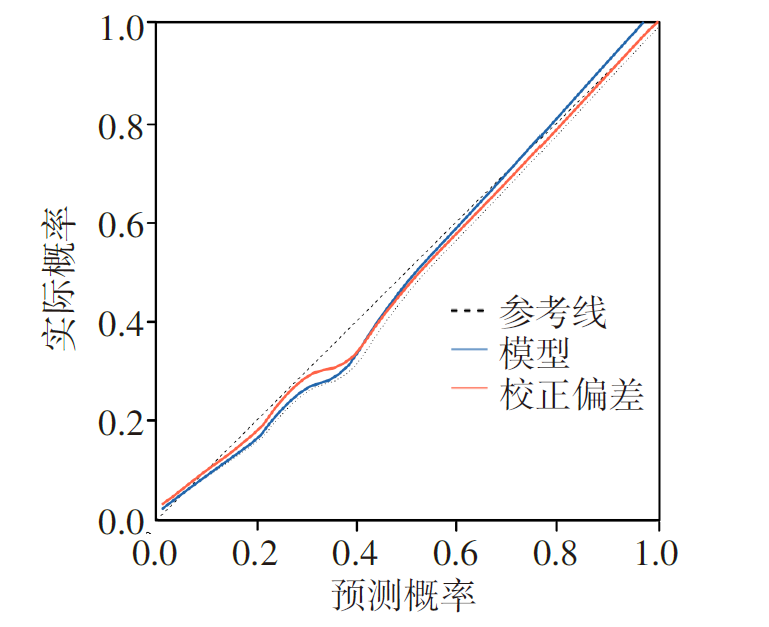
Fig.3 Calibration curve of the prediction model
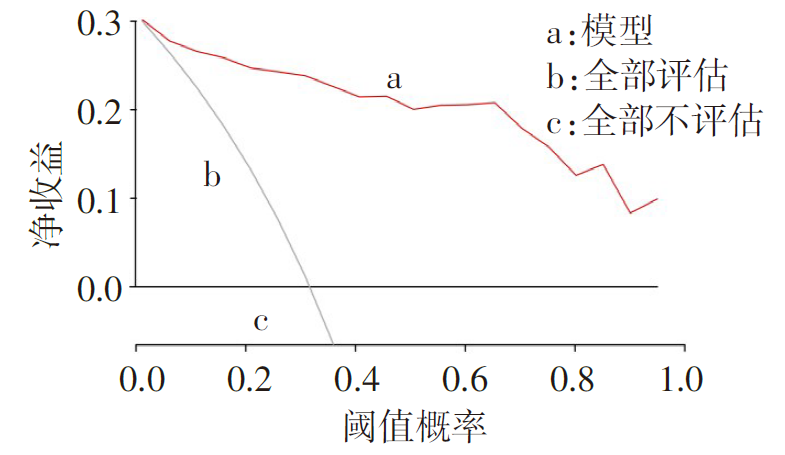
Fig.4 Decision curve of the prediction model
| [1] | Sayed M, Sutar S, Kamel F, et al. Temporal trends in the management of midshaft clavicle fractures:a systematic review[J]. Cureus, 2025, 17(11):e96532. doi:10.7759/cureus.96532. |
| [2] | Lin B, Dong Y, Wei L, et al. Clinical efficacy of endobutton combined with mini-plate in the treatment of Neer IIB(IIC)type distal clavicle fracture[J]. Acta Orthop Traumatol Turc, 2025, 59(1):39-44. doi:10.5152/j.aott.2025.24023. |
| [3] | Varady N H, Jones R H, Bram J T, et al. Safety of accelerated return to play after anatomic open reduction and internal fixation of adolescent clavicle fractures[J]. Orthop J Sports Med, 2025, 13(9):23259671251374299. doi:10.1177/23259671251374299. |
| [4] | 王烁, 龙大伟, 杨辉宝. 超声下逆行弹性髓内钉固定治疗儿童肱骨下段骨折的疗效[J]. 实用骨科杂志, 2025, 31(9):832-836. |
| Wang S, Long D W, Yang H B, et al. Ultrasound-guided retrograde elastic intramedullary nail fixation for distal humeral fractures in children[J]. Journal of Practical Orthopaedics, 2025, 31(9):832-836. doi:10.3760/cma.j.issn.1008-5572.2025.09.113. | |
| [5] | Kim D W, Kim D H, Kim B S, et al. Current concepts for classification and treatment of distal clavicle fractures[J]. Clin Orthop Surg, 2020, 12(2):135-144. doi:10.4055/cios20010. |
| [6] | 郑宪友. 锁骨骨折治疗:2023美国骨科医师学会(AAOS)临床实践指南解读[J]. 中国修复重建外科杂志, 2024, 38(8):942-946. |
| Zheng X Y. Treatment of clavicle fracture:Interpretation of the 2023 American Academy of Orthopaedic Surgeons(AAOS)Clinical Practice Guidelines[J]. Chinese Journal of Reparative and Reconstructive Surgery, 2024, 38(8):942-946. doi:10.7507/1002-1892.202404101. | |
| [7] | Bae K, Ryu S, Choi S H, et al. Operative treatment of adolescent diaphyseal clavicle fracture:elastic stable intramedullary nail versus plate fixation[J]. Medicina(Kaunas), 2025, 61(8):1494. doi:10.3390/medicina61081494. |
| [8] | 田子睿, 姚敏, 王拥军, 等. 中文版Constant-Murley肩关节评分量表的研制与应用[J]. 中医正骨, 2019, 31(5):20-21,25. |
| Tian Z R, Yao M, Wang Y J, et al. Development and application of Chinese version of Constant-Murley shoulder scoring scale[J]. J Trad Chin Orthop Traum, 2019, 31(5):20-21,25. doi:10.3969/j.issn.1001-6015.2019.05.005. | |
| [9] | Hamid M, Younis Z, Mannan M, et al. Adolescent clavicle fractures:a management dilemma?[J]. Cureus, 2025, 17(1):e77961. doi:10.7759/cureus.77961. |
| [10] | Ahmad T, Khan K, Khan K, et al. Functional outcomes and complications of non-surgical management for midshaft clavicle fractures[J]. Cureus, 2025, 17(10):e95788. doi:10.7759/cureus.95788. |
| [11] | 陈笑天, 王晓盼, 赵培帅, 等. 钛弹性钉辅助耻骨上支逆行通道螺钉植入手术技巧及临床疗效[J]. 中国修复重建外科杂志, 2023, 37(4):431-437. |
| Chen X T, Wang X P, Zhao P S, et al. Surgical technique and effectiveness of titanium elastic nail assisted retrograde channel screw implantation in superior pubic branch[J]. Chinese Journal of Reparative and Reconstructive Surgery, 2023, 37(4):431-437. doi:10.7507/1002-1892.202212093. | |
| [12] | 陈伟, 杨玉亭, 王艳, 等. 有限元分析弹性髓内钉治疗尺桡骨干双骨折不同进针点的力学差异[J]. 中国组织工程研究, 2026, 30(15):3772-3779. |
| Chen W, Yang Y T, Wang Y, et al. Finite element analysis of mechanical differences between different entry points of elastic intramedullary nail in treatment of double fractures of radioulnar shaft[J]. Chinese Journal of Tissue Engineering Research, 2026, 30(15):3772-3779. doi:10.12307/2026.329. | |
| [13] | Zhang W, Chen J. Elastic stable intramedullary nailing(ESIN)for displaced midshaft clavicle fractures in adolescents(12-18 years):a study of early functional outcomes and safety[J]. J Orthop Surg Res, 2025, 20(1):507. doi:10.1186/s13018-025-05923-9. |
| [14] | Cao R, Tan J, Zhang Y, et al. Finite element analysis of antegrade and retrograde internal intramedullary nailing for mid-shaft clavicle fracture[J]. BMC Musculoskelet Disord, 2025, 26(1):172. doi:10.1186/s12891-025-08426-0. |
| [15] | Rybaczek M, Kowalski P, Mariak Z, et al. Safety in spine surgery:risk factors for intraoperative blood loss and management strategies[J]. Life(Basel), 2025, 15(10):1615. doi:10.3390/life15101615. |
| [16] | 杨正洋, 王野, 刘大君, 等. 股骨近端防旋髓内钉与骨水泥半髋关节置换术治疗老年不稳定股骨粗隆间骨折围术期失血量的比较[J]. 创伤外科杂志, 2025, 27(8):594-601. |
| Yang Z Y, Wang Y, Liu D J, et al. Comparison of perioperative blood loss between proximal femoral nail anti-rotation and cemented hemiarthroplasty for unstable intertrochanteric fractures in the elderly[J]. J Trauma Surg, 2025, 27(8):594-601. doi:10.3969/j.issn.1009-4237.2025.08.006. | |
| [17] | Perut F, Roncuzzi L, Gómez-Barrena E, et al. Association between bone turnover markers and fracture healing in long bone non-union:a systematic review[J]. J Clin Med, 2024, 13(8):2333. doi:10.3390/jcm13082333. |
| [18] | 马广恩, 张磊, 董思奇, 等. 钛质弹性髓内钉内固定治疗儿童胫骨干骨折术后应激反应与疗效观察[J]. 中国骨与关节损伤杂志, 2025, 40(12):1328-1331. |
| Ma G E, Zhang L, Dong S Q, et al. Postoperative stress response and efficacy observation of titanium elastic intramedullary nail internal fixation for pediatric tibial shaft fractures[J]. Chin J Bone Joint Injury, 2025, 40(12):1328-1331. doi:10.7531/j.issn.1672-9935.2025.12.024. | |
| [19] | 莫贤跃, 黄勇斌, 姜权, 等. 弹性髓内针固定治疗大龄儿童移位型锁骨中段骨折[J]. 临床骨科杂志, 2022, 25(2):219-221. |
| Mo X Y, Huang Y B, Jiang Q, et al. Titanium elastic nails internal fixation foRthe treatment of displaced middle clavicle fractures in oldeRchildren[J]. Journal of Clinical Orthopaedics, 2022, 25(2):219-221. doi:10.3969/j.issn.1008-0287.2022.02.022. | |
| [20] | 苏驰, 张彦, 盛志中, 等. 顺行弹性髓内钉微创内固定治疗大龄儿童完全移位锁骨中段骨折疗效观察[J]. 中国骨与关节损伤杂志, 2025, 40(3):309-311. |
| Su C, Zhang Y, Sheng Z Z, et al. Clinical observation of antegrade elastic intramedullary nail minimally invasive internal fixation for completely displaced midshaft clavicular fractures in older children[J]. Chin J Bone Joint Injury, 2025, 40(3):309-311. doi:10.7531/j.issn.1672-9935.2025.03.021. |
| Viewed | ||||||
|
Full text |
|
|||||
|
Abstract |
|
|||||
