
Tianjin Medical Journal ›› 2026, Vol. 54 ›› Issue (1): 57-63.doi: 10.11958/20252221
• Clinical Research • Previous Articles Next Articles
CHEN Min1( ), XIA Li1, ZHU Rongyuan1, WANG Xinyu1, JI Jun2
Received:2025-06-06
Revised:2025-09-10
Published:2026-01-15
Online:2026-01-19
CHEN Min, XIA Li, ZHU Rongyuan, WANG Xinyu, JI Jun. Risk factors and prediction model construction of gingival invagination after orthodontic treatment of extracted first premolar teeth[J]. Tianjin Medical Journal, 2026, 54(1): 57-63.
CLC Number:

Fig.1 Clinical manifestation of gingival recession
| 组别 | n | 拔牙位置 | 安氏错??分类 | |||||||||||||||||||||
|---|---|---|---|---|---|---|---|---|---|---|---|---|---|---|---|---|---|---|---|---|---|---|---|---|
| 右上颌 | 左上颌 | 右下颌 | 左下颌 | Ⅰ类错?? | Ⅱ类错?? | Ⅲ类错?? | ||||||||||||||||||
| 建模组 | 692 | 221(31.9) | 223(32.2) | 127(18.4) | 121(17.5) | 434(62.7) | 196(28.3) | 62(9.0) | ||||||||||||||||
| 内部验证组 | 198 | 66(33.3) | 65(32.8) | 35(17.7) | 32(16.2) | 128(64.6) | 54(27.3) | 16(8.1) | ||||||||||||||||
| 外部验证组 | 502 | 167(33.3) | 160(31.9) | 89(17.7) | 86(17.1) | 327(65.1) | 130(25.9) | 45(9.0) | ||||||||||||||||
| χ2 | 0.472 | 1.067 | ||||||||||||||||||||||
| 组别 | 垂直骨面型分类 | 牙齿拥挤程度 | ||||||||||||||||||||||
| 正常 | 低角型 | 高角型 | 轻度 | 中度 | 重度 | |||||||||||||||||||
| 建模组 | 344(49.7) | 173(25.0) | 175(25.3) | 280(40.5) | 215(31.1) | 197(28.5) | ||||||||||||||||||
| 内部验证组 | 96(48.5) | 51(25.8) | 51(25.8) | 83(41.9) | 60(30.3) | 55(27.8) | ||||||||||||||||||
| 外部验证组 | 248(49.4) | 126(25.1) | 128(25.5) | 209(41.6) | 144(28.7) | 149(29.7) | ||||||||||||||||||
| χ2 | 0.097 | 0.922 | ||||||||||||||||||||||
| 组别 | 正畸治疗开始时间 | 牙龈生物型 | ||||||||||||||||||||||
| 拔牙后<2周 | 拔牙后2~4周 | 拔牙后>4周 | 厚龈生物型 | 中厚龈生物型 | 薄龈生物型 | |||||||||||||||||||
| 建模组 | 302(43.7) | 196(28.3) | 194(28.0) | 174(25.1) | 212(30.6) | 306(44.2) | ||||||||||||||||||
| 内部验证组 | 88(44.4) | 57(28.8) | 53(26.8) | 47(23.7) | 63(31.8) | 88(44.4) | ||||||||||||||||||
| 外部验证组 | 215(42.8) | 144(28.7) | 143(28.5) | 112(22.3) | 159(31.7) | 231(46.0) | ||||||||||||||||||
| χ2 | 0.264 | 1.330 | ||||||||||||||||||||||
| 组别 | 矫治器类型 | 单牙正畸力 | 骨密度/HU | 颊牙槽嵴顶至 CEJ的高度/mm | ||||||||||||||||||||
| 无托槽隐形 矫治器 | 固定矫治器 | <50 g | 50~100 g | >100 g | ||||||||||||||||||||
| 建模组 | 109(15.8) | 583(84.2) | 145(21.0) | 277(40.0) | 270(39.0) | 533.89±169.82 | 1.80±0.83 | |||||||||||||||||
| 内部验证组 | 29(14.6) | 169(85.4) | 41(20.7) | 80(40.4) | 77(38.9) | 527.58±174.92 | 1.83±0.81 | |||||||||||||||||
| 外部验证组 | 69(13.7) | 433(86.3) | 94(18.7) | 211(42.0) | 197(39.2) | 534.11±168.31 | 1.85±0.76 | |||||||||||||||||
| χ2或F | 0.934 | 1.060 | 0.121 | 0.586 | ||||||||||||||||||||
| 组别 | 距CEJ根尖 4 mm处的颊骨厚度/mm | 牙根中段的 颊骨厚度/mm | 根尖位置的 颊骨厚度/mm | 距CEJ根尖4 mm处的 舌骨厚度/mm | 牙根中段的 舌骨厚度/mm | 根尖位置的 舌骨厚度/mm | ||||||||||||||||||
| 建模组 | 1.05±0.45 | 1.01±0.40 | 1.22±0.25 | 1.13±0.31 | 1.26±0.15 | 1.23±0.12 | ||||||||||||||||||
| 内部验证组 | 1.07±0.44 | 0.96±0.40 | 1.22±0.25 | 1.16±0.31 | 1.27±0.14 | 1.23±0.12 | ||||||||||||||||||
| 外部验证组 | 1.08±0.43 | 1.02±0.40 | 1.21±0.23 | 1.14±0.32 | 1.27±0.15 | 1.23±0.11 | ||||||||||||||||||
| F | 0.574 | 1.473 | 0.236 | 0.539 | 1.327 | 0.092 | ||||||||||||||||||
| 组别 | PLI | BI | ||||||||||||||||||||||
| 正畸治疗前 | 正畸治疗3个月 | 正畸治疗6个月 | 正畸治疗前 | 正畸治疗3个月 | 正畸治疗6个月 | |||||||||||||||||||
| 建模组 | 2.46±0.64 | 2.18±0.59 | 1.80±0.46 | 0.99±0.12 | 1.00±0.11 | 1.00±0.11 | ||||||||||||||||||
| 内部验证组 | 2.48±0.68 | 2.15±0.59 | 1.84±0.49 | 0.99±0.07 | 0.99±0.12 | 1.01±0.07 | ||||||||||||||||||
| 外部验证组 | 2.48±0.66 | 2.19±0.59 | 1.82±0.48 | 0.99±0.14 | 1.00±0.13 | 1.01±0.10 | ||||||||||||||||||
| F | 0.190 | 0.288 | 0.631 | 0.097 | 0.486 | 1.988 | ||||||||||||||||||
Tab.1 Comparison of clinical data between the modeling group and the validation group
| 组别 | n | 拔牙位置 | 安氏错??分类 | |||||||||||||||||||||
|---|---|---|---|---|---|---|---|---|---|---|---|---|---|---|---|---|---|---|---|---|---|---|---|---|
| 右上颌 | 左上颌 | 右下颌 | 左下颌 | Ⅰ类错?? | Ⅱ类错?? | Ⅲ类错?? | ||||||||||||||||||
| 建模组 | 692 | 221(31.9) | 223(32.2) | 127(18.4) | 121(17.5) | 434(62.7) | 196(28.3) | 62(9.0) | ||||||||||||||||
| 内部验证组 | 198 | 66(33.3) | 65(32.8) | 35(17.7) | 32(16.2) | 128(64.6) | 54(27.3) | 16(8.1) | ||||||||||||||||
| 外部验证组 | 502 | 167(33.3) | 160(31.9) | 89(17.7) | 86(17.1) | 327(65.1) | 130(25.9) | 45(9.0) | ||||||||||||||||
| χ2 | 0.472 | 1.067 | ||||||||||||||||||||||
| 组别 | 垂直骨面型分类 | 牙齿拥挤程度 | ||||||||||||||||||||||
| 正常 | 低角型 | 高角型 | 轻度 | 中度 | 重度 | |||||||||||||||||||
| 建模组 | 344(49.7) | 173(25.0) | 175(25.3) | 280(40.5) | 215(31.1) | 197(28.5) | ||||||||||||||||||
| 内部验证组 | 96(48.5) | 51(25.8) | 51(25.8) | 83(41.9) | 60(30.3) | 55(27.8) | ||||||||||||||||||
| 外部验证组 | 248(49.4) | 126(25.1) | 128(25.5) | 209(41.6) | 144(28.7) | 149(29.7) | ||||||||||||||||||
| χ2 | 0.097 | 0.922 | ||||||||||||||||||||||
| 组别 | 正畸治疗开始时间 | 牙龈生物型 | ||||||||||||||||||||||
| 拔牙后<2周 | 拔牙后2~4周 | 拔牙后>4周 | 厚龈生物型 | 中厚龈生物型 | 薄龈生物型 | |||||||||||||||||||
| 建模组 | 302(43.7) | 196(28.3) | 194(28.0) | 174(25.1) | 212(30.6) | 306(44.2) | ||||||||||||||||||
| 内部验证组 | 88(44.4) | 57(28.8) | 53(26.8) | 47(23.7) | 63(31.8) | 88(44.4) | ||||||||||||||||||
| 外部验证组 | 215(42.8) | 144(28.7) | 143(28.5) | 112(22.3) | 159(31.7) | 231(46.0) | ||||||||||||||||||
| χ2 | 0.264 | 1.330 | ||||||||||||||||||||||
| 组别 | 矫治器类型 | 单牙正畸力 | 骨密度/HU | 颊牙槽嵴顶至 CEJ的高度/mm | ||||||||||||||||||||
| 无托槽隐形 矫治器 | 固定矫治器 | <50 g | 50~100 g | >100 g | ||||||||||||||||||||
| 建模组 | 109(15.8) | 583(84.2) | 145(21.0) | 277(40.0) | 270(39.0) | 533.89±169.82 | 1.80±0.83 | |||||||||||||||||
| 内部验证组 | 29(14.6) | 169(85.4) | 41(20.7) | 80(40.4) | 77(38.9) | 527.58±174.92 | 1.83±0.81 | |||||||||||||||||
| 外部验证组 | 69(13.7) | 433(86.3) | 94(18.7) | 211(42.0) | 197(39.2) | 534.11±168.31 | 1.85±0.76 | |||||||||||||||||
| χ2或F | 0.934 | 1.060 | 0.121 | 0.586 | ||||||||||||||||||||
| 组别 | 距CEJ根尖 4 mm处的颊骨厚度/mm | 牙根中段的 颊骨厚度/mm | 根尖位置的 颊骨厚度/mm | 距CEJ根尖4 mm处的 舌骨厚度/mm | 牙根中段的 舌骨厚度/mm | 根尖位置的 舌骨厚度/mm | ||||||||||||||||||
| 建模组 | 1.05±0.45 | 1.01±0.40 | 1.22±0.25 | 1.13±0.31 | 1.26±0.15 | 1.23±0.12 | ||||||||||||||||||
| 内部验证组 | 1.07±0.44 | 0.96±0.40 | 1.22±0.25 | 1.16±0.31 | 1.27±0.14 | 1.23±0.12 | ||||||||||||||||||
| 外部验证组 | 1.08±0.43 | 1.02±0.40 | 1.21±0.23 | 1.14±0.32 | 1.27±0.15 | 1.23±0.11 | ||||||||||||||||||
| F | 0.574 | 1.473 | 0.236 | 0.539 | 1.327 | 0.092 | ||||||||||||||||||
| 组别 | PLI | BI | ||||||||||||||||||||||
| 正畸治疗前 | 正畸治疗3个月 | 正畸治疗6个月 | 正畸治疗前 | 正畸治疗3个月 | 正畸治疗6个月 | |||||||||||||||||||
| 建模组 | 2.46±0.64 | 2.18±0.59 | 1.80±0.46 | 0.99±0.12 | 1.00±0.11 | 1.00±0.11 | ||||||||||||||||||
| 内部验证组 | 2.48±0.68 | 2.15±0.59 | 1.84±0.49 | 0.99±0.07 | 0.99±0.12 | 1.01±0.07 | ||||||||||||||||||
| 外部验证组 | 2.48±0.66 | 2.19±0.59 | 1.82±0.48 | 0.99±0.14 | 1.00±0.13 | 1.01±0.10 | ||||||||||||||||||
| F | 0.190 | 0.288 | 0.631 | 0.097 | 0.486 | 1.988 | ||||||||||||||||||
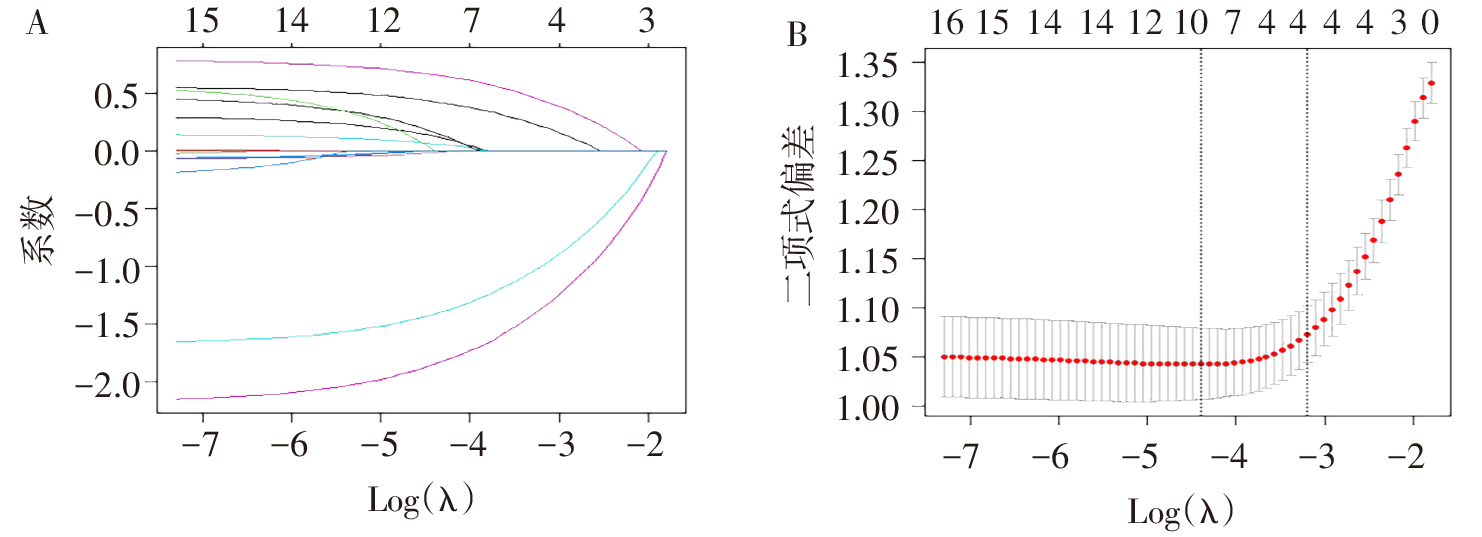
Fig.2 LASSO regression analysis of gingival recession after orthodontic treatment of first premolar extraction
| 变量 | β | SE | Wald χ2 | P | OR(95%CI) | VIF |
|---|---|---|---|---|---|---|
| 性别 | 0.320 | 0.224 | 2.044 | 0.153 | 1.377(0.888~2.134) | 1.010 |
| 拔牙位置 | 1.128 | 0.770 | 1.012 | |||
| 左上颌 | 0.002 | 0.237 | 0.000 | 0.992 | 1.002(0.630~1.593) | |
| 右下颌 | -0.214 | 0.279 | 0.591 | 0.442 | 0.807(0.468~1.394) | |
| 左下颌 | -0.200 | 0.281 | 0.508 | 0.476 | 0.819(0.472~1.420) | |
| 牙齿拥挤的严重程度 | 1.841 | 0.398 | 1.007 | |||
| 中度 | 0.027 | 0.224 | 0.015 | 0.904 | 1.027(0.663~1.593) | |
| 重度 | 0.297 | 0.232 | 1.643 | 0.200 | 1.346(0.855~2.118) | |
| 正畸治疗开始时间 | 42.836 | <0.001 | 1.010 | |||
| 拔牙后2~4周 | 0.625 | 0.218 | 8.211 | 0.004 | 1.868(1.218~2.864) | |
| 拔牙后>4周 | 1.618 | 0.249 | 42.376 | <0.001 | 5.042(3.098~8.206) | |
| 牙龈生物型 | 22.979 | <0.001 | 1.008 | |||
| 中厚龈生物型 | 0.387 | 0.244 | 2.531 | 0.112 | 1.473(0.914~2.375) | |
| 薄龈生物型 | 1.101 | 0.238 | 21.400 | <0.001 | 3.007(1.886~4.795) | |
| 骨密度 | 0.001 | 0.001 | 1.315 | 0.252 | 1.001(1.000~1.002) | 1.007 |
| 距CEJ根尖4 mm处的颊骨厚度 | -1.660 | 0.224 | 55.188 | <0.001 | 0.190(0.123~0.295) | 1.013 |
| 牙根中段的颊骨厚度 | -2.143 | 0.264 | 65.730 | <0.001 | 0.117(0.070~0.197) | 1.015 |
| 根尖位置的颊骨厚度 | 0.481 | 0.383 | 1.583 | 0.208 | 1.618(0.765~3.426) | 1.008 |
| 常数项 | 2.163 | 0.733 | 8.705 | 0.003 | 8.696 |
Tab.2 Multivariate analysis of gingival recession after orthodontic treatment of first premolar extraction
| 变量 | β | SE | Wald χ2 | P | OR(95%CI) | VIF |
|---|---|---|---|---|---|---|
| 性别 | 0.320 | 0.224 | 2.044 | 0.153 | 1.377(0.888~2.134) | 1.010 |
| 拔牙位置 | 1.128 | 0.770 | 1.012 | |||
| 左上颌 | 0.002 | 0.237 | 0.000 | 0.992 | 1.002(0.630~1.593) | |
| 右下颌 | -0.214 | 0.279 | 0.591 | 0.442 | 0.807(0.468~1.394) | |
| 左下颌 | -0.200 | 0.281 | 0.508 | 0.476 | 0.819(0.472~1.420) | |
| 牙齿拥挤的严重程度 | 1.841 | 0.398 | 1.007 | |||
| 中度 | 0.027 | 0.224 | 0.015 | 0.904 | 1.027(0.663~1.593) | |
| 重度 | 0.297 | 0.232 | 1.643 | 0.200 | 1.346(0.855~2.118) | |
| 正畸治疗开始时间 | 42.836 | <0.001 | 1.010 | |||
| 拔牙后2~4周 | 0.625 | 0.218 | 8.211 | 0.004 | 1.868(1.218~2.864) | |
| 拔牙后>4周 | 1.618 | 0.249 | 42.376 | <0.001 | 5.042(3.098~8.206) | |
| 牙龈生物型 | 22.979 | <0.001 | 1.008 | |||
| 中厚龈生物型 | 0.387 | 0.244 | 2.531 | 0.112 | 1.473(0.914~2.375) | |
| 薄龈生物型 | 1.101 | 0.238 | 21.400 | <0.001 | 3.007(1.886~4.795) | |
| 骨密度 | 0.001 | 0.001 | 1.315 | 0.252 | 1.001(1.000~1.002) | 1.007 |
| 距CEJ根尖4 mm处的颊骨厚度 | -1.660 | 0.224 | 55.188 | <0.001 | 0.190(0.123~0.295) | 1.013 |
| 牙根中段的颊骨厚度 | -2.143 | 0.264 | 65.730 | <0.001 | 0.117(0.070~0.197) | 1.015 |
| 根尖位置的颊骨厚度 | 0.481 | 0.383 | 1.583 | 0.208 | 1.618(0.765~3.426) | 1.008 |
| 常数项 | 2.163 | 0.733 | 8.705 | 0.003 | 8.696 |
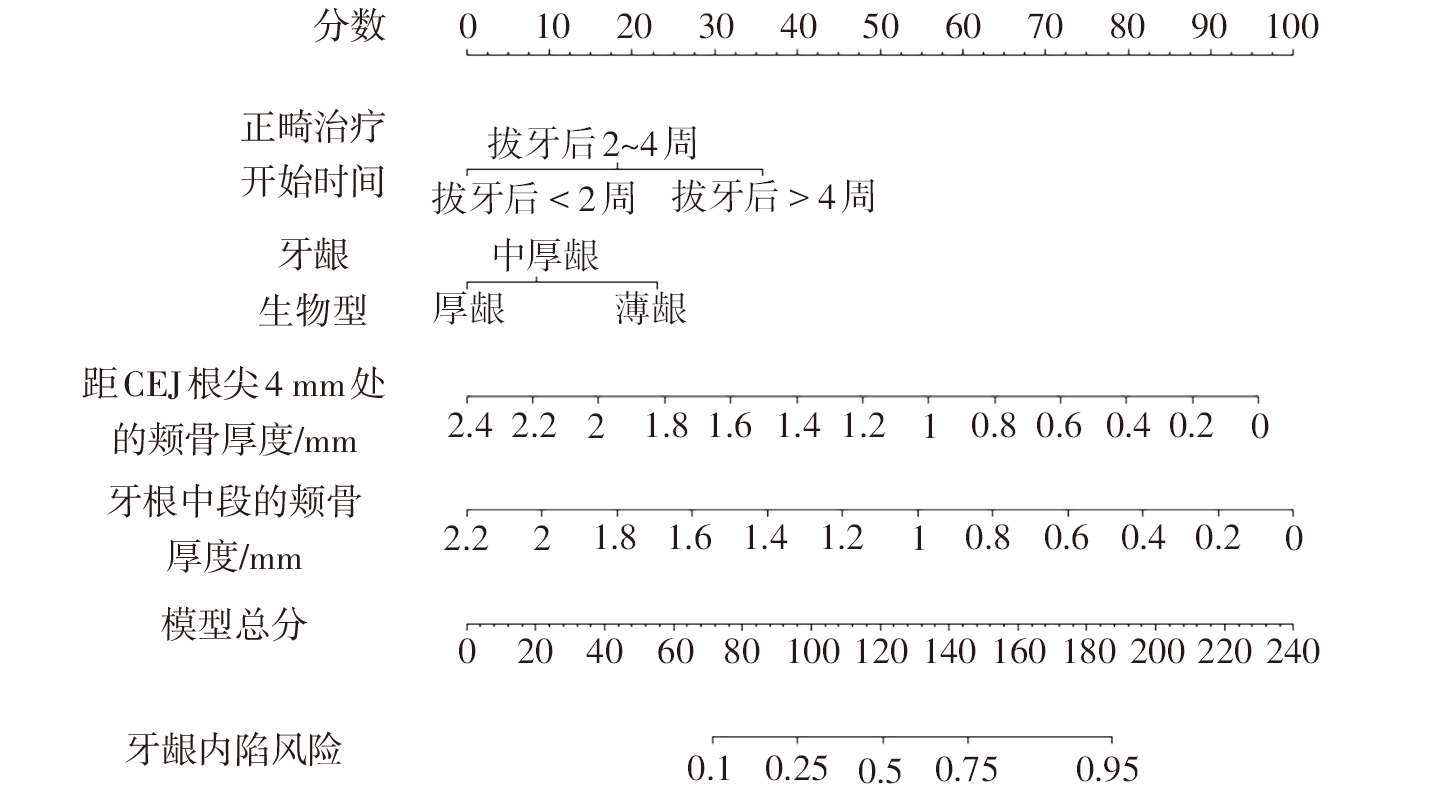
Fig.3 Prediction model for gingival recession after orthodontic treatment of first premolar extraction
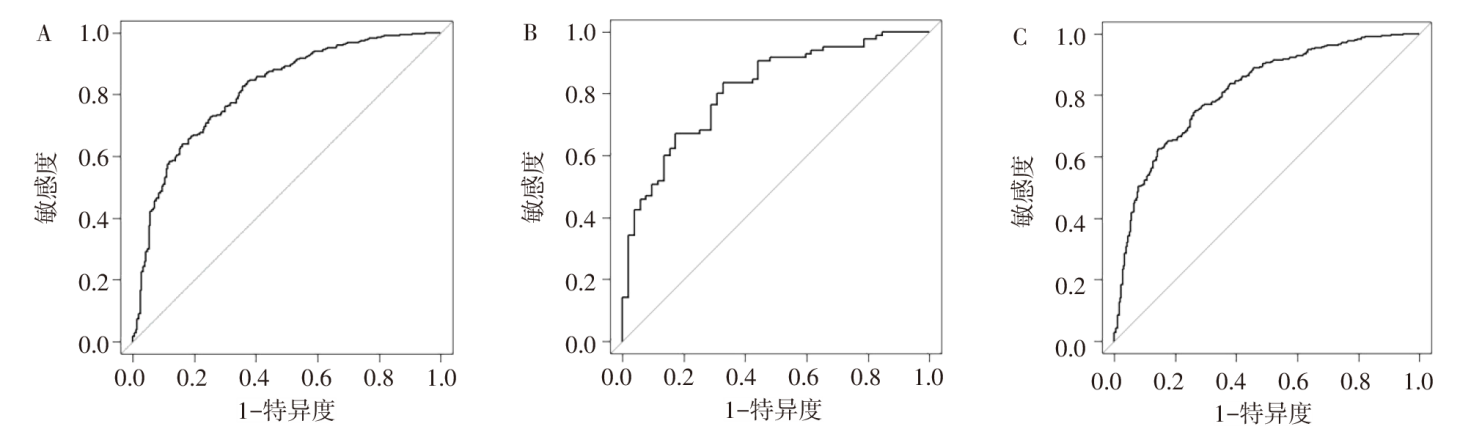
Fig.4 ROC curve of gingival recession prediction model after orthodontic treatment of first premolar extraction
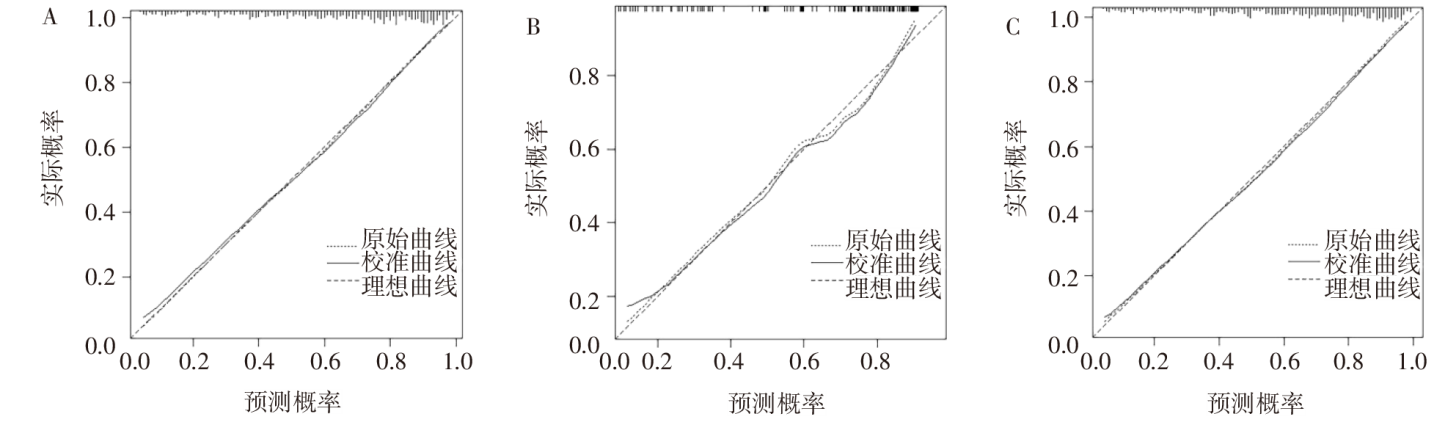
Fig.5 Calibration curve of gingival recession prediction model after orthodontic treatment of first premolar extraction
| [1] | 刘超峰, 许艳华, 易春艳, 等. Andrews六要素用于正畸病例数字化资料的临床回顾性研究[J]. 华西口腔医学杂志, 2022, 40(2):183-188. |
| LIU C F, XU Y H, YI C Y, et al. Clinical retrospective study on the digital data of orthodontic cases by Andrews six elements[J]. West China Journal of Stomatology, 2022, 40(2):183-188. doi:10.7518/hxkq.2022.02.009. | |
| [2] | ABU ALHAIJA E S, AL SHAYEB R A, AL-KHATEEB S, et al. A comparative assessment of the amount and rate of orthodontic space closure toward a healed vs recent lower premolar extraction site[J]. Angle Orthod, 2022, 92(4):463-470. doi:10.2319/102921-797.1. |
| [3] | 李寅, 曹峥, 蒋文卉. 根壁保留技术在上颌前牙美学区种植中的应用及对牙龈形态的影响[J]. 中国基层医药, 2024, 31(4):501-504. |
| LI Y, CAO Z, JIANG W H. Esthetic outcomes of socket-shield technique for immediate implantation in the maxillary anterior zone and its effect on gingival morphology[J]. Chin J Prim Med Pharm, 2024, 31(4):501-504. doi:10.3760/cma.j.cn341190-20221123-00940. | |
| [4] | LI Q, LI S, XIAO Q, et al. Clinical investigation of gingival papilla recession after orthodontic treatment in adults[J]. Clin Oral Investig, 2023, 27(8):4425-4432. doi:10.1007/s00784-023-05061-8. |
| [5] | HAN M, LI S H, YAO Y, et al. Risk factors for gingival invagination: a retrospective study[J]. J Clin Periodontol, 2024, 51(9):1199-1209. doi:10.1111/jcpe.14005. |
| [6] | MOQADAM A S, ARASH V, MIRZAIE M, et al. Effect of alveolar ridge preservation with pdfdba on orthodontic tooth movement rate,formation of gingival invagination and root resorption: a randomized,controlled pilot study[J]. Biomedical & Pharmacology Journal, 2016, 9(3):1229-1235. doi:10.13005/bpj/1072. |
| [7] | 国家卫生健康委员会. 牙颌面畸形诊疗指南(2022年版)[EB/OL]. (2022-10-27).[2025-06-06]. |
| National Health Commission. Guidelines for Diagnosis and Treatment of Dental and Facial Malformations(2022 Edition)[EB/OL]. (2022-10-27). [2025-06-06]. https://www.nhc.gov.cn/cms-search/downFiles/b141bed39be34b7db4cc56c269e2cf7b.pdf. | |
| [8] | ROBERTSON P B, SCHULTZ L D, LEVY B M. Occurrence and distribution of interdental gingival clefts following orthodontic movement into bicuspid extraction sites[J]. J Periodontol, 1977, 48(4):232-235. doi:10.1902/jop.1977.48.4.232. |
| [9] | DIEDRICH P, WEHRBEIN H. Orthodontic retraction into recent and healed extraction sites. A histologic study[J]. J Orofac Orthop, 1997, 58(2):90-99. |
| [10] | TIEFENGRABER J, DIEDRICH P, FRITZ U, et al. Orthodontic space closure in combination with membrane supported healing of extraction sockets (MHE) a pilot study[J]. J Orofac Orthop, 2002, 63(5):422-428. doi:10.1007/s00056-002-0126-1. |
| [11] | TUR M, SARIBAŞ E. Investigation of the clinical effects of peri-implant gingival morphology on tissue health[J]. J Oral Implantol, 2023, 49(5):548-555. doi:10.1563/aaid-joi-D-23-00084. |
| [12] | QUINZI V, SALVATI S E, LERDA F, et al. Skeletal and dental effects of serial extractions performed with or without maxillary expansion-a retrospective controlled study[J]. Orthod Craniofac Res, 2023, 26(4):642-649. doi:10.1111/ocr.12647. |
| [13] | SENIRKENTLI G B, İNCE BINGöL S, ÜNAL M, et al. Machine learning based orthodontic treatment planning for mixed dentition borderline cases suffering from moderate to severe crowding: an experimental research study[J]. Technol Health Care, 2023, 31(5):1723-1735. doi:10.3233/THC-220563. |
| [14] | SHARMA V K, SINGH D, SRIVASTAVA R, et al. Assessment of gingival biotype in different facial patterns: a cross-sectional study[J]. Natl J Maxillofac Surg, 2023, 14(1):63-67. doi:10.4103/njms.njms_490_21. |
| [15] | HERRERA-SERNA B Y, LóPEZ-SOTO O P, CHACÓN T, et al. Relationship between the gingival biotype and the results of root covering surgical procedures: a systematic review[J]. J Clin Exp Dent, 2022, 14(9):e762-e768. doi:10.4317/jced.59783. |
| [16] | 张馨匀, 韩易辰, 江浩, 等. 新型交叉颊面管对第二前磨牙拔除后的支抗效果评估[J]. 天津医药, 2024, 52(9):977-981. |
| ZHANG X Y, HAN Y C, JIANG H, et al. Evaluation of the anchorage effect of a new cross buccal tube in the treatment of second premolar extraction[J]. Tianjin Med J, 2024, 52(9): 977-981. doi:10.11958/20240487. | |
| [17] | SHAH R, SOWMYA N K, MEHTA D S. Prevalence of gingival biotype and its relationship to clinical parameters[J]. Contemp Clin Dent, 2015, 6(Suppl 1):S167-171. doi:10.4103/0976-237X.166824. |
| [18] | D'SILVA E, FRASER D, WANG B, et al. The association between gingival recession and buccal bone at maxillary anterior teeth[J]. J Periodontol, 2020, 91(4):484-492. doi:10.1002/JPER.19-0375. |
| [19] | GHASSEMIAN M, LAJOLO C, SEMERARO V, et al. Relationship between biotype and bone morphology in the lower anterior mandible: an observational study[J]. J Periodontol, 2016, 87(6):680-689. doi:10.1902/jop.2016.150546. |
| [20] | FARRONATO D, PASINI P M, ORSINA A A, et al. Correlation between Buccal bone thickness at implant placement in healed sites and buccal soft tissue maturation pattern: a prospective three-year study[J]. Materials (Basel), 2020, 13(3):511. doi:10.3390/ma13030511. |
| [21] | 赵鹤翔, 陈子嫣, 王婧, 等. 牙周辅助加速成骨正畸增加牙槽骨量前后正畸牙移动的生物力学特征[J]. 中国组织工程研究, 2024, 28(14):2133-2139. |
| ZHAO H X, CHEN Z Y, WANG J, et al. Biomechanical characteristics of orthodontic tooth movement before and after increasing alveolar bone mass with periodontally accelerated osteogenic orthodontics[J]. Chinese Journal of Tissue Engineering Research, 2024, 28(14):2133-2139. doi:10.12307/2024.233. | |
| [22] | GARIB D G, MENEZES M H, SILVA FILHO O G, et al. Immediate periodontal bone plate changes induced by rapid maxillary expansion in the early mixed dentition: CT findings[J]. Dental Press J Orthod, 2014, 19(3):36-43. doi:10.1590/2176-9451.19.3.036-043.oar. |
| [23] | RENKEMA A M, FUDALEJ P S, RENKEMA A, et al. Development of labial gingival recessions in orthodontically treated patients[J]. Am J Orthod Dentofacial Orthop, 2013, 143(2):206-12. doi:10.1016/j.ajodo.2012.09.018. |
| Viewed | ||||||
|
Full text |
|
|||||
|
Abstract |
|
|||||
