
Tianjin Medical Journal ›› 2026, Vol. 54 ›› Issue (3): 289-294.doi: 10.11958/20252946
• Clinical Research • Previous Articles Next Articles
ZHU Haiyan( ), WANG Ye, YIN Yan△()
Received:2025-09-18
Revised:2025-10-21
Published:2026-03-15
Online:2026-03-17
Contact:
E-mail:ZHU Haiyan, WANG Ye, YIN Yan. Risk factors for postoperative gastrointestinal dysfunction in elderly NSCLC patients[J]. Tianjin Medical Journal, 2026, 54(3): 289-294.
CLC Number:
| 组别 | n | 年龄/岁 | 性别(男/女) | BMI/(kg/m2) | 吸烟史 | 饮酒史 | 基础疾病 | ||||||||||||||||||||||||||||||||||
|---|---|---|---|---|---|---|---|---|---|---|---|---|---|---|---|---|---|---|---|---|---|---|---|---|---|---|---|---|---|---|---|---|---|---|---|---|---|---|---|---|---|
| 糖尿病 | 高血压 | 高脂血症 | 心血管疾病 | ||||||||||||||||||||||||||||||||||||||
| 正常组 | 192 | 66.70±5.28 | 128/64 | 21.70±2.10 | 110(57.29) | 100(52.08) | 89(46.35) | 97(50.52) | 91(47.40) | 43(22.40) | |||||||||||||||||||||||||||||||
| 紊乱组 | 117 | 69.78±5.95 | 80/37 | 20.50±2.08 | 62(52.99) | 60(51.28) | 82(70.09) | 68(58.12) | 60(51.28) | 42(35.90) | |||||||||||||||||||||||||||||||
| t或χ2 | 4.731** | 0.097 | 4.865** | 0.545 | 0.019 | 16.566** | 1.687 | 0.439 | 6.646* | ||||||||||||||||||||||||||||||||
| 组别 | 病理类型 | TNM分期 | 肿瘤部位 | 术前营养状态 | |||||||||||||||||||||||||||||||||||||
| 腺癌 | 鳞癌 | 大细胞癌 | 腺鳞癌 | Ⅰ—Ⅱ期 | ⅢA期 | 中央型肺癌 | 周围型肺癌 | 营养不良 | 营养良好 | ||||||||||||||||||||||||||||||||
| 正常组 | 116(60.42) | 52(27.08) | 13(6.77) | 11(5.73) | 116(60.42) | 76(39.58) | 44(22.92) | 148(77.08) | 62(32.29) | 130(67.71) | |||||||||||||||||||||||||||||||
| 紊乱组 | 70(59.83) | 31(26.50) | 8(6.84) | 8(6.84) | 73(62.39) | 44(37.61) | 41(35.04) | 76(64.96) | 72(61.54) | 45(38.46) | |||||||||||||||||||||||||||||||
| t或χ2 | 0.159 | 0.120 | 5.361* | 25.320** | |||||||||||||||||||||||||||||||||||||
| 组别 | 术前衰弱 | 术前抗肿瘤治疗 | 术前FEV1%pred/% | 术前FVC%pred/% | 术前MVV%pred/% | 术前白细胞计数(×109/L) | 术前中性粒细胞计数(×109/L) | ||||||||||||||||||||||||||||||||||
| 化疗 | 放疗 | ||||||||||||||||||||||||||||||||||||||||
| 正常组 | 55(28.65) | 82(42.71) | 110(57.29) | 73.92±6.79 | 71.86±9.97 | 74.39±9.77 | 8.44±2.45 | 5.20±1.36 | |||||||||||||||||||||||||||||||||
| 紊乱组 | 60(51.28) | 72(61.54) | 45(38.46) | 67.47±8.32 | 70.71±10.18 | 65.31±8.86 | 8.36±2.29 | 5.53±1.64 | |||||||||||||||||||||||||||||||||
| t或χ2 | 15.942** | 10.311** | 7.428** | 0.971 | 8.205** | 0.307 | 1.962 | ||||||||||||||||||||||||||||||||||
| 组别 | 术前淋巴细胞 计数/(×109/L) | 术前血红 蛋白/(g/L) | 术前白 蛋白/(g/L) | 手术方式 | 手术时间/min | ||||||||||||||||||||||||||||||||||||
| 肺叶切除术 | 肺段切除术 | 亚肺段切除术 | 全肺切除 | ||||||||||||||||||||||||||||||||||||||
| 正常组 | 4.08±0.41 | 109.21±8.32 | 42.30±6.75 | 128(66.67) | 30(15.63) | 15(7.81) | 19(9.90) | 131.71±21.71 | |||||||||||||||||||||||||||||||||
| 紊乱组 | 4.03±0.34 | 109.22±7.10 | 40.03±5.92 | 77(65.81) | 19(16.24) | 8(6.84) | 13(11.11) | 131.55±24.16 | |||||||||||||||||||||||||||||||||
| t或χ2 | 0.976 | 0.010 | 2.993** | 0.222 | 0.062 | ||||||||||||||||||||||||||||||||||||
| 组别 | 术中出血量/ mL | 淋巴结清扫范围 | 麻醉方式 | 术后并发症 | 术后住院 时间/d | ||||||||||||||||||||||||||||||||||||
| N0—1级 | N2级 | 全身麻醉+区域阻滞 | 全身麻醉 | 肺炎 | 胸腔积液 | ||||||||||||||||||||||||||||||||||||
| 正常组 | 251.17±21.54 | 82(42.71) | 110(57.29) | 139(72.40) | 53(27.60) | 15(7.81) | 12(6.25) | 10.12±2.56 | |||||||||||||||||||||||||||||||||
| 紊乱组 | 253.09±22.12 | 33(28.21) | 84(71.79) | 81(69.23) | 36(30.77) | 12(10.26) | 9(7.69) | 9.62±2.38 | |||||||||||||||||||||||||||||||||
| t或χ2 | 0.750 | 6.544* | 0.355 | 0.545 | 0.239 | 1.694 | |||||||||||||||||||||||||||||||||||
Tab.1 Comparison of baseline data between the disorder group and the control group
| 组别 | n | 年龄/岁 | 性别(男/女) | BMI/(kg/m2) | 吸烟史 | 饮酒史 | 基础疾病 | ||||||||||||||||||||||||||||||||||
|---|---|---|---|---|---|---|---|---|---|---|---|---|---|---|---|---|---|---|---|---|---|---|---|---|---|---|---|---|---|---|---|---|---|---|---|---|---|---|---|---|---|
| 糖尿病 | 高血压 | 高脂血症 | 心血管疾病 | ||||||||||||||||||||||||||||||||||||||
| 正常组 | 192 | 66.70±5.28 | 128/64 | 21.70±2.10 | 110(57.29) | 100(52.08) | 89(46.35) | 97(50.52) | 91(47.40) | 43(22.40) | |||||||||||||||||||||||||||||||
| 紊乱组 | 117 | 69.78±5.95 | 80/37 | 20.50±2.08 | 62(52.99) | 60(51.28) | 82(70.09) | 68(58.12) | 60(51.28) | 42(35.90) | |||||||||||||||||||||||||||||||
| t或χ2 | 4.731** | 0.097 | 4.865** | 0.545 | 0.019 | 16.566** | 1.687 | 0.439 | 6.646* | ||||||||||||||||||||||||||||||||
| 组别 | 病理类型 | TNM分期 | 肿瘤部位 | 术前营养状态 | |||||||||||||||||||||||||||||||||||||
| 腺癌 | 鳞癌 | 大细胞癌 | 腺鳞癌 | Ⅰ—Ⅱ期 | ⅢA期 | 中央型肺癌 | 周围型肺癌 | 营养不良 | 营养良好 | ||||||||||||||||||||||||||||||||
| 正常组 | 116(60.42) | 52(27.08) | 13(6.77) | 11(5.73) | 116(60.42) | 76(39.58) | 44(22.92) | 148(77.08) | 62(32.29) | 130(67.71) | |||||||||||||||||||||||||||||||
| 紊乱组 | 70(59.83) | 31(26.50) | 8(6.84) | 8(6.84) | 73(62.39) | 44(37.61) | 41(35.04) | 76(64.96) | 72(61.54) | 45(38.46) | |||||||||||||||||||||||||||||||
| t或χ2 | 0.159 | 0.120 | 5.361* | 25.320** | |||||||||||||||||||||||||||||||||||||
| 组别 | 术前衰弱 | 术前抗肿瘤治疗 | 术前FEV1%pred/% | 术前FVC%pred/% | 术前MVV%pred/% | 术前白细胞计数(×109/L) | 术前中性粒细胞计数(×109/L) | ||||||||||||||||||||||||||||||||||
| 化疗 | 放疗 | ||||||||||||||||||||||||||||||||||||||||
| 正常组 | 55(28.65) | 82(42.71) | 110(57.29) | 73.92±6.79 | 71.86±9.97 | 74.39±9.77 | 8.44±2.45 | 5.20±1.36 | |||||||||||||||||||||||||||||||||
| 紊乱组 | 60(51.28) | 72(61.54) | 45(38.46) | 67.47±8.32 | 70.71±10.18 | 65.31±8.86 | 8.36±2.29 | 5.53±1.64 | |||||||||||||||||||||||||||||||||
| t或χ2 | 15.942** | 10.311** | 7.428** | 0.971 | 8.205** | 0.307 | 1.962 | ||||||||||||||||||||||||||||||||||
| 组别 | 术前淋巴细胞 计数/(×109/L) | 术前血红 蛋白/(g/L) | 术前白 蛋白/(g/L) | 手术方式 | 手术时间/min | ||||||||||||||||||||||||||||||||||||
| 肺叶切除术 | 肺段切除术 | 亚肺段切除术 | 全肺切除 | ||||||||||||||||||||||||||||||||||||||
| 正常组 | 4.08±0.41 | 109.21±8.32 | 42.30±6.75 | 128(66.67) | 30(15.63) | 15(7.81) | 19(9.90) | 131.71±21.71 | |||||||||||||||||||||||||||||||||
| 紊乱组 | 4.03±0.34 | 109.22±7.10 | 40.03±5.92 | 77(65.81) | 19(16.24) | 8(6.84) | 13(11.11) | 131.55±24.16 | |||||||||||||||||||||||||||||||||
| t或χ2 | 0.976 | 0.010 | 2.993** | 0.222 | 0.062 | ||||||||||||||||||||||||||||||||||||
| 组别 | 术中出血量/ mL | 淋巴结清扫范围 | 麻醉方式 | 术后并发症 | 术后住院 时间/d | ||||||||||||||||||||||||||||||||||||
| N0—1级 | N2级 | 全身麻醉+区域阻滞 | 全身麻醉 | 肺炎 | 胸腔积液 | ||||||||||||||||||||||||||||||||||||
| 正常组 | 251.17±21.54 | 82(42.71) | 110(57.29) | 139(72.40) | 53(27.60) | 15(7.81) | 12(6.25) | 10.12±2.56 | |||||||||||||||||||||||||||||||||
| 紊乱组 | 253.09±22.12 | 33(28.21) | 84(71.79) | 81(69.23) | 36(30.77) | 12(10.26) | 9(7.69) | 9.62±2.38 | |||||||||||||||||||||||||||||||||
| t或χ2 | 0.750 | 6.544* | 0.355 | 0.545 | 0.239 | 1.694 | |||||||||||||||||||||||||||||||||||
| 变量 | β | SE | Wald χ2 | P | OR(95%CI) |
|---|---|---|---|---|---|
| 术前营养不良 | 1.453 | 0.297 | 23.889 | <0.001 | 4.276(2.388~7.658) |
| 术前衰弱 | 0.772 | 0.296 | 6.787 | 0.009 | 2.163(1.211~3.865) |
| 糖尿病 | 0.861 | 0.294 | 8.592 | 0.003 | 2.366(1.330~4.208) |
| 术前化疗 | 0.767 | 0.292 | 6.880 | 0.009 | 2.153(1.214~3.819) |
| 术前MVV%pred | -0.103 | 0.017 | 38.354 | <0.001 | 0.902(0.874~0.932) |
| 常数项 | 4.799 | 1.151 | 17.369 | <0.001 | 121.391 |
Tab.2 Multivariate Logistic regression analysis for gastrointestinal dysfunction after surgery in elderly NSCLC patients
| 变量 | β | SE | Wald χ2 | P | OR(95%CI) |
|---|---|---|---|---|---|
| 术前营养不良 | 1.453 | 0.297 | 23.889 | <0.001 | 4.276(2.388~7.658) |
| 术前衰弱 | 0.772 | 0.296 | 6.787 | 0.009 | 2.163(1.211~3.865) |
| 糖尿病 | 0.861 | 0.294 | 8.592 | 0.003 | 2.366(1.330~4.208) |
| 术前化疗 | 0.767 | 0.292 | 6.880 | 0.009 | 2.153(1.214~3.819) |
| 术前MVV%pred | -0.103 | 0.017 | 38.354 | <0.001 | 0.902(0.874~0.932) |
| 常数项 | 4.799 | 1.151 | 17.369 | <0.001 | 121.391 |
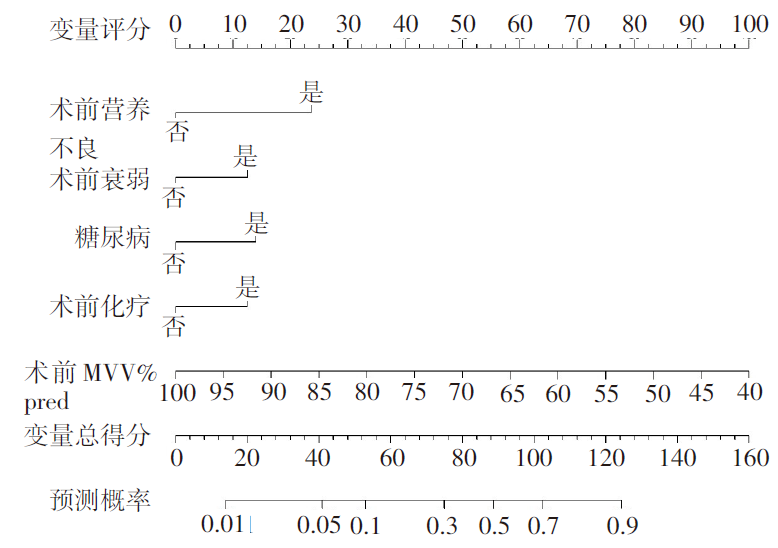
Fig.1 Predictive model of nomogram for gastrointestinal dysfunction in elderly NSCLC patients after surgery
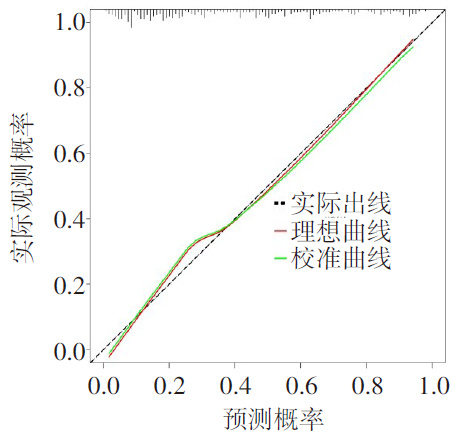
Fig.2 Calibration diagram of nomogram for gastrointestinal dysfunction in elderly NSCLC patients after surgery
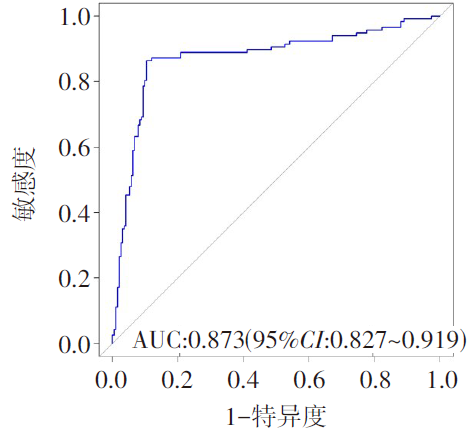
Fig.3 ROC chart of nomogram for gastrointestinal dysfunction in elderly NSCLC patients after surgery
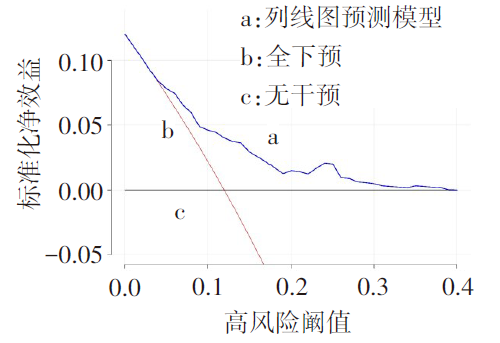
Fig.4 DCA diagram of nomogram for gastrointestinal dysfunction in elderly NSCLC patients after surgery
| [1] | 宋姗姗, 姜敏, 王亮, 等. 1990-2021年全球气管、支气管和肺癌疾病负担及其到2040年的预测[J]. 天津医药, 2025, 53(8):875-884. |
| SONG S S, JIANG M, WANG L, et al. The global burden of tracheal,bronchial and lung cancer disease from 1990 to 2021 and the forecast to 2040[J]. Tianjin Med J, 2025, 53(8):875-884. doi:10.11958/20250372. | |
| [2] | HONG S W, LEE S A, KIM S H. Prediction of postoperative pulmonary complications in older patients undergoing lobectomy for lung cancer based on skeletal muscle mass[J]. J Thorac Dis, 2023, 15(3):1063-1074. doi:10.21037/jtd-22-1156. |
| [3] | ZHENJIE Y, XIANG Z. Electroacupuncture in the treatment of gastrointestinal dysfunction after laparoscopic nephrectomy:a retrospective analysis[J]. BMC Complement Med Ther, 2025, 25(1):158. doi:10.1186/s12906-025-04894-y. |
| [4] | 郑旭, 顾小萍, 王琛. 胸腰椎融合术患者术后胃肠功能障碍的危险因素分析[J]. 中华医学杂志, 2024, 104(3):186-191. |
| ZHENG X, GU X P, WANG C. Analysis of risk factors for postoperative gastrointestinal disorders in patients undergoing thoracolumbar fusion[J]. Chinese Med J, 2024, 104(3):186-191. doi:10.3760/cma.j.cn112137-20230906-00402. | |
| [5] | 石丽, 夏茂玲, 严茜, 等. 老年结直肠癌术后胃肠功能障碍的影响因素及预测模型[J]. 局解手术学杂志, 2023, 32(10):906-910. |
| SHI L, XIA M L, YAN X, et al. Influencing factors and prediction model of postoperative gastrointestinal dysfunction in elderly patients with colorectal cancer[J]. Journal of Partial Dissection Surgery, 2023, 32(10):906-910. doi:10.11659/jjssx.12E022015. | |
| [6] | 张学云, 郑松柏. 老年消化系统疾病与衰弱[J]. 中国临床保健杂志, 2023, 26(1):13-16. |
| ZHANG X Y, ZHENG S B. Digestive system diseases and frailty in the elderly[J]. Chinese Journal of Clinical Health Care, 2023, 26(1):13-16. doi:10.3969/j.issn.1672-6790.2023.01.003. | |
| [7] | 张耀莹, 张淼, 陈伟, 等. 心肺运动试验在肺癌患者术后肺部并发症列线图预后预测模型建立中的应用[J]. 中国康复医学杂志, 2023, 38(12):1689-1695,1706. |
| ZHANG Y Y, ZHANG M, CHEN W, et al. Application of cardiopulmonary exercise test in the establishment of a nomogram prognostic prediction model for postoperative pulmonary complications in patients with lung cancer[J]. Chinese Journal of Rehabilitation Medicine, 2023, 38(12):1689-1695,1706. doi:10.3969/j.issn.1001-1242.2023.12.009. | |
| [8] | 史益凡, 沈晓明, 杨增辉, 等. 结肠癌根治术后严重并发症危险因素分析及动态列线图预测模型构建[J]. 解放军医学杂志, 2024, 49(4):416-425. |
| SHI Y F, SHEN X M, YANG Z H, et al. Risk factors for comprehensive complication index after radical resection of colon cancer and establishment of its dynamic nomogram prediction model[J]. Medical Journal of the People's Liberation Army, 2024, 49(4):416-425. doi:10.11855/j.issn.0577-7402.2209.2023.0529. | |
| [9] | 赵晓蕊, 龙云, 陈思齐, 等. 妇科恶性肿瘤患者术后胃肠功能紊乱风险预测模型的构建及验证[J]. 护理学报, 2022, 29(3):72-78. |
| ZHAO X R, LONG Y, CHEN S Q, et al. Construction and validation of risk prediction model for postoperative gastrointestinal dysfunction in patients with gynecological malignant tumor[J]. 2022, 29(3):72-78. doi:10.16460/j.issn1008-9969.2022.03.072. | |
| [10] | KONDRUP J, RASMUSSEN H H, HAMBERG O, et al. Nutritional risk screening (NRS 2002):a new method based on an analysis of controlled clinical trials[J]. Clin Nutr, 2003, 22(3):321-336. doi:10.1016/s0261-5614(02)00214-5. |
| [11] | WALSTON J, MCBURNIE M A, NEWMAN A, et al. Frailty and activation of the inflammation and coagulation systems with and without clinical comorbidities: results from the Cardiovascular Health Study[J]. Arch Intern Med, 2002, 162(20):2333-2341. doi:10.1001/archinte.162.20.2333. |
| [12] | LIAO J, HU X, WEI X, et al. Sex-related differences in postoperative patient-reported outcomes among lung cancer patients:a multicenter cohort study[J]. BMC Cancer, 2025, 25(1):800. doi:10.1186/s12885-025-14191-z. |
| [13] | KARANIKKI E, FROUNTZAS M, LIDORIKI I, et al. The predictive role of preoperative malnutrition assessment in postoperative outcomes of patients undergoing surgery due to gastrointestinal cancer:a cross-sectional observational study[J]. J Clin Med, 2024, 13(23):7479. doi:10.3390/jcm13237479. |
| [14] | MIMA K, NAKAGAWA S, MIYATA T, et al. Frailty and surgical outcomes in gastrointestinal cancer:integration of geriatric assessment and prehabilitation into surgical practice for vulnerable patients[J]. Ann Gastroenterol Surg, 2023, 7(1):27-41. doi:10.1002/ags3.12601. |
| [15] | SCHAENMAN J M, PICKERING H, REED E F, et al. T cell immune senescence is associated with frailty and sarcopenia in lung transplant candidates[J]. JHLT Open, 2025, 7:100199. doi:10.1016/j.jhlto.2024.100199. |
| [16] | 魏晟宏, 王益, 叶再生, 等. 胃癌根治术后胃排空延迟的危险因素分析及其对预后的影响[J]. 中华普通外科杂志, 2020, 35(2):104-107. |
| WEI S H, WANG Y, YE Z S, et al. Risk factors of delayed gastric emptying and its influence on the prognosis after radical gastrectomy for distant gastric cancer[J]. Chinese Journal of General Surgery, 2020, 35(2):104-107. doi:10.3760/cma.j.issn.1007-631X.2020.02.005. | |
| [17] | 李时超, 王杰, 陈超, 等. 华蟾素对FOLFOX化疗小鼠肠道炎症及黏膜屏障的影响[J]. 中国临床药理学杂志, 2022, 38(1):35-39. |
| LI S C, WANG J, CHEN C, et al. Effect of Huachansu on intestinal inflammation and mucosal barrier in FOLFOX chemotherapy mice[J]. Chinese Journal of Clinical Pharmacology, 2022, 38(1):35-39. doi:10.13699/j.cnki.1001-6821.2022.01.009. | |
| [18] | 陈昕涛, 郁文博, 姚定康. 术中腹内压对大肠癌患者腹腔镜根治术的术后影响[J]. 现代消化及介入诊疗, 2020, 25(4):485-488. |
| CHEN X T, YU W B, YAO D K. The postoperative influence of intraoperative intra-abdominal pressure on patients with colorectal cancer undergoing laparoscopic radical resection[J]. Modern Digestive and Interventional Diagnosis and Treatment, 2020, 25(4):485-488. doi:10.3969/j.issn.1672-2159.2020.04.014. |
| Viewed | ||||||
|
Full text |
|
|||||
|
Abstract |
|
|||||
