
Tianjin Medical Journal ›› 2026, Vol. 54 ›› Issue (5): 484-488.doi: 10.11958/20252863
• Clinical Research • Previous Articles Next Articles
PENG Jing1( ), YU Xiaoqian2△()
Received:2025-09-05
Revised:2026-03-03
Published:2026-05-15
Online:2026-05-13
Contact:
△E-mail:PENG Jing, YU Xiaoqian. Influencing factors and risk prediction model of enteral nutrition intolerance in postoperative colorectal cancer patients[J]. Tianjin Medical Journal, 2026, 54(5): 484-488.
CLC Number:
| 组别 | n | 年龄/岁 | 性别 (男/女) | 文化水平 | 家庭月收入/ | 婚姻状况 | 共病指数 | |||||||||||||||||||||||||||||||||
|---|---|---|---|---|---|---|---|---|---|---|---|---|---|---|---|---|---|---|---|---|---|---|---|---|---|---|---|---|---|---|---|---|---|---|---|---|---|---|---|---|
| 小学及以下 | 初中 | 高中及以上 | <5 000元 | ≥5 000元 | 未婚/离婚/丧偶 | 已婚 | ||||||||||||||||||||||||||||||||||
| 正常组 | 186 | 64.59±7.21 | 100/86 | 67(36.02) | 89(47.85) | 30(16.13) | 114(61.29) | 72(38.71) | 16(8.60) | 170(91.38) | 2.11±0.89 | |||||||||||||||||||||||||||||
| EFI组 | 88 | 72.55±5.25 | 49/39 | 31(35.23) | 42(47.73) | 15(17.05) | 52(59.09) | 36(40.91) | 12(13.64) | 76(86.36) | 2.83±0.99 | |||||||||||||||||||||||||||||
| χ2或t | 8.662** | 0.089 | 0.041 | 0.121 | 1.650 | 4.865** | ||||||||||||||||||||||||||||||||||
| 组别 | 肿瘤类型 | 肿瘤分期 | 术前放疗 | 术后造口 | 白细胞计数/(×109/L) | |||||||||||||||||||||||||||||||||||
| 隆起型 | 溃疡型 | 浸润型 | Ⅰ | Ⅱ | Ⅲ—Ⅳ | |||||||||||||||||||||||||||||||||||
| 正常组 | 69(37.10) | 79(42.47) | 38(20.43) | 57(30.65) | 79(42.47) | 50(26.88) | 45(24.19) | 88(47.31) | 10.05±2.56 | |||||||||||||||||||||||||||||||
| EFI组 | 17(19.32) | 46(52.27) | 25(28.41) | 18(20.45) | 31(35.23) | 39(44.32) | 25(28.41) | 37(42.05) | 13.21±3.29 | |||||||||||||||||||||||||||||||
| χ2或t | 8.927** | 8.639** | 0.558 | 0.668 | 6.662** | |||||||||||||||||||||||||||||||||||
| 组别 | 使用镇痛药物 | 使用抑酸药物 | 抗生素种类 | 营养状况 | 营养液类型 | |||||||||||||||||||||||||||||||||||
| 1种 | ≥2种 | 营养正常 | 营养不良 | 短肽类 | 蛋白类 | 短肽+蛋白 | ||||||||||||||||||||||||||||||||||
| 正常组 | 102(54.84) | 95(51.08) | 94(50.54) | 92(49.46) | 102(54.84) | 84(45.16) | 96(51.61) | 81(43.55) | 9(4.84) | |||||||||||||||||||||||||||||||
| EFI组 | 67(76.14) | 38(20.43) | 35(39.77) | 53(60.23) | 33(37.50) | 55(62.50) | 44(50.00) | 36(40.91) | 8(9.09) | |||||||||||||||||||||||||||||||
| χ2 | 11.464** | 1.490 | 2.778 | 7.185** | 1.869 | |||||||||||||||||||||||||||||||||||
| 组别 | 手术方式 | 吻合口位置 | 麻醉时间 | 血清白蛋白 | 血红蛋白/(g/L) | |||||||||||||||||||||||||||||||||||
| 开腹 | 腹腔镜 | 高位吻合 | 低位吻合 | 超低位吻合 | <150 min | ≥150 min | ≥35 g/L | <35 g/L | ||||||||||||||||||||||||||||||||
| 正常组 | 21(11.29) | 165(90.32) | 51(27.42) | 105(56.45) | 30(16.13) | 164(88.17) | 22(11.83) | 97(52.15) | 89(47.85) | 102.25±31.47 | ||||||||||||||||||||||||||||||
| EFI组 | 15(17.05) | 73(82.95) | 22(25.00) | 41(46.59) | 25(28.41) | 72(81.82) | 16(18.18) | 30(34.09) | 58(65.91) | 107.69±23.56 | ||||||||||||||||||||||||||||||
| χ2或t | 1.734 | 5.709 | 2.019 | 7.835** | 1.336 | |||||||||||||||||||||||||||||||||||
Tab.1 Comparison of clinical data between the EFI group and the normal group
| 组别 | n | 年龄/岁 | 性别 (男/女) | 文化水平 | 家庭月收入/ | 婚姻状况 | 共病指数 | |||||||||||||||||||||||||||||||||
|---|---|---|---|---|---|---|---|---|---|---|---|---|---|---|---|---|---|---|---|---|---|---|---|---|---|---|---|---|---|---|---|---|---|---|---|---|---|---|---|---|
| 小学及以下 | 初中 | 高中及以上 | <5 000元 | ≥5 000元 | 未婚/离婚/丧偶 | 已婚 | ||||||||||||||||||||||||||||||||||
| 正常组 | 186 | 64.59±7.21 | 100/86 | 67(36.02) | 89(47.85) | 30(16.13) | 114(61.29) | 72(38.71) | 16(8.60) | 170(91.38) | 2.11±0.89 | |||||||||||||||||||||||||||||
| EFI组 | 88 | 72.55±5.25 | 49/39 | 31(35.23) | 42(47.73) | 15(17.05) | 52(59.09) | 36(40.91) | 12(13.64) | 76(86.36) | 2.83±0.99 | |||||||||||||||||||||||||||||
| χ2或t | 8.662** | 0.089 | 0.041 | 0.121 | 1.650 | 4.865** | ||||||||||||||||||||||||||||||||||
| 组别 | 肿瘤类型 | 肿瘤分期 | 术前放疗 | 术后造口 | 白细胞计数/(×109/L) | |||||||||||||||||||||||||||||||||||
| 隆起型 | 溃疡型 | 浸润型 | Ⅰ | Ⅱ | Ⅲ—Ⅳ | |||||||||||||||||||||||||||||||||||
| 正常组 | 69(37.10) | 79(42.47) | 38(20.43) | 57(30.65) | 79(42.47) | 50(26.88) | 45(24.19) | 88(47.31) | 10.05±2.56 | |||||||||||||||||||||||||||||||
| EFI组 | 17(19.32) | 46(52.27) | 25(28.41) | 18(20.45) | 31(35.23) | 39(44.32) | 25(28.41) | 37(42.05) | 13.21±3.29 | |||||||||||||||||||||||||||||||
| χ2或t | 8.927** | 8.639** | 0.558 | 0.668 | 6.662** | |||||||||||||||||||||||||||||||||||
| 组别 | 使用镇痛药物 | 使用抑酸药物 | 抗生素种类 | 营养状况 | 营养液类型 | |||||||||||||||||||||||||||||||||||
| 1种 | ≥2种 | 营养正常 | 营养不良 | 短肽类 | 蛋白类 | 短肽+蛋白 | ||||||||||||||||||||||||||||||||||
| 正常组 | 102(54.84) | 95(51.08) | 94(50.54) | 92(49.46) | 102(54.84) | 84(45.16) | 96(51.61) | 81(43.55) | 9(4.84) | |||||||||||||||||||||||||||||||
| EFI组 | 67(76.14) | 38(20.43) | 35(39.77) | 53(60.23) | 33(37.50) | 55(62.50) | 44(50.00) | 36(40.91) | 8(9.09) | |||||||||||||||||||||||||||||||
| χ2 | 11.464** | 1.490 | 2.778 | 7.185** | 1.869 | |||||||||||||||||||||||||||||||||||
| 组别 | 手术方式 | 吻合口位置 | 麻醉时间 | 血清白蛋白 | 血红蛋白/(g/L) | |||||||||||||||||||||||||||||||||||
| 开腹 | 腹腔镜 | 高位吻合 | 低位吻合 | 超低位吻合 | <150 min | ≥150 min | ≥35 g/L | <35 g/L | ||||||||||||||||||||||||||||||||
| 正常组 | 21(11.29) | 165(90.32) | 51(27.42) | 105(56.45) | 30(16.13) | 164(88.17) | 22(11.83) | 97(52.15) | 89(47.85) | 102.25±31.47 | ||||||||||||||||||||||||||||||
| EFI组 | 15(17.05) | 73(82.95) | 22(25.00) | 41(46.59) | 25(28.41) | 72(81.82) | 16(18.18) | 30(34.09) | 58(65.91) | 107.69±23.56 | ||||||||||||||||||||||||||||||
| χ2或t | 1.734 | 5.709 | 2.019 | 7.835** | 1.336 | |||||||||||||||||||||||||||||||||||
| 变量 | β | SE | Wald χ2 | P | OR (95%CI) |
|---|---|---|---|---|---|
| 年龄 | 0.421 | 0.118 | 12.729 | <0.001 | 1.523(1.209~1.920) |
| 共病指数 | 0.732 | 0.236 | 9.621 | 0.002 | 2.079(1.309~3.302) |
| 肿瘤类型 | 11.387 | 0.008 | |||
| 溃疡型 | 0.456 | 0.123 | 13.744 | 0.002 | 1.578(1.240~2.008) |
| 浸润型 | 0.621 | 0.251 | 6.121 | 0.034 | 1.861(1.138~3.043) |
| 肿瘤分期 | 0.571 | 0.161 | 12.578 | <0.001 | 1.770(1.291~2.427) |
| 使用镇痛药物 | 1.072 | 0.324 | 10.947 | 0.001 | 2.921(1.548~5.513) |
| 营养状况 | 0.710 | 0.286 | 6.163 | 0.033 | 2.034(1.161~3.563) |
| 血清白蛋白 | 0.884 | 0.298 | 8.800 | 0.003 | 2.421(1.350~4.341) |
| 白细胞计数 | 0.573 | 0.182 | 9.912 | 0.002 | 1.774(1.241~2.534) |
| 常数项 | 2.345 | 0.624 | 14.123 | <0.001 | 10.433 |
Tab.2 Analysis of risk factors for EFI in patients after colorectal cancer surgery
| 变量 | β | SE | Wald χ2 | P | OR (95%CI) |
|---|---|---|---|---|---|
| 年龄 | 0.421 | 0.118 | 12.729 | <0.001 | 1.523(1.209~1.920) |
| 共病指数 | 0.732 | 0.236 | 9.621 | 0.002 | 2.079(1.309~3.302) |
| 肿瘤类型 | 11.387 | 0.008 | |||
| 溃疡型 | 0.456 | 0.123 | 13.744 | 0.002 | 1.578(1.240~2.008) |
| 浸润型 | 0.621 | 0.251 | 6.121 | 0.034 | 1.861(1.138~3.043) |
| 肿瘤分期 | 0.571 | 0.161 | 12.578 | <0.001 | 1.770(1.291~2.427) |
| 使用镇痛药物 | 1.072 | 0.324 | 10.947 | 0.001 | 2.921(1.548~5.513) |
| 营养状况 | 0.710 | 0.286 | 6.163 | 0.033 | 2.034(1.161~3.563) |
| 血清白蛋白 | 0.884 | 0.298 | 8.800 | 0.003 | 2.421(1.350~4.341) |
| 白细胞计数 | 0.573 | 0.182 | 9.912 | 0.002 | 1.774(1.241~2.534) |
| 常数项 | 2.345 | 0.624 | 14.123 | <0.001 | 10.433 |
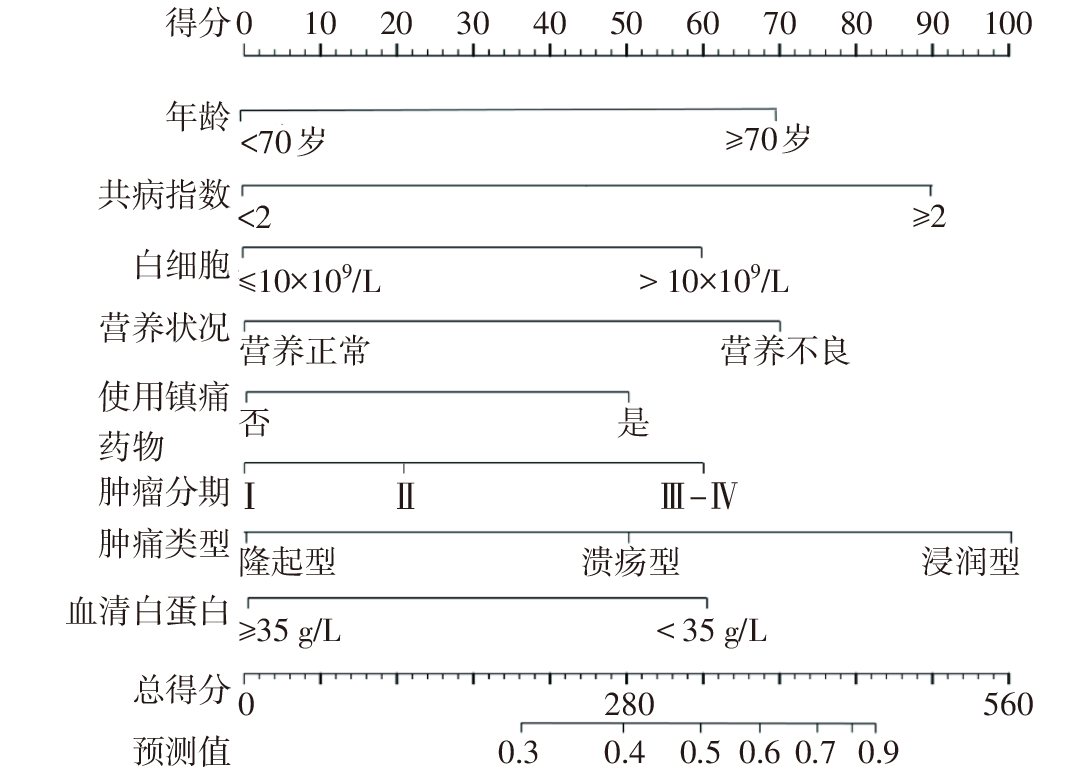
Fig.1 A nomogram for predicting EFI in patients after colorectal cancer surgery
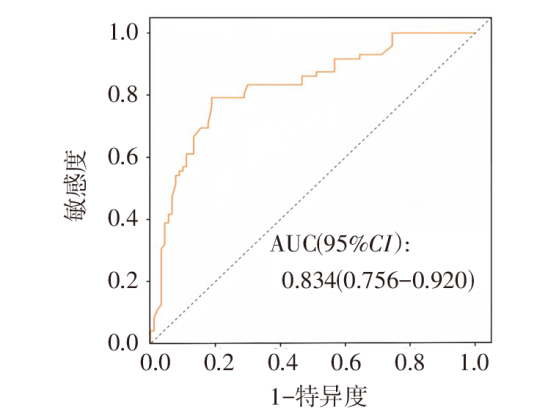
Fig.2 ROC curve for postoperative EFI risk in colorectal cancer patients in the validation group
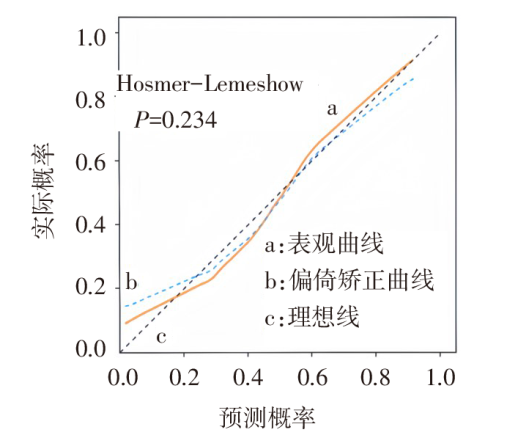
Fig.3 Calibration curve of the EFI risk nomogram in the validation cohort
| [1] | BRAY F, LAVERSANNE M, SUNG H, et al. Global cancer statistics 2022:GLOBOCAN estimates of incidence and mortality worldwide for 36 cancers in 185 countries[J]. CA Cancer J Clin, 2024, 74(3):229-263. doi:10.3322/caac.21834. |
| [2] | 孙岩岩, 张骊, 陈池义, 等. 肝移植治疗不可切除性结直肠癌肝转移的研究进展[J]. 天津医药, 2024, 52(12):1335-1340. |
| SUN Y Y, ZHANG L, CHEN C Y, et al. Research progress in the treatment of liver transplantation for unresectable colorectal cancer liver metastases[J]. Tianjin Med J, 2024, 52(12):1335-1340. doi:10.11958/20240807. | |
| [3] | SIVERO L, BOTTONE M, SICILIANO S, et al. Post-operative oncological and psychological evaluation of patients with colostomy for colorectal cancer[J]. Ann Ital Chir, 2022, 93:435-438. |
| [4] | ATASEVER A G, OZCAN P E, KASALI K, et al. The frequency,risk factors,and complications of gastrointestinal dysfunction during enteral nutrition in critically ill patients[J]. Ther Clin Risk Manag, 2018, 14:385-391. doi:10.2147/TCRM.S158492. |
| [5] | HE C, LI X, LI F, et al. Analysis of outcome indicators in clinical trials related to feeding intolerance in ICU patients receiving enteral nutrition feeding[J]. Front Nutr, 2025, 12:1666339. doi:10.3389/fnut.2025.1666339. |
| [6] | REINTAM BLASER A, DEANE A M, PREISER J C, et al. Enteral feeding intolerance:updates in definitions and pathophysiology[J]. Nutr Clin Pract, 2021, 36(1):40-49. doi:10.1002/ncp.10599. |
| [7] | 陈小颉, 段霞, 郑微艳, 等. 肠内营养病人喂养不耐受风险预测模型的系统评价[J]. 肠外与肠内营养, 2024, 31(2):107-113. |
| CHEN X J, DUAN X, ZHENG W Y, et al. A systematic review of risk prediction models for feeding intolerance in patients receiving enteral nutrition[J]. Parenteral & Enteral Nutrition, 2024, 31(2):107-113. doi:10.16151/j.1007-810x.2024.02.007. | |
| [8] | 徐瑶, 叶向红, 李嘉琪, 等. 腹部创伤病人肠内营养喂养不耐受的影响因素分析及对预后影响的研究[J]. 肠外与肠内营养, 2023, 30(6):351-356. |
| XU Y, YE X H, LI J Q, et al. Analysis of risk factors for enteral nutrition feeding intolerance in patients with abdominal trauma patients and its impact on clinical outcomes[J]. Parenteral & Enteral Nutrition, 2023, 30(6):351-356. doi:10.16151/j.1007-810x.2023.06.006. | |
| [9] | 中国抗癌协会肿瘤营养专业委员会, 中华医学会肠外肠内营养学分会. 结直肠癌患者的营养治疗专家共识[J]. 肿瘤代谢与营养电子杂志, 2022, 9(6):735-740. |
| Chinese Society of Nutritional Oncology,Chinese Society for Parenteral and Enteral Nutrition. Expert consensus on nutritional treatment for patients with colorectal cancer[J]. Electron J Metab Nutr Cancer, 2022, 9(6):735-740. doi:10.16689/j.cnki.cn11-9349/r.2022.06.009. | |
| [10] | KONDRUP J, RASMUSSEN H H, HAMBERG O, et al. Nutritional risk screening(NRS 2002):a new method based on an analysis of controlled clinical trials[J]. Clin Nutr, 2003, 22(3):321-336. doi:10.1016/s0261-5614(02)00214-5. |
| [11] | KLINGE P M, MA K L, LEARY O P, et al. Charlson comorbidity index applied to shunted idiopathic normal pressure hydrocephalus[J]. Sci Rep, 2023, 13(1):5111. doi:10.1038/s41598-023-32088-4. |
| [12] | LI J, WANG L, ZHANG H, et al. Different definitions of feeding intolerance and their associations with outcomes of critically ill adults receiving enteral nutrition: a systematic review and meta-analysis[J]. J Intensive Care, 2023, 11(1):29. doi:10.1186/s40560-023-00674-3. |
| [13] | 祝利红, 蔡国龙, 林娟, 等. ICU脓毒症患者肠内喂养不耐受风险预测模型构建[J]. 浙江医学, 2023, 45(19):2047-2053,2064. |
| ZHU L H, CAI G L, LIN J, et al. Development of a prediction model for enteral feeding intolerance in criticaly ill patients with sepsis[J]. Zhejiang Medical Journal, 2023, 45(19):2047-2053,2064. doi:10.12056/j.issn.1006-2785.2023.45.19.2023-713. | |
| [14] | 曾佳琪, 张博, 苏红辉. 口腔颌面部恶性肿瘤患者肠内营养喂养不耐受状况及影响因素[J]. 南方医科大学学报, 2021, 41(7):1114-1118. |
| ZENG J Q, ZHANG B, SU H H. Incidence of enteral feeding intolerance and its risk factors in patients with oral and maxillofacial malignancies[J]. J South Med Univ, 2021, 41(7):1114-1118. doi:10.12122/j.issn.1673-4254.2021.07.22. | |
| [15] | WANG L, WANG K, ZHOU P, et al. Efficacy of volume-based feeding(VBF)protocol on critically ill patients:a meta-analysis and systematic review[J]. Asia Pac J Clin Nutr, 2021, 30(3):392-400. doi:10.6133/apjcn.202109_30(3).0006. |
| [16] | SOLOMON O M, GU Y, WEI Y. Risk factors for enteral nutrition feeding intolerance in stroke patients:a scoping review[J]. Nurs Crit Care, 2025, 30(3):e13183. doi:10.1111/nicc.13183. |
| [17] | FANGXU L, WENBIN L, PAN Z, et al. Chinese expert consensus on diagnosis and management of gastroesophageal reflux disease in the elderly(2023)[J]. Aging Med(Milton), 2024, 7(2):143-157. doi:10.1002/agm2.12293. |
| [18] | PREISER J C, ARABI Y M, BERGER M M, et al. A guide to enteral nutrition in intensive care units:10 expert tips for the daily practice[J]. Crit Care, 2021, 25(1):424. doi:10.1186/s13054-021-03847-4. |
| [19] | GUNST J, CASAER M P, PREISER J C, et al. Toward nutrition improving outcome of critically ill patients:how to interpret recent feeding RCTs?[J]. Crit Care, 2023, 27(1):43. doi:10.1186/s13054-023-04317-9. |
| [20] | BOILÈVE A, DESPREZ C, SCOTTÉ F, et al. Opioid-induced constipation:update on management and treatment[J]. Bull Cancer, 2025, 112(4):425-434. doi:10.1016/j.bulcan.2025.01.007. |
| [21] | 陈小颉, 段霞, 陶丽. 危重症患者肠内营养喂养不耐受影响因素的Meta分析[J]. 中国循证医学杂志, 2023, 23(11):1299-1304. |
| CHEN X J, DUAN X, TAO L. Predictors of enteral nutrition feeding intolerance in critically ill patients:a meta analysis[J]. Chinese Journal of Evidence-Based Medicine, 2023, 23(11):1299-1304. doi:10.7507/1672-2531.202303035. | |
| [22] | 冉蕾, 向英, 王璋. 老年肠内营养支持期间喂养不耐受发生率及影响因素分析[J]. 实用预防医学, 2024, 31(4):440-444. |
| RAN L, XIANG Y, WANG Z. Incidence rate of feeding intolerance during enteral nutrition support and its influencing factors in the elderly[J]. Pract Prev Med, 2024, 31(4):440-444. doi:10.3969/j.issn.1006-3110.2024.04.014. | |
| [23] | 孙强, 宋维亮. 新型冠状病毒肺炎对肠道微生物群及肠黏膜屏障缺陷影响机制的研究进展[J]. 天津医药, 2023, 51(1):105-108. |
| SUN Q, SONG W L. Research progress of influencing mechanism of COVID-19 on intestinal microbiota and related intestinal mucosal barrier defects[J]. Tianjin Med J, 2023, 51(1):105-108. doi:10.11958/20220608. |
| Viewed | ||||||
|
Full text |
|
|||||
|
Abstract |
|
|||||
