
Tianjin Medical Journal ›› 2026, Vol. 54 ›› Issue (1): 1-7.doi: 10.11958/20252219
• Cell and Molecular Biology • Next Articles
ZHUANG Ruiling( ), YANG Jie, CHEN Yanxin, ZHANG Yun△()
Received:2025-06-06
Revised:2025-09-21
Published:2026-01-15
Online:2026-01-19
Contact:
△ E-mail:ZHUANG Ruiling, YANG Jie, CHEN Yanxin, ZHANG Yun. Based on the combined transcriptomic and metabolomic analysis of the regulatory role of GLUL in drug resistance in chronic myeloid leukemia[J]. Tianjin Medical Journal, 2026, 54(1): 1-7.
CLC Number:
| 基因名称 | 引物/干扰序列(5′→3′) | 产物大小/bp |
|---|---|---|
| Homo β-actin | 上游:CCCTGGAGAAGAGCTACGAG | 180 |
| 下游:CGTACAGGTCTTTGCGGATG | ||
| Homo GLUL | 上游:ATTACTGTGGTGTGGGAGCA | 200 |
| 下游:ACGATGCAAGATGAAACGGG | ||
| NC | UUCUCCGAACGUGUCACGUTT- | |
| ACGUGACACGUUCGGAGAATT | ||
| si-GLUL-1 | ATTCCATGAAACCTCCAACATT- | |
| TGTTGGAGGTTTCATGGAATTT | ||
| si-GLUL-2 | GCTGCCATGTTTCGGGACCCCTTTT- | |
| TGTTGGAGGTTTCATGGAATTT | ||
| si-GLUL-3 | CTGCGACCCCTTTTCGGTGACTT- | |
| GTCACCGAAAAGGGGTCGCAGTT |
Tab.1 Primer sequences and interference sequences
| 基因名称 | 引物/干扰序列(5′→3′) | 产物大小/bp |
|---|---|---|
| Homo β-actin | 上游:CCCTGGAGAAGAGCTACGAG | 180 |
| 下游:CGTACAGGTCTTTGCGGATG | ||
| Homo GLUL | 上游:ATTACTGTGGTGTGGGAGCA | 200 |
| 下游:ACGATGCAAGATGAAACGGG | ||
| NC | UUCUCCGAACGUGUCACGUTT- | |
| ACGUGACACGUUCGGAGAATT | ||
| si-GLUL-1 | ATTCCATGAAACCTCCAACATT- | |
| TGTTGGAGGTTTCATGGAATTT | ||
| si-GLUL-2 | GCTGCCATGTTTCGGGACCCCTTTT- | |
| TGTTGGAGGTTTCATGGAATTT | ||
| si-GLUL-3 | CTGCGACCCCTTTTCGGTGACTT- | |
| GTCACCGAAAAGGGGTCGCAGTT |
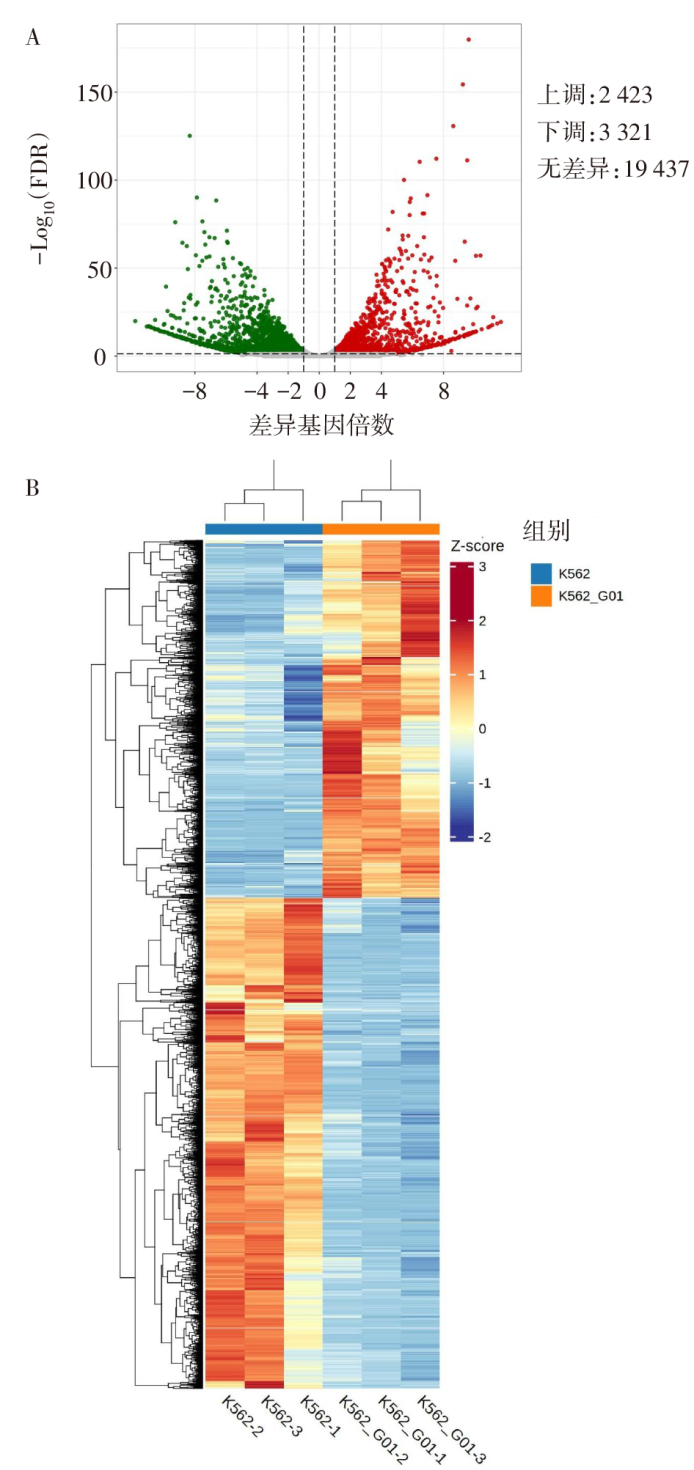
Fig.1 Differential gene analysis between K562 and K562-G01 cells
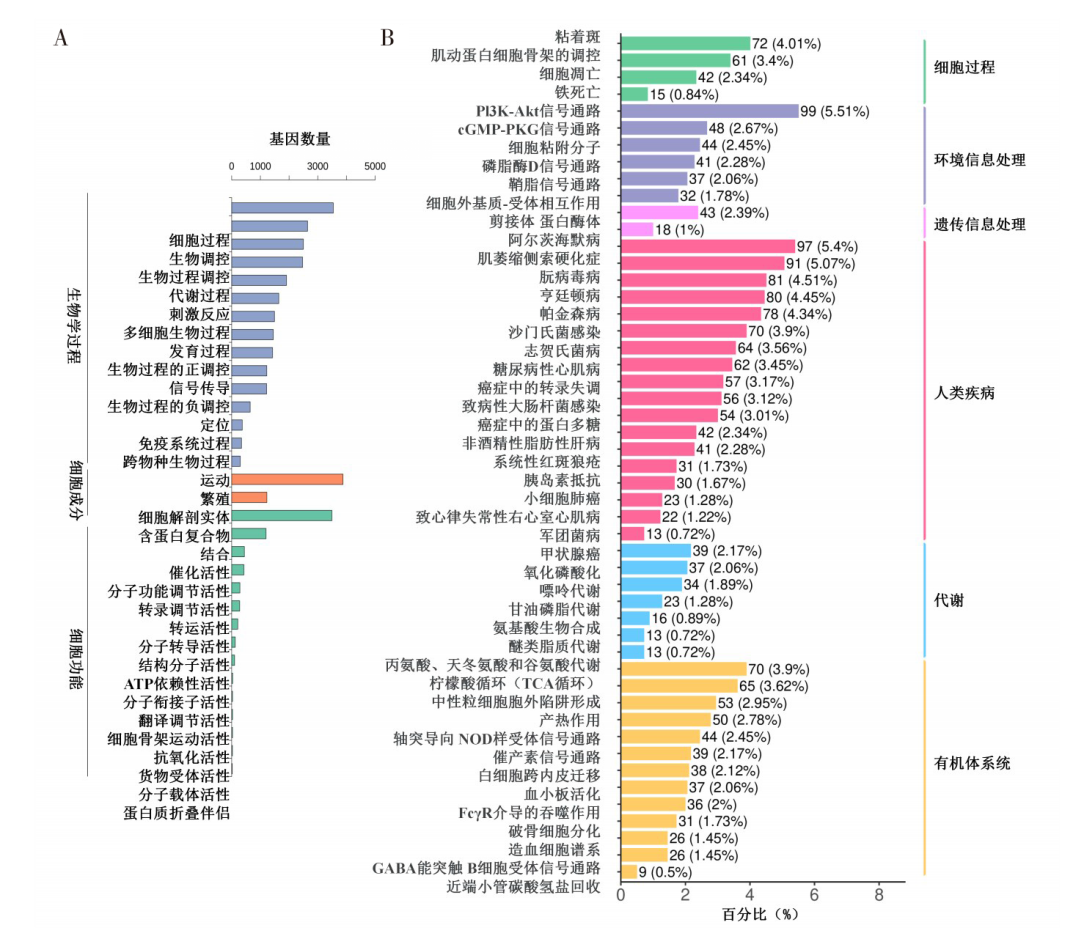
Fig.2 Pathway enrichment analysis of differentially expressed genes
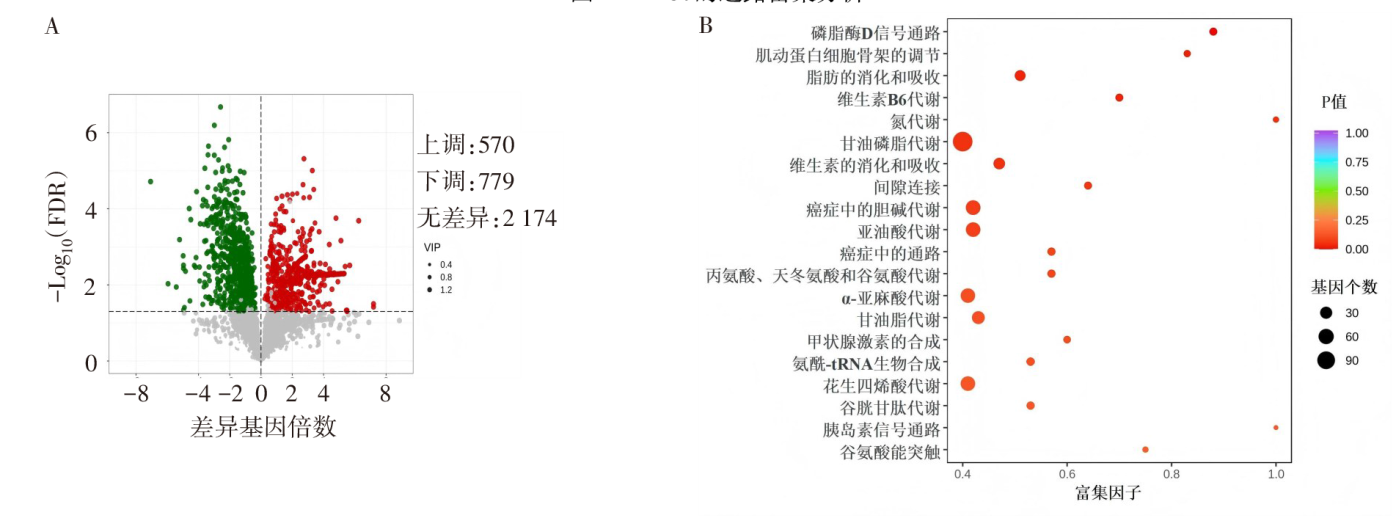
Fig.3 Screening of differential metabolites and pathway enrichment analysis
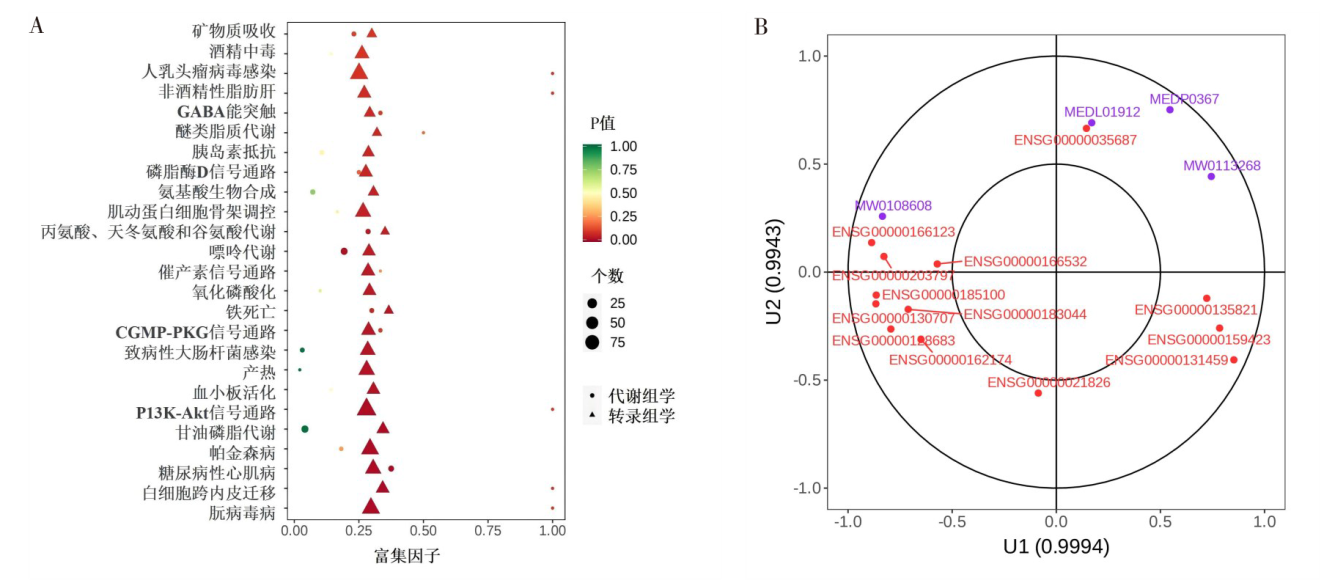
Fig.4 Correlation analysis of transcriptomic and metabolomic results
| 细胞 | n | 基因FPKM | |||
|---|---|---|---|---|---|
| ALDH4A1 | GLUL | ADSS2 | GFPT2 | ||
| K562 | 3 | 15.71±4.08 | 74.28±4.56 | 7.96±2.16 | 0.04±0.02 |
| K562-G01 | 3 | 24.68±0.24 | 110.71±2.72 | 19.45±3.32 | 0.19±0.09 |
| t | 4.509* | 3.699* | 2.884* | 2.823* | |
| 细胞 | n | 代谢物丰度 | |||
| 琥珀酸半醛 | N-乙酰天冬氨酰谷氨酸 | γ-氨基丁酸 | 5-磷酸核糖胺 | ||
| K562 | 6 | 6 455.00±1 081.87 | 68 900.00±141.42 | 514.00±1.41 | 6 495.00±742.46 |
| K562-G01 | 6 | 32 000.00±21 071.78 | 22 400.00±27 152.90 | 8 950.00±3 747.67 | 46 500.00±24 041.63 |
| t | 3.976** | 3.987** | 3.204** | 4.188** | |
Tab.2 Differentially expressed genes and metabolites between K562 and K562 G01 cells ($\bar{x}±s$)
| 细胞 | n | 基因FPKM | |||
|---|---|---|---|---|---|
| ALDH4A1 | GLUL | ADSS2 | GFPT2 | ||
| K562 | 3 | 15.71±4.08 | 74.28±4.56 | 7.96±2.16 | 0.04±0.02 |
| K562-G01 | 3 | 24.68±0.24 | 110.71±2.72 | 19.45±3.32 | 0.19±0.09 |
| t | 4.509* | 3.699* | 2.884* | 2.823* | |
| 细胞 | n | 代谢物丰度 | |||
| 琥珀酸半醛 | N-乙酰天冬氨酰谷氨酸 | γ-氨基丁酸 | 5-磷酸核糖胺 | ||
| K562 | 6 | 6 455.00±1 081.87 | 68 900.00±141.42 | 514.00±1.41 | 6 495.00±742.46 |
| K562-G01 | 6 | 32 000.00±21 071.78 | 22 400.00±27 152.90 | 8 950.00±3 747.67 | 46 500.00±24 041.63 |
| t | 3.976** | 3.987** | 3.204** | 4.188** | |
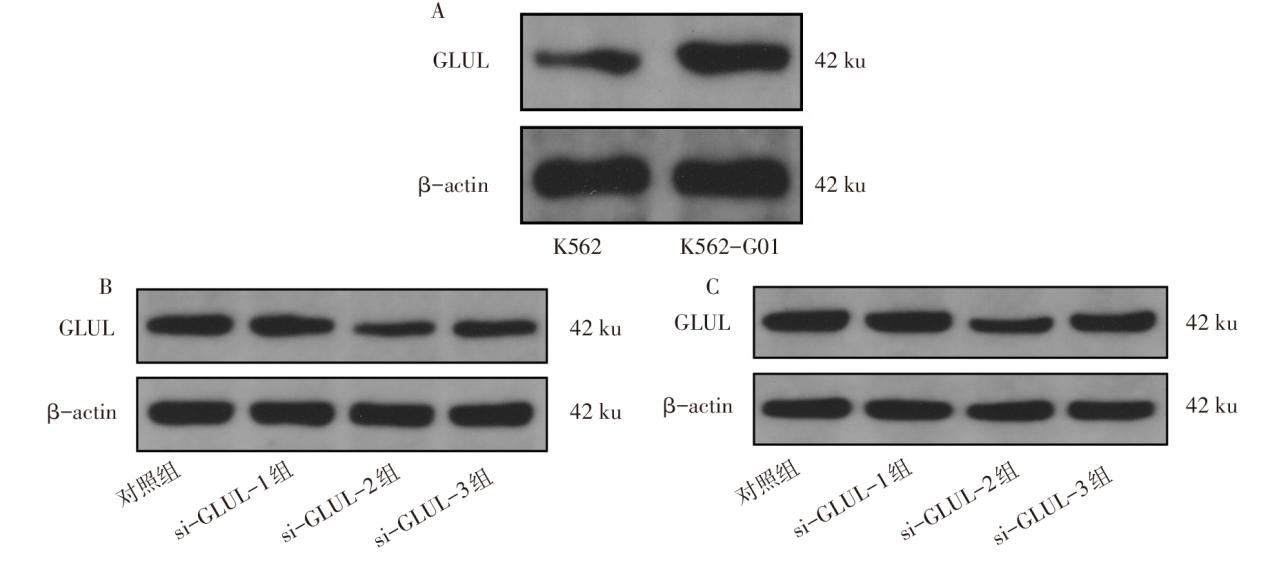
Fig.5 Western blot detection of GLUL expression level in K562 and K562 drug-resistant cells and interference efficiency
| 组别 | GLUL基因 | GLUL蛋白 | ||
|---|---|---|---|---|
| K562 | K562-G01 | K562 | K562-G01 | |
| 对照组 | 1.00±0.00 | 1.00±0.00 | 0.66±0.07 | 0.88±0.24 |
| si-GLUL-1组 | 0.81±0.19 | 0.83±0.21 | 0.71±0.03 | 0.86±0.01 |
| si-GLUL-2组 | 0.44±0.12ab | 0.39±0.13ab | 0.34±0.07ab | 0.49±0.05ab |
| si-GLUL-3组 | 0.64±0.03ac | 0.62±0.08ac | 0.52±0.20ac | 0.73±0.03ac |
| F | 24.112** | 18.443** | 19.695** | 87.524** |
Tab.3 Detection results of interference efficiency of GLUL (n=3,$\bar{x}±s$)
| 组别 | GLUL基因 | GLUL蛋白 | ||
|---|---|---|---|---|
| K562 | K562-G01 | K562 | K562-G01 | |
| 对照组 | 1.00±0.00 | 1.00±0.00 | 0.66±0.07 | 0.88±0.24 |
| si-GLUL-1组 | 0.81±0.19 | 0.83±0.21 | 0.71±0.03 | 0.86±0.01 |
| si-GLUL-2组 | 0.44±0.12ab | 0.39±0.13ab | 0.34±0.07ab | 0.49±0.05ab |
| si-GLUL-3组 | 0.64±0.03ac | 0.62±0.08ac | 0.52±0.20ac | 0.73±0.03ac |
| F | 24.112** | 18.443** | 19.695** | 87.524** |
| 组别 | K562细胞 | K562-G01细胞 |
|---|---|---|
| NC组 | 10.17±1.16 | 10.90±0.61 |
| si-GLUL组 | 26.86±1.40a | 17.13±1.22a |
| 伊马替尼组 | 20.30±0.84a | 15.15±1.37a |
| si-GLUL+伊马替尼组 | 43.71±2.23bc | 32.16±1.94bc |
| F | 265.300** | 137.000** |
Tab.4 Comparison of apoptosis rates between the five groups of cells (n=3,%,$\bar{x}±s$)
| 组别 | K562细胞 | K562-G01细胞 |
|---|---|---|
| NC组 | 10.17±1.16 | 10.90±0.61 |
| si-GLUL组 | 26.86±1.40a | 17.13±1.22a |
| 伊马替尼组 | 20.30±0.84a | 15.15±1.37a |
| si-GLUL+伊马替尼组 | 43.71±2.23bc | 32.16±1.94bc |
| F | 265.300** | 137.000** |
| [1] | MOJIDRA R, HOLE A, IWASAKI K, et al. DNA fingerprint analysis of raman spectra captures global genomic alterations in imatinib-resistant chronic myeloid leukemia: a potential single assay for screening imatinib resistance[J]. Cells, 2021, 10(10):2506. doi:10.3390/cells10102506. |
| [2] | BADRALEXI I, BORDEI A, HALANAY A, et al. Dynamics of chronic myeloid leukemia under imatinib treatment:a study of resistance development[J]. Mathematics, 2025, 12(24):3937. doi:10.3390/math12243937. |
| [3] | HE Y, DING J, LIU L, et al. Investigation of TSRP reverses imatinib resistance through the PI3K / Akt pathway in chronic myeloid leukemia[J]. Ann Hematol, 2024, 103(12):5285-5296. doi:10.1007/s00277-024-06099-8. |
| [4] | MOJIDRA R, GARDI N, BAGAL B, et al. Genomic analysis identifies an incipient signature to forecast imatinib resistance before start of treatment in patients with chronic myeloid leukemia[J]. Adv Biomark Sci Technol, 2025, 7:59-64. doi:10.1016/j.abst. |
| [5] | ZHANG R, HAO J, YU H, et al. circ_SIRT1 upregulates ATG12 to facilitate Imatinib resistance in CML through interacting with EIF4A3[J]. Gene, 2024,893:147917. doi:10.1016/j.gene.2023.147917. |
| [6] | LI C, WEN L, DONG J, et al. Alterations in cellular metabolisms after TKI therapy for Philadelphia chromosome-positive leukemia in children: A review[J]. Front Oncol, 2022,12:1072806. doi:10.3389/fonc.2022.1072806. |
| [7] | KO B W, HAN J, HEO J Y, et al. Metabolic characterization of imatinib-resistant BCR-ABL T315I chronic myeloid leukemia cells indicates down-regulation of glycolytic pathway and low ROS production[J]. Leuk Lymphoma, 2016, 57(9):2180-2188. doi:10.3109/10428194.2016.1142086. |
| [8] | BHINGARKAR A, VANGAPANDU H V, RATHOD S, et al. Amino acid metabolic vulnerabilities in acute and chronic myeloid leukemias[J]. Front Oncol, 2021,11:694526. doi:10.3389/fonc.2021.694526. |
| [9] | 吴珺, 陆爱东, 张乐萍, 等. 儿童核心结合因子相关性急性髓系白血病疗效及预后因素分析[J]. 中华血液学杂志, 2019, 40(1):52-57. |
| WU J, LU A D, ZHANG L P, et al. Study of clinical outcome and prognosis in pediatric core binding factor-acute myeloid leukemia[J]. Chin J Hematol, 2019, 40(1):52-57. doi:10.3760/cma.j.issn.0253-2727.2019.01.010. | |
| [10] | LIANG X, ZHOU J, LI C, et al. The roles and mechanisms of TGFB1 in acute myeloid leukemia chemoresistance[J]. Cell Signal, 2024,116:111027. doi:10.1016/j.cellsig.2023.111027. |
| [11] | ZHONG L, XIAO J L, LUO J, et al. Adsl,as a hub for amino acid metabolism and glucose metabolism,promotes the development of multiple myeloma[J]. Blood, 2024, 144(Supplement1):6824. doi:10.1182/blood-2024-204474. |
| [12] | POTETI M, MENEGAZZI G, PEPPICELLI S, et al. Glutamine availability controls bcr/abl protein expression and functional phenotype of chronic myeloid leukemia cells endowed with stem/progenitor cell potential[J]. Cancers (Basel), 2021, 13(17):4372. doi:10.3390/cancers13174372. |
| [13] | IJARE O, BASKIN D, PICHUMANI K. CBMT-01. alanine fuels energy metabolism of glioblastoma cells[J]. Neuro-Oncology, 2019, 21(Supplement6):32-33. doi:10.1093/neuonc/noz175.123. |
| [14] | HELENIUS I T, MADALA H R, YEH J J. An asp to strike out cancer? therapeutic possibilities arising from aspartate's emerging roles in cell proliferation and survival[J]. Biomolecules, 2021, 11(11):1666. doi:10.3390/biom11111666. |
| [15] | XUE W, WU K, GUO X, et al. The pan-cancer landscape of glutamate and glutamine metabolism: a comprehensive bioinformatic analysis across 32 solid cancer types[J]. Biochim Biophys Acta Mol Basis Dis, 2024, 1870(2): 166982. doi:10.1016/j.bbadis.2023.166982. |
| [16] | LAI Y C, LIN G, HO K C, et al. Aspartate and acetate fuel gastrointestinal stromal tumors beyond the warburg effect[J]. Ann Surg Open, 2022, 3(4):e224. doi:10.1097/AS9.0000000000000224. |
| [17] | MUTHU M, KUMAR R, SYED KHAJA A S, et al. GLUL ablation can confer drug resistance to cancer cells via a malate-aspartate shuttle-mediated mechanism[J]. Cancers (Basel), 2019, 11(12):1945. doi:10.3390/cancers11121945. |
| [18] | WU J, DENG P, ZOU L, et al. A phase Ⅱclinical study on apatinib plus vinorelbine in refractory her2-negative breast cancer and its metabolic implications of drug resistance[J]. Curr Cancer Drug Targets, 2025, 25(10):e15680096303785.doi:10.2174/0115680096303785240822155217. |
| [19] | PENG C J, FAN Z, LUO J S, et al. The potential transcriptomic and metabolomic mechanisms of ATO and ATRA in treatment of FLT3-ITD acute myeloid leukemia[J]. Technol Cancer Res Treat, 2024,23:15330338231223080. doi:10.1177/15330338231223080. |
| [20] | SINGH P, YADAV R, VERMA M, et al. Antileukemic activity of hsa-miR-203a-5p by limiting glutathione metabolism in imatinib-resistant K562 cells[J]. Curr Issues Mol Biol, 2022, 44(12):6428-6438. doi:10.3390/cimb44120438. |
| [21] | NAKA K. New routes to eradicating chronic myelogenous leukemia stem cells by targeting metabolism[J]. Int J Hematol, 2021, 113(5):648-655. doi:10.1007/s12185-021-03112-y. |
| Viewed | ||||||
|
Full text |
|
|||||
|
Abstract |
|
|||||
