
Tianjin Medical Journal ›› 2026, Vol. 54 ›› Issue (9): 982-986.doi: 10.11958/20253697
• Clinical Research • Previous Articles Next Articles
XU Haijuan( ), ZHANG Di, YAO Wenxiu, QIU Ruiqin, QIAO Mu
Received:2025-12-19
Revised:2026-03-25
Published:2026-09-15
Online:2026-09-14
XU Haijuan, ZHANG Di, YAO Wenxiu, QIU Ruiqin, QIAO Mu. Risk factors for bronchopulmonary dysplasia and construction of a prediction model in very/extremely preterm infants[J]. Tianjin Medical Journal, 2026, 54(9): 982-986.
CLC Number:
| 组别 | n | 母亲年龄 | 妊娠期 高血压 | 妊娠期 糖尿病 | 孕期宫内 感染 | ||||||
|---|---|---|---|---|---|---|---|---|---|---|---|
| <35岁 | ≥35岁 | ||||||||||
| 非BPD组 | 105 | 74(70.5) | 31(29.5) | 12(11.4) | 6(5.7) | 4(3.8) | |||||
| BPD组 | 101 | 67(66.3) | 34(33.7) | 13(12.9) | 6(5.9) | 13(12.9) | |||||
| χ2 | 0.408 | 0.100 | 0.005 | 5.830* | |||||||
| 组别 | 羊水 胎粪污染 | 胎膜 早破 | 胎儿 窘迫 | 分娩方式 | |||||||
| 阴道分娩 | 剖宫产 | ||||||||||
| 非BPD组 | 4(3.8) | 37(35.2) | 8(7.6) | 52(49.5) | 53(50.5) | ||||||
| BPD组 | 6(5.9) | 39(38.6) | 7(6.9) | 45(44.6) | 56(55.4) | ||||||
| χ2 | 0.506 | 0.252 | 0.036 | 0.510 | |||||||
Tab.1 Comparison of maternal perinatal factors between the BPD group and the non-BPD group
| 组别 | n | 母亲年龄 | 妊娠期 高血压 | 妊娠期 糖尿病 | 孕期宫内 感染 | ||||||
|---|---|---|---|---|---|---|---|---|---|---|---|
| <35岁 | ≥35岁 | ||||||||||
| 非BPD组 | 105 | 74(70.5) | 31(29.5) | 12(11.4) | 6(5.7) | 4(3.8) | |||||
| BPD组 | 101 | 67(66.3) | 34(33.7) | 13(12.9) | 6(5.9) | 13(12.9) | |||||
| χ2 | 0.408 | 0.100 | 0.005 | 5.830* | |||||||
| 组别 | 羊水 胎粪污染 | 胎膜 早破 | 胎儿 窘迫 | 分娩方式 | |||||||
| 阴道分娩 | 剖宫产 | ||||||||||
| 非BPD组 | 4(3.8) | 37(35.2) | 8(7.6) | 52(49.5) | 53(50.5) | ||||||
| BPD组 | 6(5.9) | 39(38.6) | 7(6.9) | 45(44.6) | 56(55.4) | ||||||
| χ2 | 0.506 | 0.252 | 0.036 | 0.510 | |||||||
| 组别 | n | 性别 | 胎龄 | 新生儿呼吸 窘迫综合征 | ||||||
|---|---|---|---|---|---|---|---|---|---|---|
| 男 | 女 | <28周 | ≥28周 | |||||||
| 非BPD组 | 105 | 56(53.3) | 49(46.7) | 38(36.2) | 67(63.8) | 41(39.0) | ||||
| BPD组 | 101 | 49(48.5) | 52(51.5) | 61(60.4) | 40(39.6) | 67(66.3) | ||||
| χ2 | 0.478 | 12.083** | 15.371** | |||||||
| 组别 | 动脉导管 未闭 | 感染性肺炎 | 有创机械通气时间 | |||||||
| ≤7 d | >7 d | |||||||||
| 非BPD组 | 11(10.5) | 16(15.2) | 89(84.8) | 16(15.2) | ||||||
| BPD组 | 25(24.8) | 33(32.7) | 63(62.4) | 38(37.6) | ||||||
| χ2 | 7.275** | 8.632** | 13.338** | |||||||
Tab.2 Comparison of early neonatal factors between the BPD group and the non-BPD group
| 组别 | n | 性别 | 胎龄 | 新生儿呼吸 窘迫综合征 | ||||||
|---|---|---|---|---|---|---|---|---|---|---|
| 男 | 女 | <28周 | ≥28周 | |||||||
| 非BPD组 | 105 | 56(53.3) | 49(46.7) | 38(36.2) | 67(63.8) | 41(39.0) | ||||
| BPD组 | 101 | 49(48.5) | 52(51.5) | 61(60.4) | 40(39.6) | 67(66.3) | ||||
| χ2 | 0.478 | 12.083** | 15.371** | |||||||
| 组别 | 动脉导管 未闭 | 感染性肺炎 | 有创机械通气时间 | |||||||
| ≤7 d | >7 d | |||||||||
| 非BPD组 | 11(10.5) | 16(15.2) | 89(84.8) | 16(15.2) | ||||||
| BPD组 | 25(24.8) | 33(32.7) | 63(62.4) | 38(37.6) | ||||||
| χ2 | 7.275** | 8.632** | 13.338** | |||||||
| 变量 | β | SE | Wald χ2 | P | OR | OR(95%CI) |
|---|---|---|---|---|---|---|
| 孕期宫内感染 | 1.924 | 0.694 | 7.687 | 0.006 | 6.846 | 1.757~26.667 |
| 新生儿胎龄 | 1.445 | 0.366 | 15.621 | <0.001 | 4.241 | 2.072~8.683 |
| 新生儿呼吸 窘迫综合征 | 1.848 | 0.382 | 23.429 | <0.001 | 6.346 | 3.003~13.411 |
| 动脉导管未闭 | 1.596 | 0.482 | 10.968 | 0.001 | 4.935 | 1.919~12.695 |
| 感染性肺炎 | 1.201 | 0.418 | 8.254 | 0.004 | 3.323 | 1.465~7.540 |
| 有创机械通气时间 | 1.600 | 0.409 | 15.374 | <0.001 | 4.954 | 2.226~11.025 |
| 常数项 | -2.820 | 0.447 | 39.800 | <0.001 | 0.060 |
Tab.3 Multivariate Logistic analysis on influencing factors of BPD in very/extremely preterm infants
| 变量 | β | SE | Wald χ2 | P | OR | OR(95%CI) |
|---|---|---|---|---|---|---|
| 孕期宫内感染 | 1.924 | 0.694 | 7.687 | 0.006 | 6.846 | 1.757~26.667 |
| 新生儿胎龄 | 1.445 | 0.366 | 15.621 | <0.001 | 4.241 | 2.072~8.683 |
| 新生儿呼吸 窘迫综合征 | 1.848 | 0.382 | 23.429 | <0.001 | 6.346 | 3.003~13.411 |
| 动脉导管未闭 | 1.596 | 0.482 | 10.968 | 0.001 | 4.935 | 1.919~12.695 |
| 感染性肺炎 | 1.201 | 0.418 | 8.254 | 0.004 | 3.323 | 1.465~7.540 |
| 有创机械通气时间 | 1.600 | 0.409 | 15.374 | <0.001 | 4.954 | 2.226~11.025 |
| 常数项 | -2.820 | 0.447 | 39.800 | <0.001 | 0.060 |
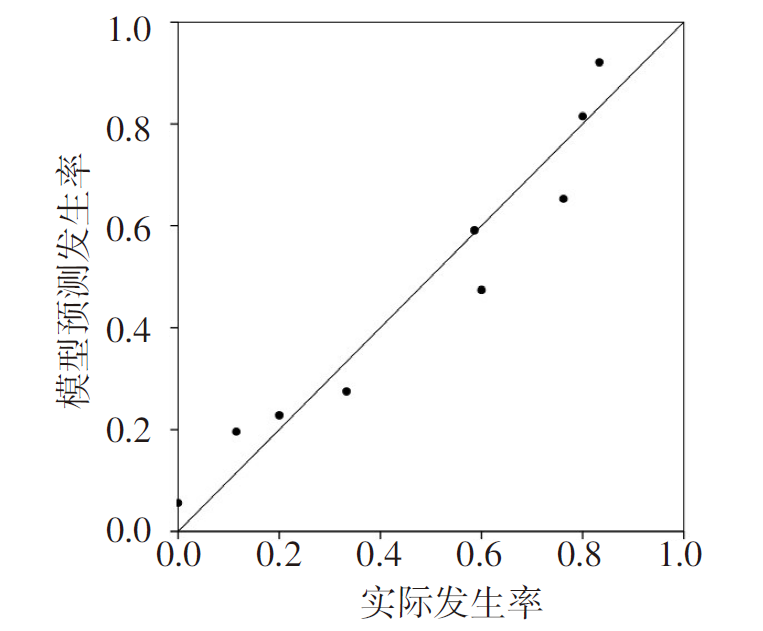
Fig.1 Calibration curve of the predictive model
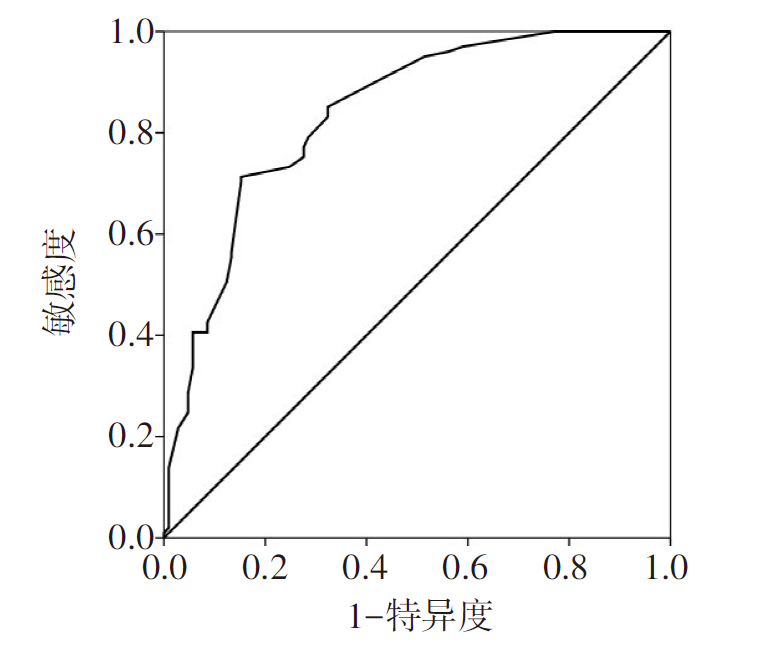
Fig.2 ROC curve of the prediction model for evaluating the occurrence of BPD in very/extremely preterm infants
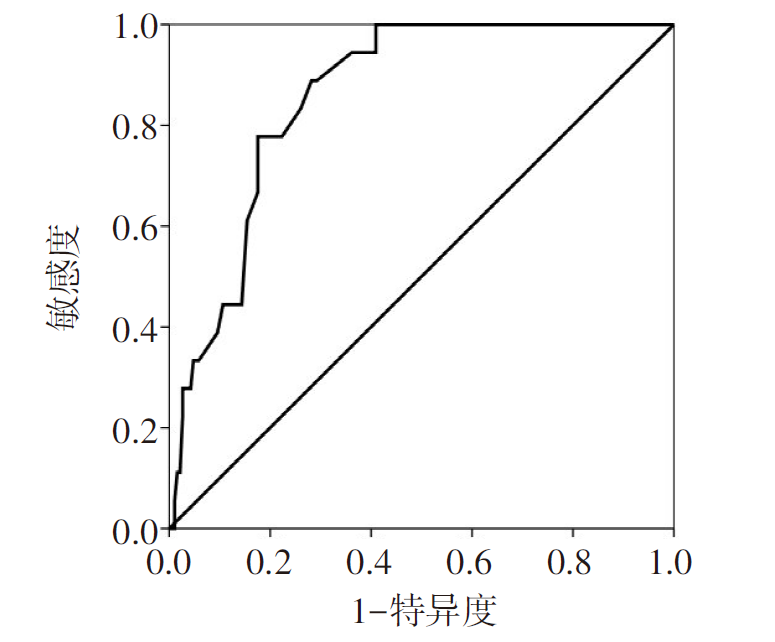
Fig.3 ROC curve of the prediction model for evaluating severe BPD in very/extremely preterm infants
| [1] | Oulego-Erroz I, Alonso-Quintela P, Terroba-Seara S, et al. Early assessment of lung aeration using an ultrasound score as a biomarker of developing bronchopulmonary dysplasia:a prospective observational study[J]. J Perinatol, 2021, 41(1):62-68. doi:10.1038/s41372-020-0724-z. |
| [2] | 林锋, 瞿尔力. 无创高频振荡通气在早产儿呼吸衰竭治疗中的应用效果和安全性[J]. 中国基层医药, 2022, 29(4):481-485. |
| Lin F, Qu E L. Efficacy and safety of noninvasive high-frequency oscillatory ventilation in the treatment of respiratory failure in premature infants[J]. Chinese Journal of Primary Medicine and Pharmacy, 2022, 29(4):481-485. doi:10.3760/cma.issn1008-6706.2022.04.001. | |
| [3] | Chen X, Qiu X, Sun P, et al. Neonatal ibuprofen exposure and bronchopulmonary dysplasia in extremely premature infants[J]. J Perinatol, 2020, 40(1):124-129. doi:10.1038/s41372-019-0444-4. |
| [4] | 孙兴, 徐微, 刘蓓蓓, 等. 极低/超低出生体质量儿经外周静脉穿刺中心静脉置管过程中发生机械性静脉炎的影响因素分析[J]. 实用临床医药杂志, 2023, 27(23):110-115. |
| Sun X, Xu W, Liu B B, et al. Influencing factors of mechanical phlebitis in very/extremely low birth weight infants with peripherally inserted central catheterization[J]. Journal of Clinical Medicine in Practice, 2023, 27(23):110-115. doi:10.7619/jcmp.20232061. | |
| [5] | Amatya S, Rajbhandari S, Pradhan S, et al. Hedgehog signaling pathway gene variant influences bronchopulmonary dysplasia in extremely low birth weight infants[J]. World J Pediatr, 2021, 17(3):298-304. doi:10.1007/s12519-021-00427-y. |
| [6] | Varghese N P, Tillman R H, Keller R L. Pulmonary hypertension is an important co-morbidity in developmental lung diseases of infancy:bronchopulmonary dysplasia and congenital diaphragmatic hernia[J]. Pediatr Pulmonol, 2021, 56(3):670-677. doi:10.1002/ppul.25258. |
| [7] | Paes B, Baraldi E, Fauroux B, et al. Exploring respiratory syncytial virus prophylaxis for children with all grades of bronchopulmonary dysplasia[J]. Acta Paediatr, 2021, 110(1):25-27. doi:10.1111/apa.15482. |
| [8] | 杜扬, 周建国, 陈超. 早产儿支气管肺发育不良相关肺动脉高压诊治研究进展[J]. 中华儿科杂志, 2020, 58(2):162-165. |
| Du Y, Zhou J G, Chen C. Research progress in diagnosis and treatment of pulmonary hypertension associated with bronchopulmonary dysplasia[J]. Chinese Journal of Pediatrics, 2020, 58(2):162-165. doi:10.3760/cma.j.issn.0578-1310.2020.02.021. | |
| [9] | Wang L J, Hu Y, Wang W, et al. Gastroesophageal reflux poses a potential risk for late complications of bronchopulmonary dysplasia:a prospective cohort study[J]. Chest, 2020, 158(4):1596-1605. doi:10.1016/j.chest.2020.05.523. |
| [10] | Jung Y J. Risk factors for fungal infection in extremely low birthweight infants registered in the Korean neonatal network from 2013 to 2015:male sex and hypotension[J]. Pediatr Int, 2020, 62(4):477-483. doi:10.1111/ped.14085. |
| [11] | 邵肖梅, 叶鸿瑁, 丘小汕. 实用新生儿学[M]. 北京: 人民卫生出版社,2011:887-892. |
| Shao X M, Ye H M, Qiu X S. Practical Neonatology[M]. Beijing: People's Medical Publishing House,2011:887-892. | |
| [12] | Jobe A H, Bancalari E. Bronchopulmonary dysplasia[J]. Am J Respir Crit Care Med, 2001, 163(7):1723-1729. doi:10.1164/ajrccm.163.7.2012007. |
| [13] | 陈月, 李敏许. 褪黑素作为抗氧化剂在支气管肺发育不良中的研究进展[J]. 临床误诊误治, 2023, 36(12):150-154. |
| Chen Y, Li M X. Research progress of melatonin as an antioxidant in bronchopulmonary dysplasia[J]. Clinical Misdiagnosis & Mistherapy, 2023, 36(12):150-154. doi:10.3969/j.issn.1002-3429.2023.12.030. | |
| [14] | 刘晓溪, 杨凡. 不同重力喂养高度及卧位在预防早产儿胃食管反流中的效果分析[J]. 实用临床医药杂志, 2024, 28(4):97-101. |
| Liu X X, Yang F. Effect of different gravity feeding heights and lying position in preventing gastroesophageal reflux in premature infants[J]. Journal of Clinical Medicine in Practice, 2024, 28(4):97-101. doi:10.7619/jcmp.20240117. | |
| [15] | 李悦, 缪晓林, 郭丽敏, 等. 胎龄32周以下早产儿支气管肺发育不良高危因素分析[J]. 医学研究生学报, 2020, 33(9):942-947. |
| Li Y, Miao X L, Guo L M, et al. Factors influencing bronchopulmonary dysplasia in premature infants under 32 weeks in gestational ages[J]. Journal of Medical Postgraduates, 2020, 33(9):942-947. doi:10.16571/j.cnki.1008-8199.2020.09.009. | |
| [16] | Cyr-Depauw C, Hurskainen M, Vadivel A, et al. Characterization of the innate immune response in a novel murine model mimicking bronchopulmonary dysplasia[J]. Pediatr Res, 2021, 89(4):803-813. doi:10.1038/s41390-020-0967-6. |
| [17] | Mitchell A, Wanczyk H, Jensen T, et al. Human induced pluripotent stem cells ameliorate hyperoxia-induced lung injury in a mouse model[J]. Am J Transl Res, 2020, 12(1):292-307. doi:10.12998/ajtr.v12i1.11964. |
| [18] | 朱克然, 周登余, 王琍琍. 胎龄小于32周的极/超低出生体质量儿支气管肺发育不良及严重程度危险因素分析[J]. 安徽医学, 2021, 42(12):1371-1376. |
| Zhu K R, Zhou D Y, Wang L L. Analysis of risk factors of bronchopulmonary dysplasia and its severity in very/extremely low birth weight infants with gestational age less than 32 weeks[J]. Anhui Medical Journal, 2021, 42(12):1371-1376. doi:10.3969/j.issn.1000-0399.2021.12.009. | |
| [19] | 张茹, 徐发林, 李文丽, 等. 早产儿支气管肺发育不良早期风险预测模型的构建[J]. 中国当代儿科杂志, 2021, 23(10):994-1001. |
| Zhang R, Xu F L, Li W L, et al. Construction of early risk prediction models for bronchopulmonary dysplasia in preterm infants[J]. Chinese Journal of Contemporary Pediatrics, 2021, 23(10):994-1001. doi:10.7499/j.issn.1008-8830.2107035. | |
| [20] | Clyman R I, Hills N K. The effect of prolonged tracheal intubation on the association between patent ductus arteriosus and bronchopulmonary dysplasia(grades 2 and 3)[J]. J Perinatol, 2020, 40(9):1358-1365. doi:10.1038/s41372-020-0718-x. |
| [21] | Wang H, Jain A, Weisz D E, et al. Trends in patent ductus arteriosus ligation in neonates and changes in outcomes:a 10-year multicenter experience[J]. Pediatr Pulmonol, 2021, 56(10):3250-3257. doi:10.1002/ppul.25576. |
| [22] | Hellstrom W, Martinsson T, Hellstrom A, et al. Fetal haemoglobin and bronchopulmonary dysplasia in neonates:an observational study[J]. Arch Dis Child Fetal Neonatal Ed, 2021, 106(1):88-92. doi:10.1136/archdischild-2020-319181. |
| [23] | Dassios T, Williams E E, Hickey A, et al. Duration of mechanical ventilation and prediction of bronchopulmonary dysplasia and home oxygen in extremely preterm infants[J]. Acta Paediatr, 2021, 110(7):2052-2058. doi:10.1111/apa.15801. |
| [24] | Nascimento C P, Maia L P, Alves P T, et al. Invasive mechanical ventilation and biomarkers as predictors of bronchopulmonary dysplasia in preterm infants[J]. J Pediatr, 2021, 97(3):280-286. doi:10.1016/j.jped.2020.03.006. |
| Viewed | ||||||
|
Full text |
|
|||||
|
Abstract |
|
|||||
