
Tianjin Medical Journal ›› 2026, Vol. 54 ›› Issue (10): 1081-1086.doi: 10.11958/20260425
• Clinical Research • Previous Articles Next Articles
MAO Yixiang( ), WANG Haidong△(), HANG Ye, SONG Jin
Received:2026-02-06
Revised:2026-03-27
Published:2026-10-15
Online:2026-10-10
Contact:
△E-mail:1499299393@qq.com
MAO Yixiang, WANG Haidong, HANG Ye, SONG Jin. Construction and validation of a nomogram prediction model for symptomatic radiation pneumonitis after radiotherapy in patients with NSCLC[J]. Tianjin Medical Journal, 2026, 54(10): 1081-1086.
CLC Number:
| 组别 | n | 年龄/岁 | 性别 | 高血压 病史 | 糖尿病史 | |||||||||||||
|---|---|---|---|---|---|---|---|---|---|---|---|---|---|---|---|---|---|---|
| 男 | 女 | |||||||||||||||||
| 非SRP组 | 187 | 59.42±7.61 | 141(75.4) | 46(24.6) | 46(24.6) | 34(18.2) | ||||||||||||
| SRP组 | 83 | 60.96±9.20 | 55(66.3) | 28(33.7) | 22(26.5) | 18(21.7) | ||||||||||||
| t或χ2 | 1.342 | 2.412 | 0.111 | 0.454 | ||||||||||||||
| 组别 | 糖尿病史 | 肺部基础 疾病史 | 吸烟史 | ECOG评分 | ||||||||||||||
| 0分 | 1分 | 2分 | ||||||||||||||||
| 非SRP组 | 34(18.0) | 35(18.7) | 118(63.1) | 81(43.3) | 77(41.2) | 29(15.5) | ||||||||||||
| SRP组 | 18(21.7) | 25(30.1) | 43(51.8) | 13(15.7) | 46(55.4) | 24(28.9) | ||||||||||||
| χ2 | 0.454 | 4.325* | 3.046 | 20.451** | ||||||||||||||
组别 | BMI/(kg/m2) | 病理类型 | ||||||||||||||||
| 肺腺癌 | 肺鳞癌 | 其他 | ||||||||||||||||
| 非SRP组 | 23.12±1.98 | 97(51.9) | 77(41.2) | 13(7.0) | ||||||||||||||
| SRP组 | 23.46±2.03 | 53(63.9) | 26(31.3) | 4(4.8) | ||||||||||||||
| t或χ2 | 1.323 | 3.364 | ||||||||||||||||
组别 | 病灶位置 | 治疗方式 | ||||||||||||||||
| 中央型 | 周围型 | 序贯放化疗 | 非序贯放化疗 | |||||||||||||||
| 非SRP组 | 106(56.7) | 81(43.3) | 50(26.7) | 137(73.3) | ||||||||||||||
| SRP组 | 13(15.7) | 70(84.3) | 34(41.0) | 49(59.0) | ||||||||||||||
| χ2 | 39.245** | 5.428* | ||||||||||||||||
Tab.1 Comparison of general data between the SRP group and the non-SRP group
| 组别 | n | 年龄/岁 | 性别 | 高血压 病史 | 糖尿病史 | |||||||||||||
|---|---|---|---|---|---|---|---|---|---|---|---|---|---|---|---|---|---|---|
| 男 | 女 | |||||||||||||||||
| 非SRP组 | 187 | 59.42±7.61 | 141(75.4) | 46(24.6) | 46(24.6) | 34(18.2) | ||||||||||||
| SRP组 | 83 | 60.96±9.20 | 55(66.3) | 28(33.7) | 22(26.5) | 18(21.7) | ||||||||||||
| t或χ2 | 1.342 | 2.412 | 0.111 | 0.454 | ||||||||||||||
| 组别 | 糖尿病史 | 肺部基础 疾病史 | 吸烟史 | ECOG评分 | ||||||||||||||
| 0分 | 1分 | 2分 | ||||||||||||||||
| 非SRP组 | 34(18.0) | 35(18.7) | 118(63.1) | 81(43.3) | 77(41.2) | 29(15.5) | ||||||||||||
| SRP组 | 18(21.7) | 25(30.1) | 43(51.8) | 13(15.7) | 46(55.4) | 24(28.9) | ||||||||||||
| χ2 | 0.454 | 4.325* | 3.046 | 20.451** | ||||||||||||||
组别 | BMI/(kg/m2) | 病理类型 | ||||||||||||||||
| 肺腺癌 | 肺鳞癌 | 其他 | ||||||||||||||||
| 非SRP组 | 23.12±1.98 | 97(51.9) | 77(41.2) | 13(7.0) | ||||||||||||||
| SRP组 | 23.46±2.03 | 53(63.9) | 26(31.3) | 4(4.8) | ||||||||||||||
| t或χ2 | 1.323 | 3.364 | ||||||||||||||||
组别 | 病灶位置 | 治疗方式 | ||||||||||||||||
| 中央型 | 周围型 | 序贯放化疗 | 非序贯放化疗 | |||||||||||||||
| 非SRP组 | 106(56.7) | 81(43.3) | 50(26.7) | 137(73.3) | ||||||||||||||
| SRP组 | 13(15.7) | 70(84.3) | 34(41.0) | 49(59.0) | ||||||||||||||
| χ2 | 39.245** | 5.428* | ||||||||||||||||
| 组别 | n | WBC/(×109/L) | PCT/(μg/L) | NEU/(×109/L) | ||||||
|---|---|---|---|---|---|---|---|---|---|---|
| 非SRP组 | 187 | 6.46±1.40 | 1.80(1.70,2.00) | 4.40(3.40,5.80) | ||||||
| SRP组 | 83 | 6.14±1.54 | 2.20(1.50,2.50) | 5.80(3.20,6.30) | ||||||
| t或Z | 1.682 | 2.334* | 2.372* | |||||||
| 组别 | LYM/(×109/L) | PLT/(×109/L) | MONO/(×109/L) | |||||||
| 非SRP组 | 2.80(2.30,3.10) | 304.00(198.00,335.00) | 0.60(0.50,0.70) | |||||||
| SRP组 | 2.60(2.00,3.10) | 227.00(184.00,314.00) | 0.70(0.50,0.70) | |||||||
| Z | 1.521 | 1.996* | 0.983 | |||||||
| 组别 | EOS/(×109/L) | hs-CRP/(mg/L) | Hb/(g/L) | |||||||
| 非SRP组 | 0.25(0.20,0.30) | 11.00(9.00,12.00) | 127.00(118.00,154.00) | |||||||
| SRP组 | 0.23(0.20,0.26) | 13.00(9.00,14.00) | 123.00(110.00,153.00) | |||||||
| Z | 2.307* | 1.788 | 1.703 | |||||||
Tab.2 Comparison of laboratory indicators between the SRP group and the non-SRP group
| 组别 | n | WBC/(×109/L) | PCT/(μg/L) | NEU/(×109/L) | ||||||
|---|---|---|---|---|---|---|---|---|---|---|
| 非SRP组 | 187 | 6.46±1.40 | 1.80(1.70,2.00) | 4.40(3.40,5.80) | ||||||
| SRP组 | 83 | 6.14±1.54 | 2.20(1.50,2.50) | 5.80(3.20,6.30) | ||||||
| t或Z | 1.682 | 2.334* | 2.372* | |||||||
| 组别 | LYM/(×109/L) | PLT/(×109/L) | MONO/(×109/L) | |||||||
| 非SRP组 | 2.80(2.30,3.10) | 304.00(198.00,335.00) | 0.60(0.50,0.70) | |||||||
| SRP组 | 2.60(2.00,3.10) | 227.00(184.00,314.00) | 0.70(0.50,0.70) | |||||||
| Z | 1.521 | 1.996* | 0.983 | |||||||
| 组别 | EOS/(×109/L) | hs-CRP/(mg/L) | Hb/(g/L) | |||||||
| 非SRP组 | 0.25(0.20,0.30) | 11.00(9.00,12.00) | 127.00(118.00,154.00) | |||||||
| SRP组 | 0.23(0.20,0.26) | 13.00(9.00,14.00) | 123.00(110.00,153.00) | |||||||
| Z | 2.307* | 1.788 | 1.703 | |||||||
| 组别 | n | PTV/cm3 | 处方剂量/Gy | |||||||
|---|---|---|---|---|---|---|---|---|---|---|
| 非SRP组 | 187 | 152.60(132.30,170.30) | 60.00(54.00,68.00) | |||||||
| SRP组 | 83 | 167.70(154.60,181.60) | 63.00(57.00,70.00) | |||||||
| Z | 4.110** | 1.775 | ||||||||
| 组别 | MLD/Gy | V5/% | V10/% | |||||||
| 非SRP组 | 655.09±150.07 | 29.41±6.59 | 22.00(18.00,26.00) | |||||||
| SRP组 | 642.27±143.36 | 31.20±6.02 | 22.00(19.00,27.00) | |||||||
| t或Z | 0.657 | 2.124* | 0.626 | |||||||
| 组别 | V15/% | V20/% | V30/% | |||||||
| 非SRP组 | 17.69±5.06 | 15.00(11.00,18.00) | 11.00(10.00,13.00) | |||||||
| SRP组 | 18.90±4.28 | 16.00(15.00,19.00) | 12.00(10.00,14.00) | |||||||
| t或Z | 1.903 | 3.160** | 1.953 | |||||||
Tab.3 Comparison of dosimetry parameters of radiotherapy between the SRP group and the non-SRP group
| 组别 | n | PTV/cm3 | 处方剂量/Gy | |||||||
|---|---|---|---|---|---|---|---|---|---|---|
| 非SRP组 | 187 | 152.60(132.30,170.30) | 60.00(54.00,68.00) | |||||||
| SRP组 | 83 | 167.70(154.60,181.60) | 63.00(57.00,70.00) | |||||||
| Z | 4.110** | 1.775 | ||||||||
| 组别 | MLD/Gy | V5/% | V10/% | |||||||
| 非SRP组 | 655.09±150.07 | 29.41±6.59 | 22.00(18.00,26.00) | |||||||
| SRP组 | 642.27±143.36 | 31.20±6.02 | 22.00(19.00,27.00) | |||||||
| t或Z | 0.657 | 2.124* | 0.626 | |||||||
| 组别 | V15/% | V20/% | V30/% | |||||||
| 非SRP组 | 17.69±5.06 | 15.00(11.00,18.00) | 11.00(10.00,13.00) | |||||||
| SRP组 | 18.90±4.28 | 16.00(15.00,19.00) | 12.00(10.00,14.00) | |||||||
| t或Z | 1.903 | 3.160** | 1.953 | |||||||
| 变量 | β | SE | Wald χ2 | P | OR(95%CI) |
|---|---|---|---|---|---|
| 肺部基础疾病史 | 1.001 | 0.376 | 7.071 | 0.008 | 2.720(1.301~5.688) |
| ECOG评分 | 1.127 | 0.387 | 8.484 | 0.004 | 3.085(1.446~6.584) |
| 病灶位置 | -1.996 | 0.371 | 28.975 | <0.001 | 0.136(0.066~0.281) |
| 治疗方式 | 0.846 | 0.335 | 6.366 | 0.012 | 2.331(1.208~4.497) |
| PTV | 0.016 | 0.006 | 7.872 | 0.005 | 1.016(1.005~1.027) |
| V20 | 0.114 | 0.036 | 10.200 | 0.001 | 1.121(1.045~1.202) |
| 常数项 | -5.171 | 1.447 | 12.771 | <0.001 | 0.006 |
Tab.4 Multivariate Logistic regression analysis of SRP in patients with NSCLC
| 变量 | β | SE | Wald χ2 | P | OR(95%CI) |
|---|---|---|---|---|---|
| 肺部基础疾病史 | 1.001 | 0.376 | 7.071 | 0.008 | 2.720(1.301~5.688) |
| ECOG评分 | 1.127 | 0.387 | 8.484 | 0.004 | 3.085(1.446~6.584) |
| 病灶位置 | -1.996 | 0.371 | 28.975 | <0.001 | 0.136(0.066~0.281) |
| 治疗方式 | 0.846 | 0.335 | 6.366 | 0.012 | 2.331(1.208~4.497) |
| PTV | 0.016 | 0.006 | 7.872 | 0.005 | 1.016(1.005~1.027) |
| V20 | 0.114 | 0.036 | 10.200 | 0.001 | 1.121(1.045~1.202) |
| 常数项 | -5.171 | 1.447 | 12.771 | <0.001 | 0.006 |
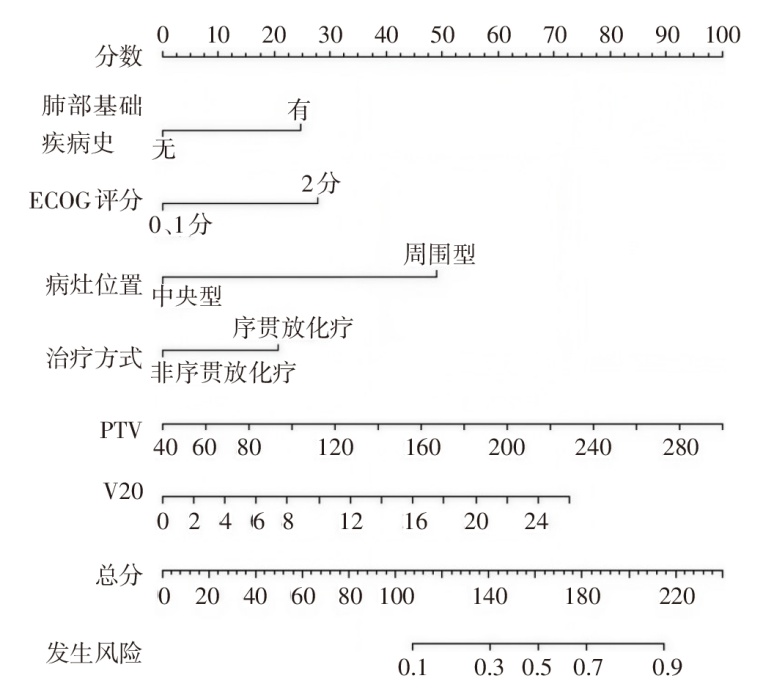
Fig.1 The nomogram for the occurrence of SRP in patients with NSCLC
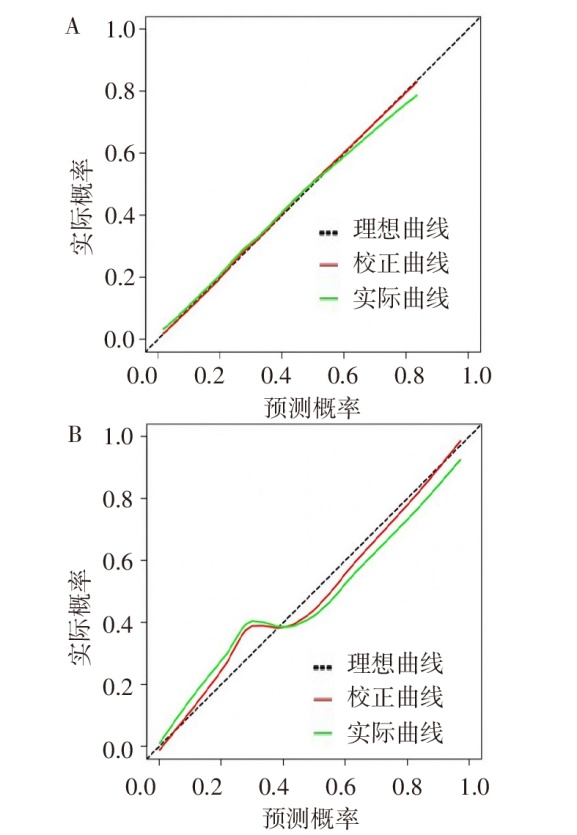
Fig.2 Calibration curves of the nomogram model for SRP in patients with NSCLC
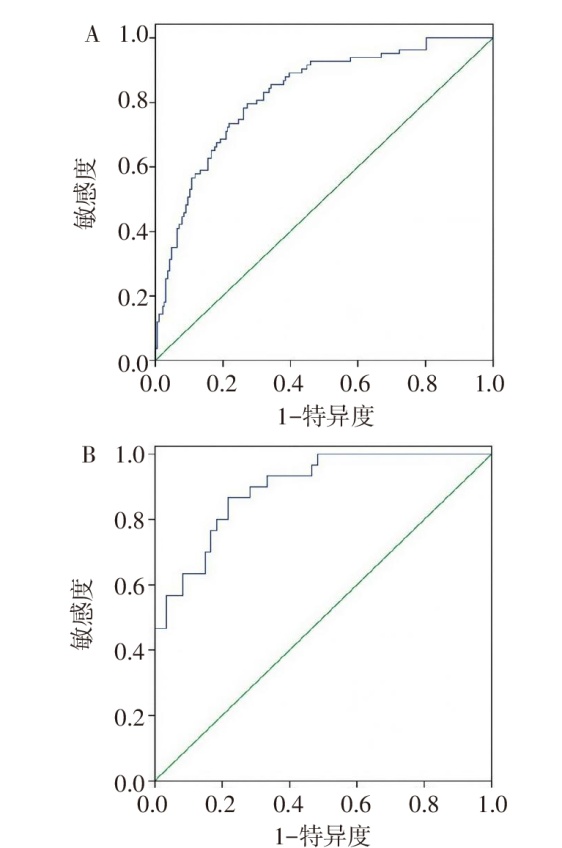
Fig.3 ROC curves of the nomogram model for predicting SRP in patients with NSCLC
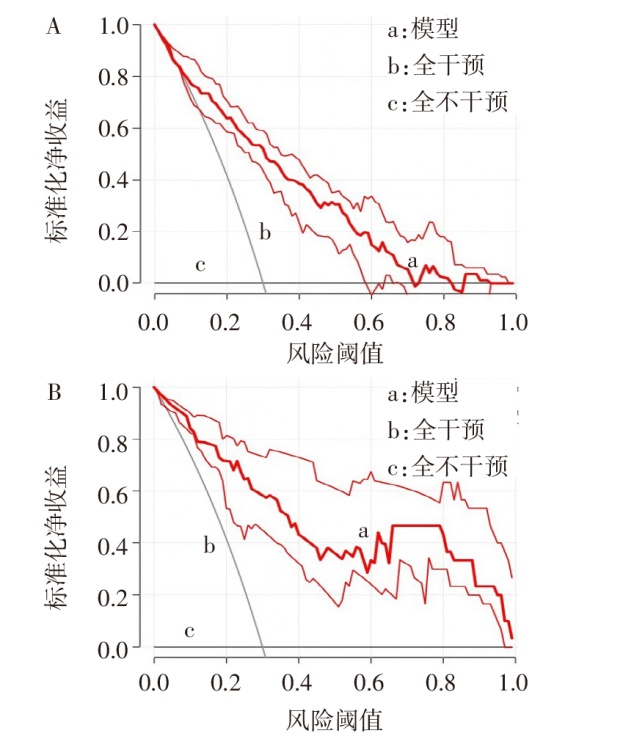
Fig.4 Decision curves of the nomogram prediction model for SRP in patients with NSCLC
| [1] | Zhao N, Xiong L, Bai X, et al. Risk factors for radiation pneumonitis in NSCLC patients treated with third-generation EGFR TKIs and chest radiotherapy[J]. Radiat Oncol, 2025, 20(1):72. doi:10.1186/s13014-025-02649-0. |
| [2] | Zehentmayr F, Feurstein P, Ruznic E, et al. Durvalumab impacts progression-free survival while high-dose radiation >66 Gy improves local control without excess toxicity in unresectable NSCLC stage III:real-world data from the Austrian radio-oncological lung cancer study association registry (ALLSTAR)[J]. Radiother Oncol, 2024, 196:110294. doi:10.1016/j.radonc.2024.110294. |
| [3] | Jiao Y, Feng A, Li S, et al. Development and validation of a lung biological equivalent dose-based multiregional radiomic model for predicting symptomatic radiation pneumonitis after SBRT in lung cancer patients[J]. Front Oncol, 2024, 14:1489217. doi:10.3389/fonc.2024.1489217. |
| [4] | 付守鹏, 张英杰, 李建彬. 非小细胞肺癌立体定向放疗所致放射性肺炎相关因素研究进展[J]. 中华放射肿瘤学杂志, 2021, 30(12):1330-1334. |
| Fu S P, Zhang Y J, Li J B. Research progress on risk factors of radiation pneumonitis caused by stereotactic body radiotherapy for non-small-cell lung cancer[J]. Chin J Radiat Oncol, 2021, 30(12):1330-1334. doi:10.3760/cma.j.cn113030-20200531-00287. | |
| [5] | Wang K, Yang F, Feng C, et al. Dose-volume constraints parameters for lung tissue in thoracic radiotherapy following immune checkpoint inhibitor treatment[J]. J Inflamm Res, 2024, 17:7141-7154. doi:10.2147/JIR.S484489. |
| [6] | Yan Y, Zhu Y, Yang S, et al. Clinical predictors of severe radiation pneumonitis in patients undergoing thoracic radiotherapy for lung cancer[J]. Transl Lung Cancer Res, 2024, 13(5):1069-1083. doi:10.21037/tlcr-24-328. |
| [7] | 李晔雄. 肿瘤放射治疗学[M]. 5版. 北京: 中国协和医科大学出版社,2018:790. |
| Li Y X. Radiation Oncology[M]. 5th ed. Beijing: China Union Medical College Press,2018:790. | |
| [8] | 舒泓铭, 罗文娟. 放射性肺炎分子生物标志物的研究进展[J]. 肿瘤代谢与营养电子杂志, 2025, 12(2):276-282. |
| Shu H M, Luo W J. Progress in molecular biomarkers for radiation pneumonitis[J]. Electron J Metab Nutr Cancer, 2025, 12(2):276-282. doi:10.16689/j.cnki.cn11-9349/r.2025.02.019. | |
| [9] | Yegya-Raman N, Friedes C, Lee S H, et al. Pneumonitis rates before and after adoption of immunotherapy consolidation in patients with locally advanced non-small cell lung cancer treated with concurrent chemoradiation[J]. Int J Radiat Oncol Biol Phys, 2024, 118(5):1445-1454. doi:10.1016/j.ijrobp.2023.08.039. |
| [10] | Mohammed S M, Al-Saedi H F S, Mohammed A Q, et al. Mechanisms of bleomycin-induced lung fibrosis:a review of therapeutic targets and approaches[J]. Cell Biochem Biophys, 2024, 82(3):1845-1870. doi:10.1007/s12013-024-01384-9. |
| [11] | 张亮, 高振, 宣婷婷. 炎症指标对局部晚期非小细胞肺癌患者根治性放疗致放射性肺炎的预测意义[J]. 临床肿瘤学杂志, 2024, 29(11):1069-1073. |
| Zhang L, Gao Z, Xuan T T. Significance of inflammation index in predicting radiation pneumonia induced by radical radiotherapy in patients with locally advanced non-small cell lung cancer[J]. Chin Clin Oncol, 2024, 29(11):1069-1073. doi:10.3969/j.issn.1009-0460.2024.11.006. | |
| [12] | 杨海霞, 张小燕, 黄毅, 等. 活动性肺结核合并胸部肿瘤调强放射治疗的安全性及疗效分析[J]. 中国防痨杂志, 2025, 47(3):312-321. |
| Yang H X, Zhang X Y, Huang Y, et al. Effective and safety of concurrent intensity-modulated radiotherapy and anti-tuberculosis chemotherapy in patients with active pulmonary tuberculosis comorbid with thoracic tumor[J]. Chin J Antitubercul, 2025, 47(3):312-321. doi:10.19982/j.issn.1000-6621.20240450. | |
| [13] | 李侠, 刘瑞, 汤俊, 等. 基于多参数的NSCLC放射性肺炎预测模型的构建及验证[J]. 临床肺科杂志, 2023, 28(4):568-573. |
| Li X, Liu R, Tang J, et al. Construction and validation of multi-parameter-based NSCLC radiation pneumonia prediction model[J]. J Clin Pulm Med, 2023, 28(4):568-573. doi:10.3969/j.issn.1009-6663.2023.04.015. | |
| [14] | Gadsby A, Liu T, Samstein R, et al. Impact of normal lung volume choices on radiation pneumonitis risk prediction in locally non-small cell lung cancer radiation therapy[J]. Adv Radiat Oncol, 2025, 10(8):101825. doi:10.1016/j.adro.2025.101825. |
| [15] | Sasse A, Oh P, Saeed N, et al. Dose-volume predictors of radiation pneumonitis after thoracic hypofractionated radiation therapy[J]. Pract Radiat Oncol, 2024, 14(2):e97-e104. doi:10.1016/j.prro.2023.11.006. |
| [16] | 孟铎, 张坤. 同步放化疗与序贯放化疗对NSCLC患者临床疗效、肺功能与血液学毒性的影响[J]. 川北医学院学报, 2023, 38(4):526-529. |
| Meng D, Zhang K. Influence of concurrent chemoradiotherapy and sequential chemoradiotherapy on clinical efficacy,pulmonary function and hematological toxicity in patients with NSCLC[J]. J North Sichuan Med Coll, 2023, 38(4):526-529. doi:10.3969/j.issn.1005-3697.2023.04.021. | |
| [17] | Xiao W, Hong M. Concurrent vs sequential chemoradiotherapy for patients with advanced non-small-cell lung cancer:a meta-analysis of randomized controlled trials[J]. Medicine (Baltimore), 2021, 100(11):e21455. doi:10.1097/MD.0000000000021455. |
| [18] | 李芬芬, 季斌. 吉西他滨联合放射对人胰腺癌CFPAC-1细胞株裸鼠移植瘤EphB4、Caspase3表达的影响[J]. 实用癌症杂志, 2022, 37(10):1570-1574,1595. |
| Li F F, Ji B. Effect of gemcitabine combined with radiation on EphB4,Caspase3 expressions in human pancreatic cancer CFPAC-1 cell lines of nude mouse transplantation tumor[J]. Pract J Cancer, 2022, 37(10):1570-1574,1595. doi:10.3969/j.issn.1001-5930.2022.10.002. | |
| [19] | 渠琬溪, 王晨阳, 刘兹昉, 等. 不可切除局部晚期食管癌患者放免联合治疗后发生≥2级放射性肺炎的列线图预测模型[J]. 徐州医科大学学报, 2024, 44(4):271-278. |
| Qu W X, Wang C Y, Liu Z F, et al. Construction of a nomogram prediction model of grade≥2 radiation pneumonitis in patients with unresectable locally advanced esophageal carcinoma after combined radiation/immunotherapy[J]. J Xuzhou Med Univ, 2024, 44(4):271-278. doi:10.3969/j.issn.2096-3882.2024.04.007. | |
| [20] | 焦玉新, 任艳萍, 郑向鹏, 等. 老年肺癌患者立体定向放射治疗后发生放射性肺炎的危险因素分析[J]. 老年医学与保健, 2024, 30(6):1532-1537,1568. |
| Jiao Y X, Ren Y P, Zheng X P, et al. Analysis of risk factors for radiation pneumonitis in elderly patients with lung cancer after stereotactic radiotherapy[J]. Geriatr Health Care, 2024, 30(6):1532-1537,1568. doi:10.3969/j.issn.1008-8296.2024.06.007. |
| Viewed | ||||||
|
Full text |
|
|||||
|
Abstract |
|
|||||
